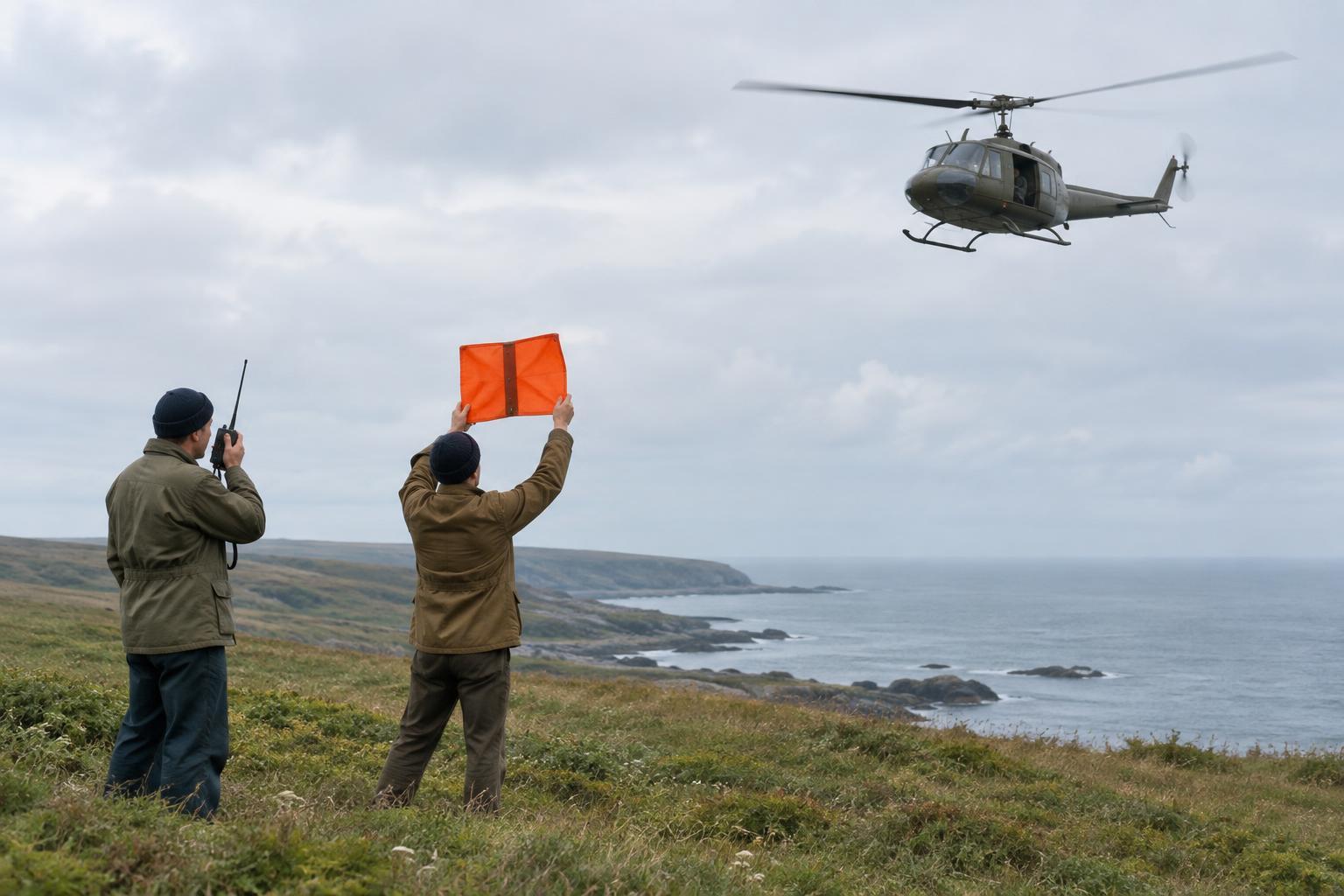
Rescue Aviation HistoryRescue aircraft need more than a destination: crews also need to exchange clear information with people on the ground. This overview traces the move from visual signals and limited radio contact toward more coordinated communication, while explaining why shared terminology and backup plans still matter.
Read article · 3 min↗
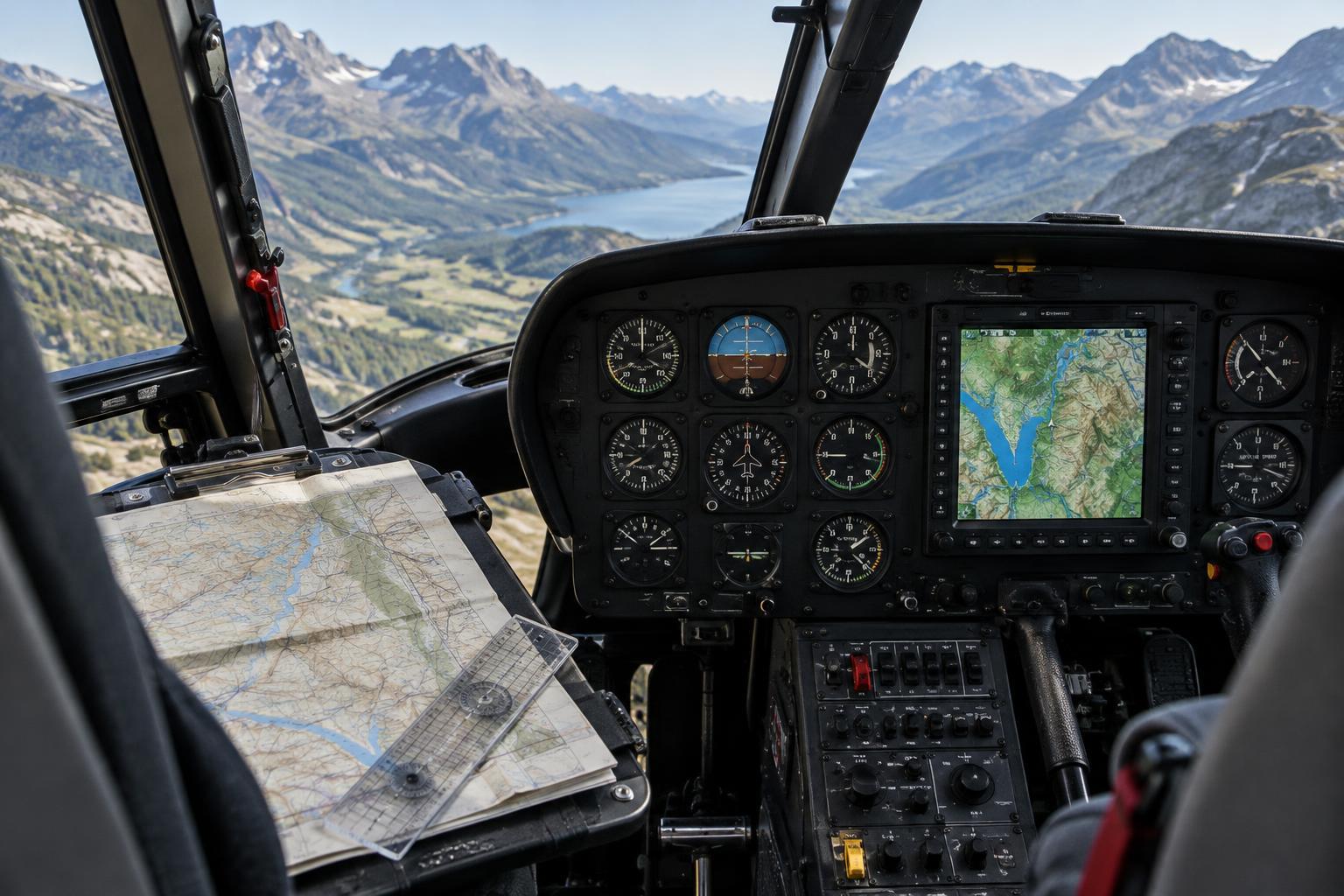
Rescue Aviation HistoryRescue aviation navigation has changed from chart reading and visual landmarks to a combination of radio aids, satellite positioning and digital displays. Each tool has helped crews answer different questions, while careful planning and communication remain essential.
Read article · 4 min↗
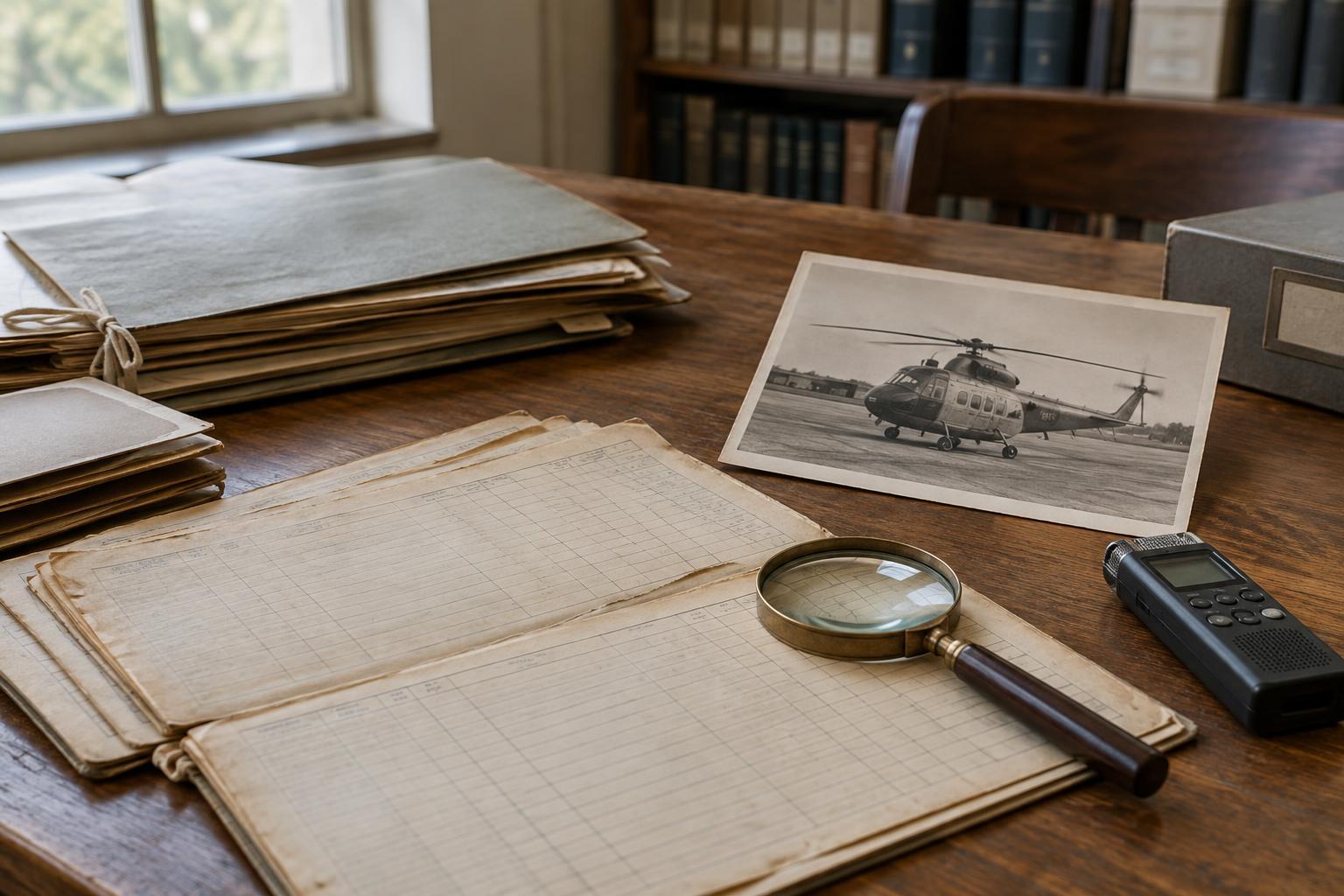
Rescue Aviation HistoryRescue aviation history is often scattered across institutional files, aircraft records, photographs and personal memories. Learn how to frame a research question, compare different kinds of evidence and tell a careful story without overstating what the sources can prove.
Read article · 4 min↗
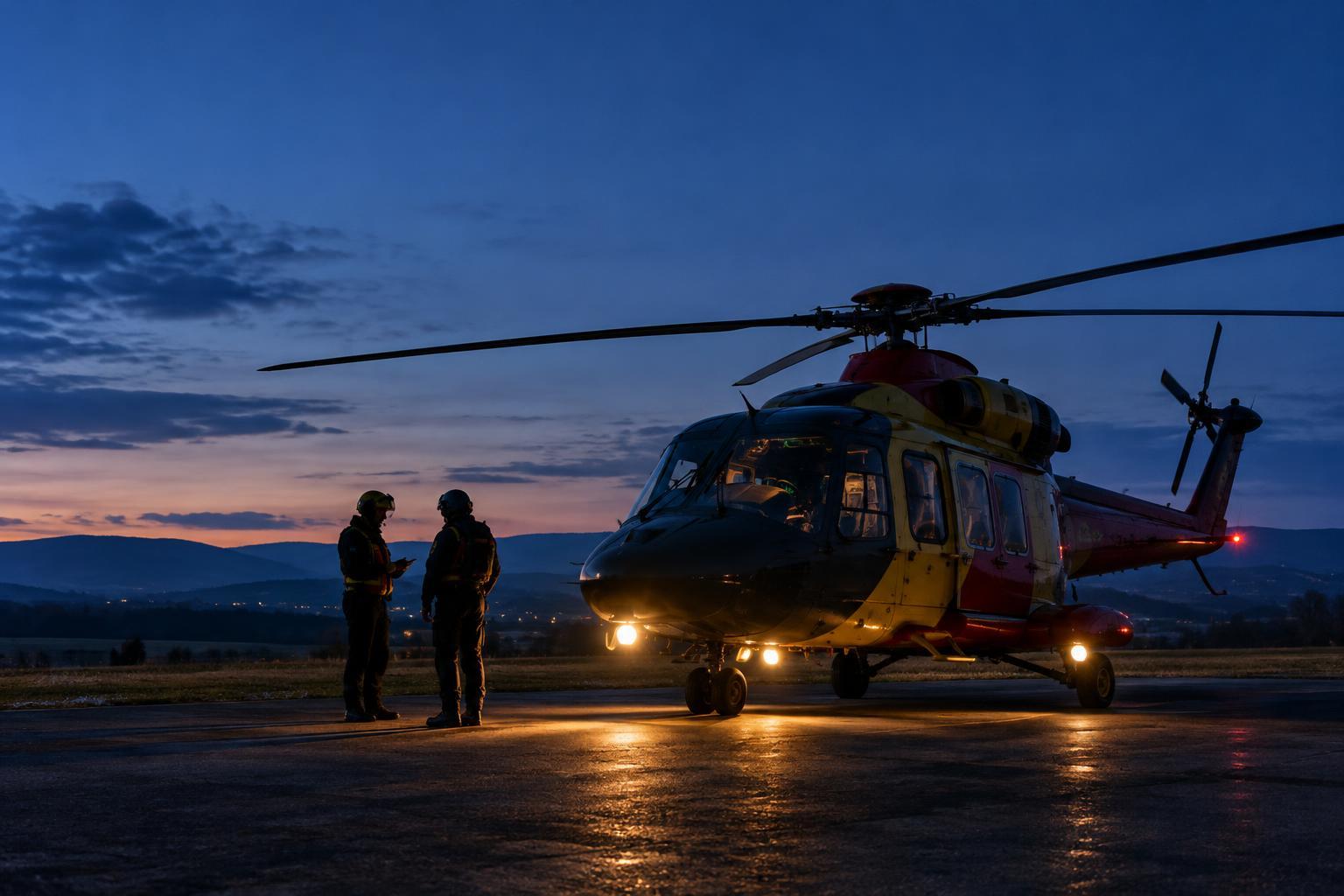
Rescue Aviation HistoryNight rescue flying became more practical as aircraft lighting, instruments, navigation, communication and crew practices improved. Its history is also a story of learning when conditions are too uncertain to fly.
Read article · 4 min↗
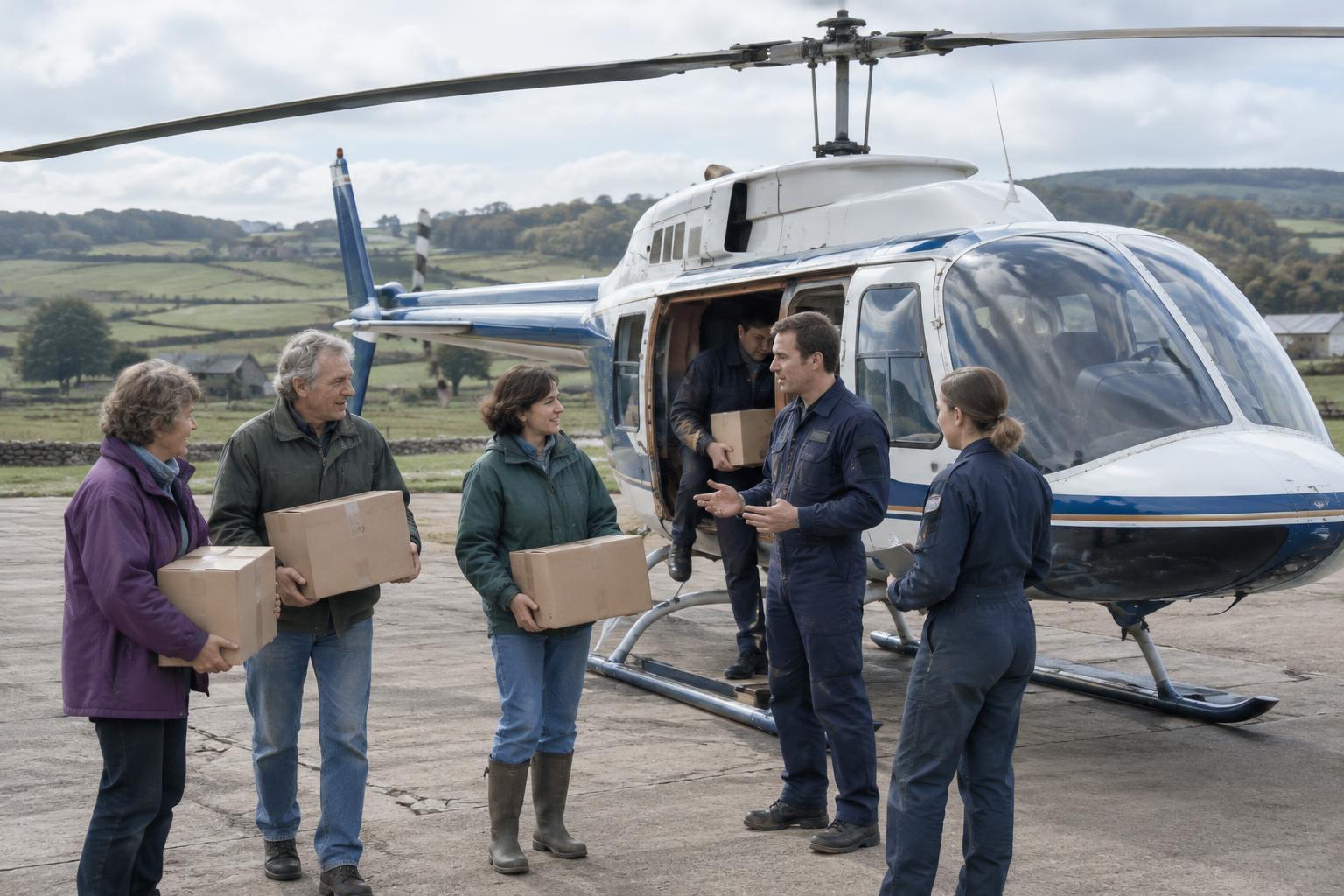
Rescue Aviation HistoryCivilian rescue aviation has never been shaped by aircraft alone. Charitable fundraising, volunteer crews, donated expertise and local partnerships have helped communities build and sustain airborne rescue services. Their history also shows why public generosity must be matched by training, oversight and clear operational responsibility.
Read article · 3 min↗
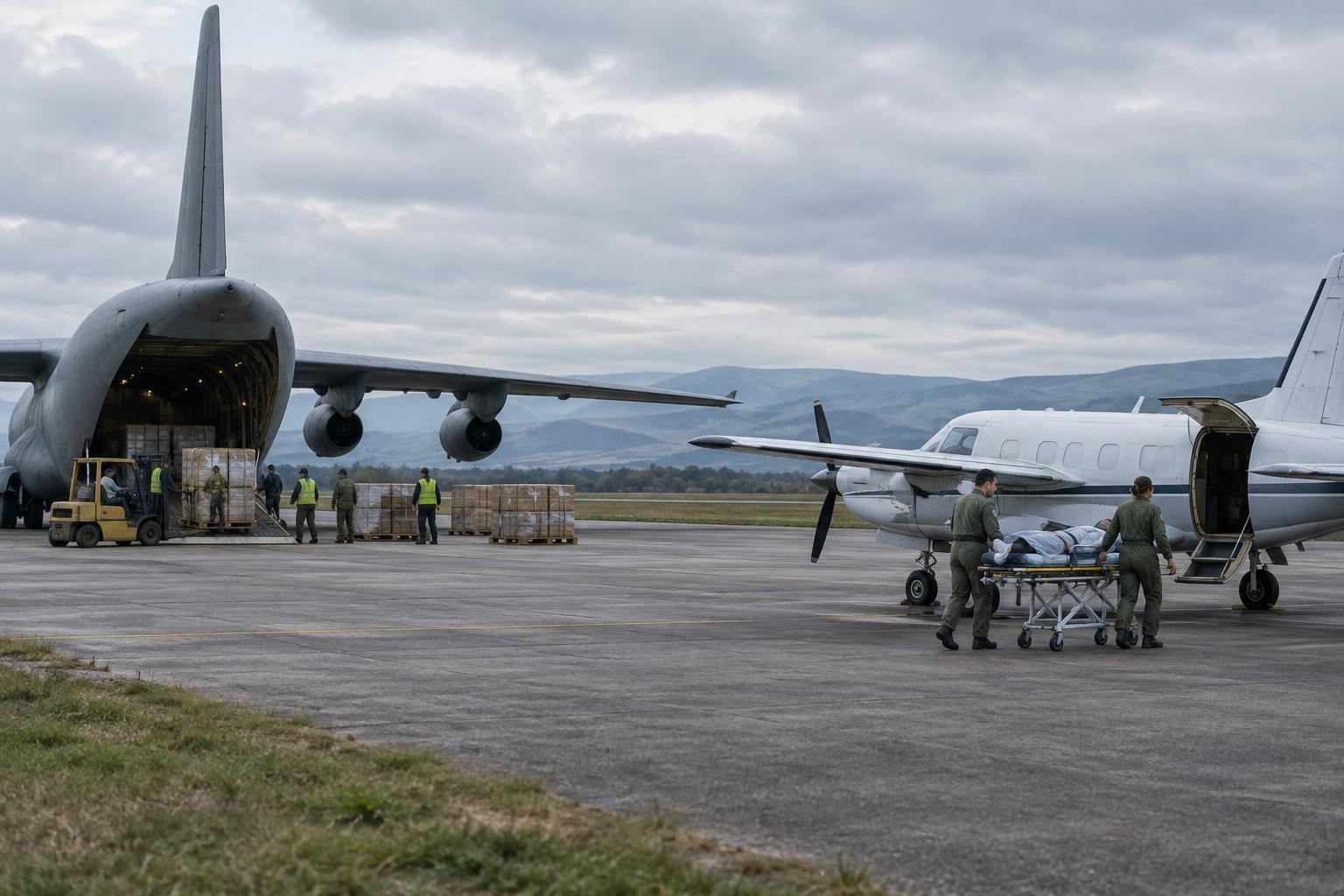
Rescue Aviation HistoryDisaster airlifts and individual medical evacuation developed around a shared idea: aircraft can move people or supplies when ground transport is too slow or difficult. Their different demands shaped aircraft use, crew coordination and the way flights are organized.
Read article · 4 min↗
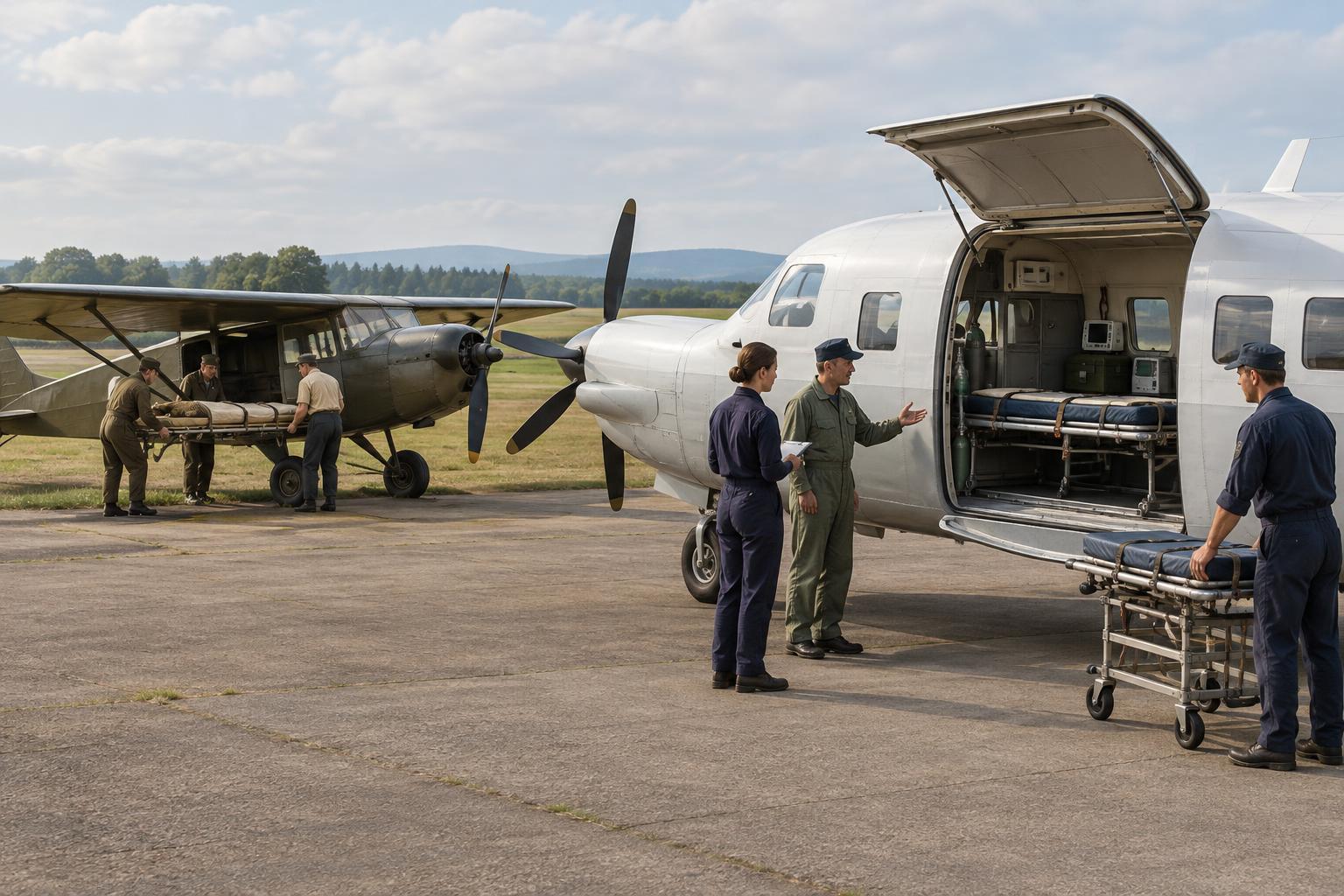
Rescue Aviation HistoryAir ambulances did not begin as purpose-built aircraft. Early evacuation flights relied on available planes and improvised arrangements; later designs made room for patients, crews and equipment from the outset. This overview traces that shift and explains why aircraft layout, communication and ground coordination matter as much as speed.
Read article · 4 min↗
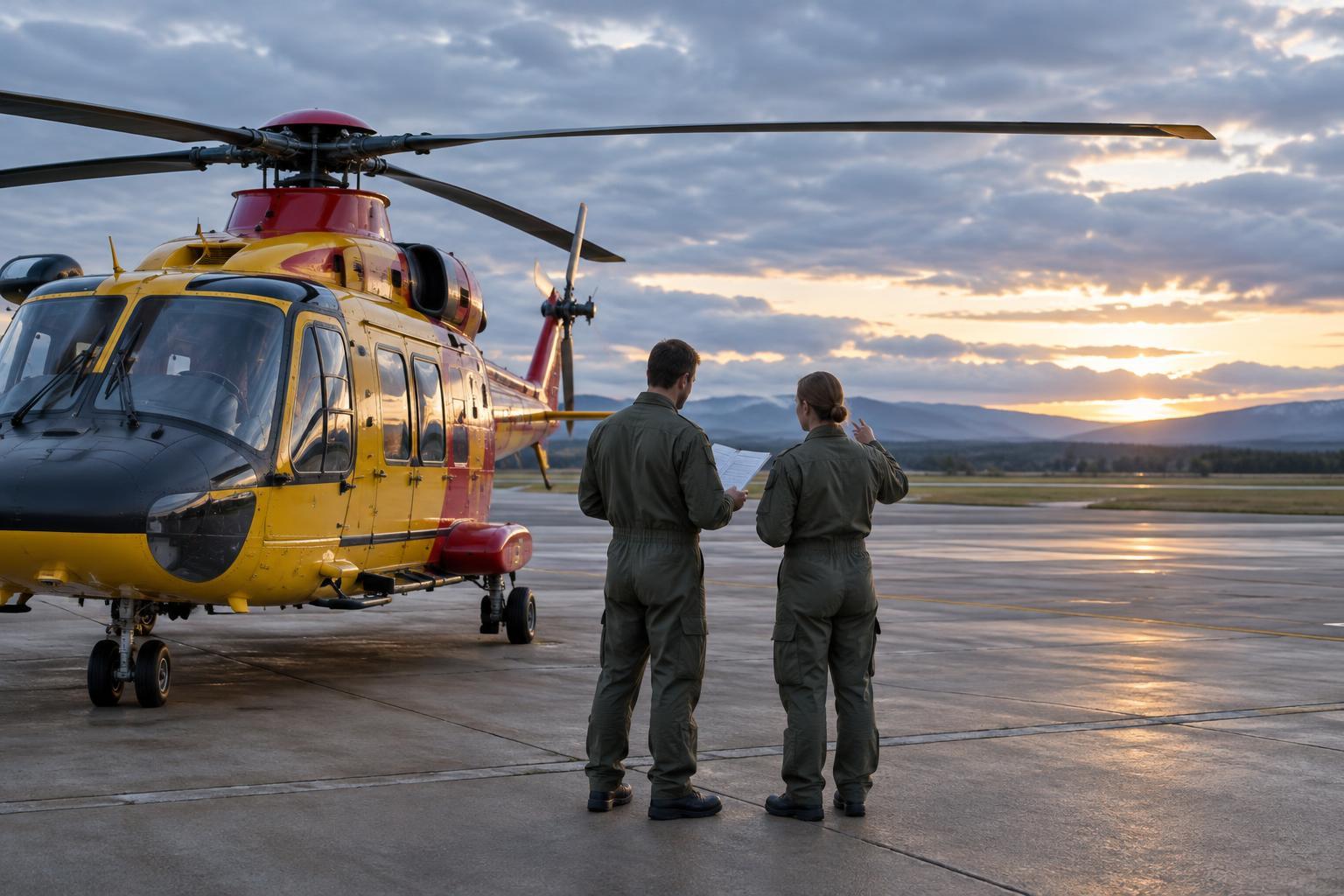
Rescue Aviation HistoryAccident investigations do more than identify what happened on a single flight. Their findings can reveal recurring risks in weather decisions, crew communication, equipment use and organizational planning. Here is how those lessons have influenced the safety practices surrounding rescue aviation.
Read article · 4 min↗
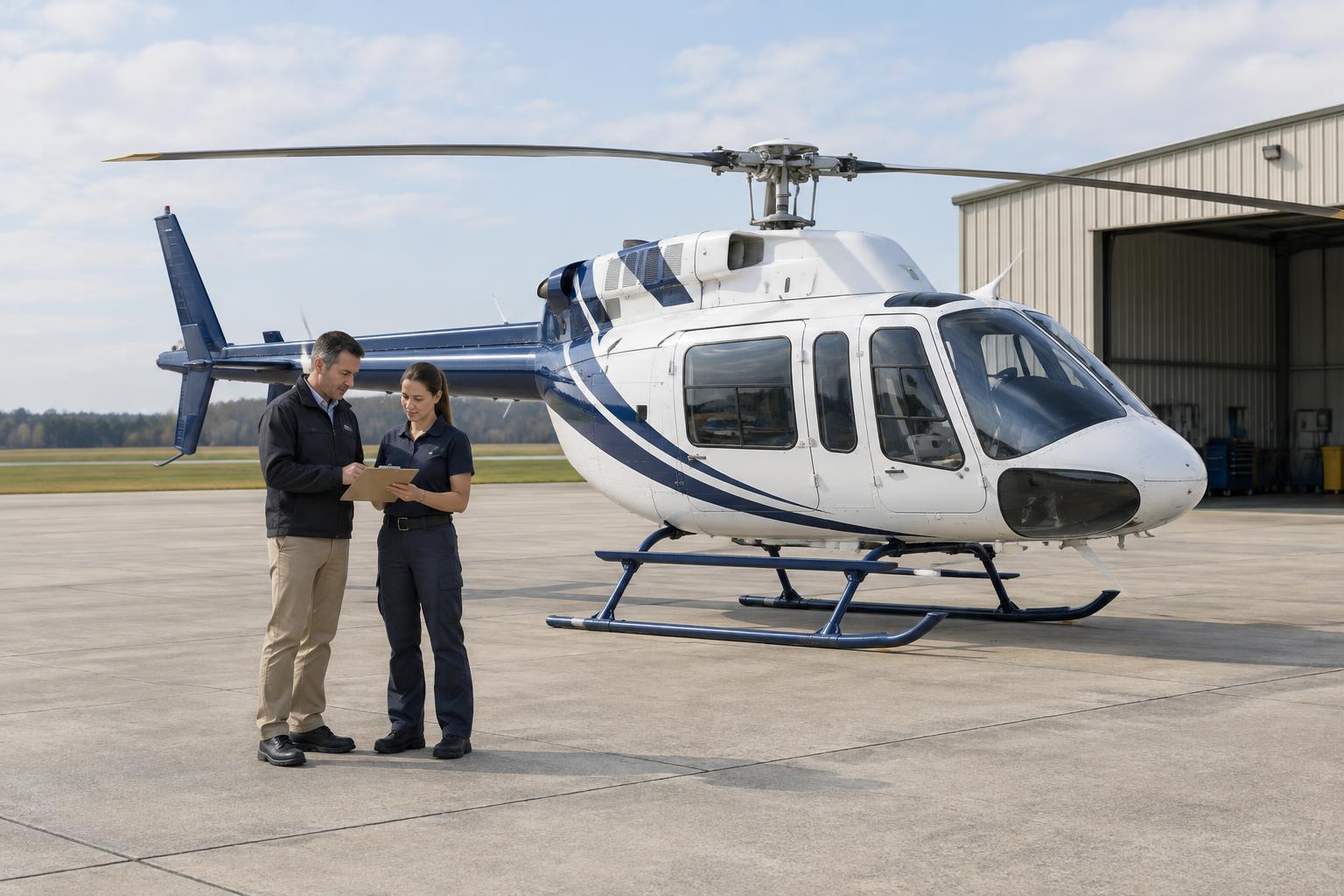
Rescue Aviation HistoryAir ambulance oversight did not emerge from a single rulebook. As civilian medical flights grew, federal aviation regulation, state emergency medical services systems, accident investigation and voluntary accreditation developed alongside one another. Understanding those separate roles helps explain how an air ambulance operation is evaluated today.
Read article · 3 min↗
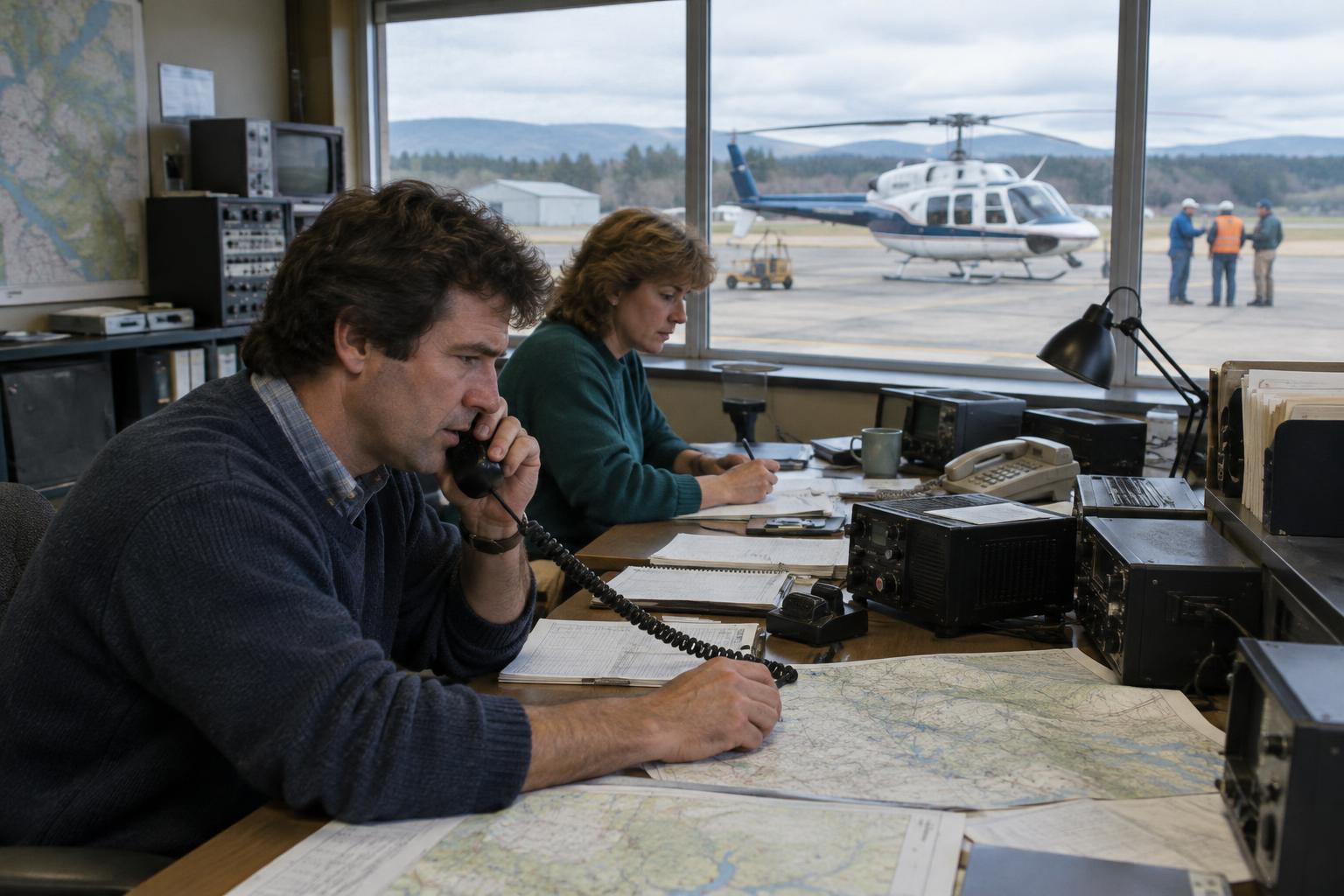
Rescue Aviation HistoryRescue aviation dispatch evolved from local phone calls and improvised arrangements into a more coordinated way to assess requests, find suitable aircraft and connect crews with ground teams. Its history is less a story of one invention than of clearer roles, better communications and lessons learned across different kinds of missions.
Read article · 4 min↗
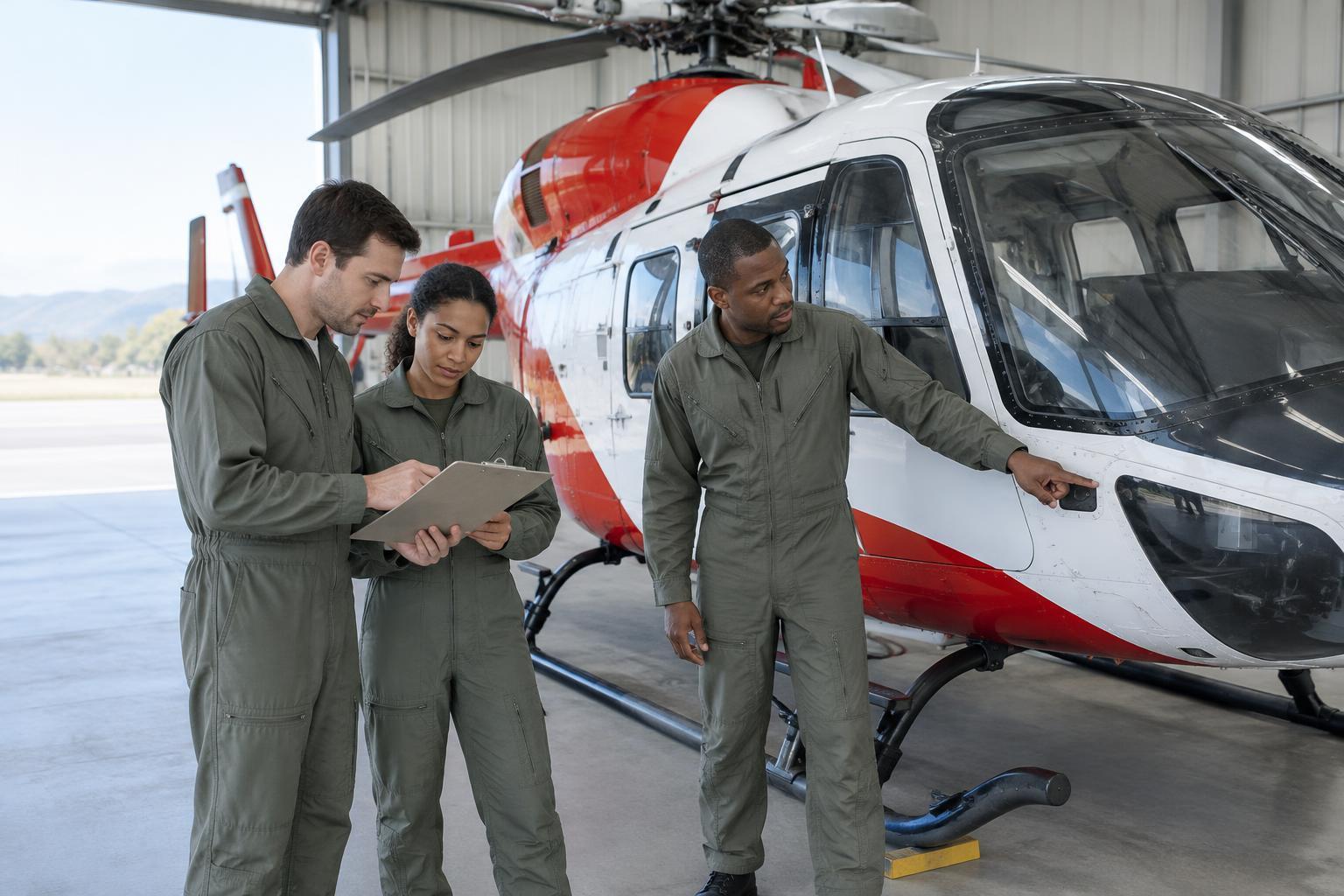
Rescue Aviation HistoryRescue aviation crews have long needed to combine flying skills with communication, coordination and sound judgment. Over time, training became less dependent on individual experience and more focused on shared procedures, realistic practice and lessons learned from operations.
Read article · 4 min↗
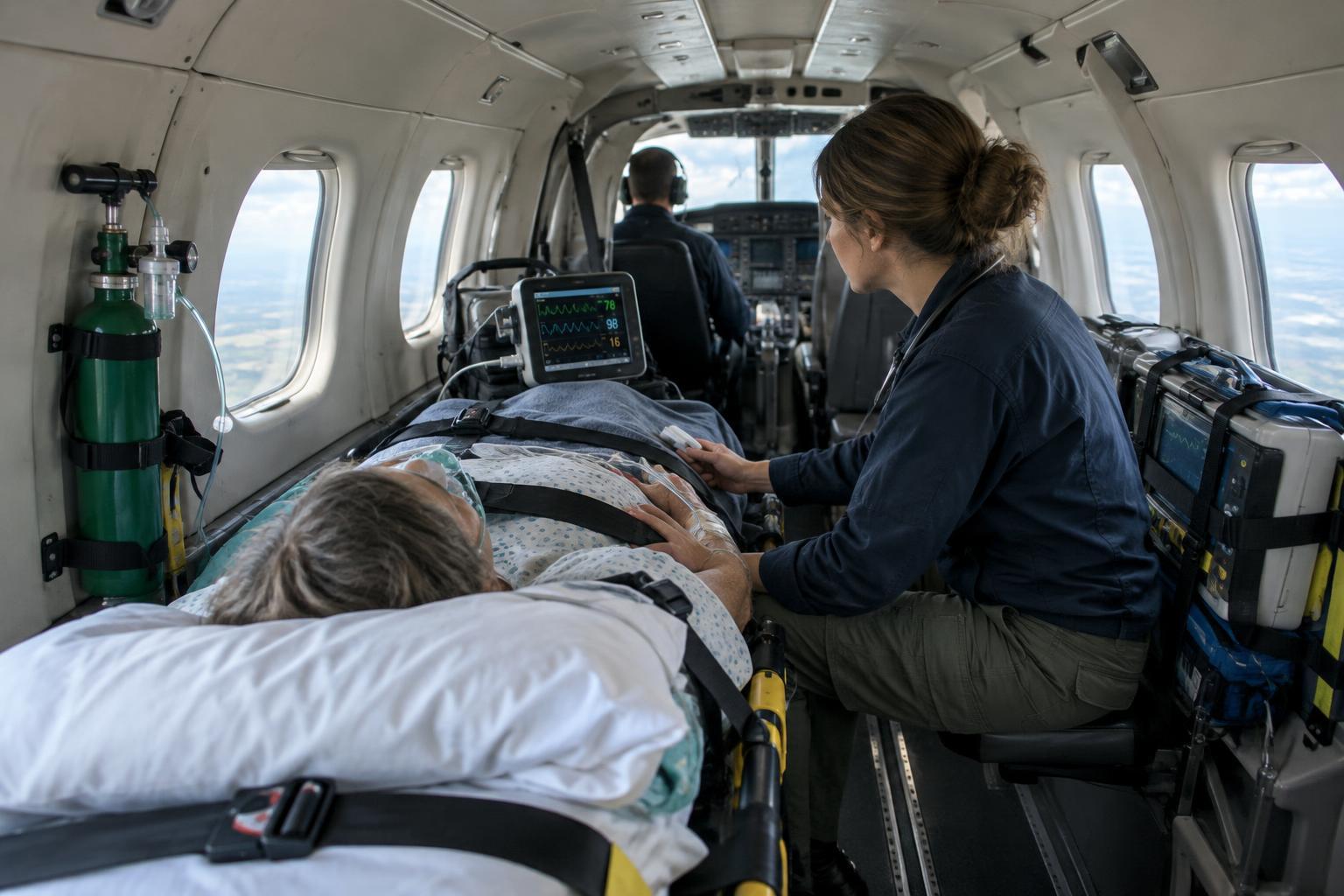
Rescue Aviation HistoryAir ambulances were once understood chiefly as a way to move patients across difficult distances. As aircraft, equipment and clinical teamwork developed, the journey itself became a setting for care. This overview traces that shift and explains why the mission still depends on both safe flight and thoughtful patient support.
Read article · 4 min↗
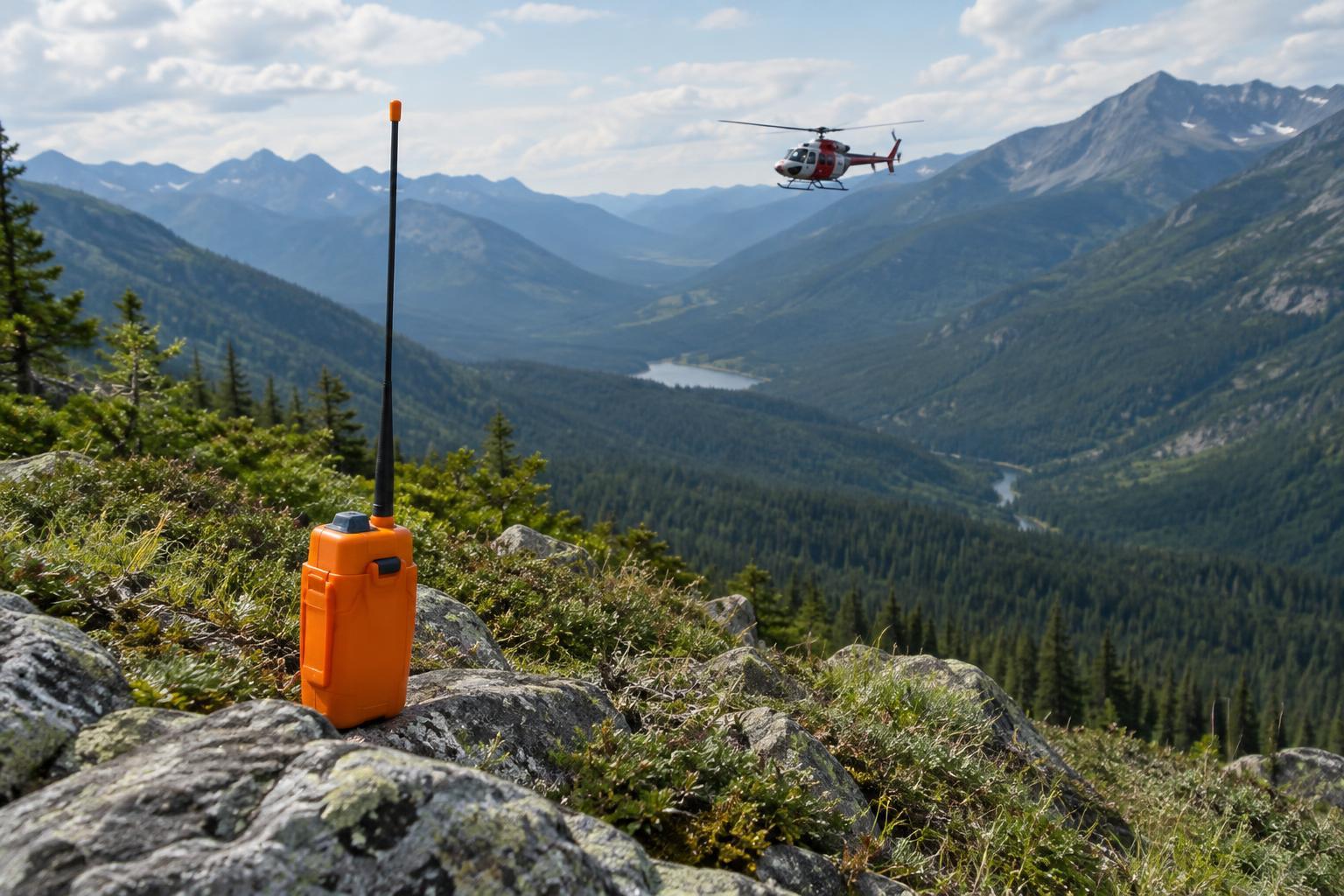
Rescue Aviation HistoryEmergency locator beacons gave search teams a way to narrow the area when an aircraft went missing. From early radio signals to satellite-detected alerts, their history shows how a small transmitter can help turn uncertainty into a more focused search—while still depending on people, preparation and reliable communication.
Read article · 4 min↗

Rescue Aviation HistoryHelicopters gave mountain rescuers new ways to reach difficult terrain, move equipment and evacuate injured people. Their impact has grown alongside improvements in aircraft, communications and crew coordination—but weather and terrain still set firm limits.
Read article · 4 min↗
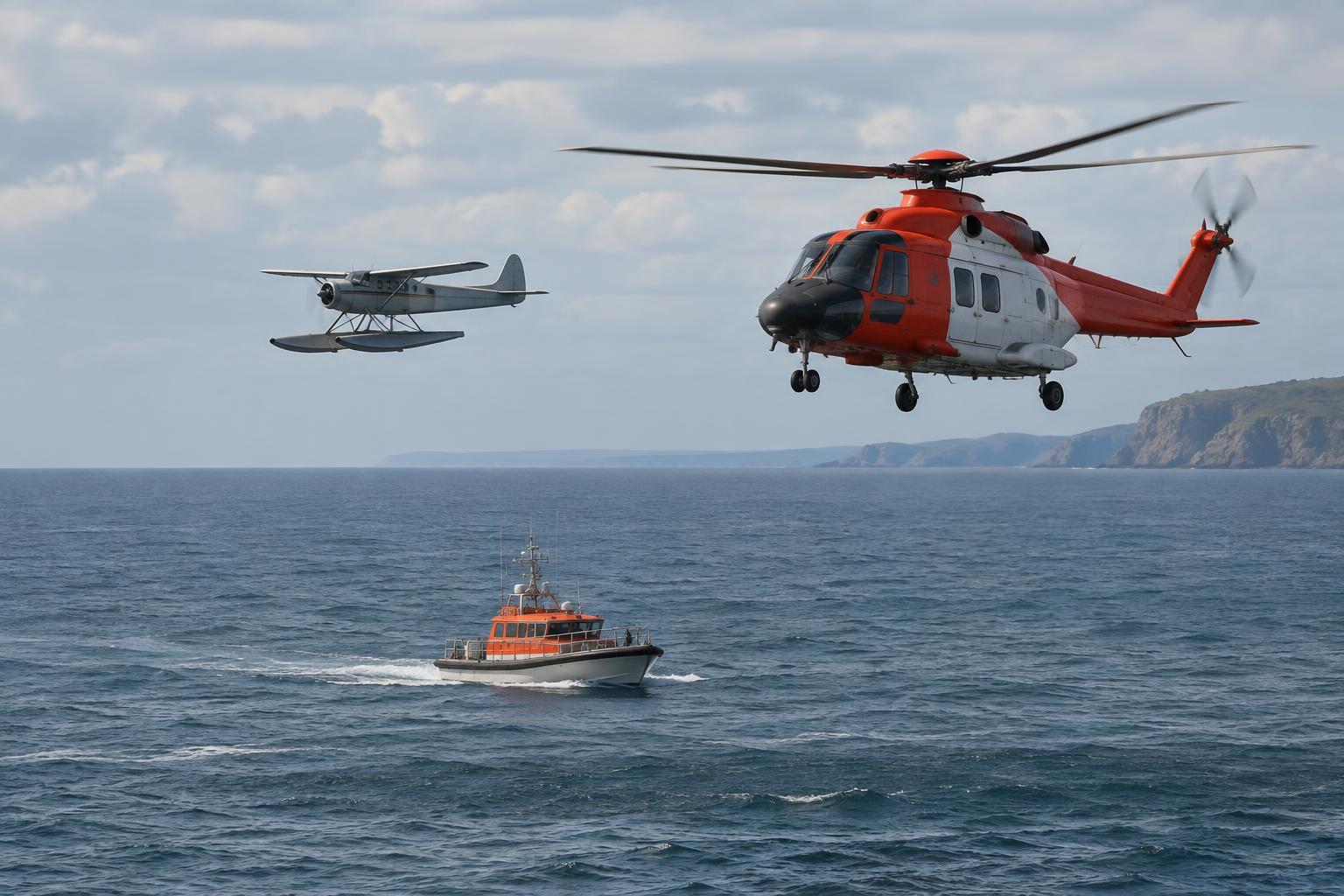
Rescue Aviation HistoryMaritime rescue aviation grew from the simple but powerful idea that an aircraft could find people beyond the reach of shore-based observers. Seaplanes, patrol aircraft and helicopters each changed what rescuers could do, while ships, boats and coordinated crews remained essential.
Read article · 4 min↗
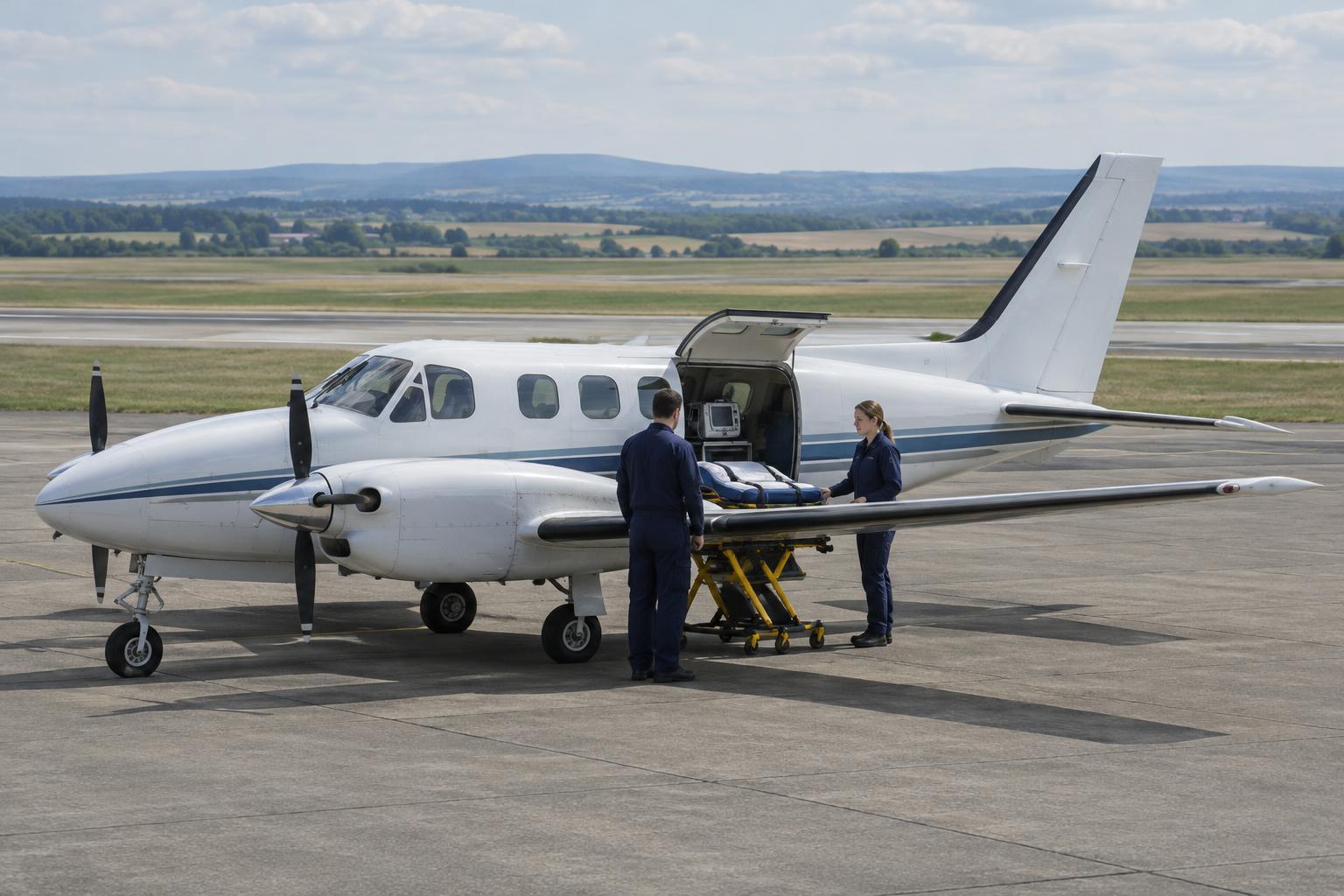
Rescue Aviation HistoryFixed-wing air ambulances developed from an early idea—using aircraft to cross distances that ground transport could not cover quickly—into a coordinated form of patient transport. Their history is as much about aircraft design, communication and planning as it is about flight.
Read article · 3 min↗
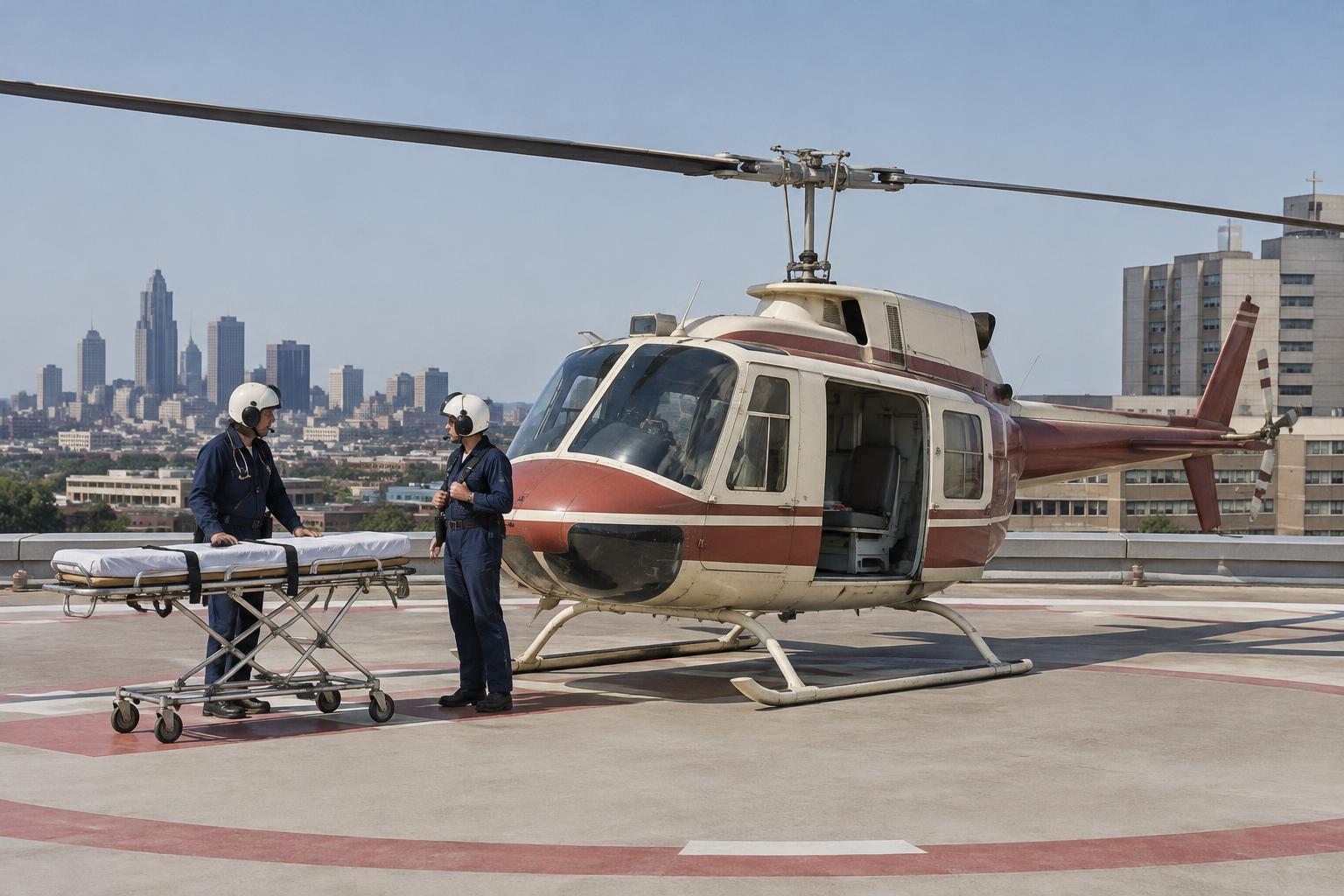
Rescue Aviation HistoryCivilian helicopter emergency medical services grew from a practical question: when could a flight help a seriously ill or injured patient reach appropriate care? Their development brought together lessons from military evacuation, advances in hospital care, regional transport networks and increasingly formal approaches to crew coordination and safety.
Read article · 4 min↗
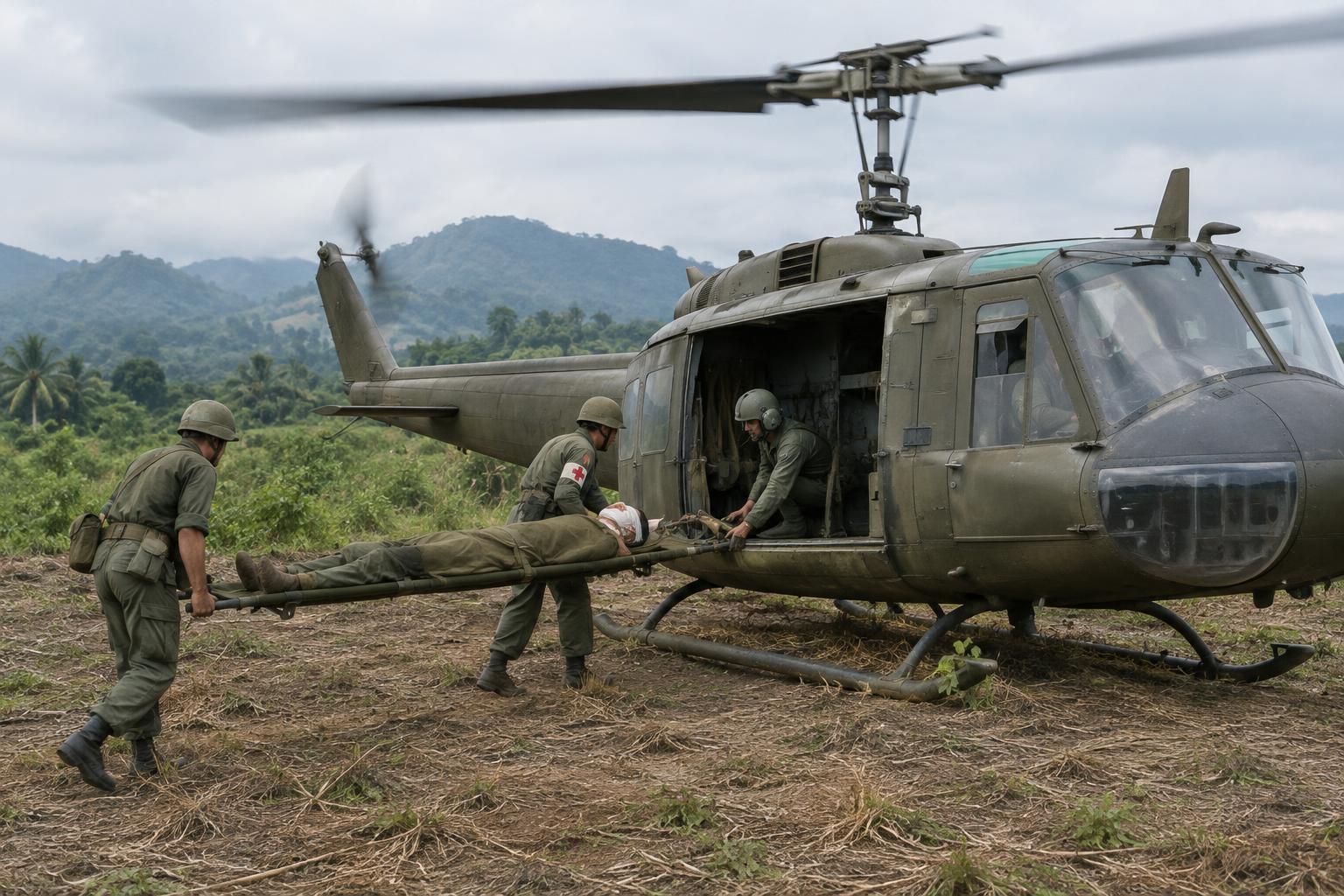
Rescue Aviation HistoryHelicopters had carried casualties before the Vietnam War, but the conflict placed new demands on evacuation crews. Radio coordination, landing-zone planning, dedicated aircraft and receiving hospitals became closely connected parts of the effort to move wounded people to care.
Read article · 3 min↗
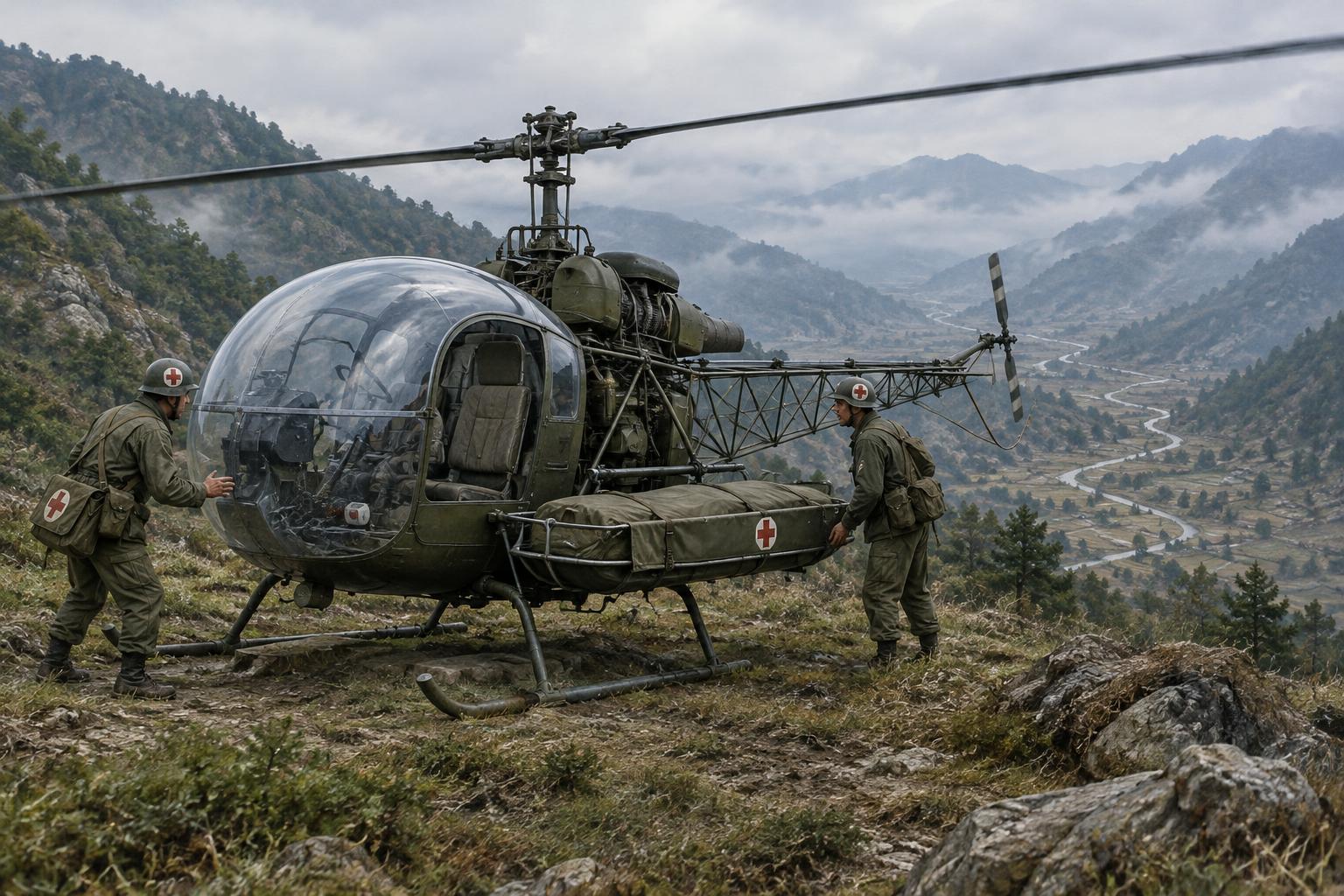
Rescue Aviation HistoryHelicopters did not invent battlefield evacuation, but the Korean War showed how they could connect difficult terrain with surgical care. The aircraft, crews and ground teams involved helped establish a model that would continue to evolve after the war.
Read article · 4 min↗
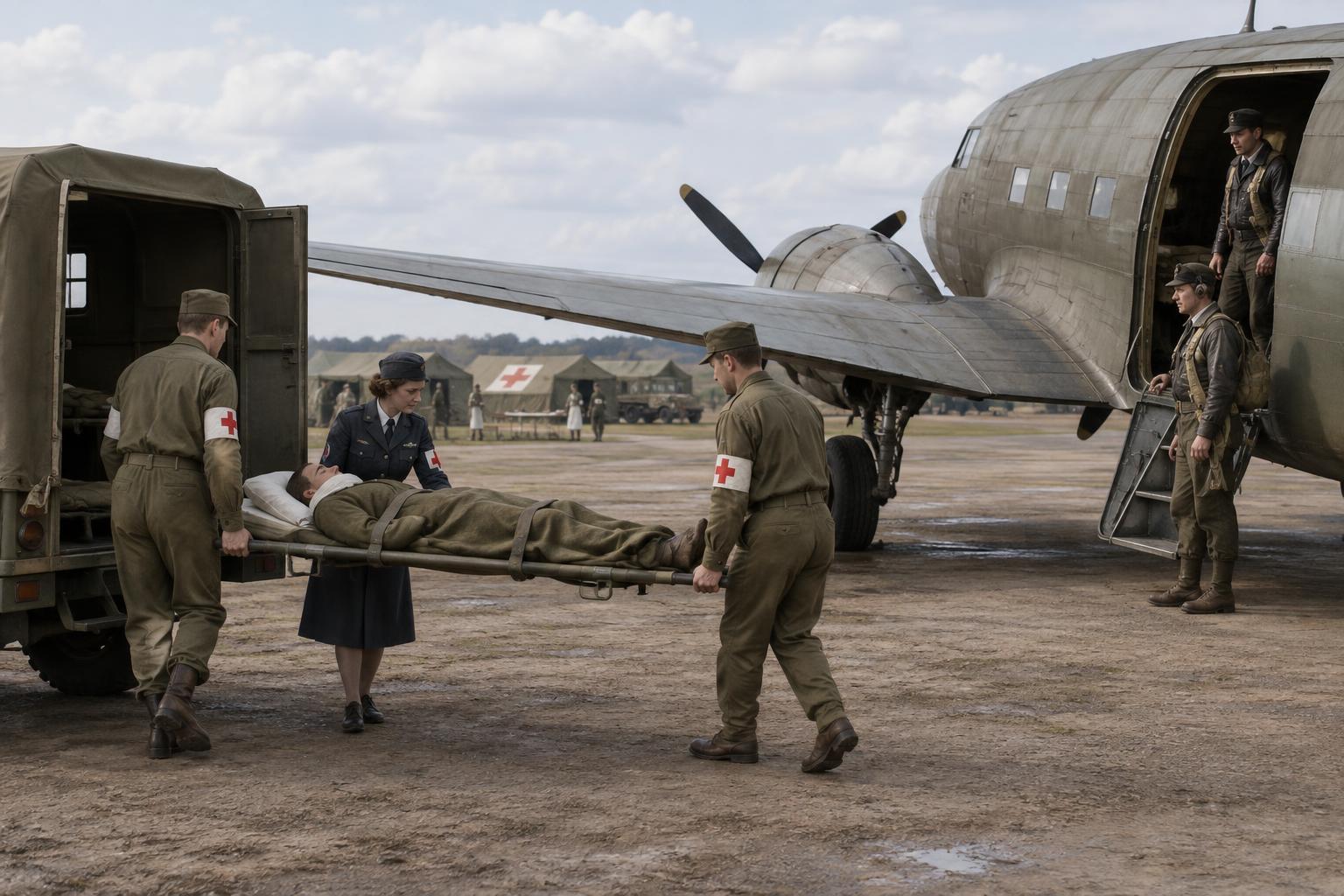
Rescue Aviation HistoryWorld War II aeromedical evacuation was a coordinated transport system, not simply a flight from the battlefield. Medical teams, ground vehicles, airfields, aircraft crews and receiving hospitals worked together to move patients through successive stages of care.
Read article · 3 min↗
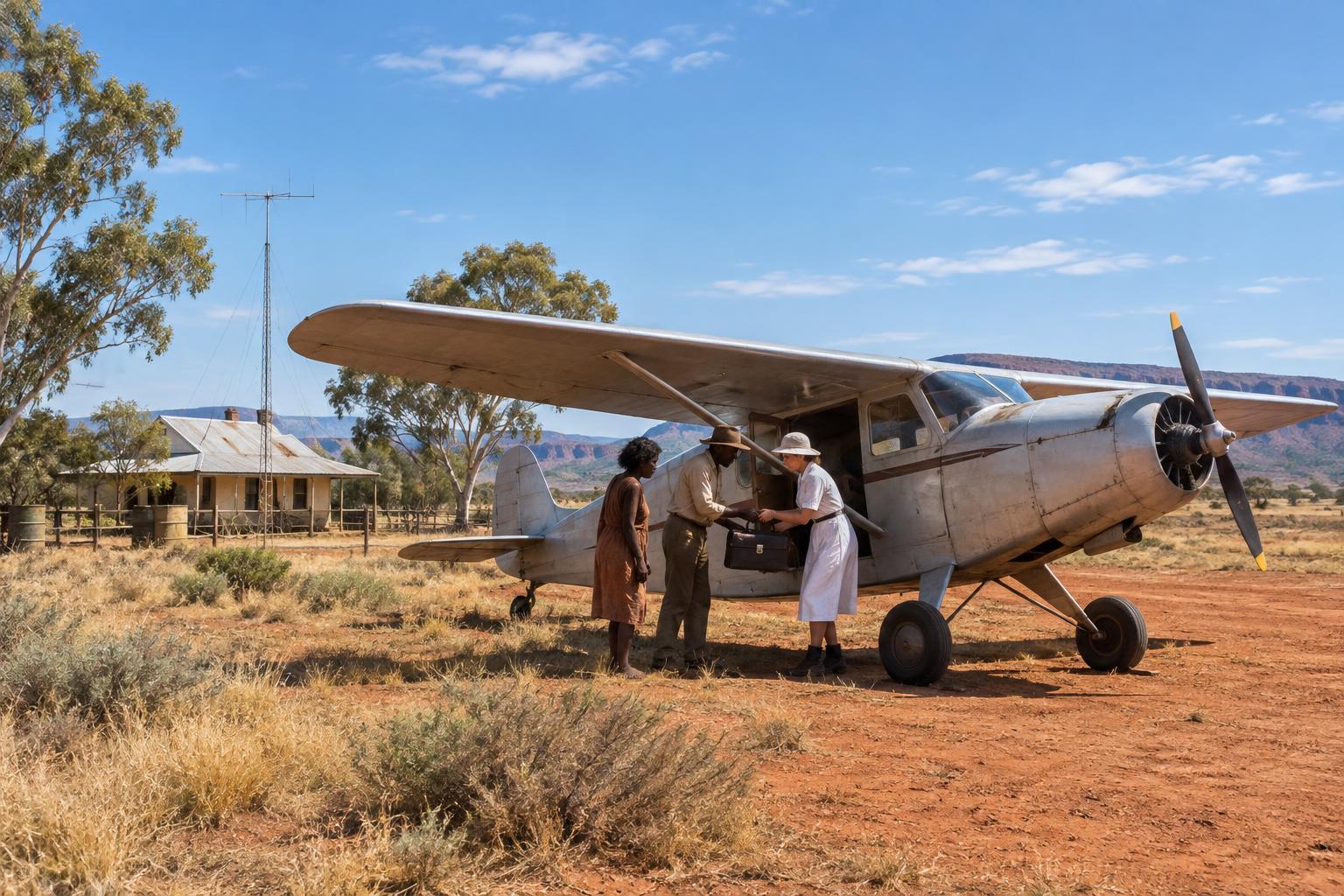
Rescue Aviation HistoryThe Royal Flying Doctor Service grew from a practical challenge: how could people in remote Australia reach medical help when distance and difficult overland travel stood in the way? Its early approach combined aircraft, radio communication and local cooperation, creating a model for care across vast distances.
Read article · 3 min↗
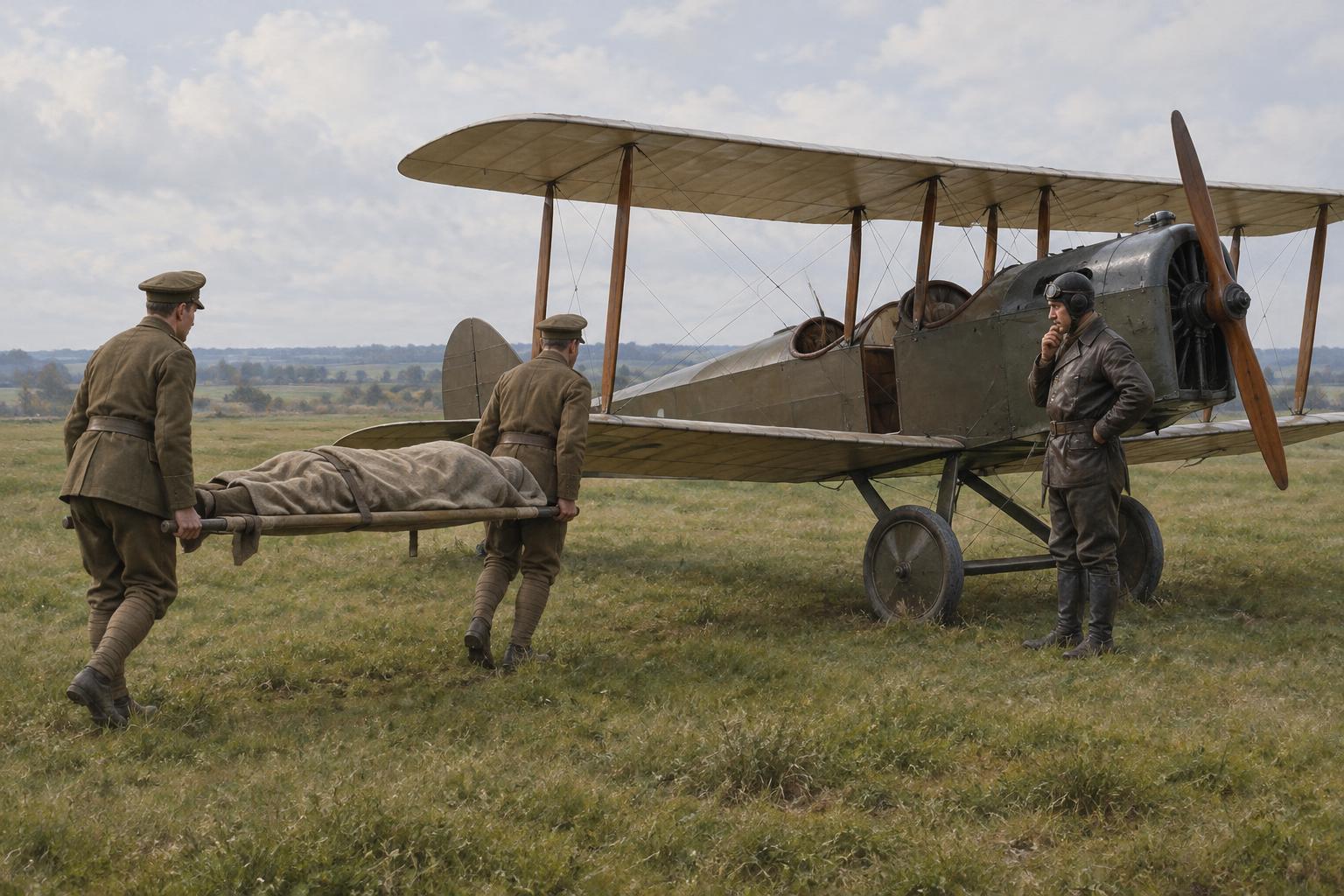
Rescue Aviation HistoryDuring World War I, a small number of wounded people were moved by aircraft in circumstances that showed both the promise and the difficulty of air evacuation. These early efforts were far from a coordinated ambulance service, but they raised questions about aircraft design, patient access and transport planning that would shape later practice.
Read article · 4 min↗