Begin with a question, not a legend
Rescue aviation stories often begin with a memorable flight, an aircraft type or a crew member’s recollection. Those are useful starting points, but a focused question makes the research manageable. Instead of trying to write the complete history of an organization, ask how its aircraft changed over time, how crews coordinated with ground responders, or what led to a change in dispatch procedures. Define the place and period you want to examine, while leaving room for the evidence to challenge your first assumptions.
Create a working timeline with separate columns for events and sources. Enter a date only as precisely as the evidence allows: a year is not the same as a confirmed day. Note variant names for an organization, aircraft or base, since terminology may have changed. Keep a list of unanswered questions alongside the timeline. It will help you distinguish an interesting lead from an established fact.
Search archives with the source’s purpose in mind
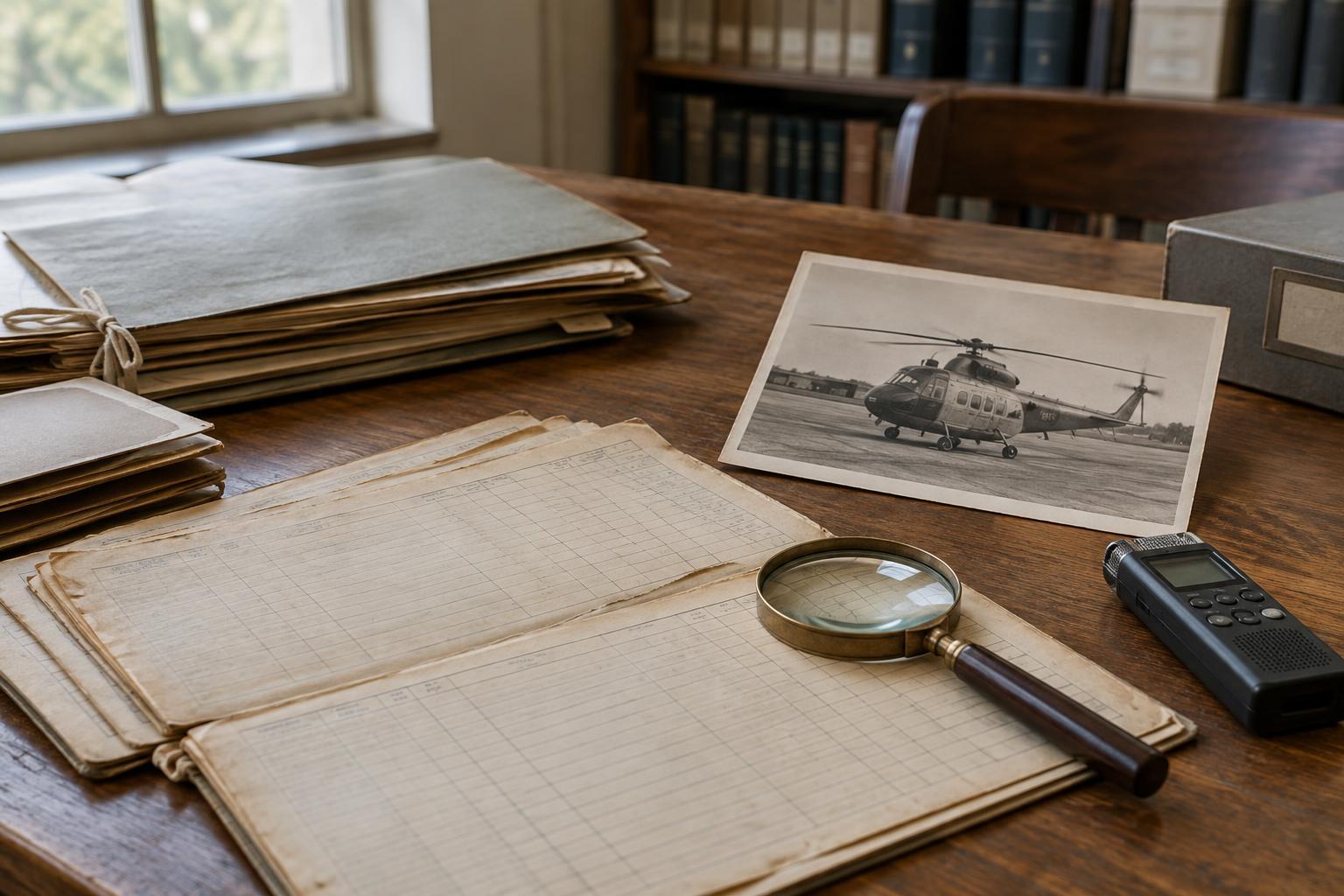
Relevant material may sit in public libraries, local history collections, aviation museums, government archives or an organization’s own files. Catalogs can point to photographs, newsletters, correspondence, annual reports, training materials and newspaper clippings. Search using locations, unit names, aircraft models and the names of associated agencies. If a collection is not fully described online, a polite inquiry to its staff may clarify what exists and how it can be accessed.
Ask why each item was created. A newsletter might highlight achievements while saying little about routine difficulties; a photograph may show equipment without explaining whether it was standard for every flight. Record the item’s creator, approximate date, collection and identifying details so you can find it again. If you plan to reproduce an image or document, check both access rules and any applicable permissions. Being able to read or download a source does not necessarily mean you can republish it.
Read flight records carefully
Flight logs, aircraft records, dispatch sheets and maintenance documents can add structure to a historical account. Depending on what survives, they may help establish when an aircraft was in service, where flights began, or how often particular kinds of activity were recorded. Their fields and abbreviations need context, however. A logged destination may not describe the full route, and a dispatch entry may not confirm that a flight took place. Compare records before turning an entry into a narrative.
Preservation is uneven. A gap in a log could reflect a missing page, a change in recordkeeping or simply an unavailable collection; it does not by itself prove that flights stopped. Some documents may also contain personal or sensitive information. For an educational history, describe operational patterns without publishing patient identifiers or unnecessary details about individuals. When a record is restricted, look for aggregate reports or other sources that can answer a narrower question.
Use oral histories to understand experience
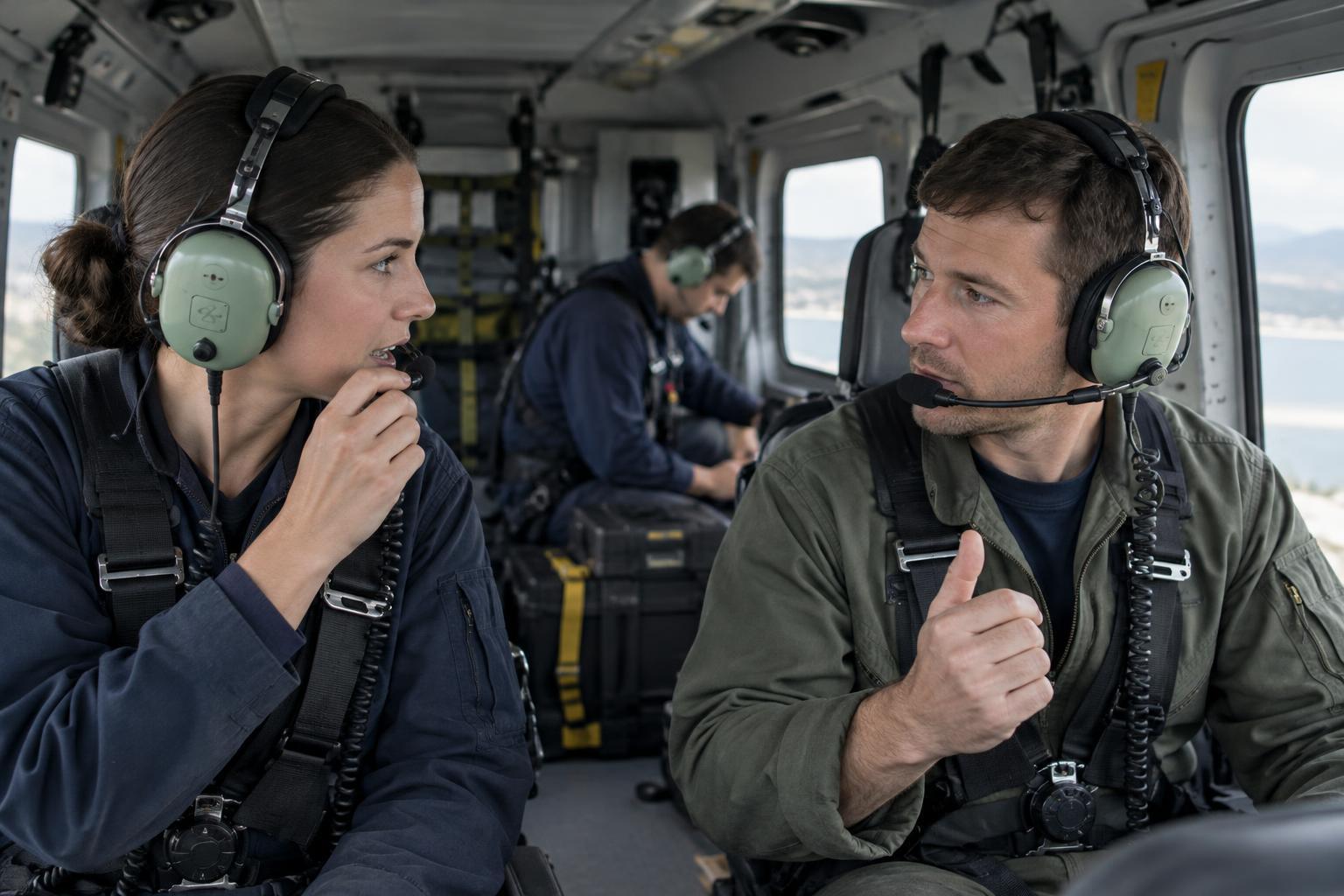
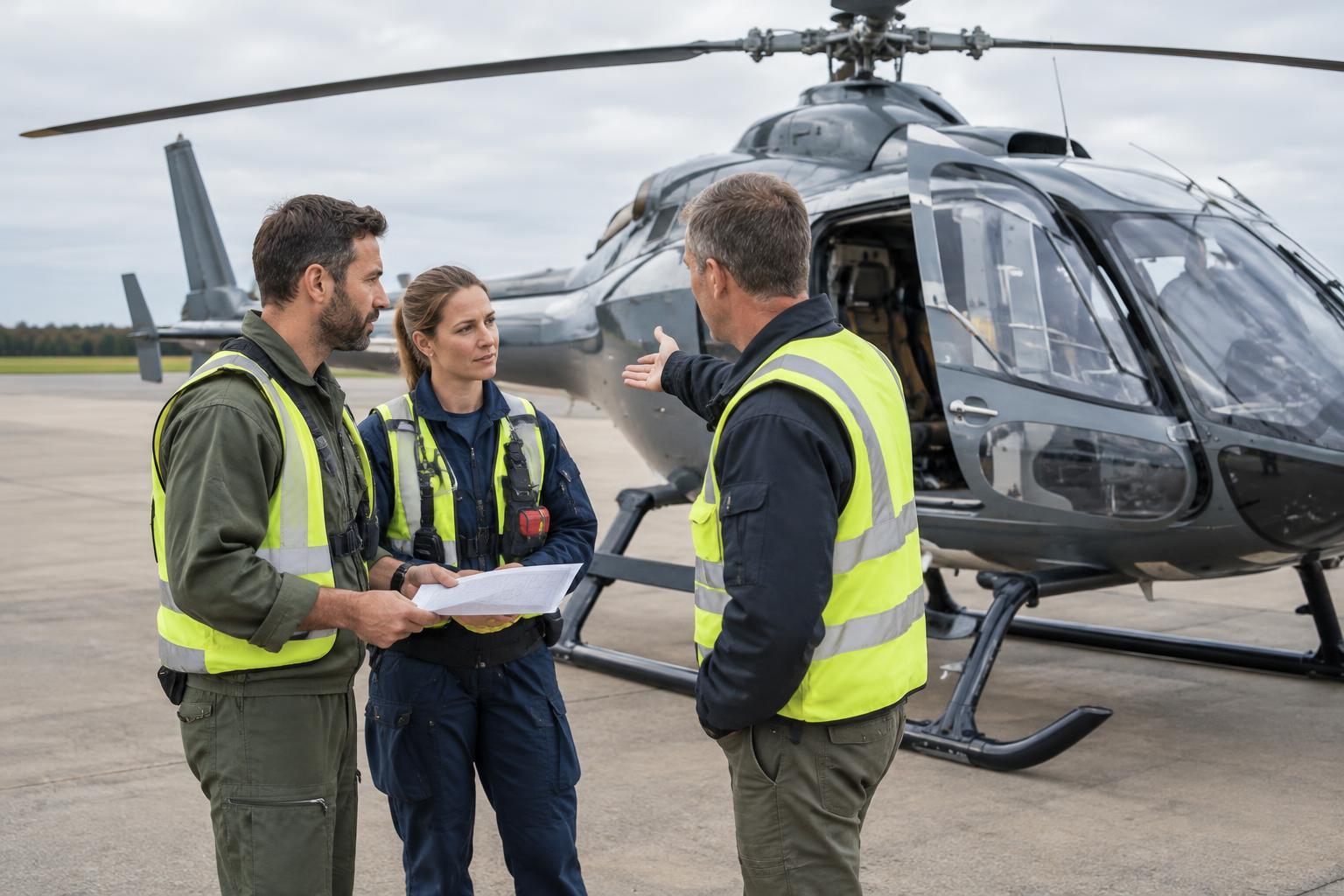
Pilots, dispatchers, mechanics, clinicians and ground responders may remember aspects of rescue aviation that forms and logs cannot capture: the feel of an early communications setup, the reasons a checklist changed, or the challenges of coordinating across agencies. Prepare open-ended questions and invite the person to describe their role before asking about a specific event. Make clear whether the conversation is for background, quotation or a recorded interview, and agree on how their account may be used.
Memory offers perspective, not a perfect transcript of the past. People may combine similar flights, misremember a sequence or use a later name for an earlier practice. Ask what the interviewee saw firsthand and what they learned from others. Follow up with photographs, documents and additional interviews where possible. If accounts differ, explain the difference rather than forcing them into a single version. Oral histories are especially valuable when presented as attributed experiences alongside the documentary record.
Build a transparent account
Before drafting, make a simple evidence table: one row per claim, with its supporting sources and any unresolved conflicts. Distinguish confirmed details from reasonable interpretations. A maintenance entry might confirm that equipment was installed, for example, without showing how crews used it on every mission. Avoid treating one well-documented program as representative of all rescue aviation; geography, aircraft, staffing and local partnerships can shape different practices.
A strong history explains both what is known and how it is known. Identify sources clearly in your notes, credit people who contributed their memories, and state when records are incomplete. The result need not resolve every question. By showing readers where the evidence is firm and where uncertainty remains, you can make a useful account of how rescue aviation developed without turning gaps in the archive into invented certainty.