Before helicopters became part of the plan
Mountain search and rescue has long depended on people moving through difficult ground. Teams traveled on foot or by road to a trailhead, then carried ropes, stretchers and other supplies toward the person who needed help. An injured climber might have to be lowered down a slope or carried over uneven terrain before reaching a vehicle. These methods remain essential, but they can take considerable time and physical effort.
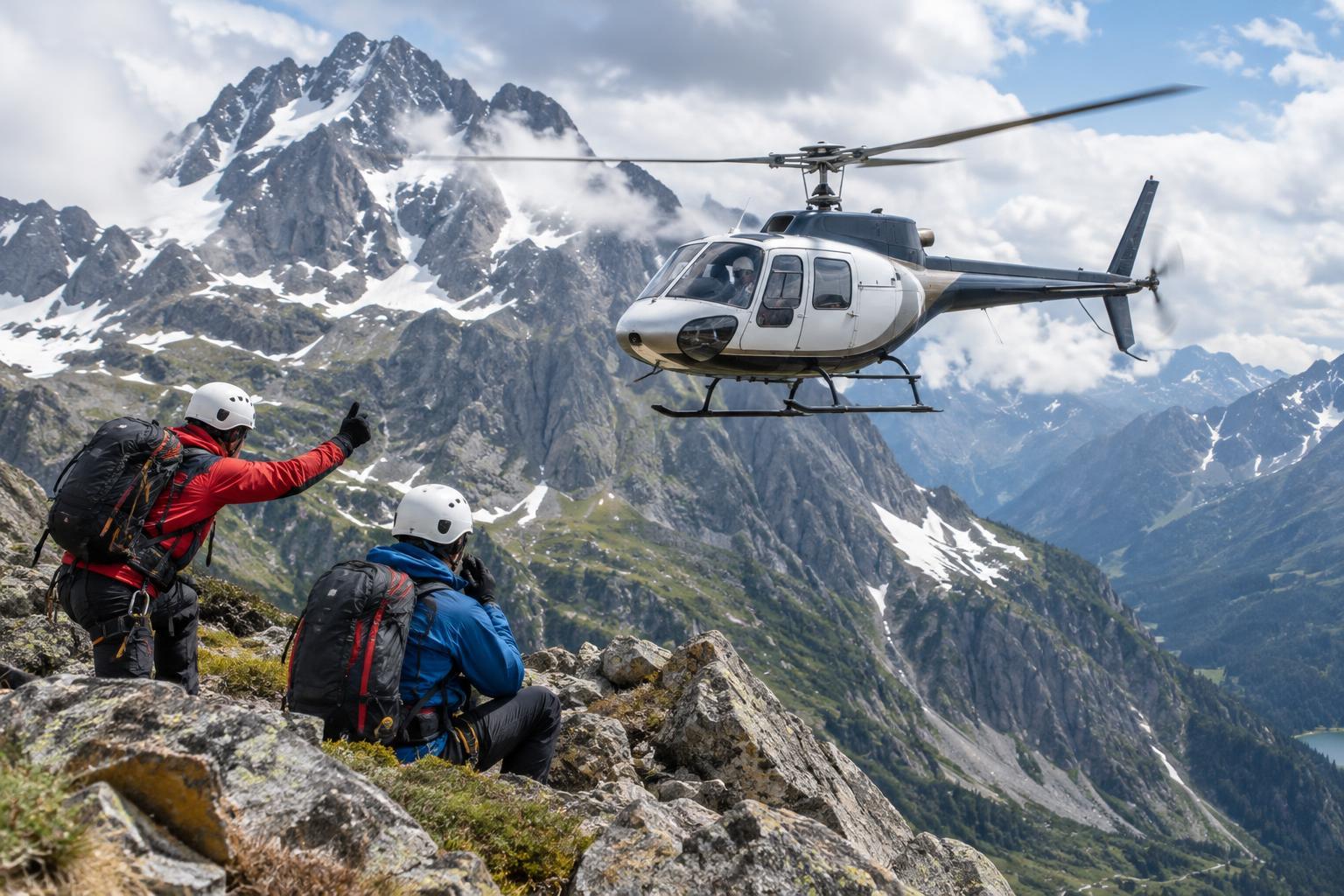
As helicopters became more capable and available to rescue organizations, they offered another way to approach the problem. A crew could survey a broad area from above, deliver rescuers closer to a search zone or carry a patient away from a suitable landing site. This did not make ground teams obsolete. It changed how teams could divide the journey, sometimes replacing a long approach with a shorter one and leaving rescuers more energy for the work at the scene.
Access changed, but landing was never guaranteed
A helicopter’s ability to take off and land without a runway is especially useful in mountains, where roads may end far from the incident. Over time, mountain rescue plans increasingly accounted for aircraft as a possible link between a staging area and remote terrain. A helicopter could also help crews see ridgelines, valleys and potential access routes that are hard to assess from the ground.
Yet a nearby aircraft cannot necessarily reach a person directly. Steep slopes may offer no safe landing space, and loose debris, trees or uneven ground can complicate an approach. Altitude, wind and temperature can affect aircraft performance, while cloud, poor visibility and changing weather may prevent a flight altogether. Helicopters expanded the options available to rescuers; they did not remove the need for route-finding, climbing skills or a ground evacuation plan.
New equipment widened the range of rescue methods
Early use often centered on observation, transport and landings where terrain allowed. As aircraft equipment and rescue techniques developed, some teams gained ways to work beyond a conventional landing site. Depending on the aircraft and the organization, crews may use a hoist to lower a rescuer or raise a patient, or move people and supplies between carefully chosen locations. Specialized methods demand training and are not interchangeable with a simple landing.
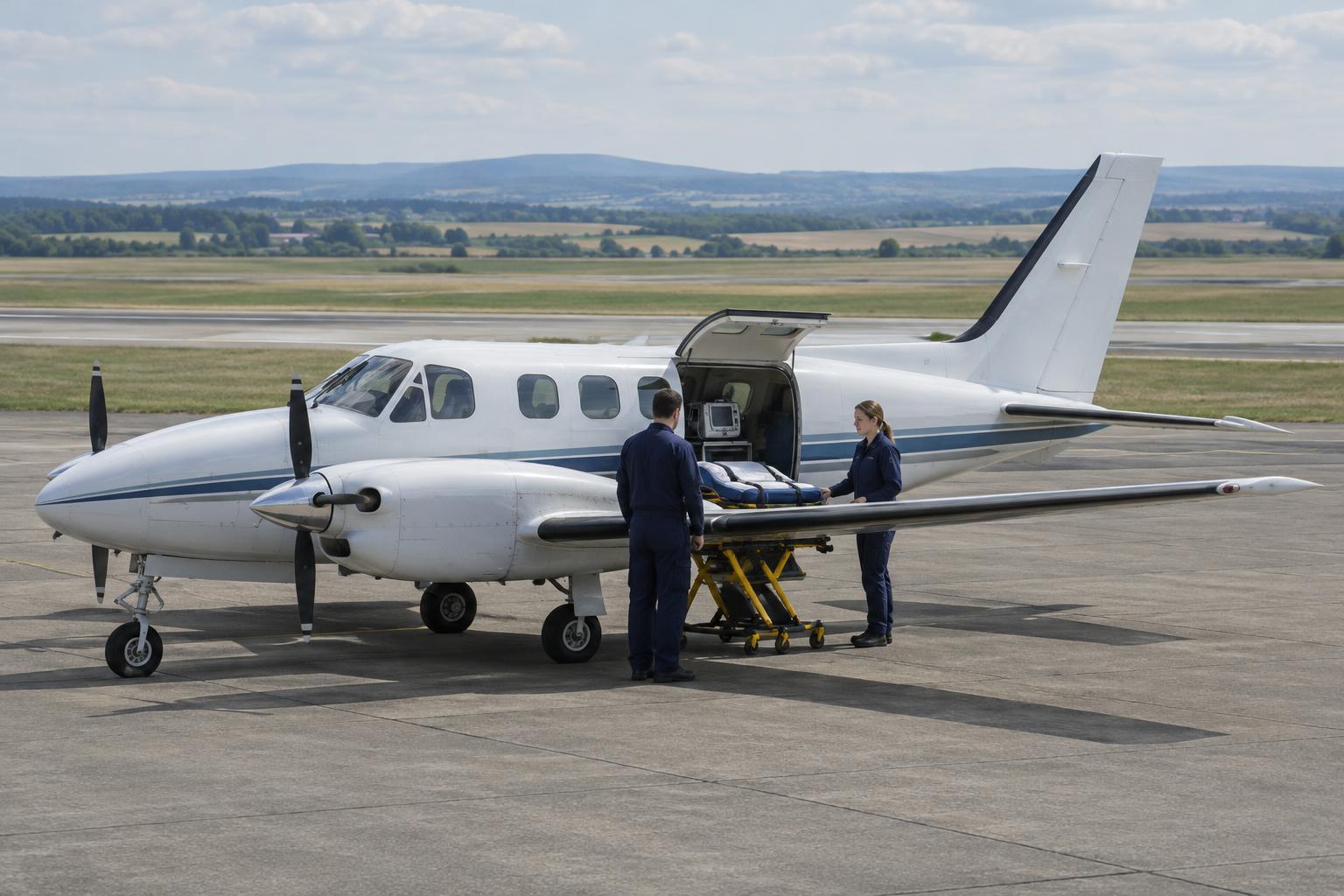
Equipment inside the aircraft also shaped its role. Space for a stretcher, secure storage for gear and communication between crew members can make an evacuation more practical. At the same time, every added person or piece of equipment affects what an aircraft can carry, particularly in demanding mountain conditions. The history of helicopter rescue is therefore not just a story of stronger machines. It is also a story of deciding which tools fit the aircraft, the terrain and the task.
Rescue became a more coordinated effort
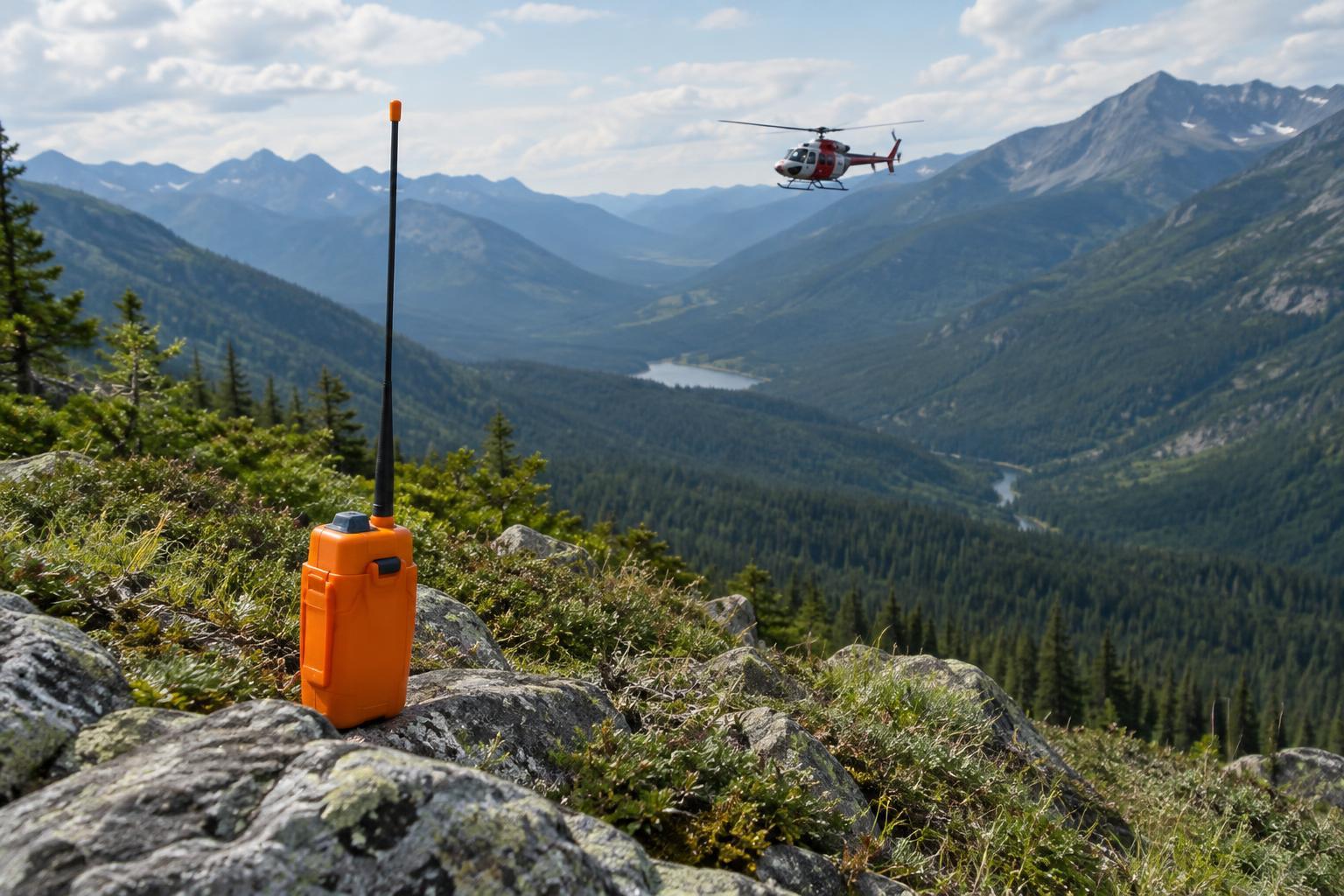
Helicopters introduced a moving link among searchers, ground rescuers, dispatchers and receiving teams. An aircraft might help locate a person, pass observations to teams below, reposition equipment and later support an evacuation. For that sequence to work, everyone needs a shared understanding of the location, the immediate hazards and what the aircraft is being asked to do.
Clear roles matter because the view from the cockpit differs from the view on the slope. Ground teams may spot obstacles that are difficult to see from above; pilots and aircraft crew must judge whether a proposed maneuver is workable from the air. Brief, precise communication helps both sides adapt when a landing site proves unsuitable or conditions change. As helicopters took on more tasks, coordination became as important to a successful operation as the aircraft itself.
A lasting change with clear limits
The lasting contribution of helicopters is flexibility. They can shorten some searches, bring skilled people closer to an incident and reduce the distance an injured person must be carried over rough ground. Those possibilities have influenced how many mountain rescue teams prepare equipment, organize staging areas and think through evacuation routes.
A sound plan still treats air support as conditional. Mechanical readiness, daylight or visibility, weather, terrain and crew capacity can all shape what is possible on a given mission. In some circumstances, walking in and carrying out remains the safer or only workable choice. Helicopters changed mountain search and rescue not by replacing traditional methods, but by adding another powerful option to a coordinated response.