The first step: using the aircraft at hand
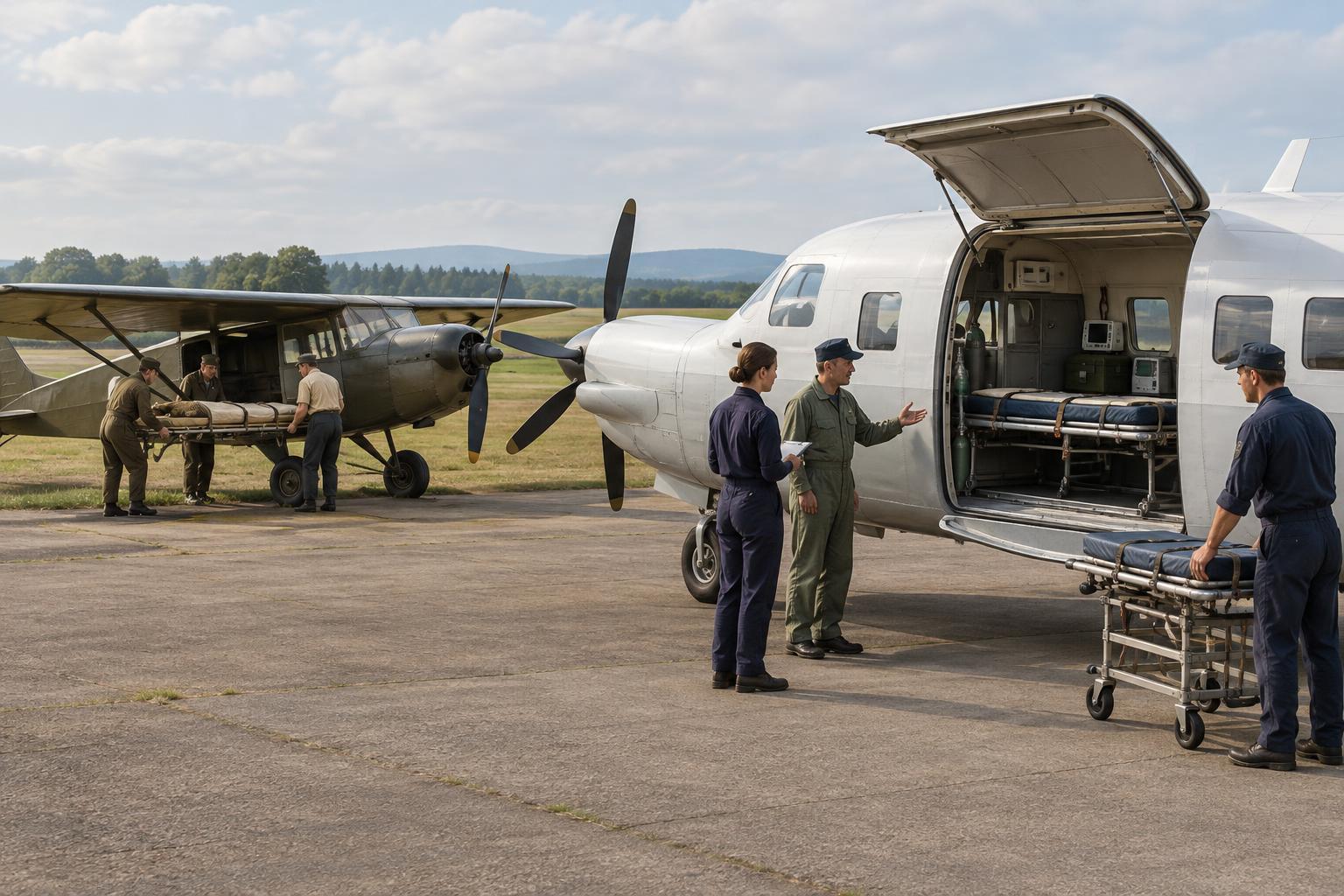
The history of air ambulances begins with a practical idea: an aircraft might carry a patient across terrain that would take much longer to cross by road. Early evacuation flights generally used aircraft built for other purposes. Making space for a stretcher, securing it and finding a way to load it could be more challenging than the flight itself. The aircraft offered a new transport option, but its cabin had not been designed around a patient or a care team.
Those early flights did not follow a single pattern. Military needs, remote communities and the aircraft available in each place shaped how evacuation developed. An adapted aircraft could be useful where ground travel was difficult, yet it imposed limits: narrow entrances, cramped working space, noise and exposure to vibration could make patient care and communication harder. The experience revealed a distinction that still matters today: being able to carry a patient is not the same as being well suited to the task.
Wartime evacuation and the value of a workable cabin
Large wartime transport efforts helped demonstrate what aircraft could contribute to evacuation. Depending on the mission, patients might travel in transports carrying multiple stretchers, with personnel assigned to monitor them in flight. These operations brought attention to matters beyond distance and speed, including loading methods, restraint, access to patients and the handoff between ground and air crews.
Wartime experience did not produce one universal air-ambulance design. Aircraft still varied widely in size, capability and purpose. It did, however, make a recurring design problem easier to see: a cabin arranged for cargo or ordinary passengers may leave too little room to secure equipment and reach a patient. A more suitable arrangement treats the stretcher, crew positions and necessary supplies as parts of the aircraft’s working layout rather than items fitted into whatever space remains.
From conversion to purpose-built layout
As civilian air medical transport developed, operators continued to use converted aircraft. Conversion made it possible to use an existing airframe, but the quality of the result depended on the aircraft’s doors, cabin shape, payload capacity and other features. Some conversions allowed useful stretcher access and equipment placement; others demanded compromises. The word “adapted” therefore covers a range of arrangements, not a single stage of progress.
Dedicated air ambulances and medical interiors approached the problem from the opposite direction. Designers could plan for loading a patient, positioning a stretcher securely and giving crew members a place to work. They could also consider where equipment would be mounted, how it would be powered and whether it would remain reachable during flight. Even in an aircraft assigned primarily to medical transport, these choices have to coexist with aviation requirements such as weight limits, balance and safe movement through the cabin.
Different aircraft for different journeys
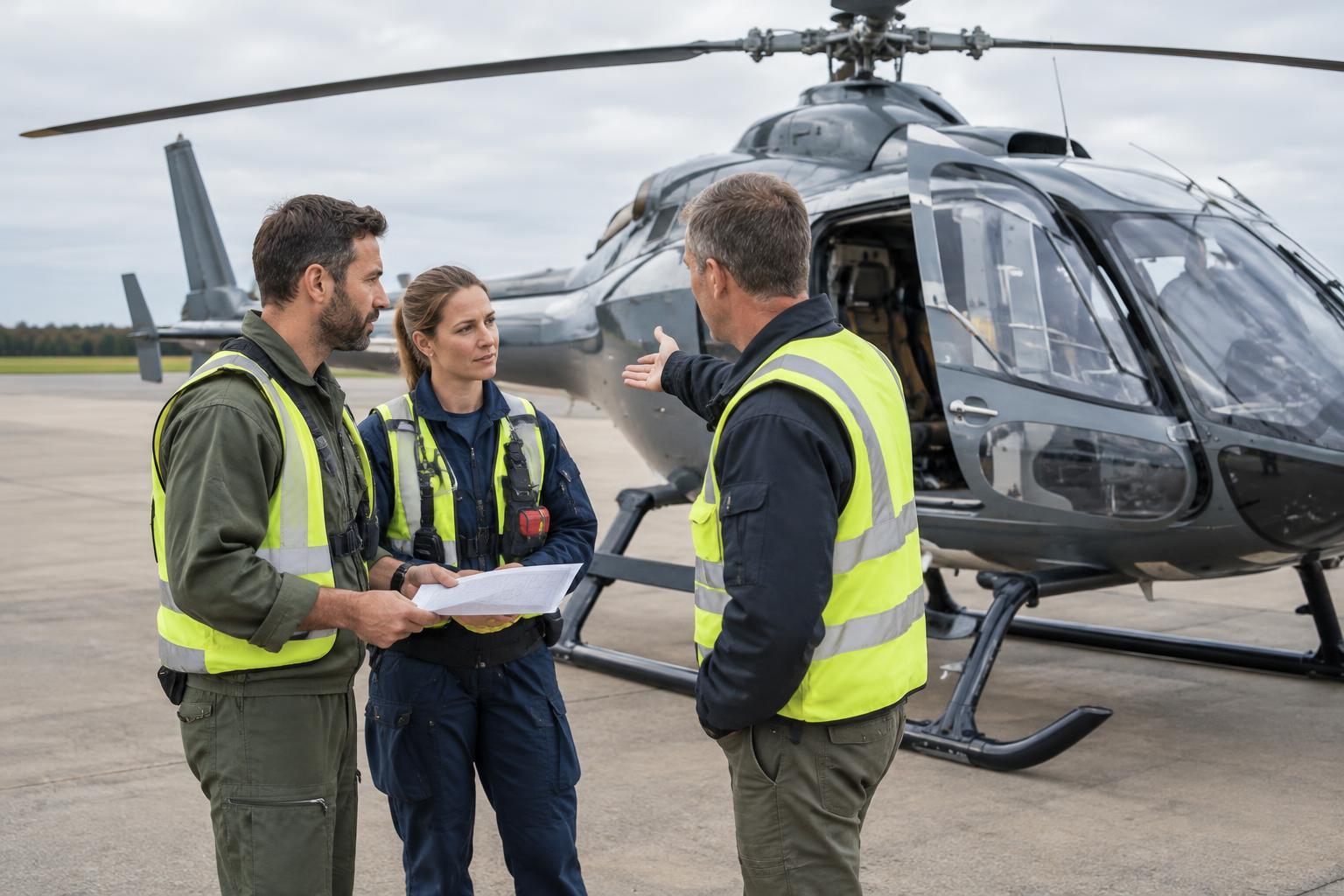
The rise of dedicated equipment did not make one kind of aircraft suitable for every journey. Fixed-wing aircraft can cover long distances between airfields, while helicopters can serve locations where a nearby runway is unavailable and an appropriate landing area exists. Each choice brings constraints. A fixed-wing trip needs ground transport at one or both ends; a helicopter’s landing options depend on site conditions and operating limits. Weather, distance and the patient’s transport needs also affect planning.
History is therefore better understood as a widening set of options than as a simple replacement of old aircraft with new ones. Converted airplanes, aircraft fitted with dedicated medical interiors and helicopters have all played roles in connecting patients with care. The most appropriate arrangement depends on the route and the work that must be done during it, not solely on whether an aircraft was originally built for medical use.
The enduring lesson: transport is a coordinated system
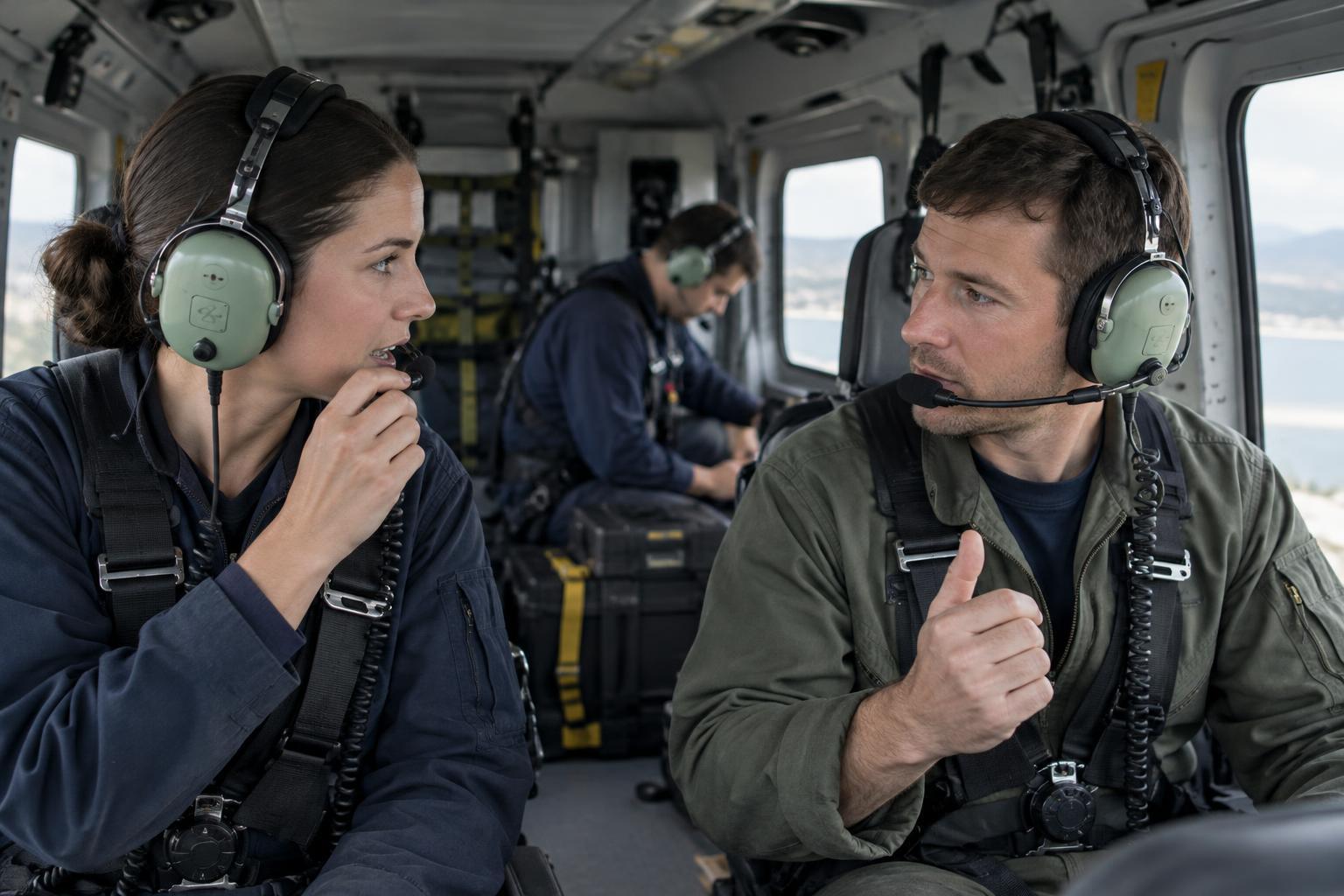
An air ambulance is only one part of a transfer. Someone must arrange the pickup, confirm where the aircraft can operate, prepare the patient for movement and coordinate the receiving end. Crews also need a shared understanding of the plan and a way to communicate changes. Improvements in aircraft cabins and equipment can make those tasks easier, but they cannot replace clear handoffs or sound logistical planning.
Looking back from adapted aircraft to dedicated air ambulances shows why design and coordination evolved together. Early flights established that air transport could overcome some geographic barriers. Later layouts made patient access, equipment security and crew work more deliberate. The lasting principle is straightforward: an effective medical flight depends not just on getting an aircraft airborne, but on making the entire journey workable from departure to arrival.