A shared idea, but two different missions
The history of rescue aviation is often told through dramatic flights. A broader view reveals two related paths: moving an individual patient to care, and moving people or supplies during a disaster. Both grew from the ability of aircraft to cross distance and terrain more directly than many surface routes. Yet they posed different problems for the people planning and carrying out each flight.
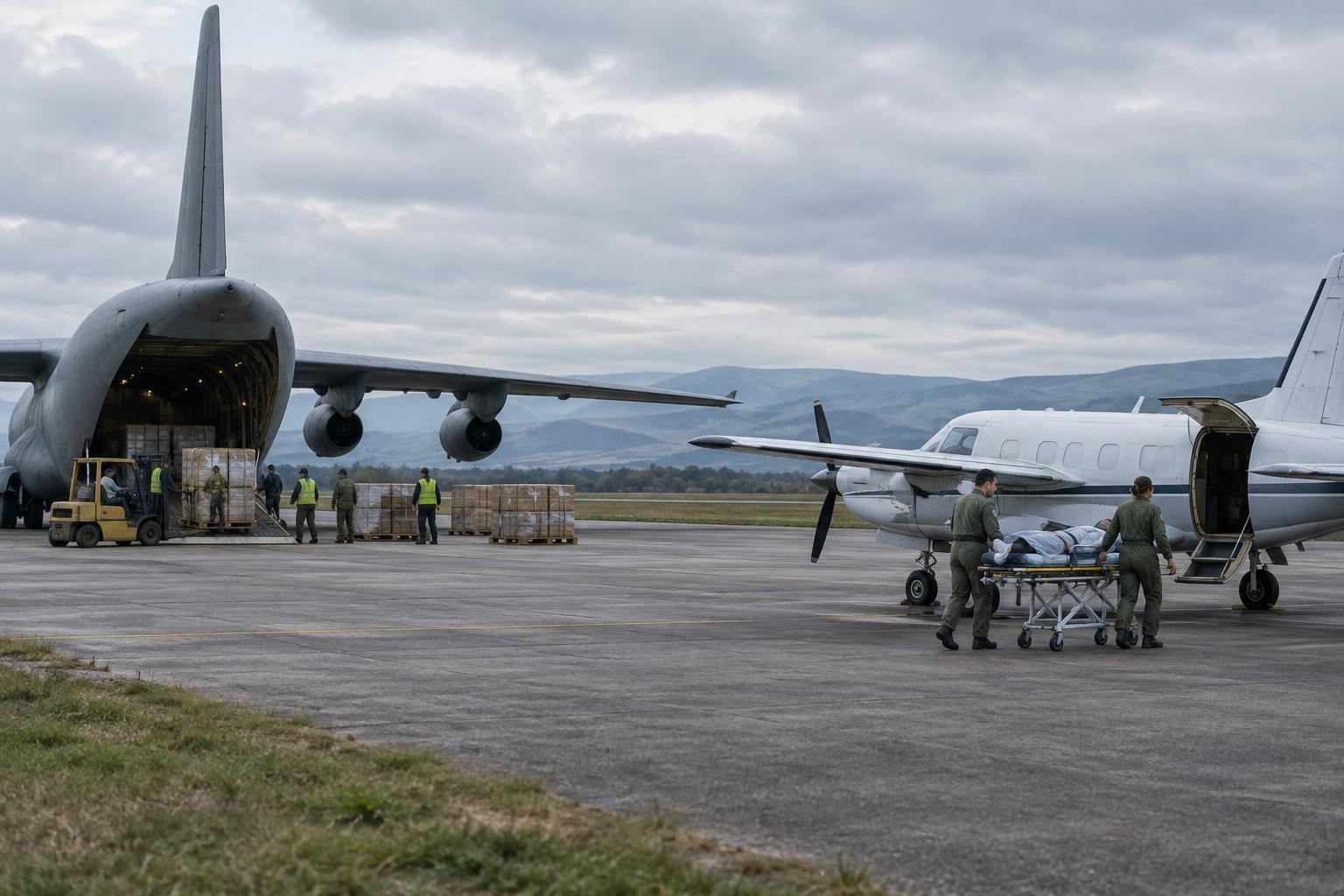
Individual medical evacuation centers on a patient whose condition, destination and transport needs can be considered before departure, even when time is limited. A disaster airlift operates across a wider area of need. It may bring in supplies or personnel, carry people out, or do both over a series of flights. Rather than serving one transport request, its organizers must decide how to use limited aircraft capacity among competing needs.
Early aircraft revealed both possibilities and limits
As aircraft became more capable, they offered an appealing alternative to long journeys over difficult ground. Military experience helped demonstrate the value of moving injured people away from remote or disrupted locations. Civilian operators also found uses for aircraft where communities were widely separated or roads were unreliable. These experiences did not produce a single model of rescue aviation; they exposed different needs that aircraft might meet.
Early patient transport depended on practical details as much as flying ability. Someone had to determine whether a patient could be moved, make room aboard, arrange help at both ends and identify a suitable place to land. Large-scale relief added another layer: an aircraft carrying food, equipment or evacuees needed an organized destination and a way to transfer its load after landing. A flight could save travel time, but it could not replace the ground arrangements around it.
Aircraft and equipment followed the mission
Improvements in aircraft range, carrying capacity and reliability widened the options for both kinds of operation. Fixed-wing aircraft could connect established airfields across substantial distances, making them useful for moving patients or relief supplies between hubs. Helicopters later offered a different advantage: they could reach some places without a runway. That flexibility proved valuable for reaching isolated people, though landing space, weather, payload and other operating limits still mattered.
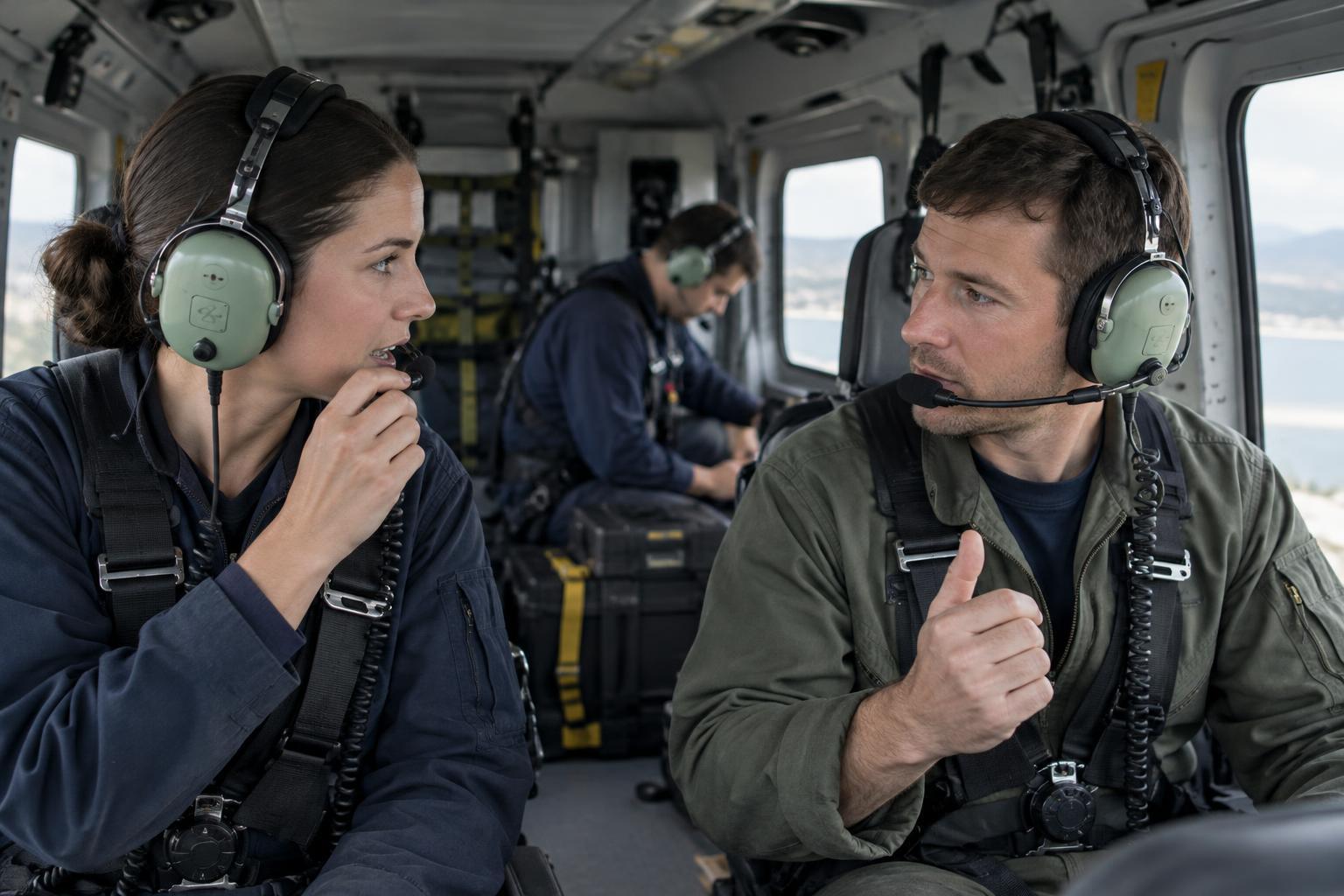
The cabin itself also became part of the mission. A patient transport calls for secure positioning, access to the patient and room for the people and equipment accompanying them. A disaster airlift may need space that can be used for varied cargo or groups of passengers on different legs. These demands can overlap, but they are not interchangeable. Loading supplies efficiently does not answer every question about carrying a patient, and a cabin arranged around one patient may not be the best use of capacity during a mass evacuation.
Coordination became as important as flight
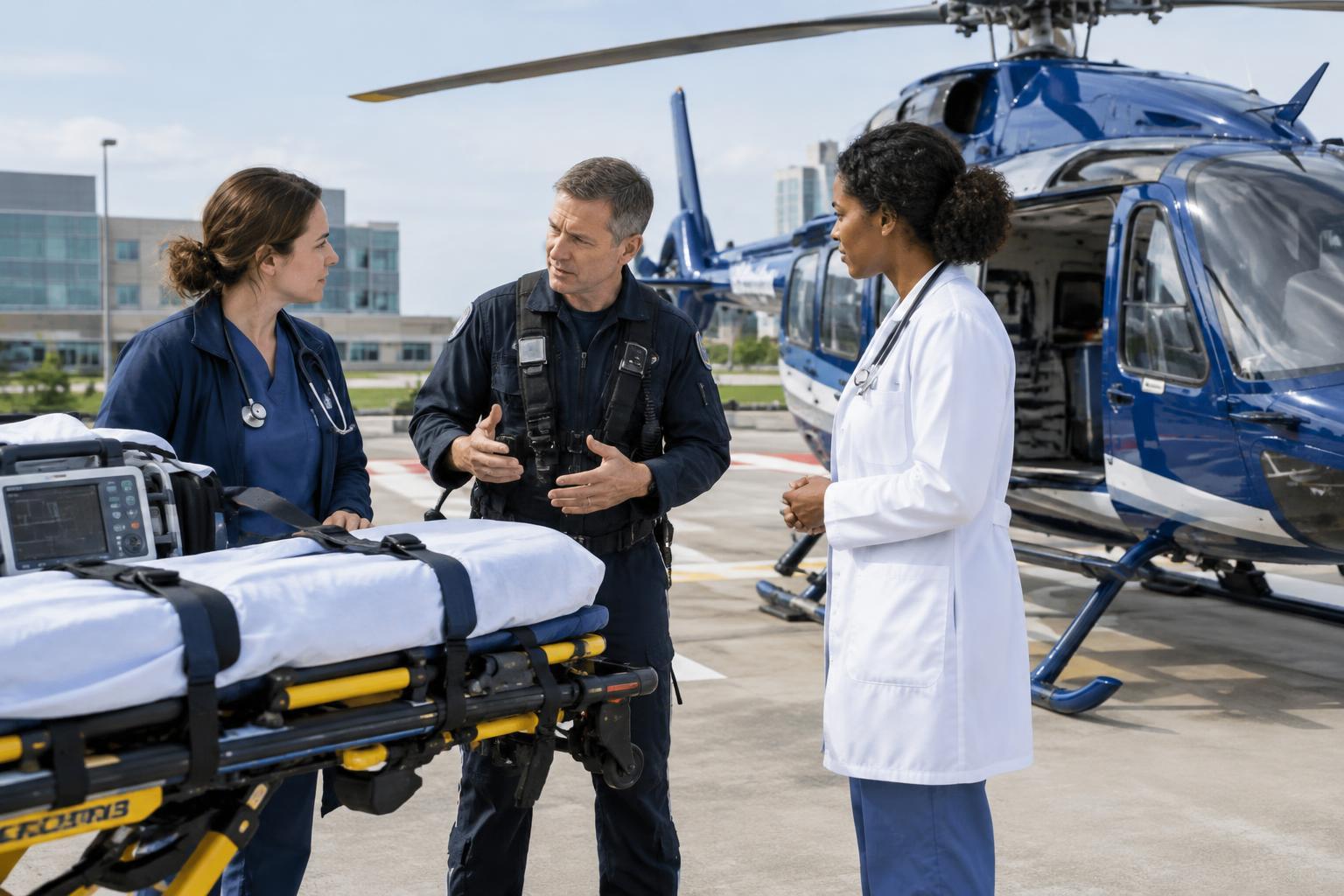
Individual medical evacuation developed around a chain of handoffs: from the people requesting transport to the flight crew, and from the crew to those receiving the patient. Clear information about the pickup point, destination and transport needs helps each group prepare. The flight is only one link in that chain.
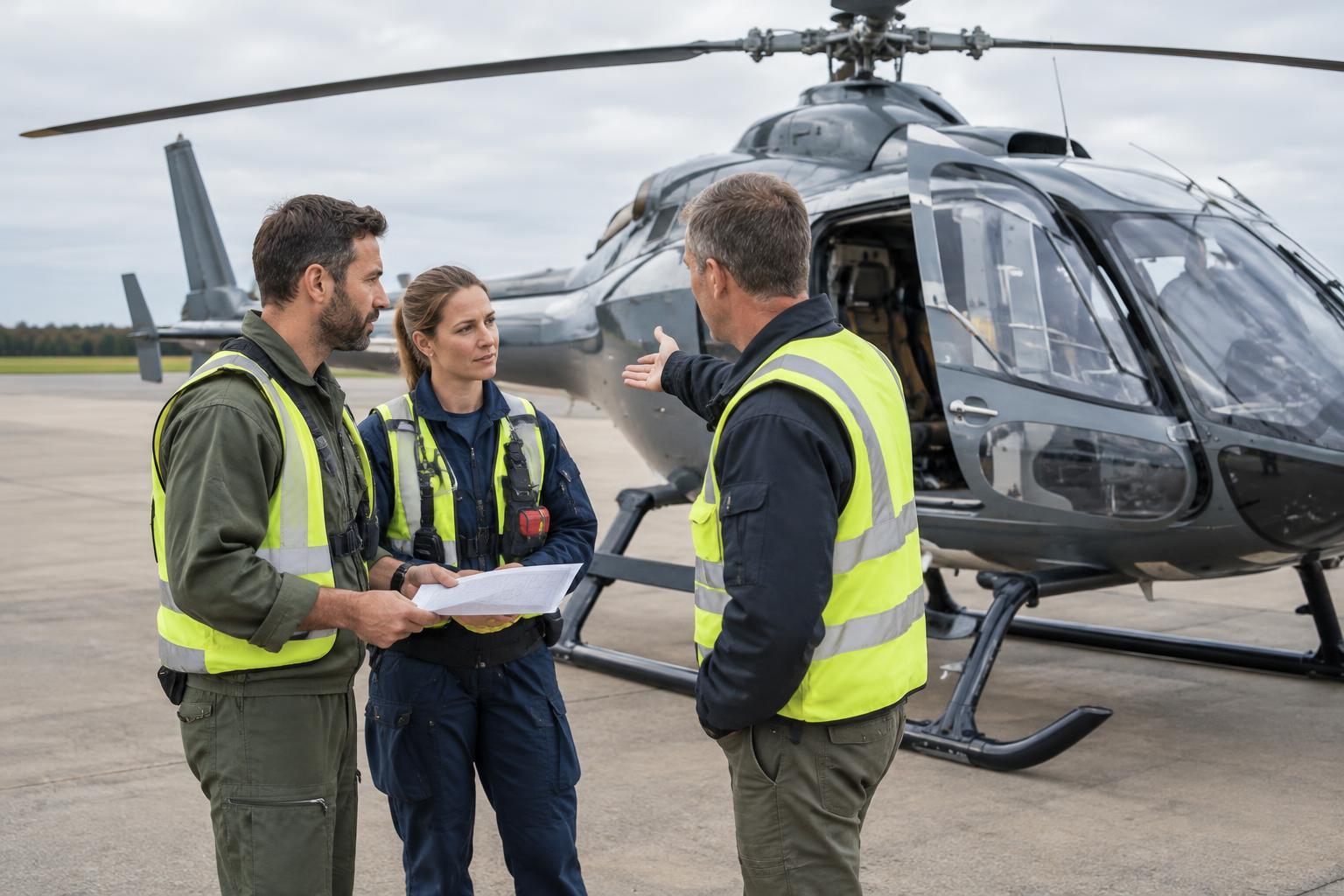
Disaster airlifts require a broader network. Conditions and priorities can change while flights are under way, and several organizations may be working at once. Coordinators need to know what is needed, where aircraft can operate, what can be loaded and who will receive it. They also need to avoid sending more people or supplies to a location than it can safely handle. As rescue aviation developed, communication and planning therefore became central capabilities, not merely support tasks.
What the parallel histories show
Medical evacuation and disaster airlifts share aircraft, skills and a purpose: reducing the barriers that distance creates. Their histories nevertheless show why rescue aviation cannot be defined by the aircraft alone. An individual transfer is shaped by the needs of a particular patient and the continuity of that person’s journey. A disaster airlift is shaped by changing demand across a community and the capacity of an entire transport network.
The lasting lesson is that reaching a place is not the same as completing a response. A useful flight needs a clear purpose, a workable landing or transfer point, people ready to act on arrival and a plan for what happens next. Those requirements helped both forms of aviation develop from promising uses of aircraft into coordinated ways of moving help.