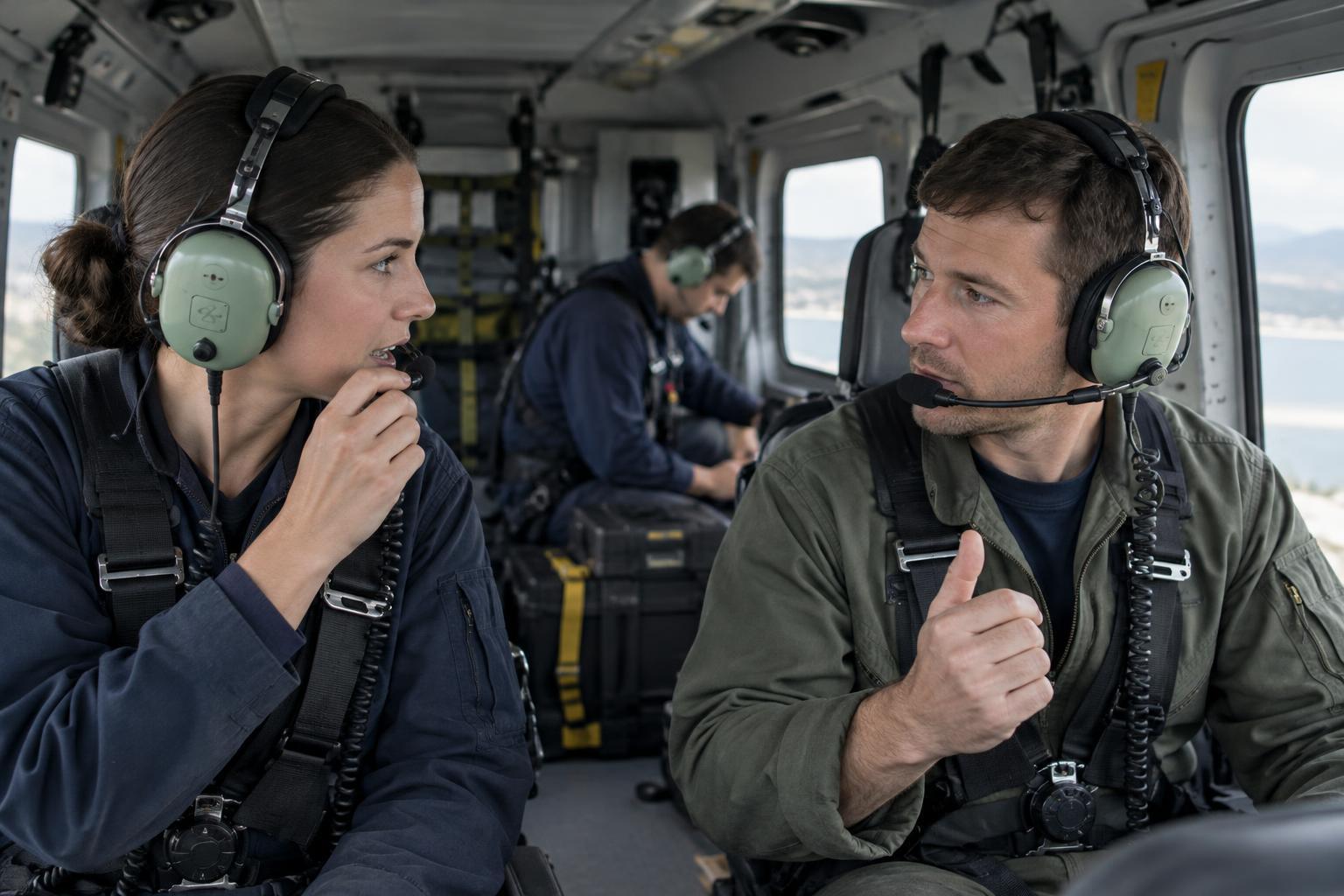
From aircraft regulation to medical transport
Civilian oversight of air ambulances began with a basic distinction: an aircraft carrying a patient was still an aircraft. Long before dedicated air medical programs became common, federal authorities were developing rules for pilot qualifications, aircraft airworthiness and commercial flying. Those aviation requirements applied to medical transport even when no rule had been written specifically for an air ambulance.
The growth of civilian emergency medical services changed the questions regulators and operators needed to answer. Transport was no longer only a matter of getting a patient from one place to another. Planners also had to consider how a flight would be requested, whether a landing site was suitable, what equipment could be carried and how care would continue during transfer. These questions crossed the boundary between aviation safety and patient care, which are overseen through different systems.
Federal aviation rules provided the flight-safety foundation
The Federal Aviation Administration, established in the late 1950s, became the principal federal regulator of civilian flight safety. Its responsibilities include aircraft certification, airman qualifications and rules for conducting flights. The rules applicable to a particular air ambulance flight depend on how that flight is operated. Many commercial, on-demand air ambulance operations fall under the requirements of Part 135 of the Federal Aviation Regulations; it would be misleading, however, to assume that every flight involving a patient is governed by the same operating rule.
As air medical flying expanded, regulators paid closer attention to hazards that could arise when a flight felt urgent. Poor weather, unfamiliar landing sites, night operations and pressure to accept a mission can affect aviation decisions regardless of the patient’s needs. Oversight increasingly addressed not just the aircraft and pilot, but also operational practices such as flight planning, dispatch information, training and decisions about whether a flight should proceed.
State EMS systems addressed the care side
Federal aviation rules do not, by themselves, determine how medical care is delivered. State and local emergency medical services systems developed their own roles in licensing, clinical standards, personnel qualifications and coordination with hospitals or ground responders. The details differ by jurisdiction and by the type of service. An air ambulance operator may therefore need to satisfy both aviation requirements and medical-service requirements, without either set replacing the other.
This division of responsibility matters in everyday operations. A pilot evaluates whether a flight can be made safely under aviation rules and conditions. Medical personnel assess the patient’s needs within their training and clinical protocols. Dispatchers, communications staff and receiving facilities help connect those decisions. Effective coordination depends on each participant sharing relevant information while respecting the others’ responsibilities.
Investigation and voluntary standards added other perspectives
Accident investigation has also shaped civilian oversight. The National Transportation Safety Board investigates aviation accidents and can issue safety recommendations. Its findings are distinct from FAA rules: an investigation may identify a problem and recommend a change, while regulators, operators or other organizations decide how to respond within their respective roles.
Voluntary accreditation programs offer another layer. They can assess an air medical program against standards covering areas such as organizational practices, training and patient care. Accreditation can encourage consistency, but it is not a substitute for required government approvals or licenses. Likewise, payment rules and insurance arrangements may influence how services are organized without serving as aircraft-safety certifications.
A layered system rather than a single authority
The history of civilian air ambulance oversight is best understood as a set of systems growing together. General aviation regulation established the conditions for safe flight. Expanding EMS networks brought more formal attention to the care delivered before, during and after transport. Experience from operations and accident investigations prompted closer examination of air-medical-specific risks.
Today, asking whether an air ambulance operation is “regulated” has no single-answer checklist. The useful follow-up questions are which authority governs the flight, which jurisdiction oversees the medical service and how the organizations involved coordinate their decisions. That layered approach reflects the central challenge that shaped oversight from the start: protecting flight safety while moving patients within a wider emergency-care system.