The first advantage was a view from above
Before aircraft became part of maritime rescue, a vessel in trouble could be difficult to locate even when help was nearby. Distance, poor visibility and uncertain reports could turn a search into a long sweep of open water. Early aviators showed that flight offered a different perspective: an aircraft could scan a broad area, spot a vessel or group of survivors, and pass its position to rescuers on the surface.
Seaplanes and flying boats were a natural fit for this work because they could take off from and land on water under suitable conditions. Their ability to alight near a casualty suggested that an aircraft might do more than observe. But water landings were never a universal answer. Waves, wind, debris and the aircraft’s own handling limits could make an approach unsafe. From the beginning, maritime rescue aviation was as much about finding people and directing help as it was about picking them up.
Wartime searches brought coordination into focus
The world wars accelerated the use of aircraft over water. Crews needed ways to locate people from lost ships and downed aircraft, report what they saw, and connect survivors with ships or boats capable of recovery. Seaplanes remained useful, while other fixed-wing aircraft contributed range and the ability to search large areas. Aircraft could also carry survival supplies that might help people endure a wait for surface rescue.
This work depended on communication, not just flying skill. A sighting had to be described clearly enough for another crew to act on it, and a search plan had to account for how wind and current might move survivors away from their last known position. Wartime experience helped establish a lasting principle: the aircraft overhead, the vessel on the water and the people coordinating them were parts of one rescue effort. No single platform could cover every distance, sea condition or recovery need.
Helicopters changed the final approach
As helicopters became more capable after the war, they offered a major change in what an aircraft could do at the scene. A helicopter could hover near survivors and, when properly equipped and conditions allowed, lower a rescue crew member or lifting device without landing. That made it possible to recover people from places where a seaplane could not safely touch down, including rough water or a vessel with no suitable landing area.
Hovering did not make rescue simple. The crew had to manage position relative to wind, waves, obstacles and the movement of a vessel or person below. The pilot, hoist operator and rescue crew member needed a shared understanding of each step, especially when the person being lifted could not communicate easily. A helicopter also faced limits in fuel, range, weather and the number of people it could carry. Its greatest contribution was a new recovery option, not a replacement for every other rescue asset.
Fixed-wing aircraft and surface crews kept their roles
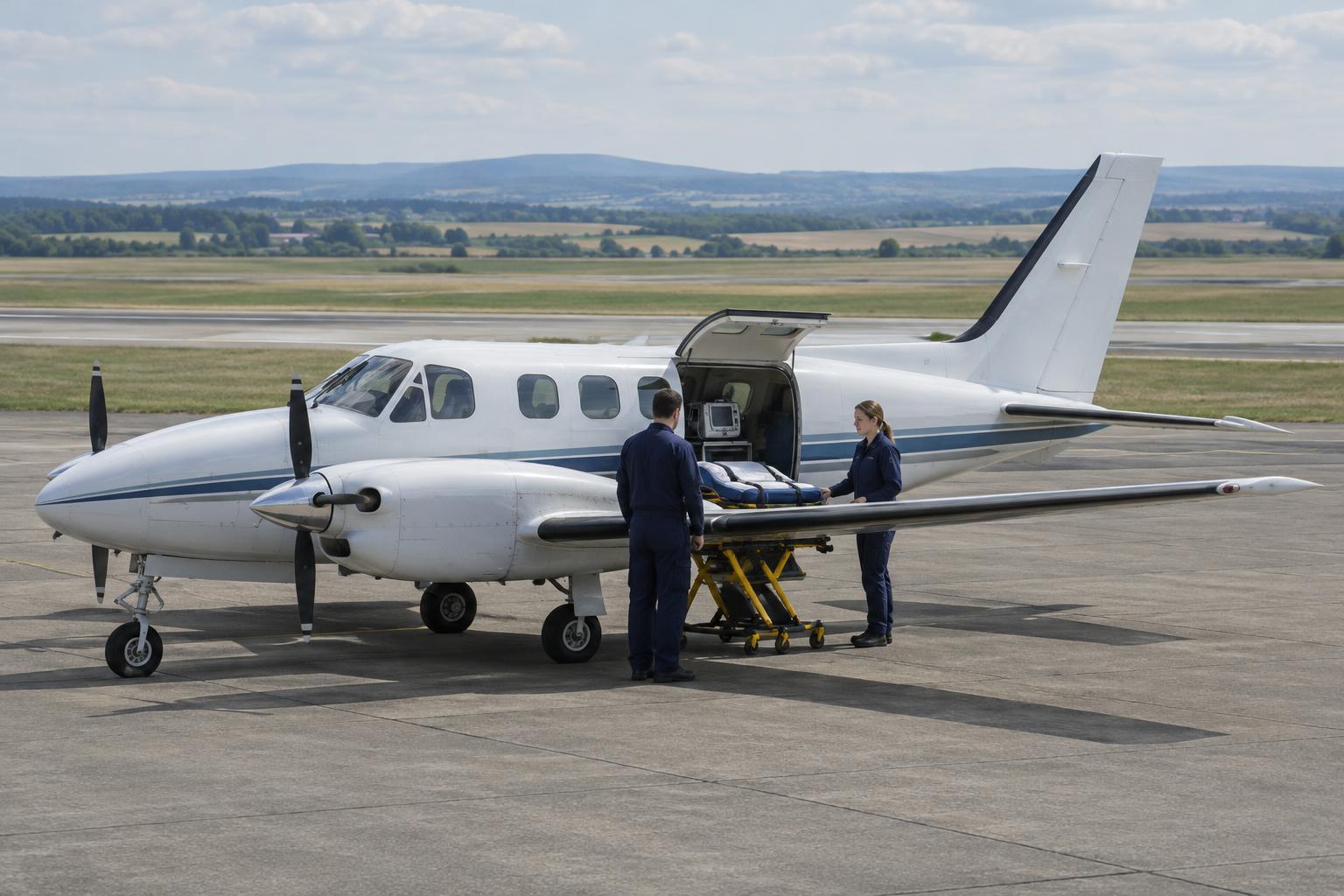
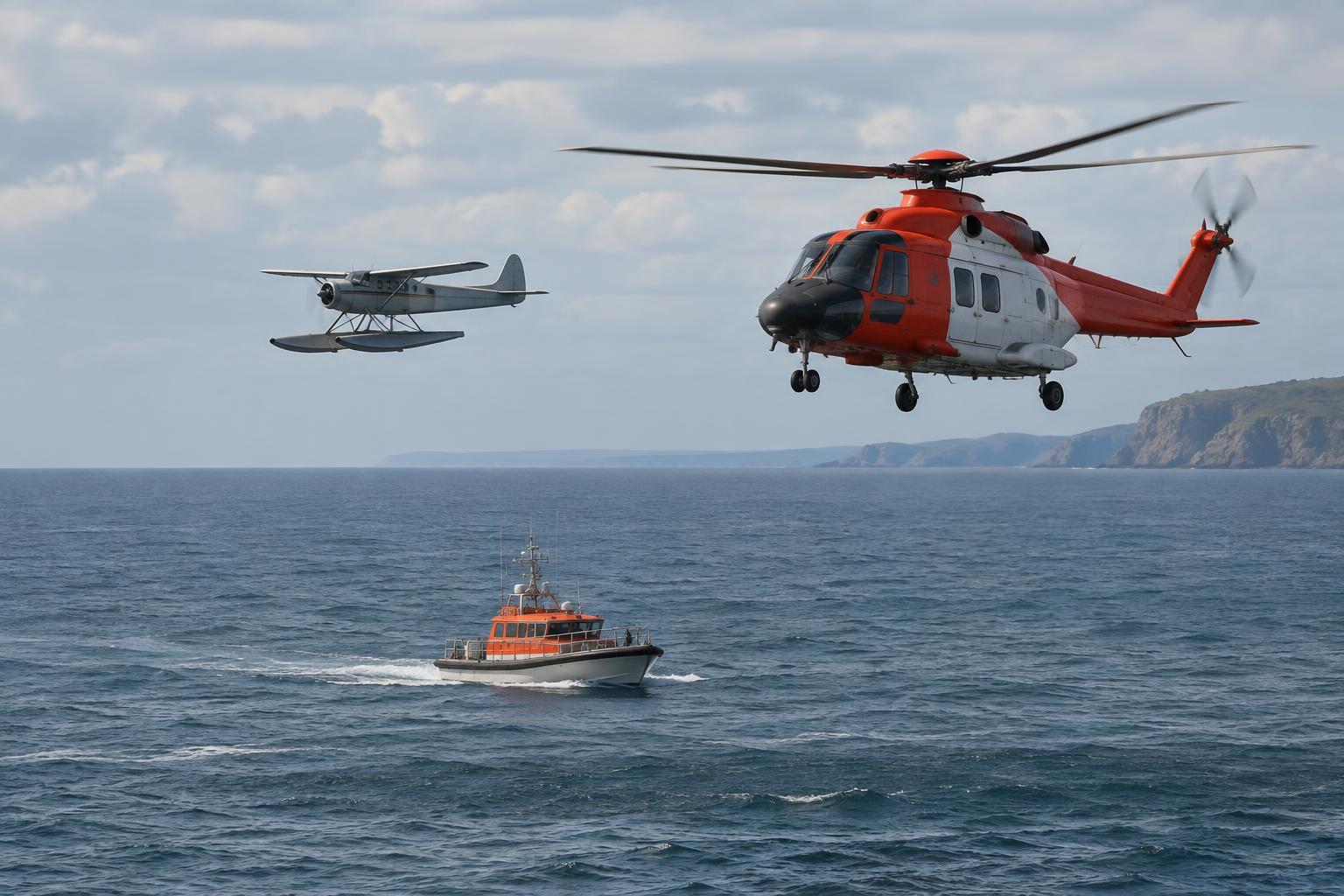
The rise of the helicopter did not end the value of fixed-wing aircraft. Depending on the aircraft and conditions, a plane may be better suited to searching a wide area or reaching a distant search zone. It can help narrow the location of a casualty, relay information and guide a helicopter or vessel toward it. A helicopter may then handle a recovery that requires hovering, while a boat or ship may be better placed to take aboard several people.
Those choices illustrate why maritime rescue is a logistics problem as well as an aviation story. Searchers need to know where to look, how to share a reliable position and which asset can arrive with the right capabilities. They also need a plan for what happens after contact: whether survivors can be lifted, transferred to a vessel or brought to shore. Conditions can change while a search is under way, so effective coordination leaves room to revise the plan.
A history of complementary tools
The path from seaplanes to helicopters is often told as a succession of better machines. A more useful reading is that each aircraft expanded the set of possible responses. Seaplanes demonstrated the promise of aviation on the water; fixed-wing patrol aircraft extended the reach of observation and communication; helicopters made recovery from a hover possible in situations where landing was impractical.
Across those changes, the central challenge remained recognizable: find people, communicate their location and bring suitable help to them. Aircraft design matters, but so do practiced crews and a clear exchange of information between air and surface teams. Maritime rescue aviation developed not by making ships and boats obsolete, but by giving them—and the people waiting for them—a better chance to meet.