A chain of care, not a single flight
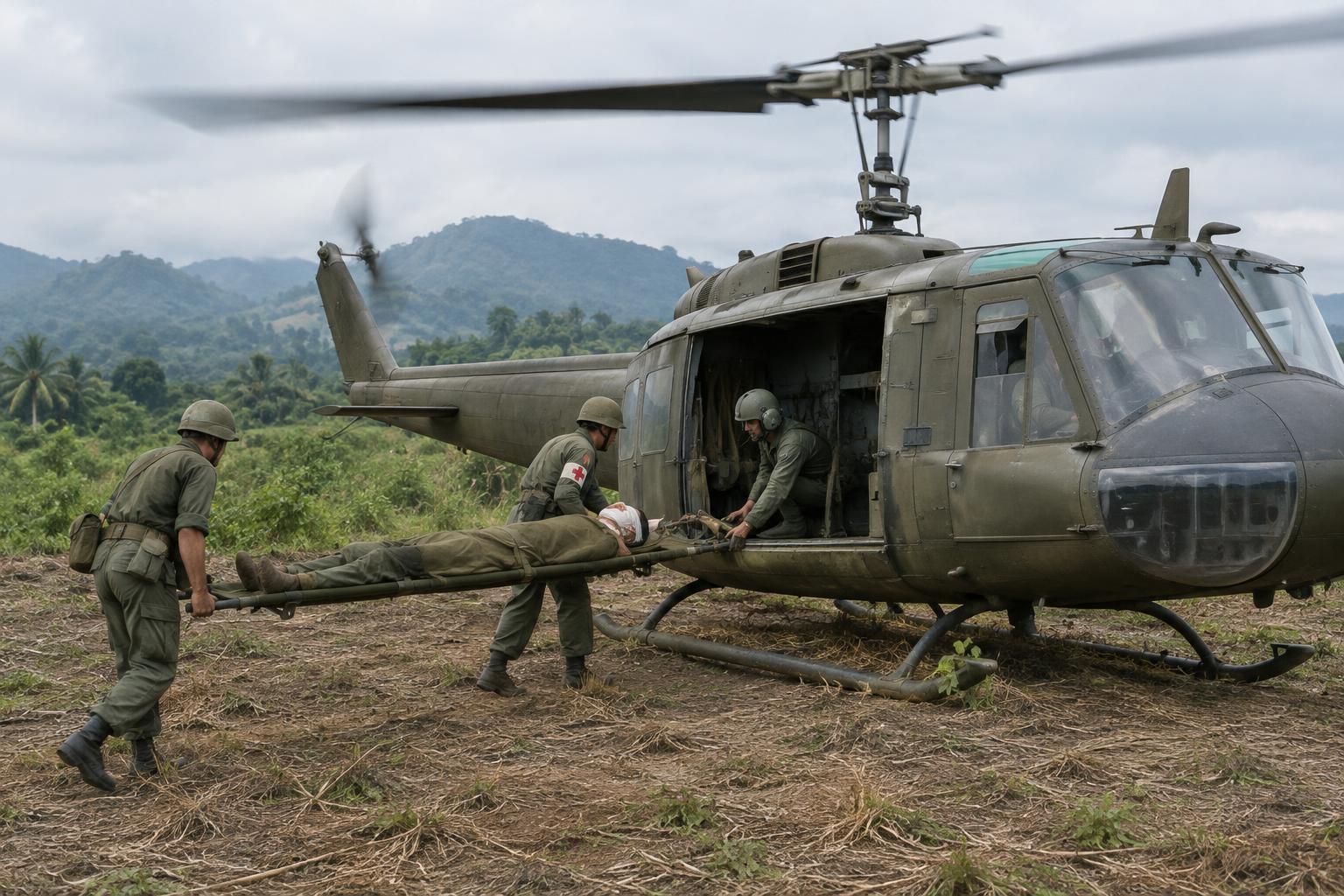
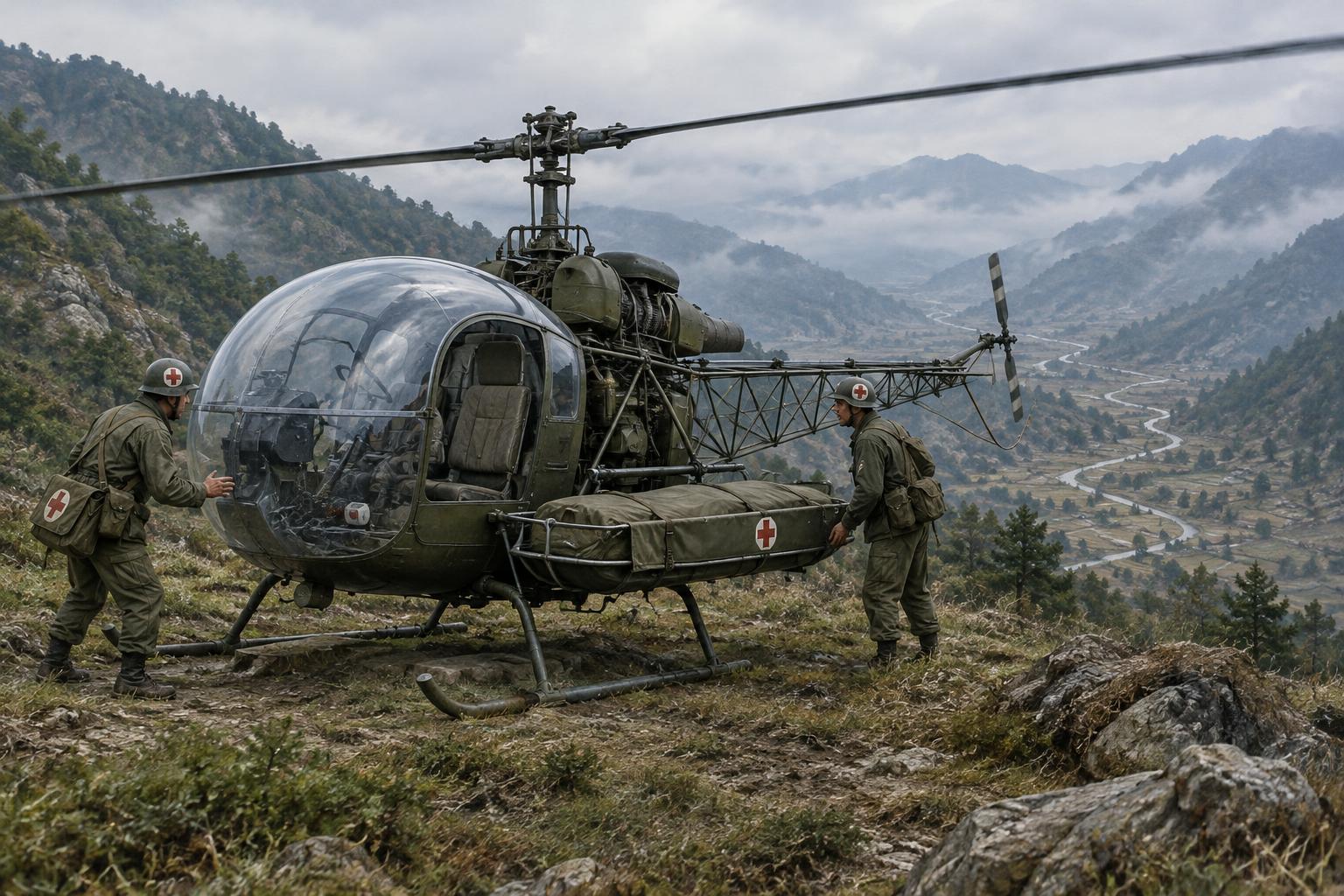
During World War II, aeromedical evacuation helped move wounded and ill service members away from combat areas toward facilities better equipped for longer-term treatment. It did not usually begin at the aircraft. Patients first received care near the front, then traveled through a series of medical and transport points. The exact arrangement depended on the military service, theater of operations, available airfields and condition of the patient.
This staged approach served two purposes. It brought patients to an appropriate level of care while freeing space and personnel closer to the fighting for new casualties. Aircraft could cover distances that would take much longer by road, rail or sea, but flying was only useful when the patient could reach an airfield and a receiving facility was ready at the other end.
Who decided when a patient could fly?
Medical personnel assessed patients before transport and considered both their need for further treatment and the risks of the journey. A patient might need stabilization before departure, while another could travel relatively soon after initial care. Those decisions were shaped by practical limits: available aircraft, weather, distance, cabin conditions and the capabilities of the destination hospital.
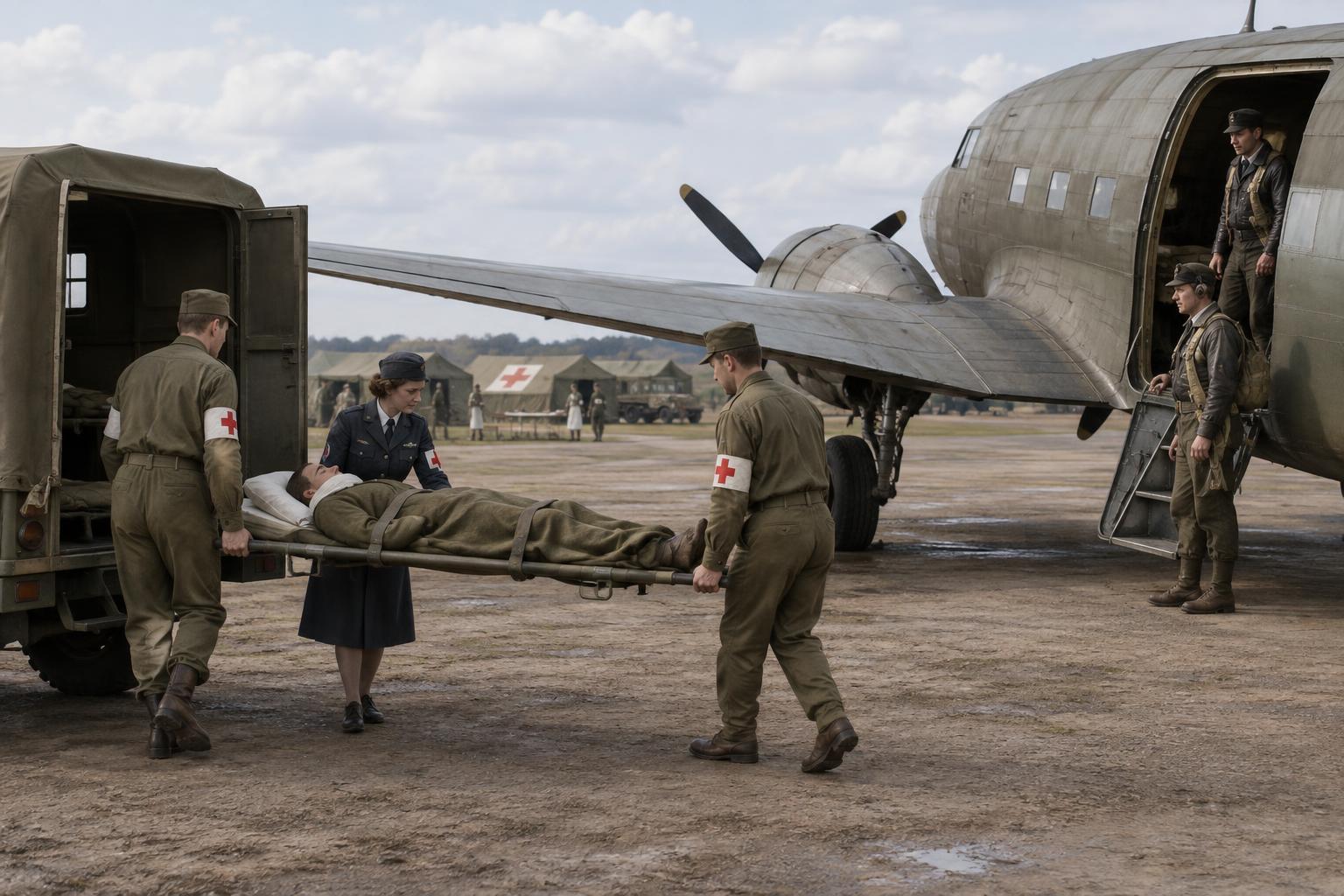
Ground coordination was equally important. Ambulances brought patients to departure airfields, where teams assembled flight loads and transferred care information. At the receiving airfield, another ground transport link carried patients onward. A delayed vehicle, an unsuitable landing field or a change in the number of available beds could disrupt the chain even if an aircraft was ready to depart.
Transport aircraft and the people aboard
Allied forces used transport aircraft, including the C-47, on many evacuation routes. Larger aircraft served some longer-distance routes as operations and infrastructure expanded. Cabin arrangements could accommodate patients on litters as well as those able to sit, but capacity varied with the aircraft, equipment and mission. Evacuation flights often depended on the wider air transport network rather than a fleet reserved solely for medical use.
Flight crews handled the aircraft and navigation; medical personnel attended to patients in flight. In the U.S. system, flight nurses became an important part of this work, serving alongside enlisted medical technicians. They monitored patients, managed available supplies and helped respond when a condition changed. In a transport cabin, care was constrained by space, noise, vibration and limited equipment.
Many aircraft used for evacuation were unpressurized. Altitude, temperature and weather therefore mattered to both patients and crews. Oxygen needs and a patient’s ability to tolerate flight had to be considered before departure. The clinical work aboard an aircraft was one part of a larger plan, not a substitute for treatment before takeoff or after landing.
Why routes varied by theater
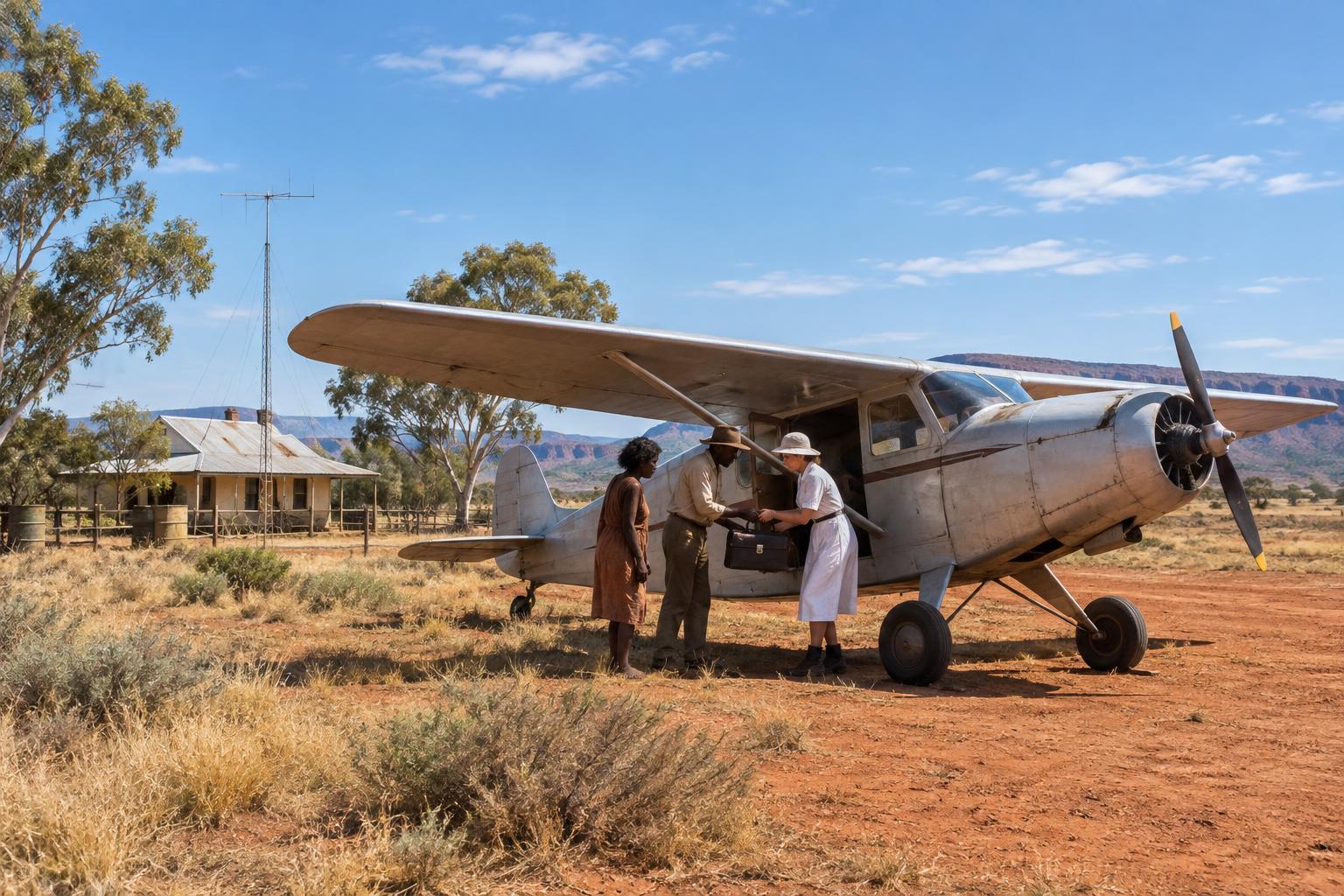
Evacuation routes reflected geography and the progress of military operations. In a region with established roads, airfields and hospitals, patients could move through a relatively orderly sequence of short and longer flights. Where distances were vast or airfields were scarce, aircraft had a different role, and some journeys still required substantial travel by ship or ground transport.
Commanders and transport planners also had to balance medical needs against other demands for aircraft. A plane might carry cargo or personnel on one leg and patients on another, where circumstances permitted. That flexibility made air evacuation valuable, but it also meant schedules could change. Weather, enemy activity, damaged facilities and competing missions all affected when a flight could operate.
The lasting organizational lesson
World War II showed that effective aeromedical evacuation required more than a suitable airplane. Medical assessment, patient preparation, loading procedures, communication between departure and receiving teams, and onward ground transport all had to fit together. Roles needed to be clear so that a patient’s care did not depend on a single crew improvising an entire journey.
The systems developed during the war differed among nations and theaters, and they changed as experience grew. Their common principle remains easy to recognize: an evacuation flight works best as one carefully coordinated link in a continuous chain of care.