From individual events to shared lessons
Rescue aviation often operates under demanding conditions: a call may be urgent, the destination unfamiliar and the weather changeable. After an accident, an investigation seeks to reconstruct the sequence of events using available evidence. That work can reveal not only an immediate hazard but also decisions and conditions that made the hazard harder to recognize or avoid.
Early explanations of aviation accidents sometimes placed heavy emphasis on the last action taken by a pilot. Modern safety thinking looks more broadly at factors such as training, aircraft design, procedures, communication and operational pressure. This wider view matters in rescue aviation because a flight involves more than a cockpit crew. Dispatchers, ground teams, maintenance personnel and organizational leaders can all affect the information and options available before and during a mission.
An investigation does not automatically change practice. Its lessons must be evaluated, translated into workable procedures and reinforced over time. Still, by showing how several small problems can combine, investigations have helped move safety discussions away from simple blame and toward preventing a similar chain of events.
Weather decisions and the pressure of an urgent mission
Weather is a recurring challenge in rescue aviation, particularly when a mission begins with limited time to plan or involves a landing site with few familiar reference points. Investigations can examine what forecasts and observations were available, how they were communicated, what the crew could see in flight and whether there were practical alternatives to continuing.
One lasting safety lesson is that urgency does not make poor flying conditions safer. Operators may address this by defining weather limits, establishing decision points and making it acceptable to delay, divert or decline a flight. These practices work best when crews know they will be supported for a conservative decision. A patient’s need for transport is important, but it cannot remove the physical limits of visibility, terrain clearance or aircraft performance.
Investigations may also reveal that information was incomplete rather than simply ignored. That distinction can lead to better preflight briefings, clearer updates from dispatch and more deliberate checks as conditions change. No single forecast or rule eliminates uncertainty; the aim is to give crews time and permission to respond when the situation differs from the plan.
Crew communication became a safety system
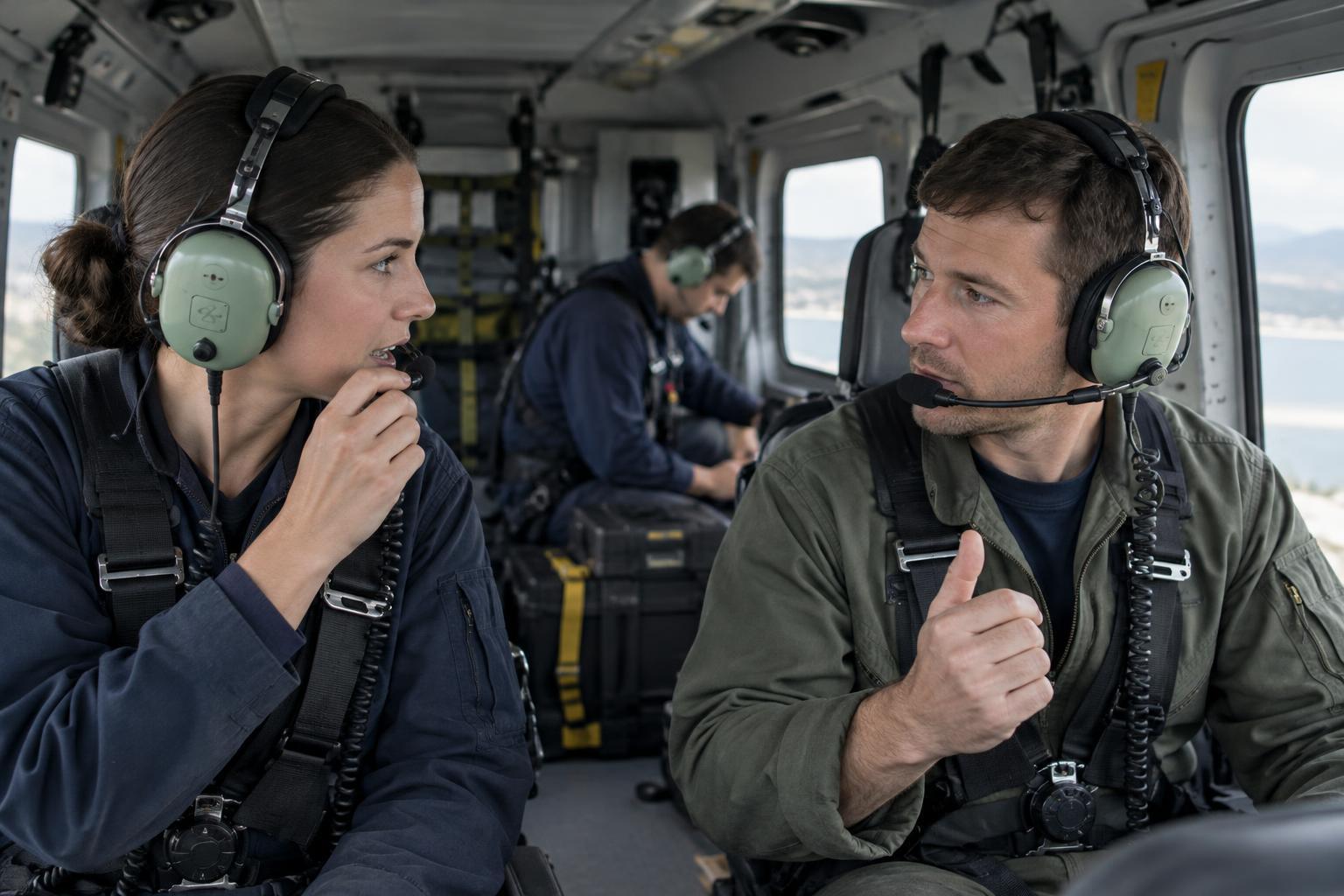
Accident analysis has helped establish that technical flying skill alone is not enough. A crew member might notice a hazard yet hesitate to speak, or two people might believe the other has completed a critical task. Clear briefings, defined responsibilities and direct language can reduce those gaps.
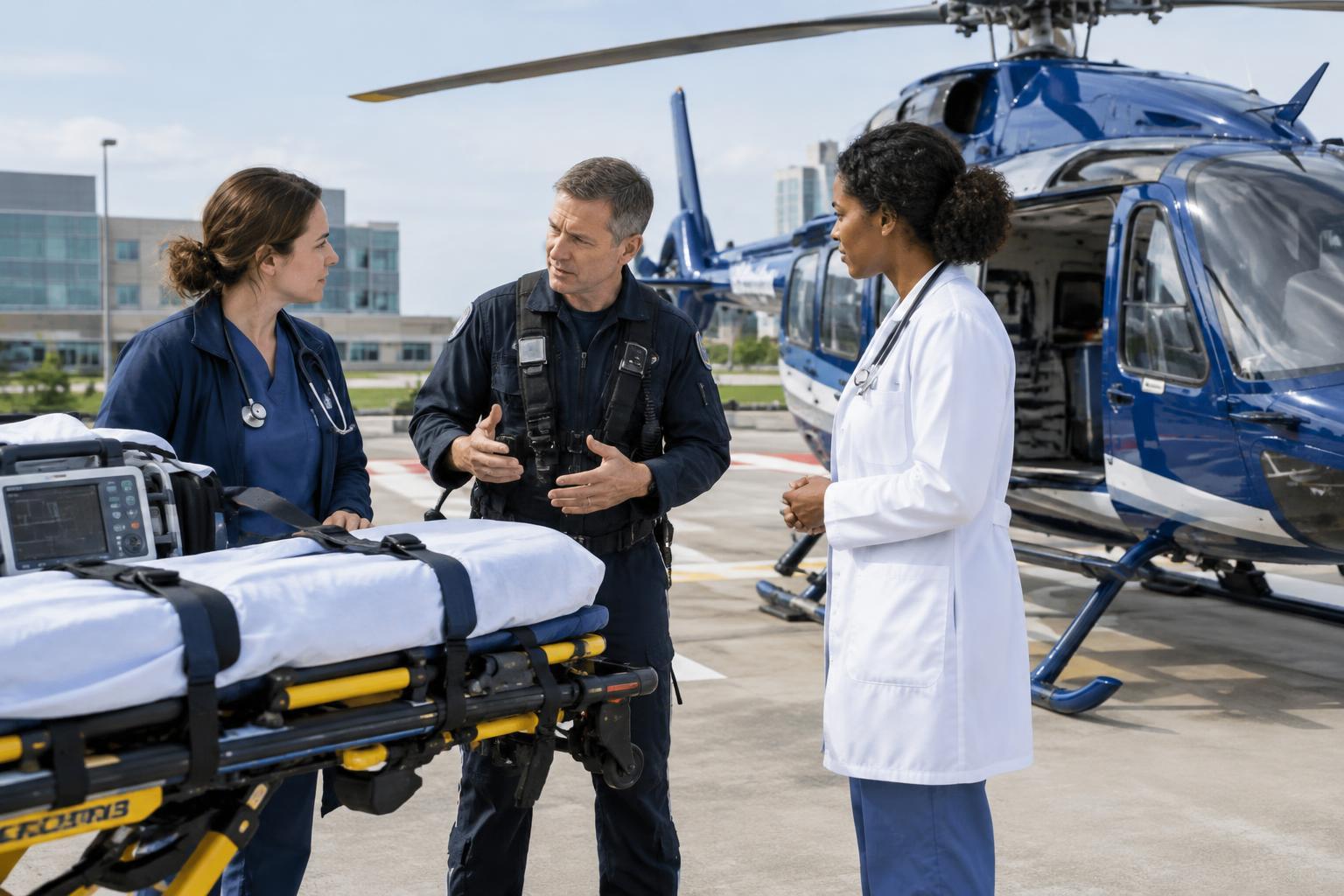
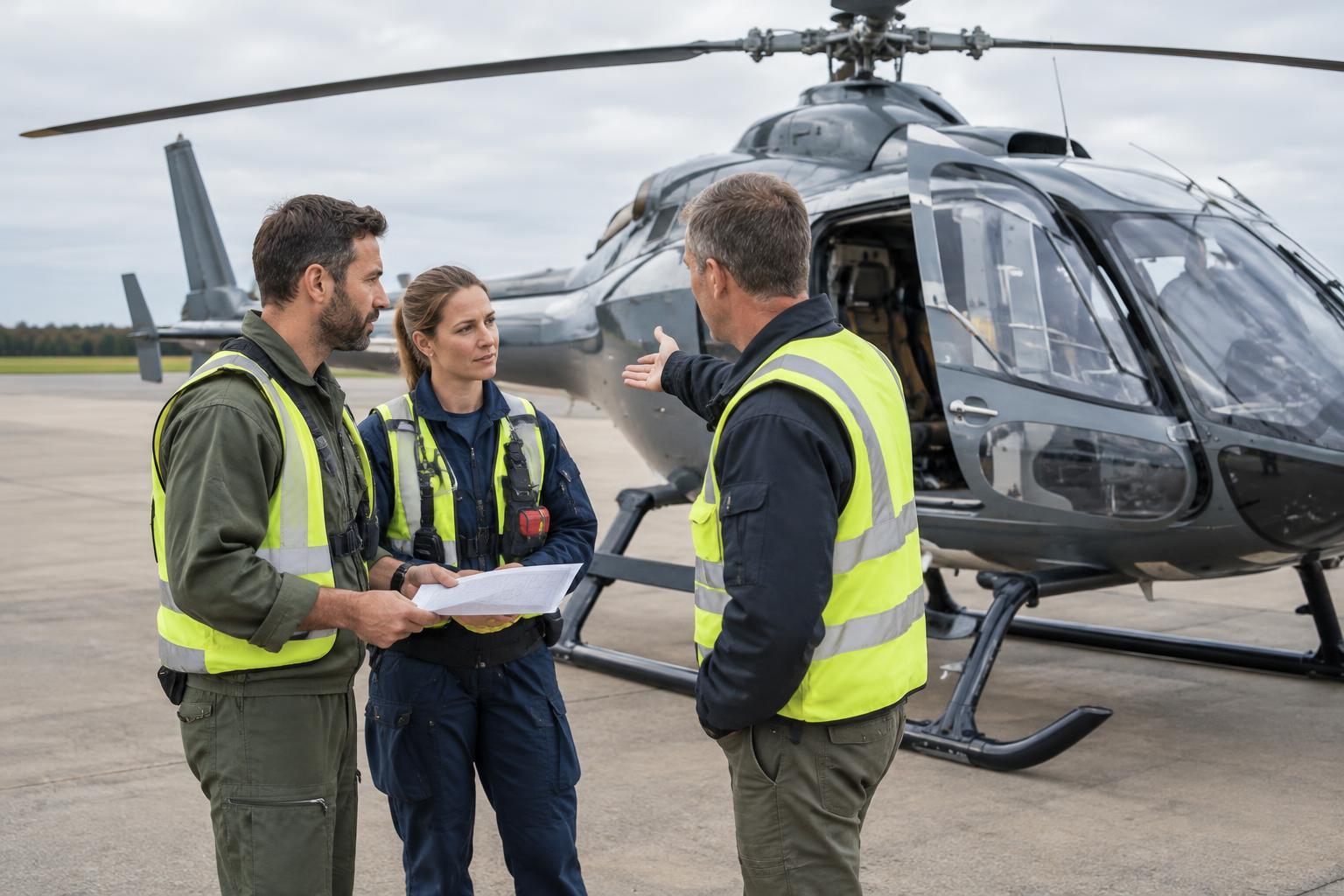
In rescue operations, coordination can extend beyond the pilots to medical crew members, dispatchers and people preparing a landing area. Each person sees a different part of the mission. A structured briefing can make it easier to share concerns about weather, obstacles, patient-loading needs or a change in destination. A useful practice is to invite concerns before a decision becomes difficult to reverse, rather than relying on someone to interrupt at the last moment.
Investigations have also encouraged attention to workload. When a crew is navigating, communicating, monitoring conditions and preparing to land, a minor misunderstanding can become consequential. Checklists and agreed callouts help by making essential information less dependent on memory, especially during an interruption or a rapidly changing approach.
Equipment improvements depend on how people use them
Investigations can uncover opportunities to improve aircraft equipment, from the visibility of controls to systems that help crews maintain awareness of terrain, obstacles or flight conditions. They can also show the limits of a device. An alert that arrives too late, is poorly understood or competes with other warnings may offer less protection than its presence on an equipment list suggests.
For that reason, equipment changes are most useful when paired with training and procedures. Crews need to understand what a system can detect, what it cannot detect and how to respond to its indications. Maintenance teams need clear ways to identify faults and communicate them. In this sense, the safety practice is not simply adding technology; it is fitting that technology into the way a mission is planned and flown.
Why the learning process continues
A published finding is a starting point, not a permanent solution. Operators can compare recommendations with their own aircraft, routes and mission types, then test whether a proposed change is practical. Training can revisit scenarios in which several manageable pressures accumulate: deteriorating weather, a delayed departure, an unfamiliar landing area and competing calls for attention.
Rescue aviation safety has developed through this cycle of examining events, changing practices and checking whether those changes work. The most valuable lesson from accident investigations may be a habit of asking better questions before the next flight: What information is missing? Who needs to speak up? What is the alternative if the plan no longer fits the conditions? Those questions support careful decisions without assuming that any procedure can remove every risk.