From individual experience to shared expectations
Early rescue flying often drew on skills that pilots and other crew members had developed in military, public-service or civilian aviation. They brought valuable experience, but there was not always a common way to prepare for the particular demands of a rescue mission. A pilot might be highly capable in ordinary flight yet have had limited practice coordinating with a search team, approaching an unfamiliar landing area or managing a time-sensitive transport.
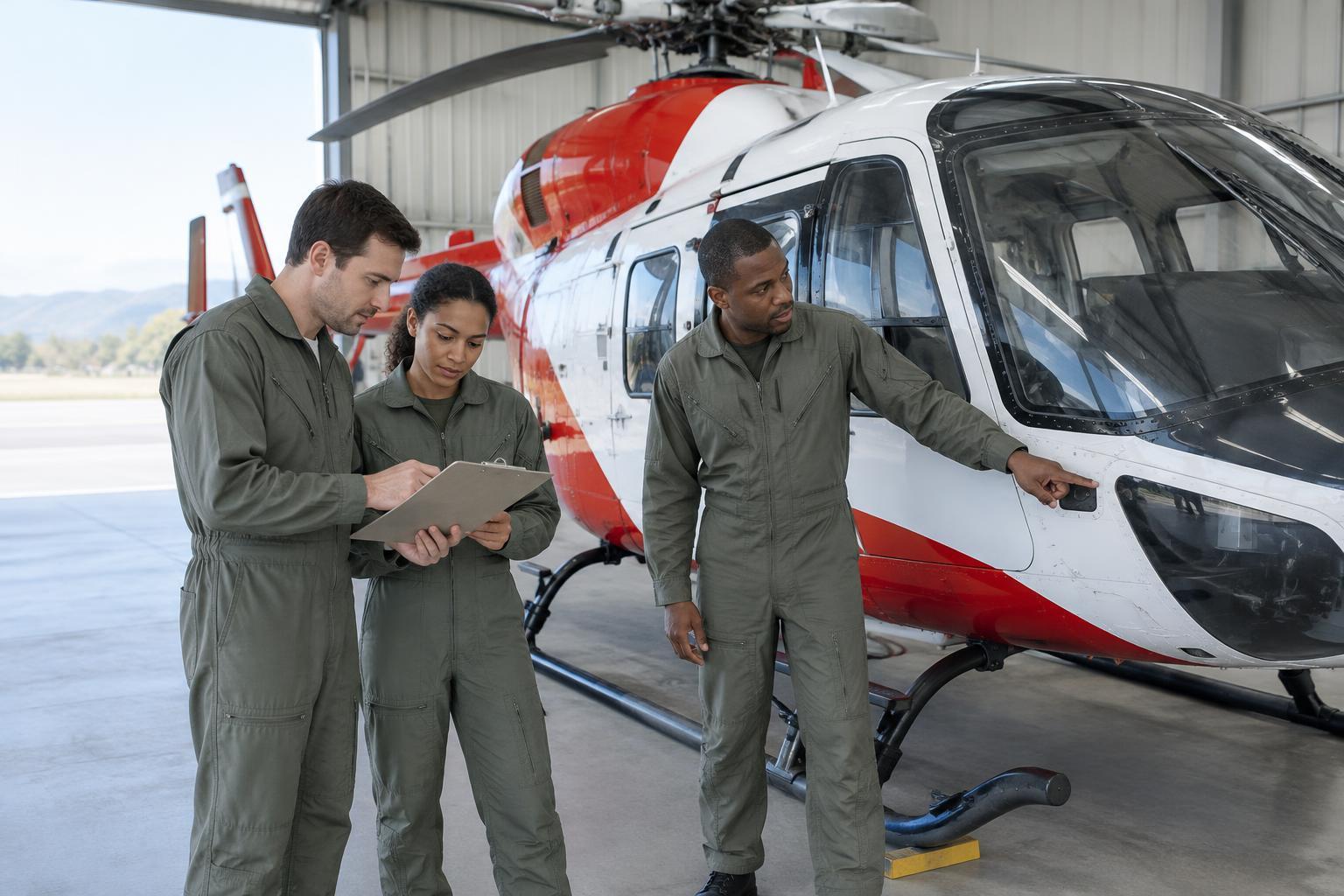
As rescue aviation developed, operators had reason to define what each crew member needed to know before working together on a mission. Training began to place greater emphasis on shared expectations: who makes which decisions, how a concern is raised and what information must be passed along. Standardization did not mean every organization adopted an identical course. It meant relying less on the assumption that experienced people would automatically know how to work as one crew.
Checklists made critical tasks easier to repeat
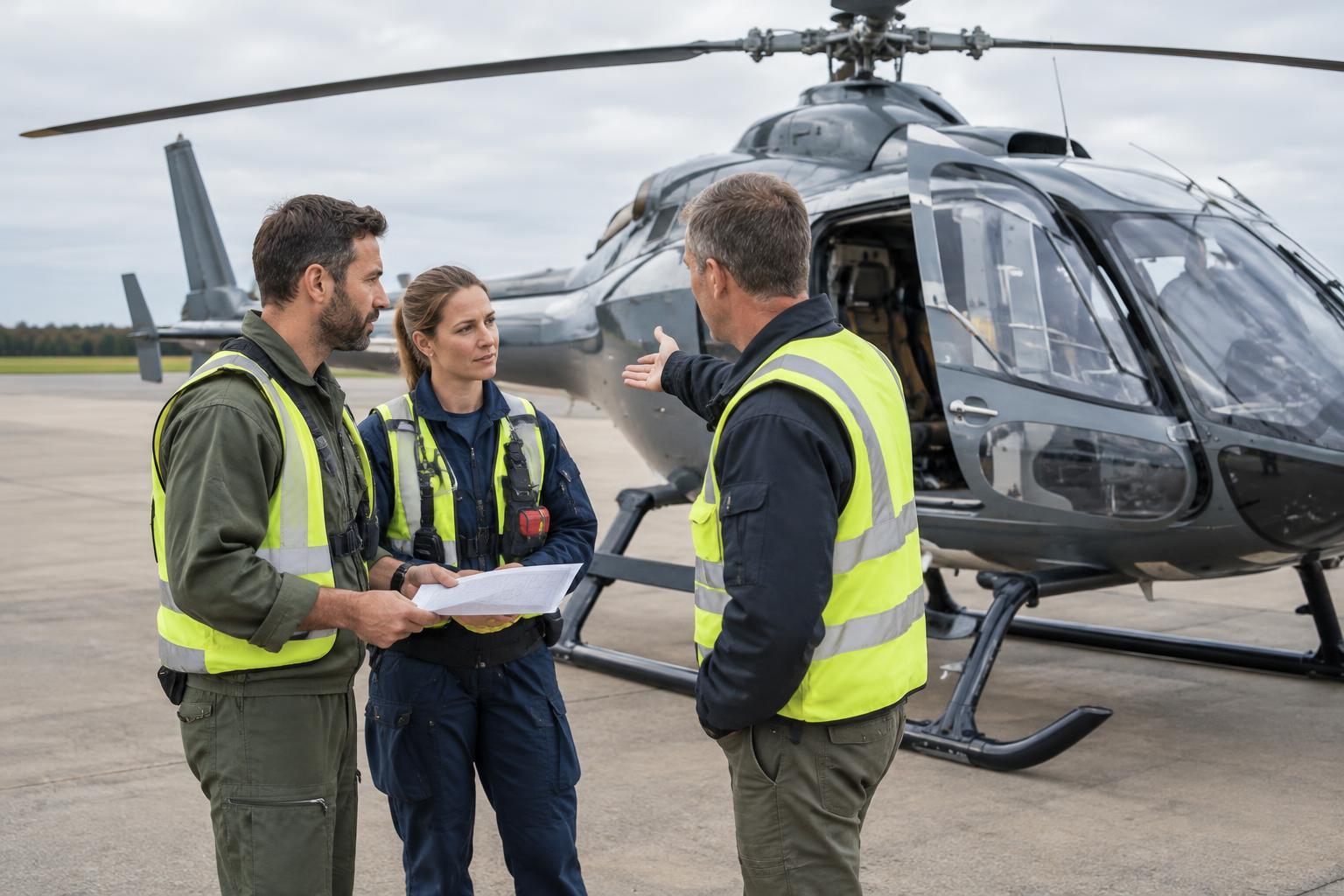
Aircraft crews already used procedures and checklists to support consistent flying. Applying that same discipline to rescue work helped make preparation more repeatable. A crew could use a common sequence to review the aircraft, equipment, route, weather, landing considerations and mission responsibilities. The aim was not to replace judgment, but to reduce the chance that a familiar task would be overlooked during a busy departure.
Training also had to account for differences between aircraft and missions. A helicopter crew working near a confined landing site faces different practical problems from a fixed-wing crew arranging an airport-to-airport transport. Equipment, staffing and local operating rules vary as well. Standard procedures are most useful when crew members understand both the steps and the reasons behind them, including when a plan must be reconsidered.
Crew coordination became a trainable skill
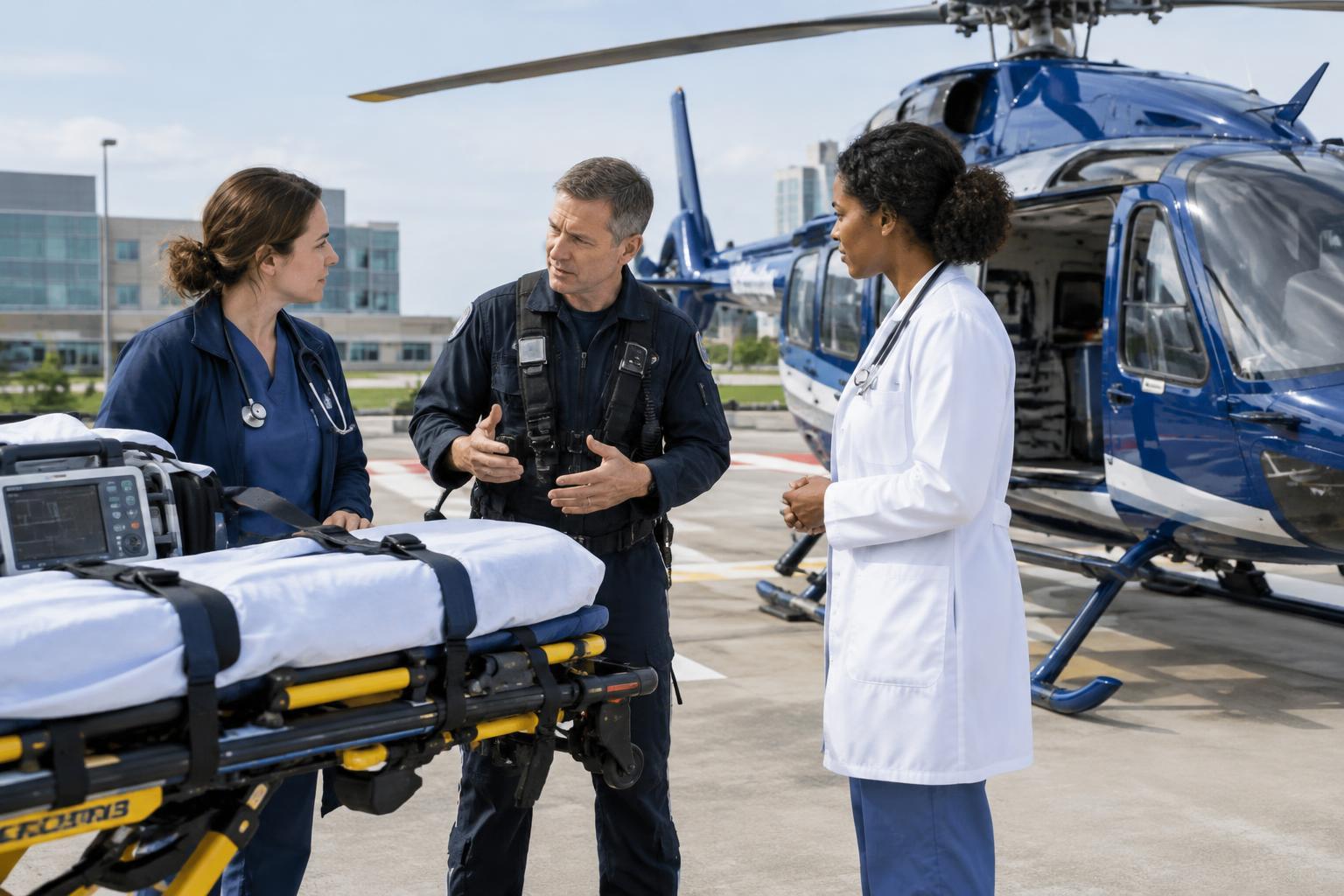
Rescue missions bring together people with different responsibilities. Pilots manage the flight, while other crew members may handle mission equipment, navigation support, communications or patient-related tasks, depending on the operation. Earlier training could treat these skills largely as separate specialties. Over time, more attention went to the points where those specialties meet: briefings, handoffs, workload and decisions made under pressure.
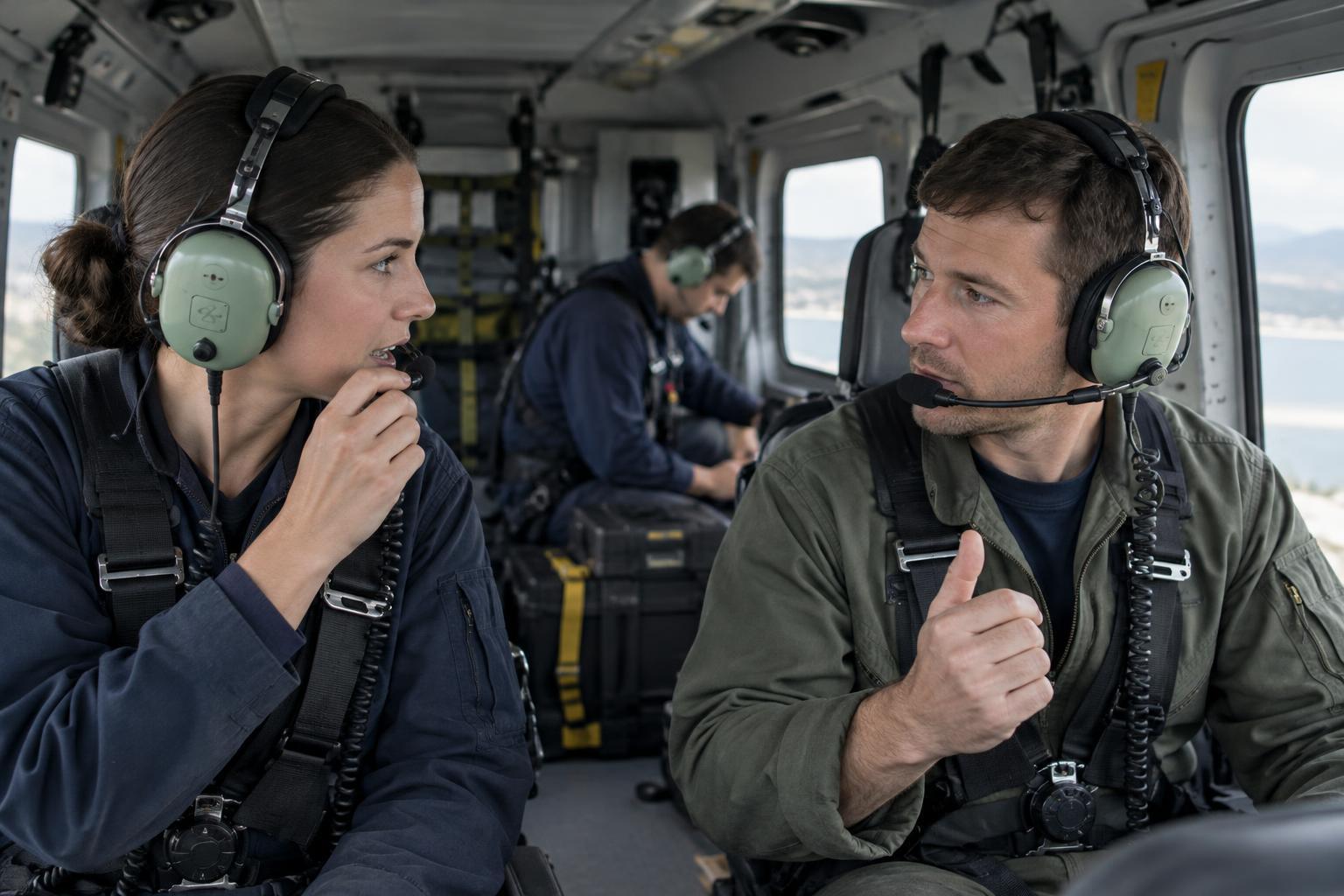
This shift made communication itself a subject for practice. A useful briefing gives everyone a chance to understand the plan and identify uncertainties before they become urgent. During a mission, clear callouts can help a crew notice a changing condition or a missed step. Training can also reinforce that any crew member should be able to voice a safety concern. The decision-making structure remains important, but it works better when relevant information reaches the people responsible for acting on it.
Scenarios connected classroom knowledge to operations
Written procedures describe what should happen; exercises let crews test whether they can carry those procedures out together. Scenario-based training became a practical way to rehearse situations that combine several challenges, such as a change in weather, a communications difficulty and a revised destination. Some exercises can be completed through discussion, while others use aircraft, training devices or simulated mission settings. The appropriate method depends on the skill being taught and the resources available.
The strongest scenarios do not simply reward a crew for finishing a mission. They provide room to consider alternatives, including delaying, changing a plan or declining a flight. A debrief afterward can reveal whether information was shared promptly, whether responsibilities were understood and whether the crew recognized a developing problem. Those observations can then shape later practice without requiring anyone to encounter the same situation for the first time during an actual mission.
Standardization remains an ongoing process
Training standards are not a finished historical project. Aircraft systems change, equipment is updated and crews learn from routine operations as well as difficult ones. Recurrent practice helps people retain infrequently used skills and adjust to changes in procedures or staffing. It also gives teams an opportunity to work with one another before they must do so in a demanding setting.
The broad historical change is from treating rescue flight readiness mainly as a collection of individual qualifications toward treating it as a coordinated capability. Individual skill still matters, and no checklist can cover every circumstance. But common procedures, practiced communication and thoughtful review make it easier for people with different roles to build a shared picture of the mission—and to recognize when that picture needs to change.