When every request depended on local connections
Early rescue flights often began with a direct appeal to someone who had access to an aircraft. A hospital, search team or local authority might contact a nearby operator, who would then try to reach a pilot and arrange the flight. These arrangements could be effective when people knew one another and the mission was straightforward. They also depended heavily on who answered the call, what that person knew and whether the right aircraft was available.
A flight request raised questions beyond “Can an aircraft go?” The people involved needed to establish where help was needed, what ground access existed, where an aircraft could safely operate and who would meet it. As rescue aviation took on more varied work, a single local contact was not always well placed to assemble those answers. The need for a reliable point of coordination became increasingly clear.
Why a central contact became useful
Centralized dispatch offered a practical answer: give requesters a known place to bring information and give coordinators a broader view of available resources. Rather than requiring each requester to locate and contact an aircraft independently, a coordination point could gather essential details, contact suitable operators and pass consistent information to the people involved. Different regions developed this approach in different ways, shaped by geography, organizations and the missions they handled.
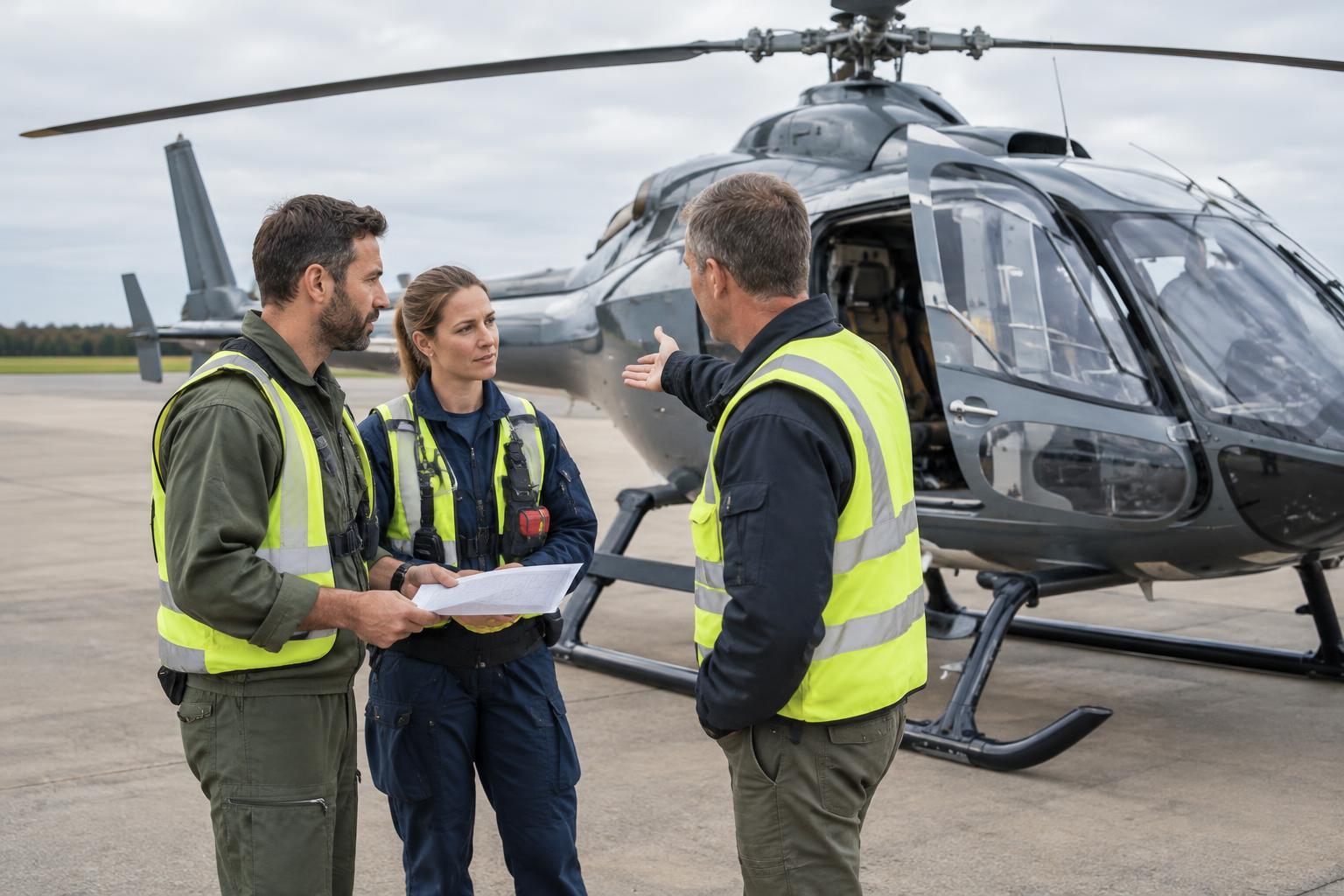
Centralization did not mean that every decision moved to a desk. A coordinator might manage the request and relay information, while an operator assessed aircraft and crew availability. The pilot retained responsibility for flight decisions within the applicable operating framework, and teams at the scene supplied details that could change quickly. The value of dispatch lay in connecting those roles without treating them as interchangeable.
Communications changed the work
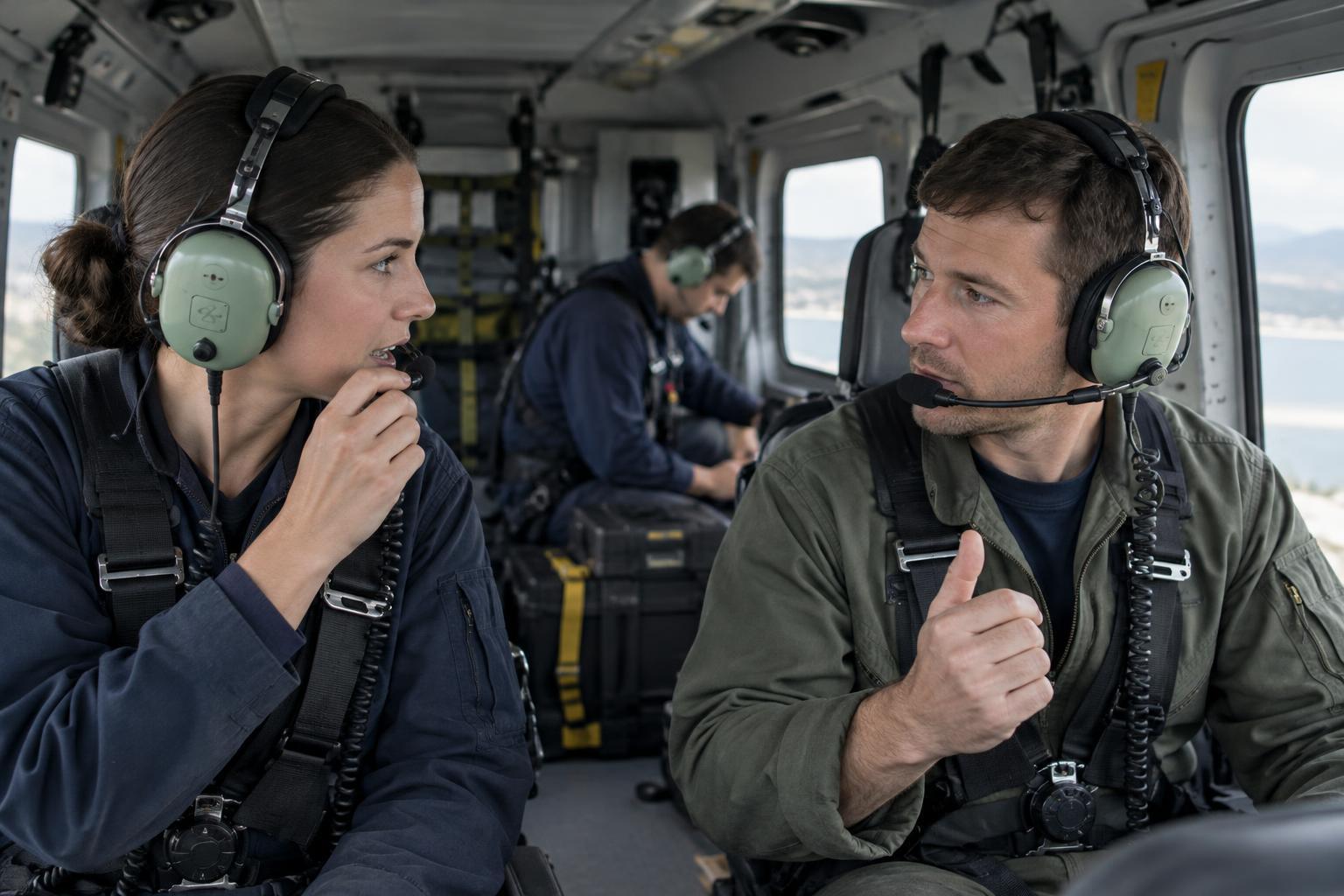
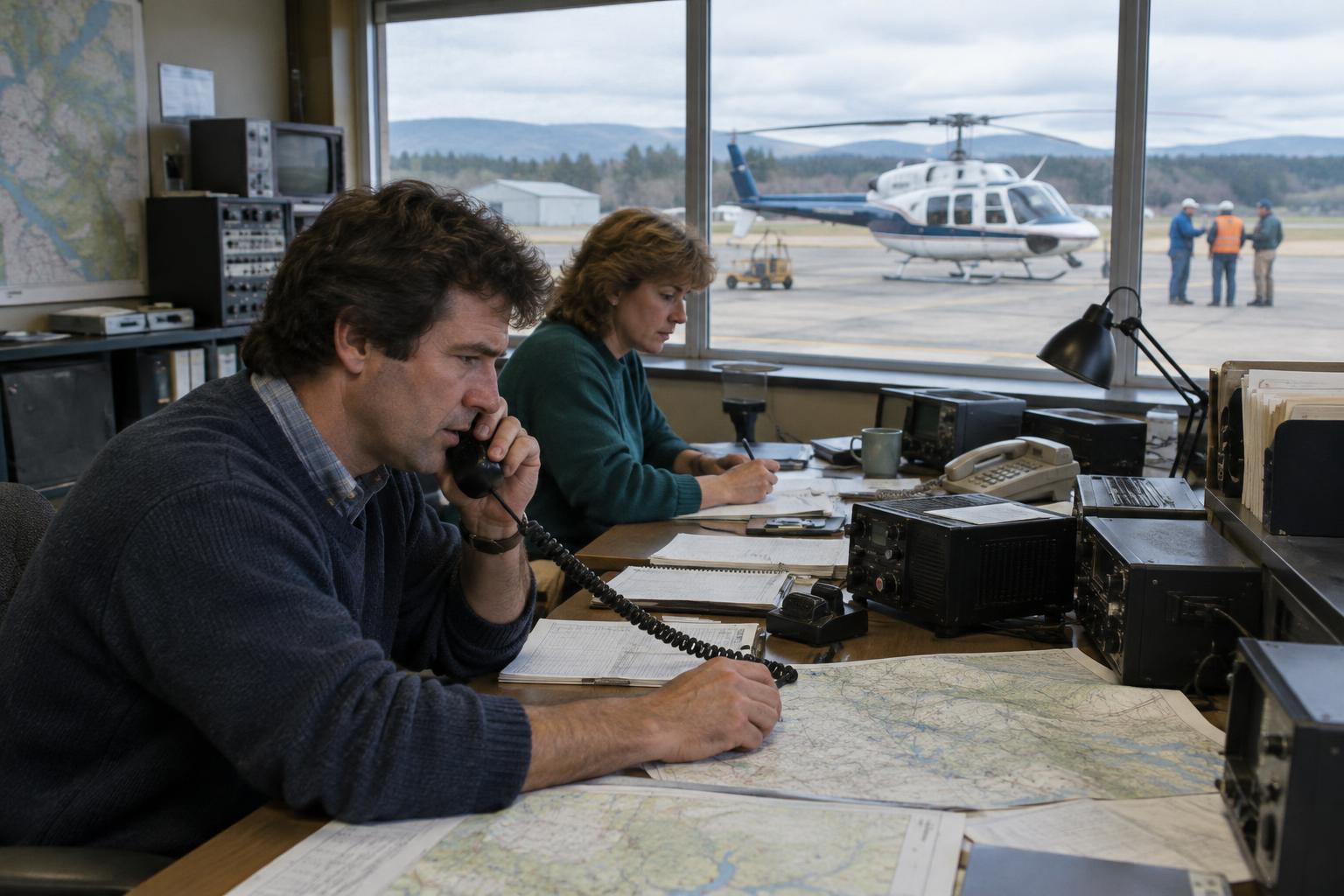
The development of more dependable telephone and radio links made it easier to coordinate beyond a small local network. Dispatchers could receive updates from a scene, communicate with crews and prepare people at the destination. Later, digital tools offered additional ways to record requests and share information. None of these tools eliminated the need to confirm what a message meant: a location, landing-area description or change in conditions is useful only if the right people receive and understand it.
This history helps explain why dispatch became more than a switchboard. Coordinators learned to ask structured questions, document changing details and identify gaps before a flight was set in motion. A request might begin with an urgent need but little information about access, weather or the intended destination. Good coordination could help uncover those uncertainties early, while leaving operational judgments to those responsible for making them.
From a single flight to a chain of handoffs
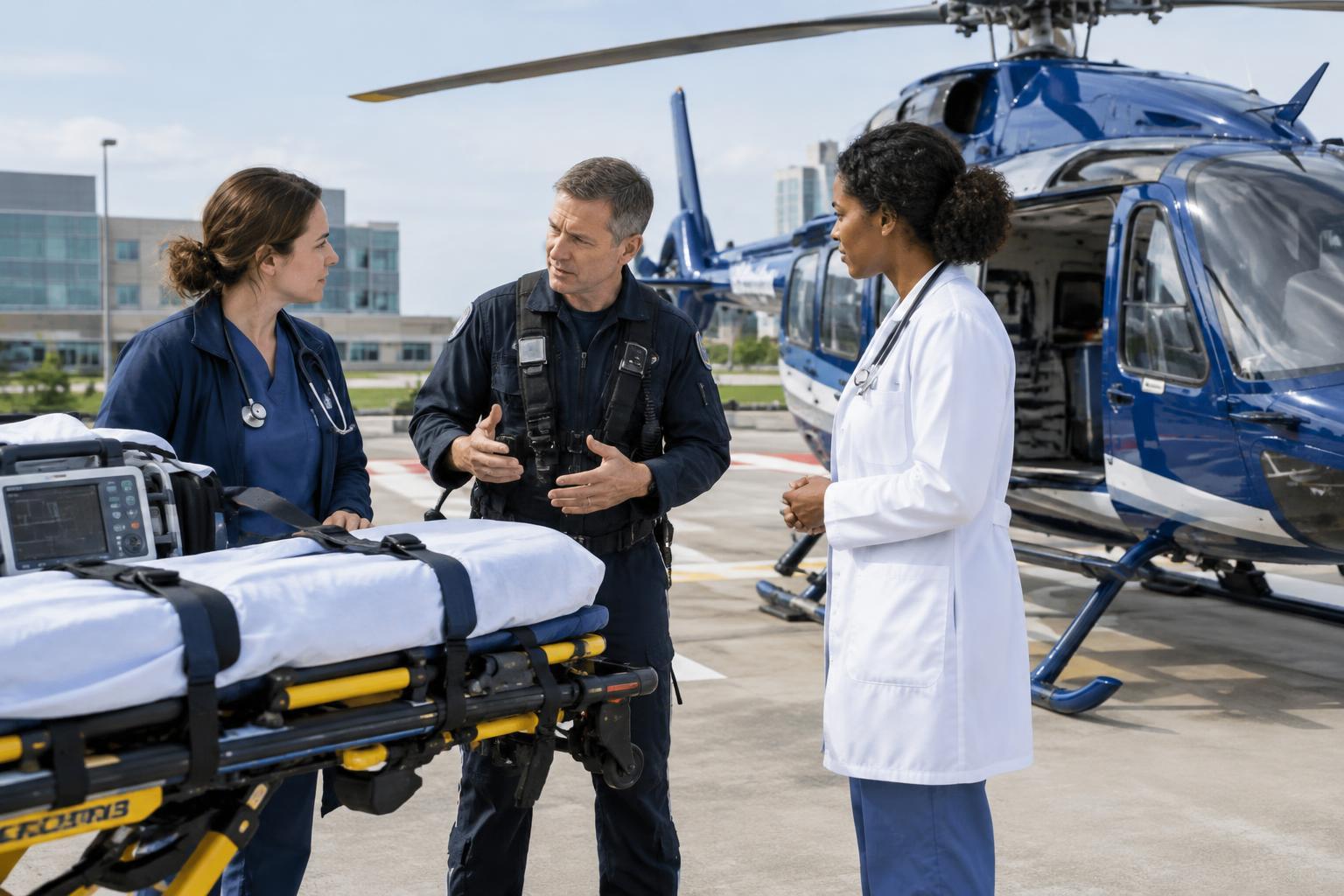
Rescue aviation rarely works in isolation. Ground responders may reach a person first, prepare a safe meeting point or arrange transport after an aircraft lands. Facilities or other receiving teams may need time to prepare. As dispatch systems matured, they increasingly addressed these handoffs, not just the moment an aircraft was assigned. The aim was to keep a request moving across organizational boundaries without losing essential details.
That broader view also made shared terminology and clear responsibilities important. A coordinator needs to know whether a location is proposed or confirmed, whether access has been checked and who will report a change. A crew needs an accurate account of what is known, as well as what remains uncertain. These habits are not tied to one generation of technology. They are ways of reducing confusion when several teams must act on the same evolving information.
The lasting lesson of centralized coordination
There is no single historical model for rescue aviation dispatch. A remote search operation, an aircraft transfer between facilities and a response near a city can present different coordination problems. What they share is the need to match a request with an appropriate capability and maintain communication as circumstances change. Central systems developed to make that work more consistent, especially when a request crossed the boundaries of one team or locality.
The most useful way to understand this history is as an evolution in teamwork. Better communications and records helped, but they did not replace clear questions, accurate handoffs or respect for each participant’s responsibilities. Dispatch remains a link among requesters, aircraft operators, crews and ground partners—not a substitute for their judgment. That distinction is as important to understanding today’s coordination as it is to understanding how it developed.