From daylight capability to a nighttime challenge
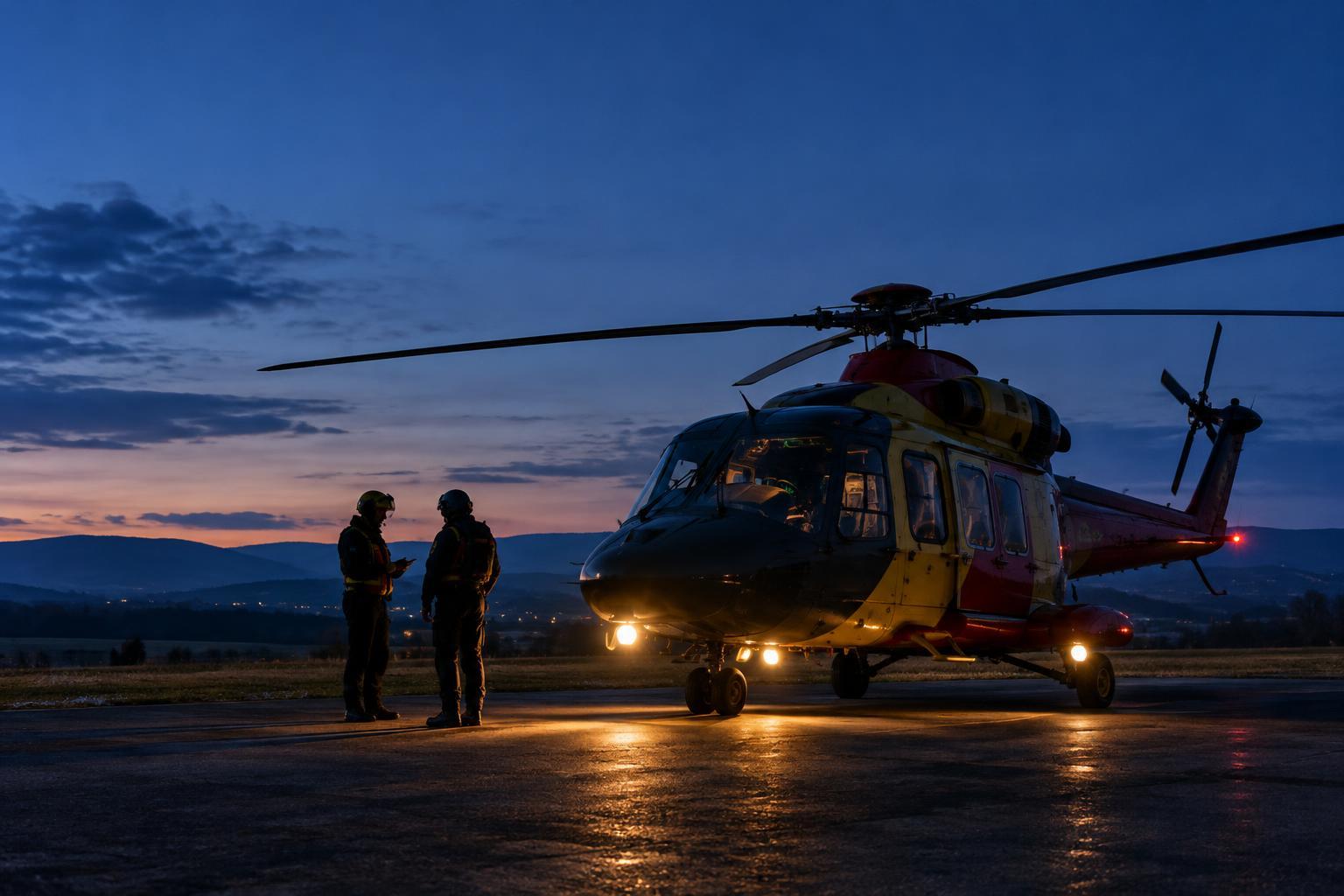
Aircraft made it possible to reach isolated places and move people over difficult terrain, but darkness changed the task. A crew flying by visual references could lose the horizon, misjudge distance or struggle to identify a safe place to land. Finding a person on the ground was another challenge: a location that seemed clear on a map might be hard to distinguish from surrounding terrain at night. Early night rescue work therefore depended heavily on favorable conditions, local knowledge and careful decisions about what could be attempted.
Night flying did not develop through one invention or one uniform set of practices. Fixed-wing aircraft and helicopters faced different problems, as did crews working over open water, mountains, roads or built-up areas. Improvements arrived in stages, and equipment that helped in one setting did not remove every other risk. The broad change was from relying mainly on what pilots could see outside to combining visual information with instruments, navigation aids, communications and more deliberate crew procedures.
Aircraft began to provide more information
Reliable cockpit instruments gave pilots ways to monitor an aircraft’s attitude, altitude, direction and performance when outside references were weak. Instrument flying procedures also made some routes and approaches less dependent on a visible horizon. These developments were important for transport flights between established airfields, although they did not automatically solve the problem of reaching an unprepared rescue site. A crew might be able to navigate toward an area yet still be unable to confirm that an approach or landing was safe.
Lighting brought its own trade-offs. Landing lights and searchlights could help reveal terrain, obstacles or a landing area, but they could also create glare, especially in haze, precipitation or blowing snow. Cockpit lighting needed to make instruments readable without unnecessarily reducing a pilot’s ability to see outside. As aircraft electrical systems and lighting arrangements improved, crews gained more useful options, but those options still had to be matched to the conditions.
Navigation and communication connected the flight to the ground
Improved radio communication helped rescue crews coordinate with dispatchers, ground teams and air traffic services. A useful location report could narrow a search area; an update from people at the scene could help a crew understand obstacles, weather or possible landing spaces. Radio navigation and, later, satellite-based navigation made it easier to travel toward a reported position. Neither could show every wire, tree or change in terrain near the aircraft.
The quality of information mattered as much as the ability to transmit it. A place name, a road junction and coordinates may each describe the same scene differently, and errors can become harder to notice in darkness. More structured exchanges developed around confirming locations, repeating important details and updating the plan when new information arrived. Night rescue flying increasingly became a coordinated effort rather than a flight guided by the cockpit alone.
Helicopters expanded access and added new demands
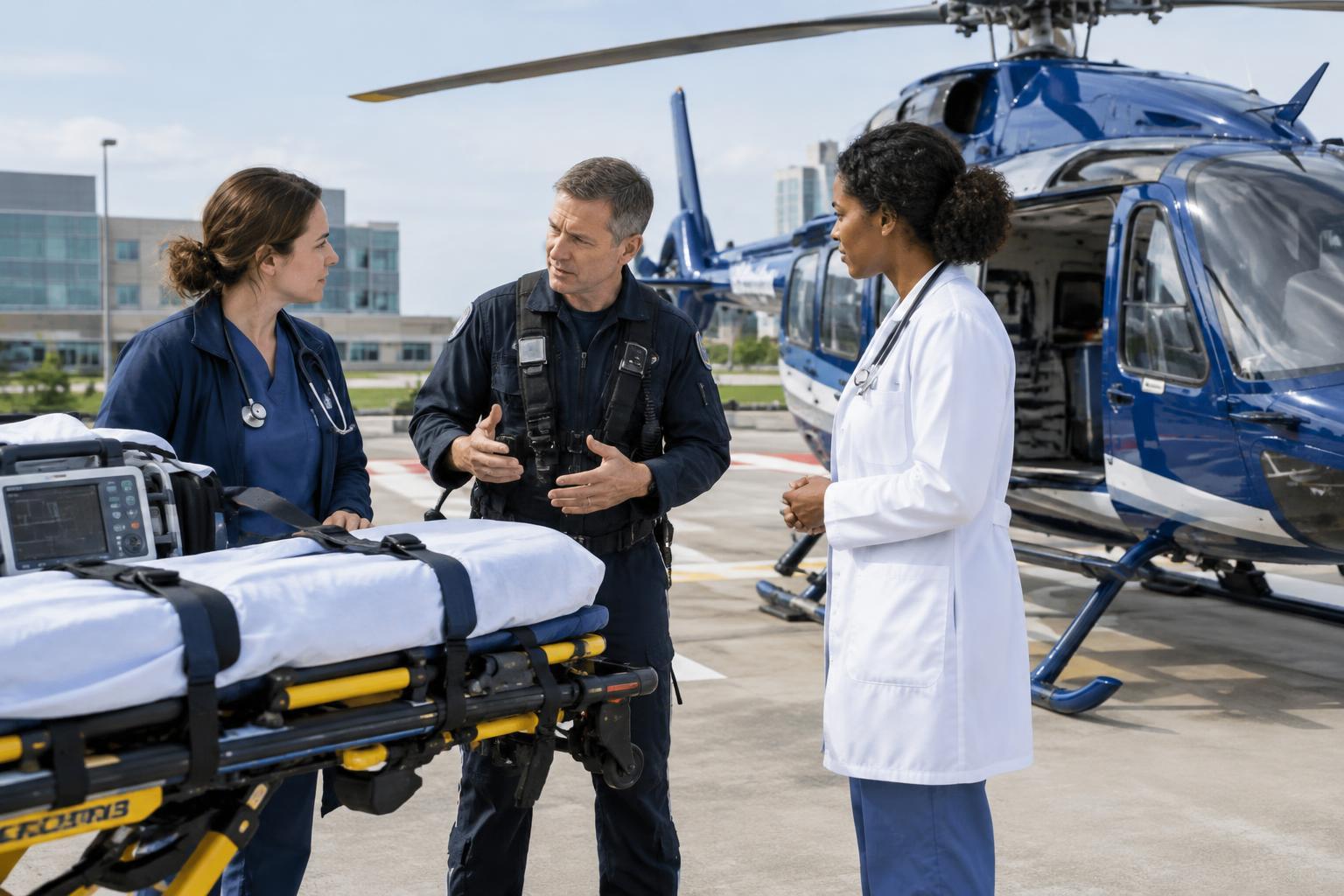
Helicopters changed rescue aviation because they could, in suitable circumstances, reach places without a runway and hover near a scene. At night, those abilities required especially careful judgment. A clearing that appeared large enough from a distance might contain wires, uneven ground or loose material. Rotor wash could stir dust or snow and obscure the view close to the surface. Ground personnel could help by describing hazards and keeping a proposed landing area clear, but the flight crew still needed enough information to decide whether it was usable.
Later tools such as night-vision equipment improved the ability to detect some features in low light, while also introducing training and equipment requirements of their own. Such devices do not turn night into daylight: image quality and depth perception can vary with available light and conditions. Their value is greatest when crews understand both what the equipment reveals and what it may conceal.
Operating practices became part of the technology
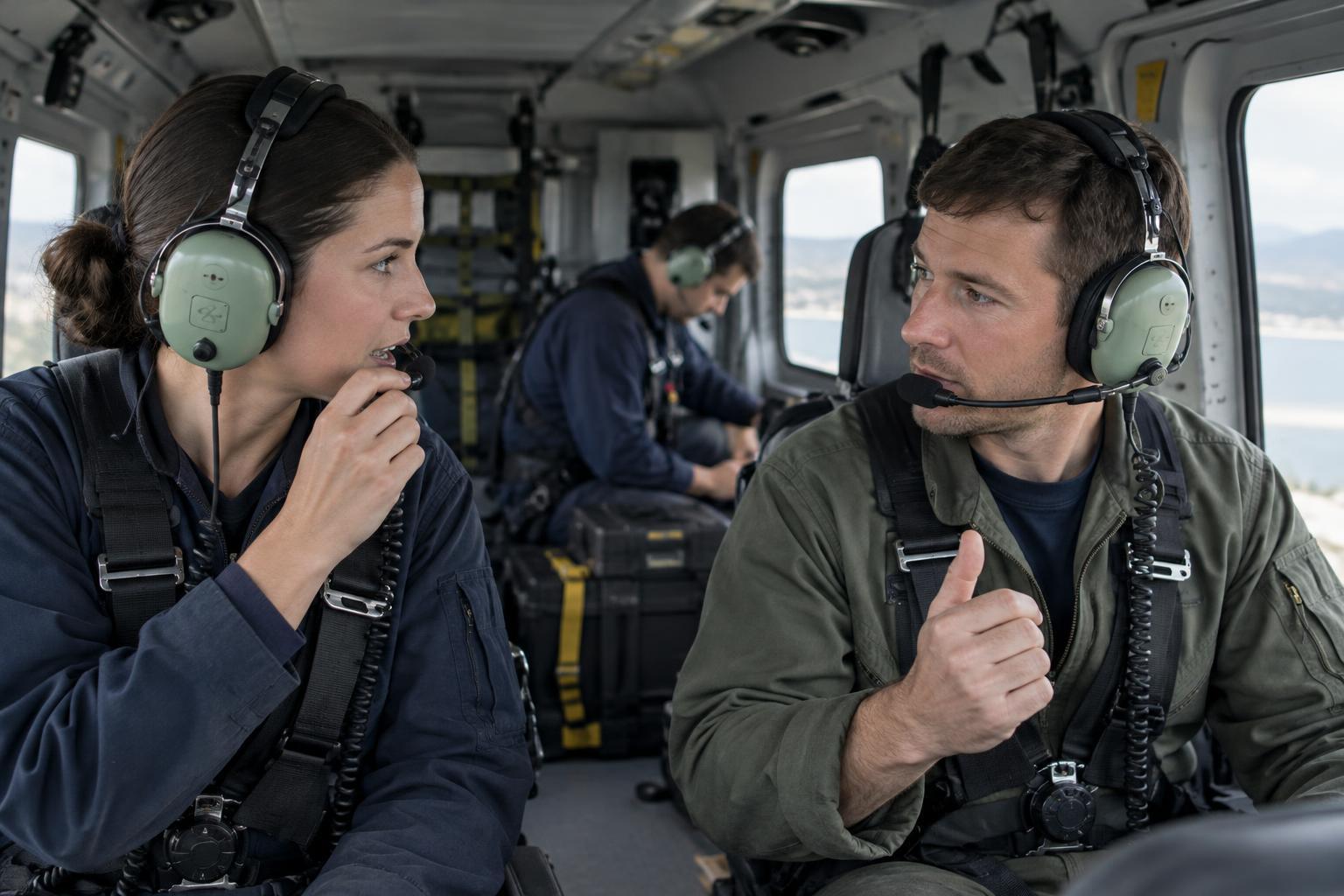
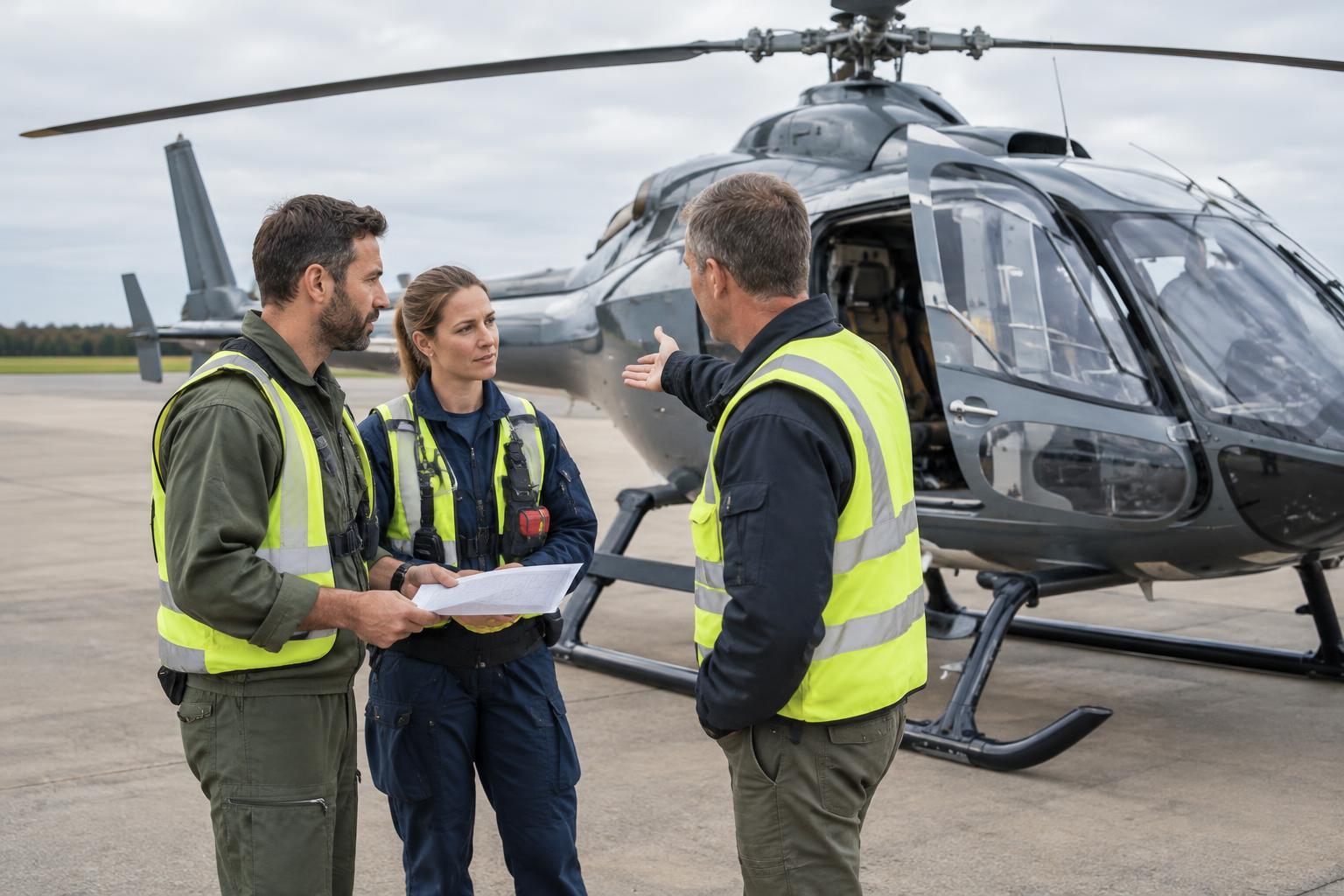
As night operations grew more capable, planning and crew coordination became more formal. Crews could discuss a route, likely hazards, alternate destinations and conditions that would call for a change of plan before departure. Clear roles reduced the chance that everyone would focus on the same task while another task went unattended. During flight, brief, direct communication helped pilots and other crew members share what they could see, what they were unsure of and what needed checking.
The lasting lesson of this history is not that newer aircraft made every nighttime rescue possible. Better instruments, lighting, navigation and communication widened the range of situations crews could assess and sometimes manage. They also made limitations easier to recognize. A sound night operation depends on using the available tools together, checking assumptions as conditions change and accepting that delaying, diverting or declining a flight can be the appropriate decision.