Why community support mattered
In many places, the need for an aircraft-based rescue service was easier to recognize than the means to pay for one. Aircraft, maintenance, fuel, equipment and crew training all carry substantial costs. Charities and community groups helped bridge that gap by raising money, organizing supporters and making a local case for airborne rescue. Their role differed by region: some supported an existing service, while others helped establish an organization dedicated to one.
This history is not a single story of volunteers replacing public services. Civilian rescue aviation developed through different combinations of charitable organizations, public agencies, hospitals, aviation operators and local communities. The value of charitable support often lay in bringing those groups together around a practical goal: making a suitable aircraft and trained team available when ground access was difficult or time mattered.
Fundraising was only part of the contribution
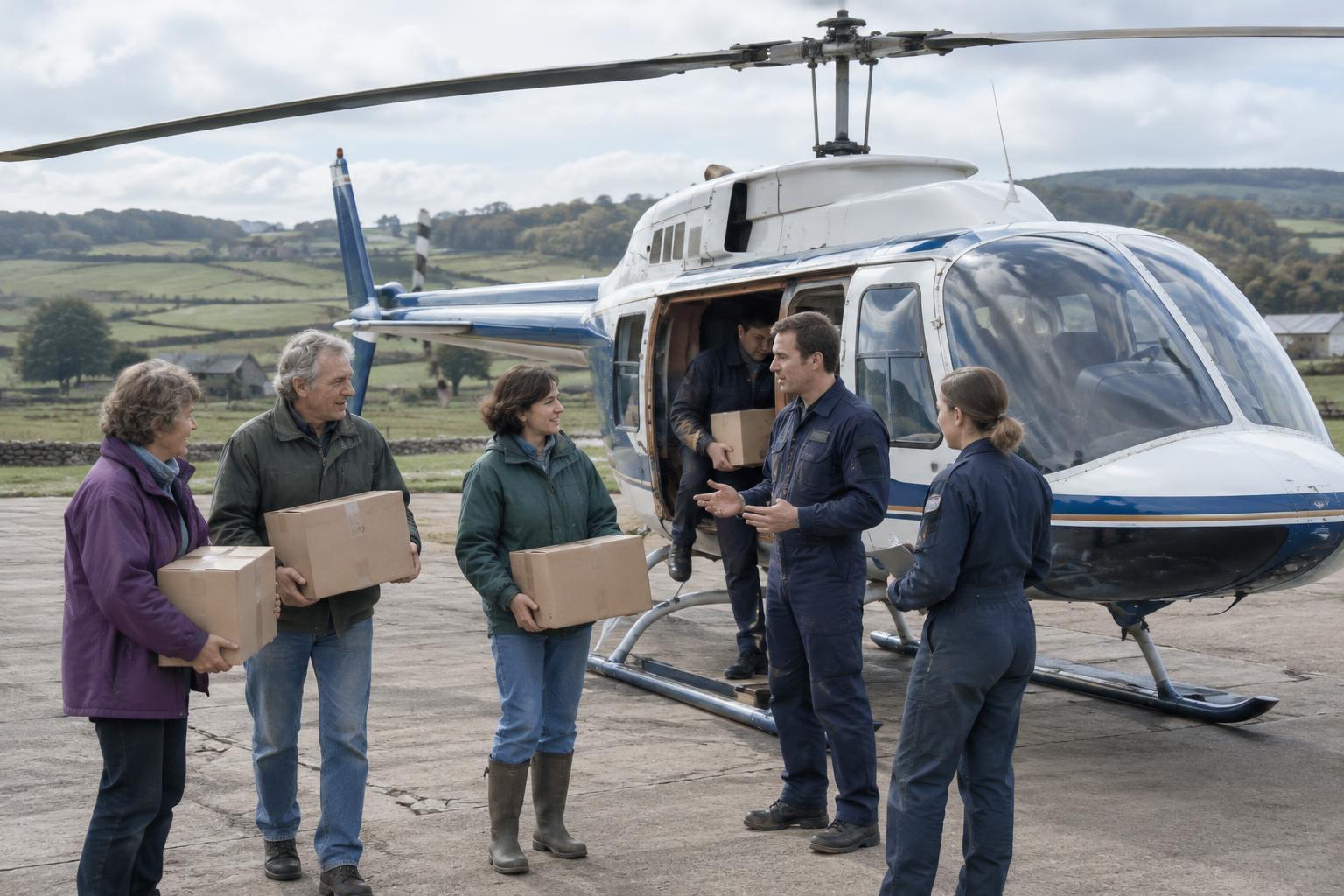
Donations could help acquire equipment or cover ongoing costs, but volunteers also supplied time and organizational skill. Community members arranged events, handled administrative tasks, maintained relationships with donors and explained the service to the public. People with relevant experience might advise on aviation, communications or governance. This less visible work could help a small initiative become a durable organization.
Local knowledge was another asset. Supporters understood the geography, travel routes and community needs that made an airborne response worth considering. That knowledge did not settle technical or operational questions, but it could help planners identify where partnerships and resources were needed. The strongest arrangements kept a distinction between community advocacy and decisions that belonged to trained crews, operators and other responsible professionals.
From local initiative to organized service
Early enthusiasm alone could not sustain a reliable rescue aircraft. As civilian services matured, charitable groups often faced the challenge of turning irregular donations and volunteer effort into dependable support. Budgets had to account for recurring expenses, not just the visible purchase or launch of an aircraft. Organizations also needed structures for oversight, recordkeeping and coordination with the agencies that might request or receive a flight.
That shift changed the nature of volunteering. Some roles remained occasional, such as helping at a fundraising event; others required continuing commitments and clear procedures. In aviation, goodwill cannot substitute for qualifications, maintenance standards or an established chain of command. The historical contribution of volunteers is therefore best understood as enabling a professional operation, rather than making professional safeguards optional.
The importance of partnerships
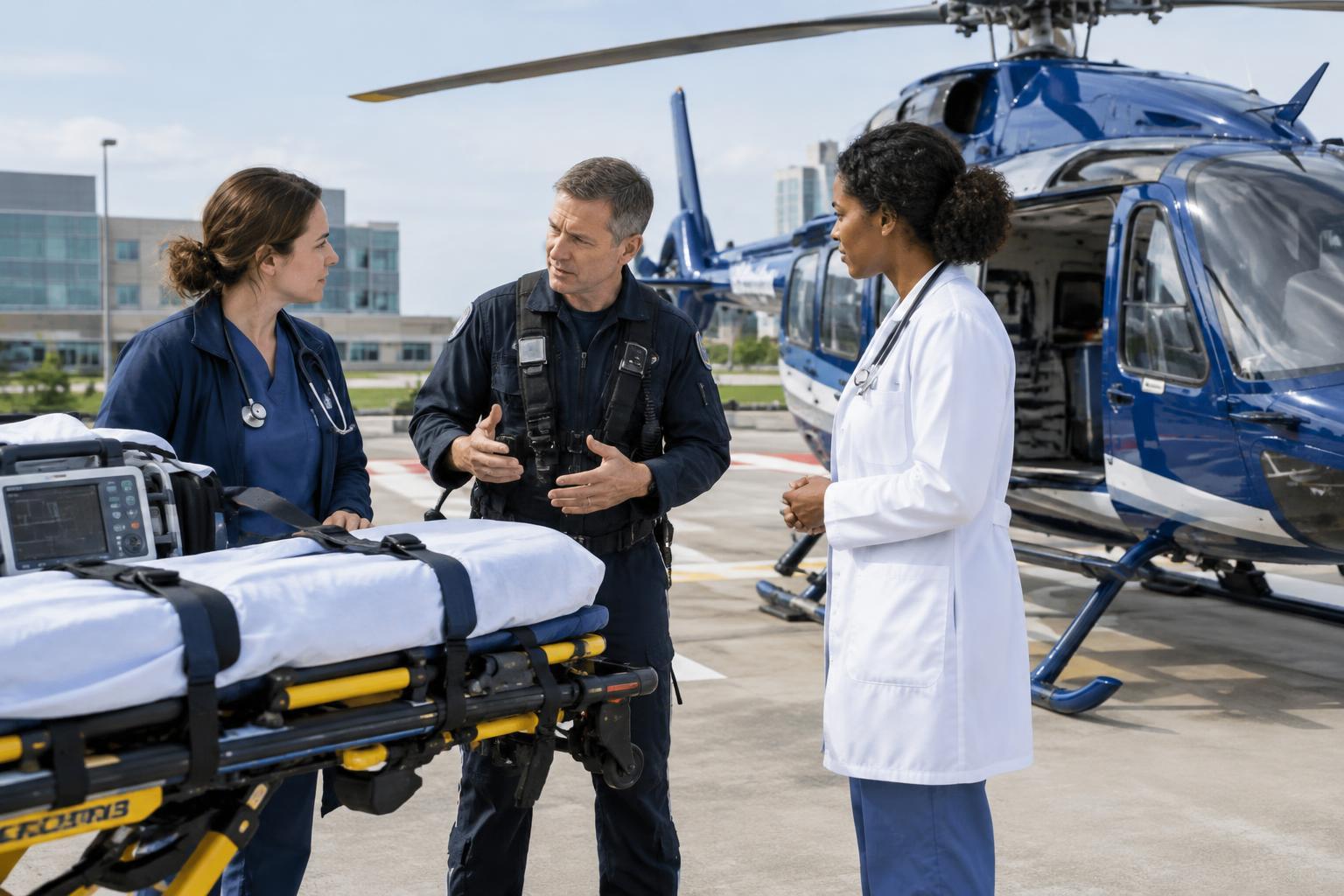
A rescue flight depends on more than the people aboard the aircraft. Dispatchers, ground responders, receiving facilities, aviation personnel and community organizations may all have a part in the wider system. Charities have historically helped connect these groups by building relationships and supporting the equipment or facilities that make coordination possible. Depending on the service, they may fundraise for an aircraft, a base or other resources without directing individual missions.
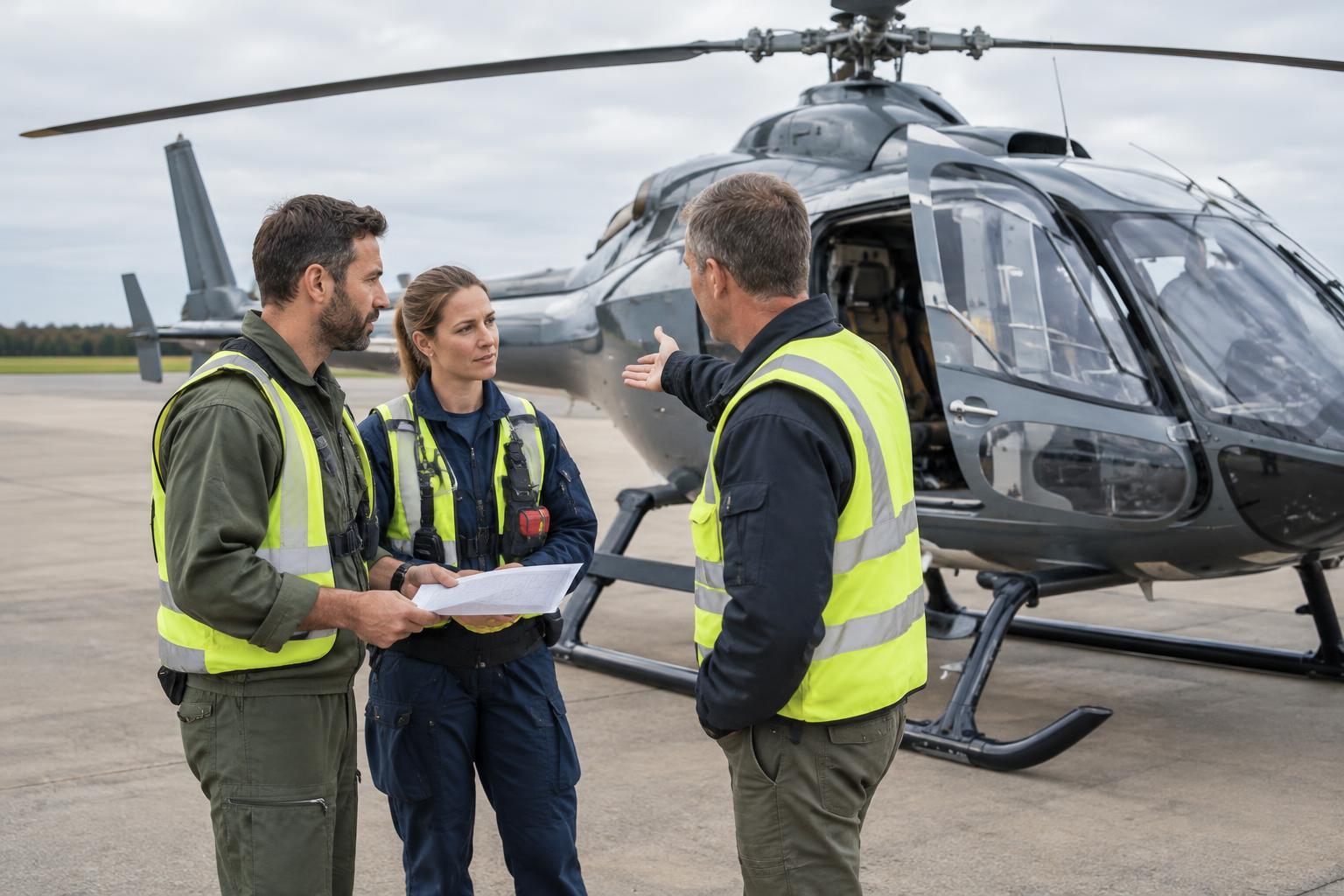
Clear boundaries matter in those partnerships. An operator is responsible for aviation decisions, and appropriately qualified personnel make decisions within their own areas of work. A charity may set a mission for its organization and account for donated funds, but that is different from deciding whether a particular flight is safe or suitable. Separating these responsibilities helps protect crews, passengers and public trust.
A legacy of public trust
Charities and volunteers helped make civilian rescue aviation visible to the communities it aimed to serve. Public events and fundraising campaigns gave people a way to participate even if they never worked near an aircraft. That sense of shared ownership could be a lasting strength, particularly where a service depended on continuing local support.
The same history offers a caution: an inspiring mission still needs transparent finances, realistic promises and disciplined operations. Aircraft capabilities, weather limits and service availability cannot be assumed from a campaign message or a dramatic rescue story. The enduring contribution of charities and volunteers is not that they removed those limits. It is that they helped communities organize resources around a demanding form of transport while learning to respect the responsibilities that come with it.