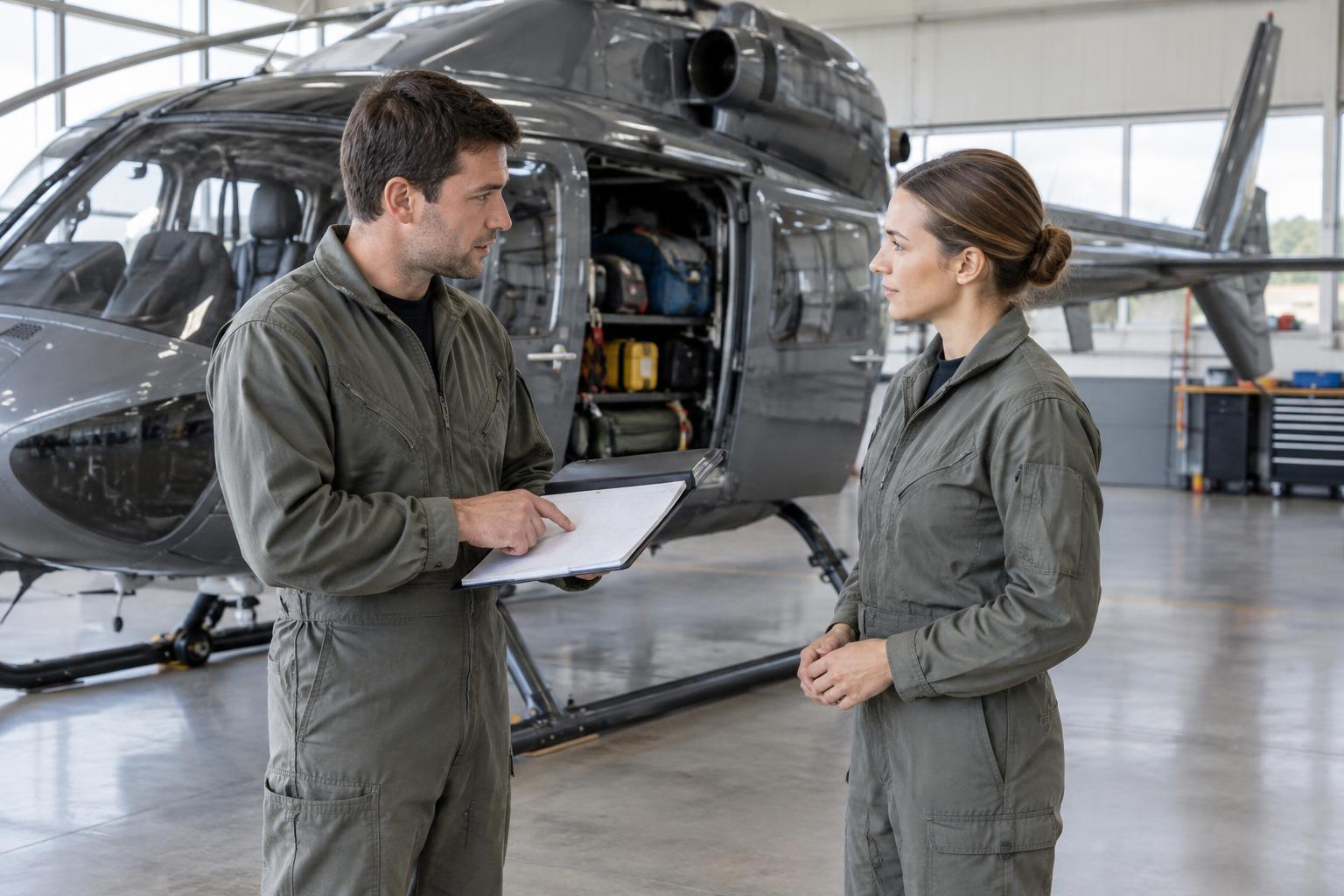
Team CoordinationA shift change is more than a roster update. For rescue aviation teams, it is a chance to pass along aircraft status, unresolved tasks and operational context so the next crew can begin with a clear picture.
Read article · 4 min↗
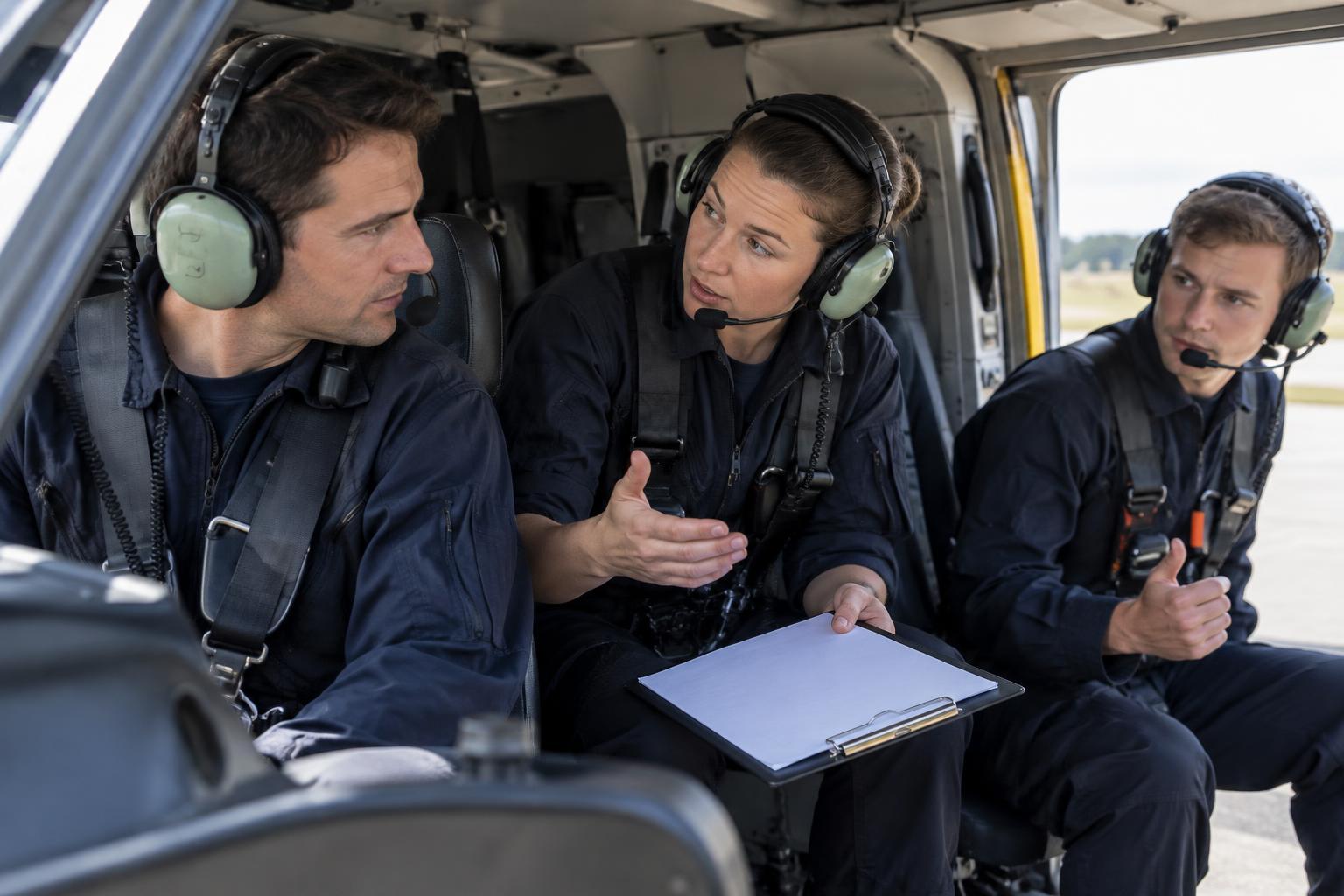
Team CoordinationRescue aviation brings together people with different roles, priorities and sources of information. This guide looks at common communication mistakes, from vague requests to incomplete handoffs, and explains how teams can recognize them through questions, readbacks and review.
Read article · 3 min↗
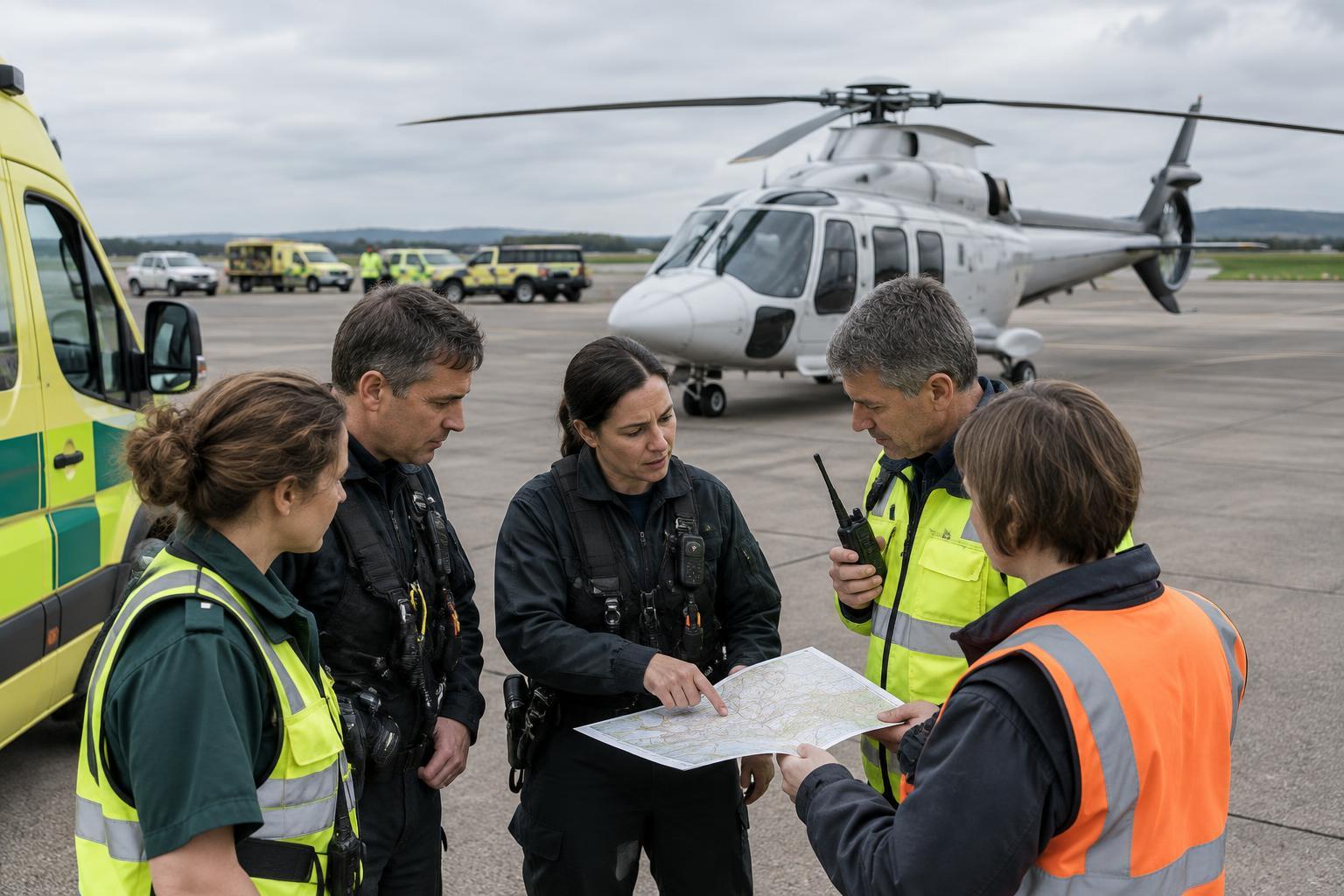
Team CoordinationRoutine air transfers and multi-agency disaster missions both depend on clear roles, shared information and a plan for handoffs. Their coordination challenges differ, however: a planned transfer usually follows a defined chain of communication, while a disaster response must connect many organizations as conditions change.
Read article · 4 min↗
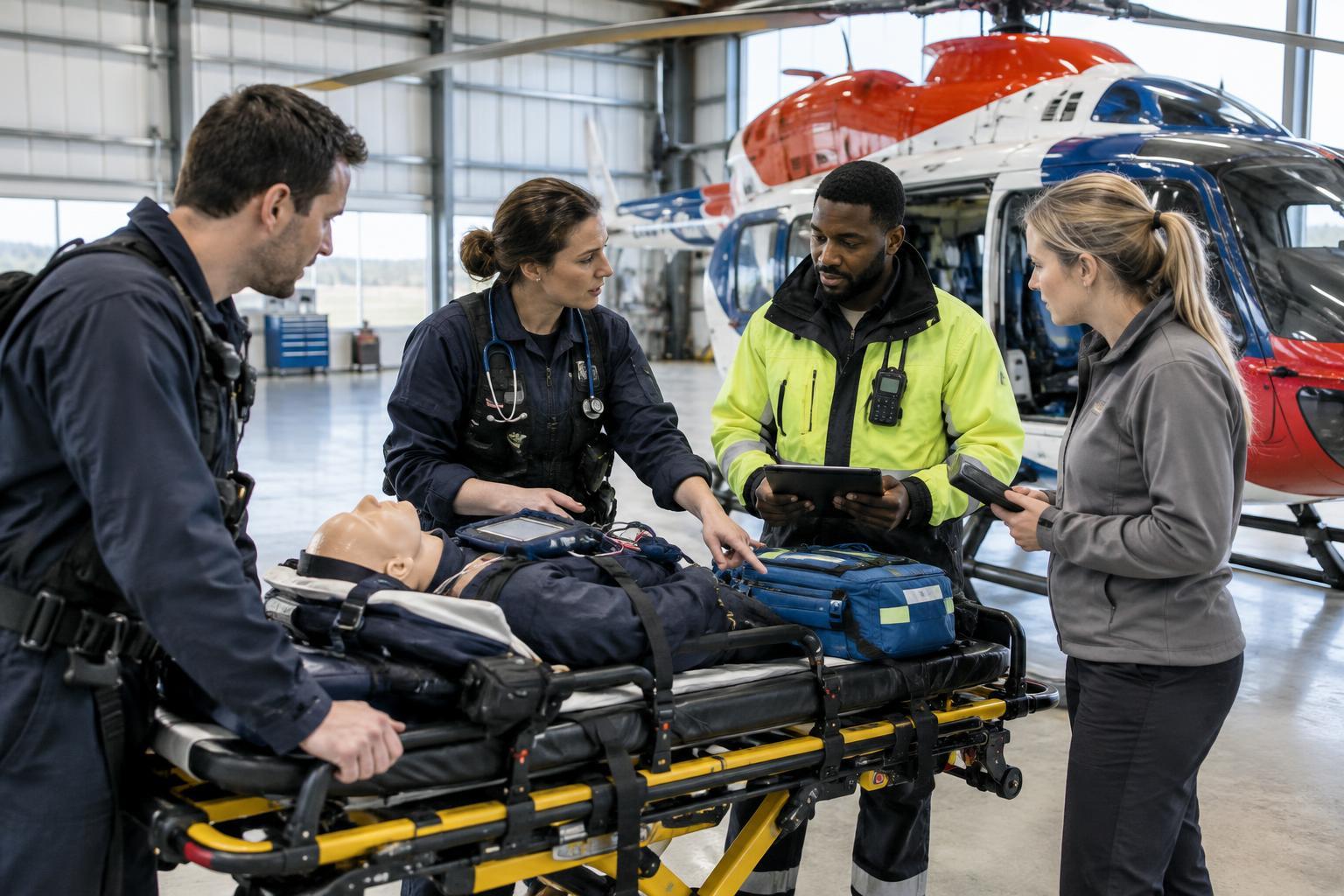
Team CoordinationA rescue flight brings together people with different responsibilities, vocabulary, and priorities. Multidisciplinary simulation gives those teams a way to practice sharing information, making decisions, and learning from handoffs before they face those challenges in a real mission.
Read article · 4 min↗
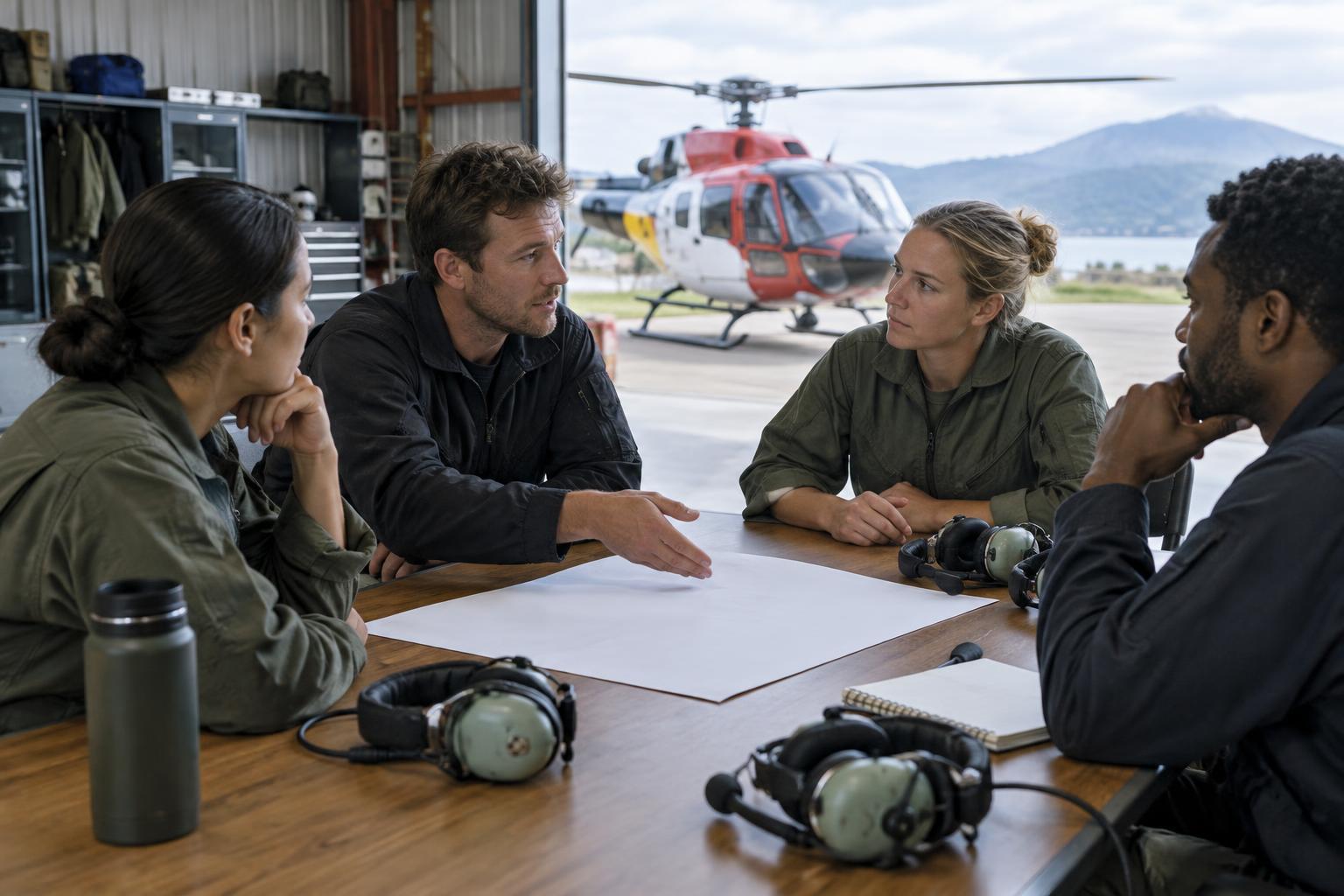
Team CoordinationA postflight debrief can show how a crew shared information, handled changing plans and noticed uncertainty. Looking beyond the outcome helps teams identify communication habits worth keeping and gaps worth addressing.
Read article · 4 min↗
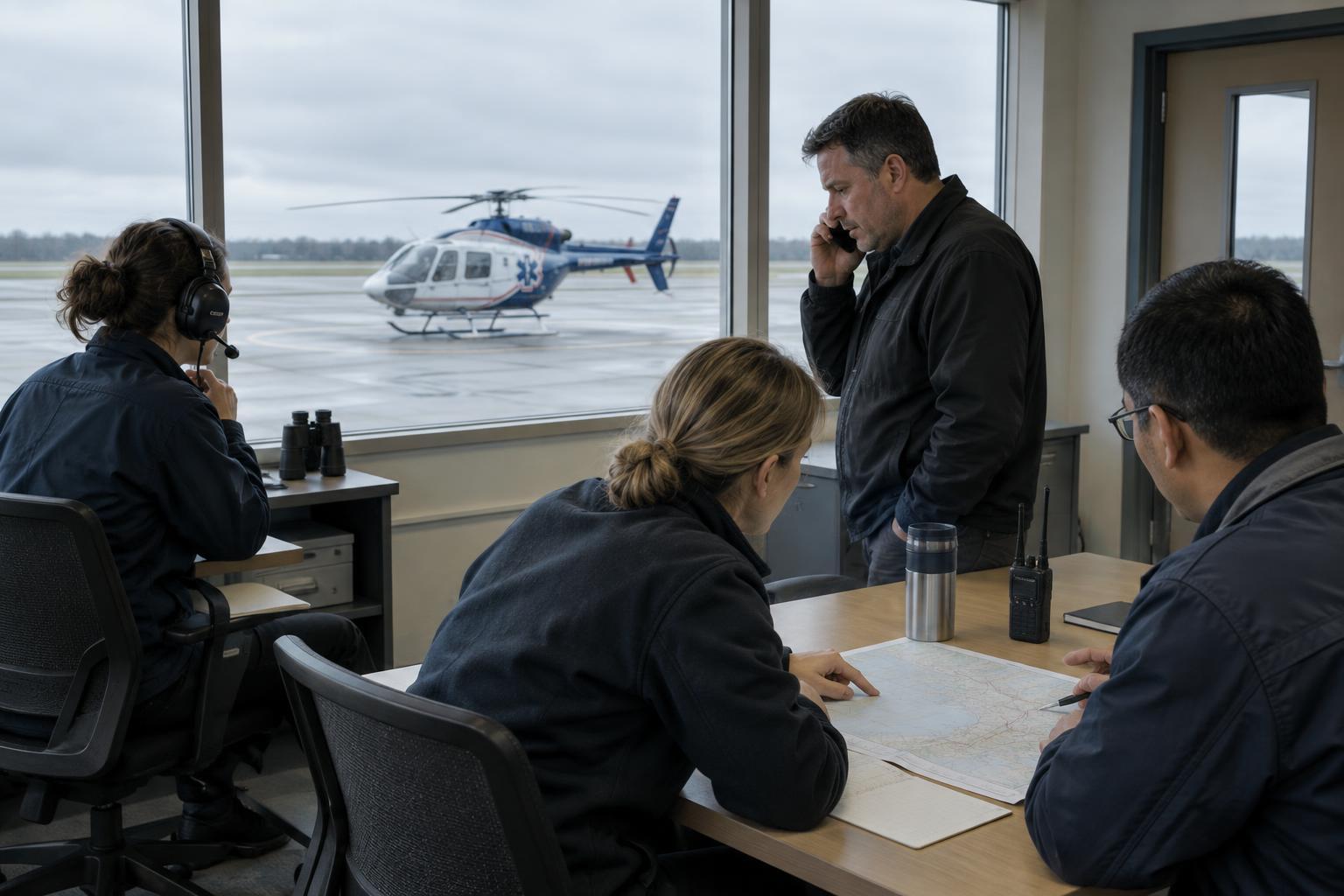
Team CoordinationA delay or diversion can change plans for a flight crew, ground teams, sending and receiving facilities, and the people waiting for news. Clear updates help each group understand what has changed, what remains uncertain, and when to expect the next update.
Read article · 4 min↗
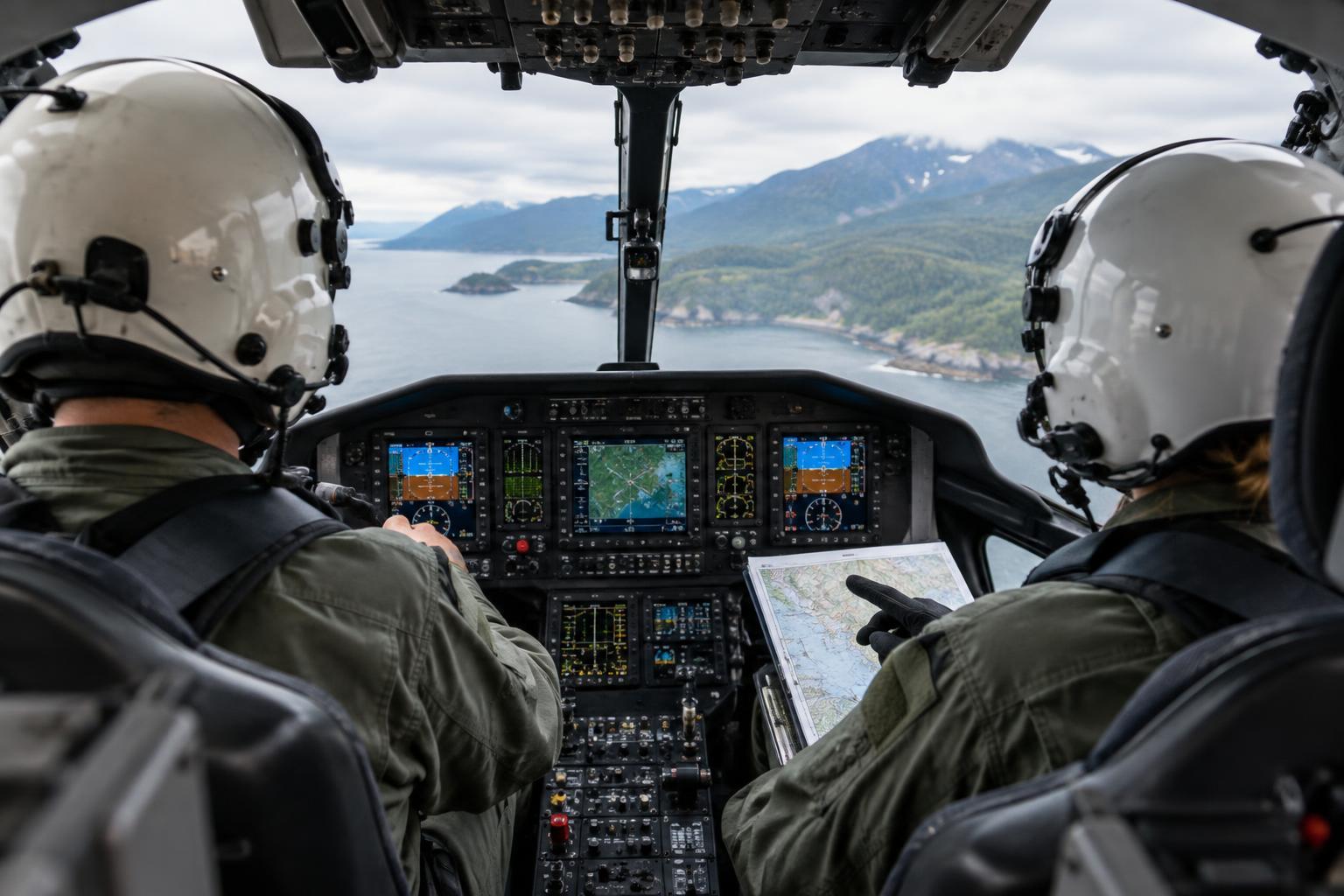
Team CoordinationA demanding rescue aviation mission can stretch attention across flying, navigation, communication and transport planning. Learn how crews recognize rising workload and use clear priorities, shared awareness and timely support to keep essential tasks in view.
Read article · 4 min↗
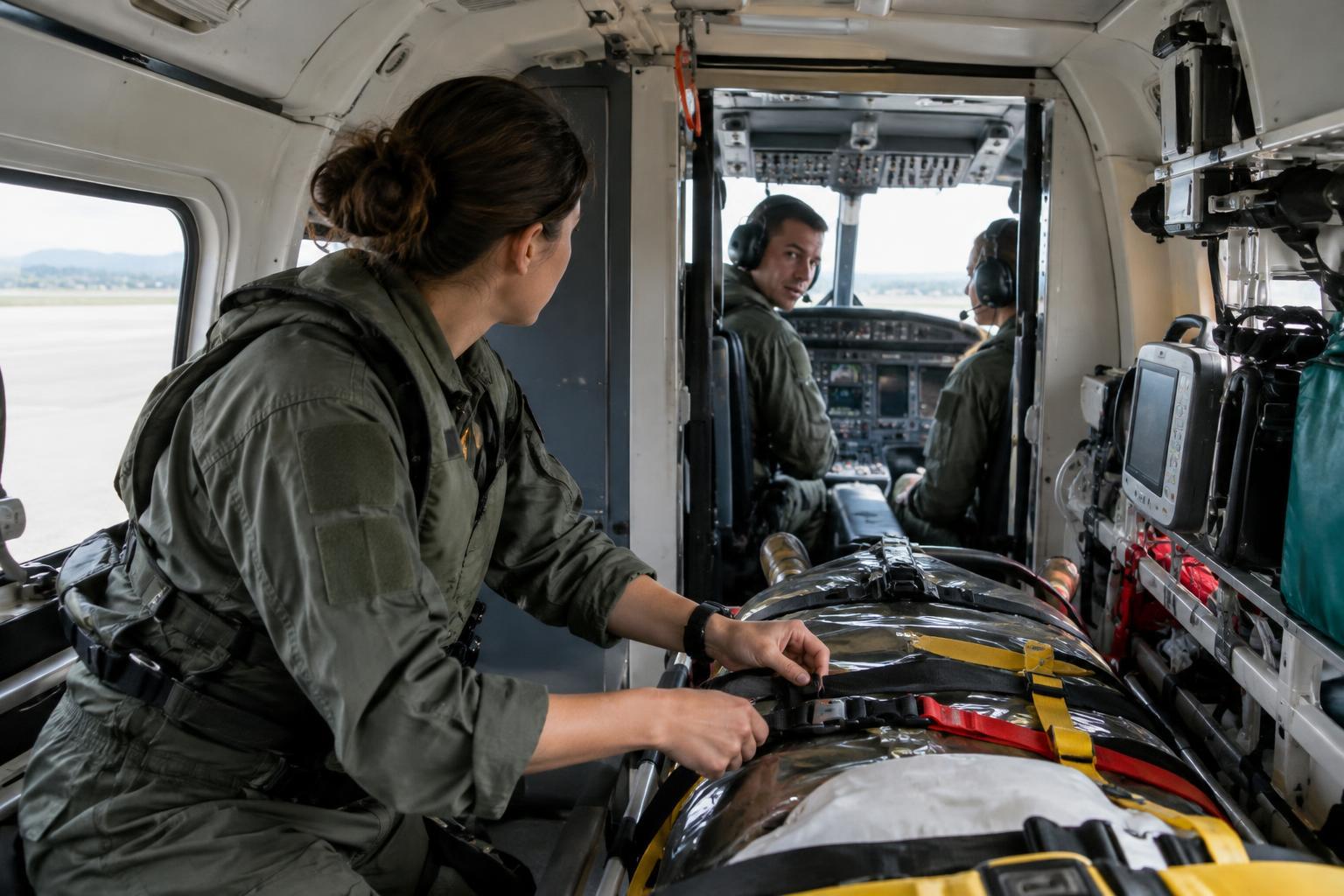
Team CoordinationA rescue flight depends on people in different parts of the aircraft sharing a clear picture of what is ready, what is still changing and what needs attention. Here is how team cross-checking connects cabin preparation with cockpit decisions.
Read article · 4 min↗
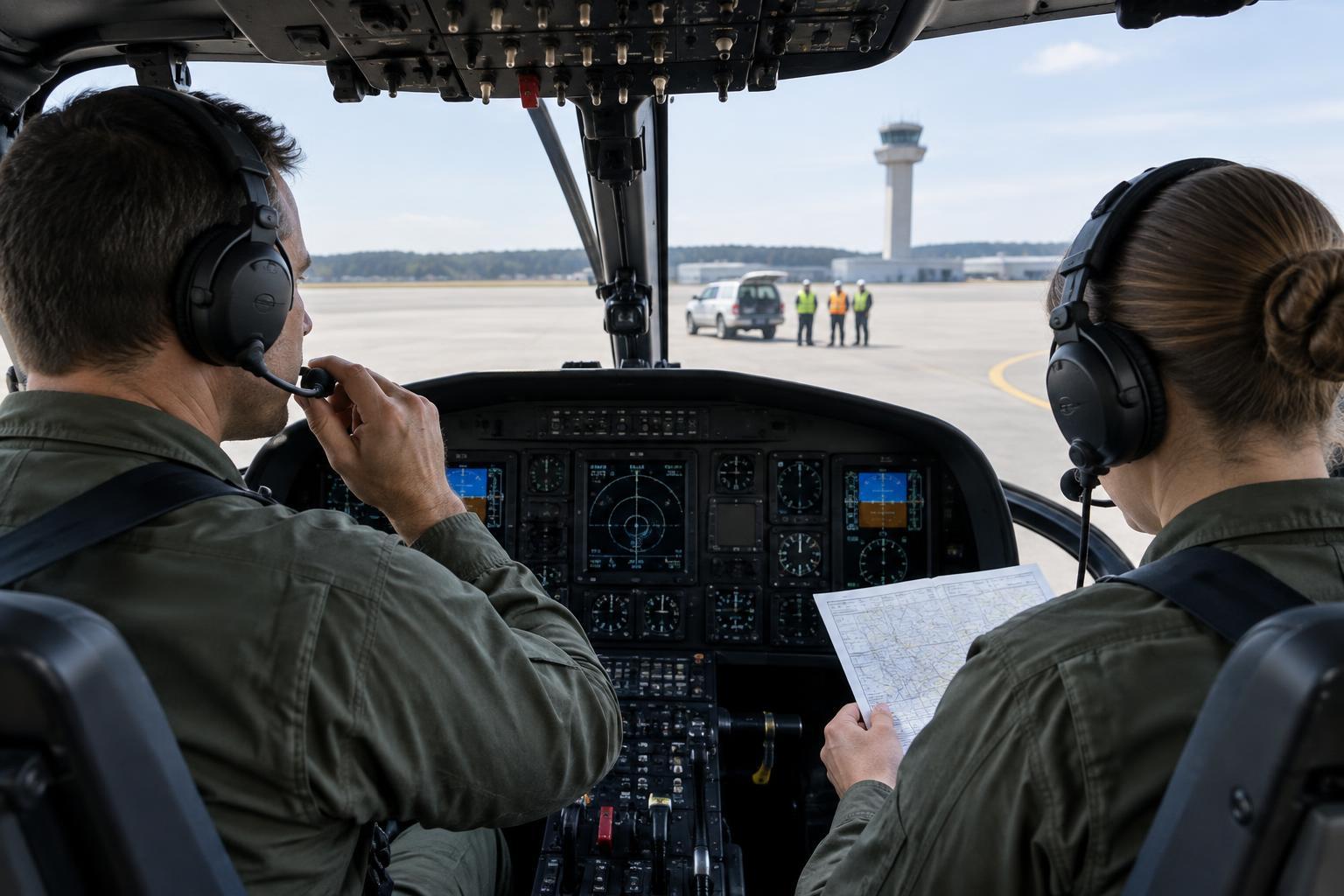
Team CoordinationA rescue aviation mission may involve pilots, air traffic controllers, dispatchers, ground responders and receiving facilities. Each has a different role, so crews use clear, timely communication to keep the aircraft moving safely while coordinating the people and resources needed on the ground.
Read article · 4 min↗
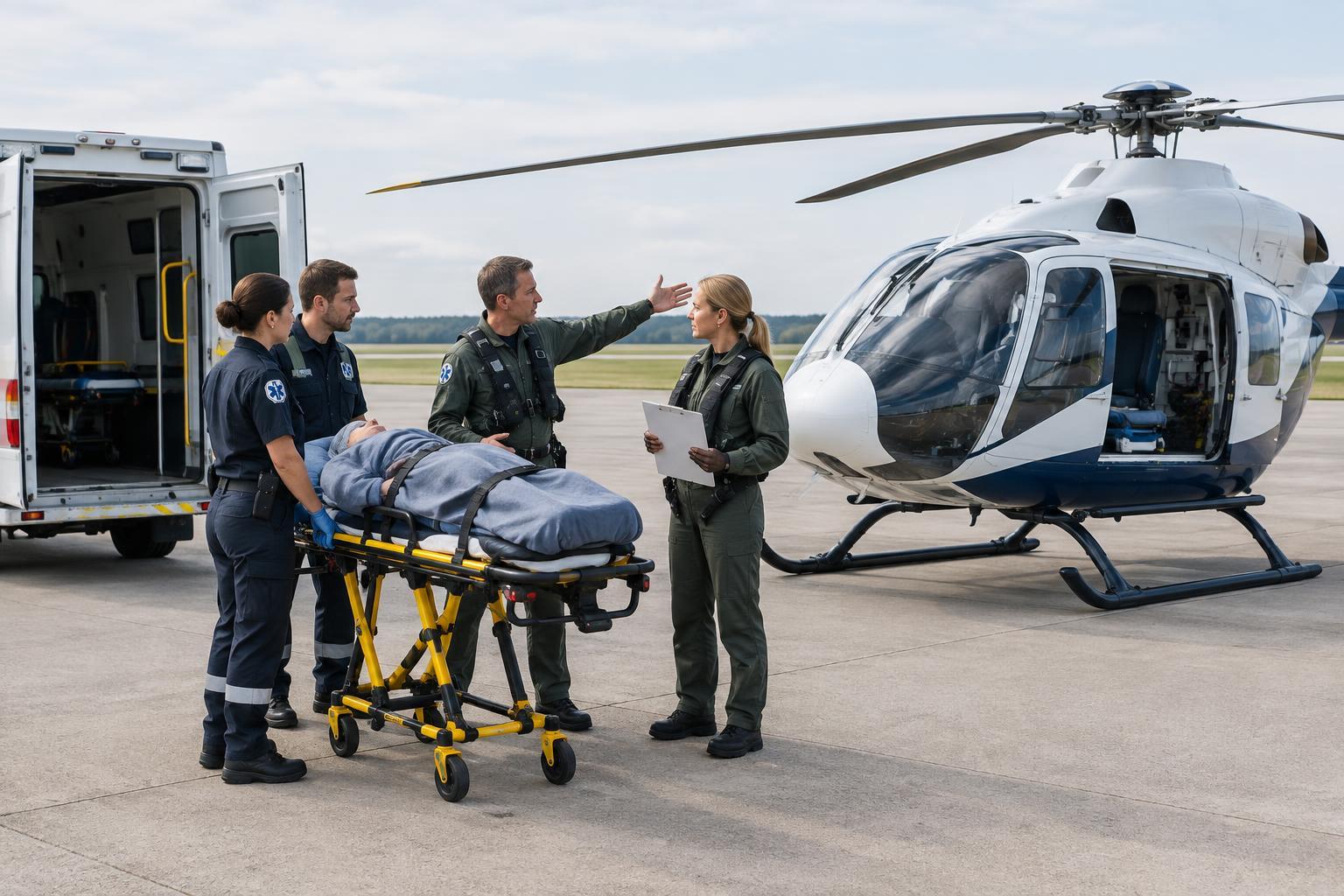
Team CoordinationA patient transfer involves more than moving someone from a ground vehicle to an aircraft. Ground teams and aircraft crews need a shared picture of the plan, clear roles, a prepared transfer area and a deliberate handoff. This overview explains the coordination principles without treating any single workflow as universal.
Read article · 4 min↗
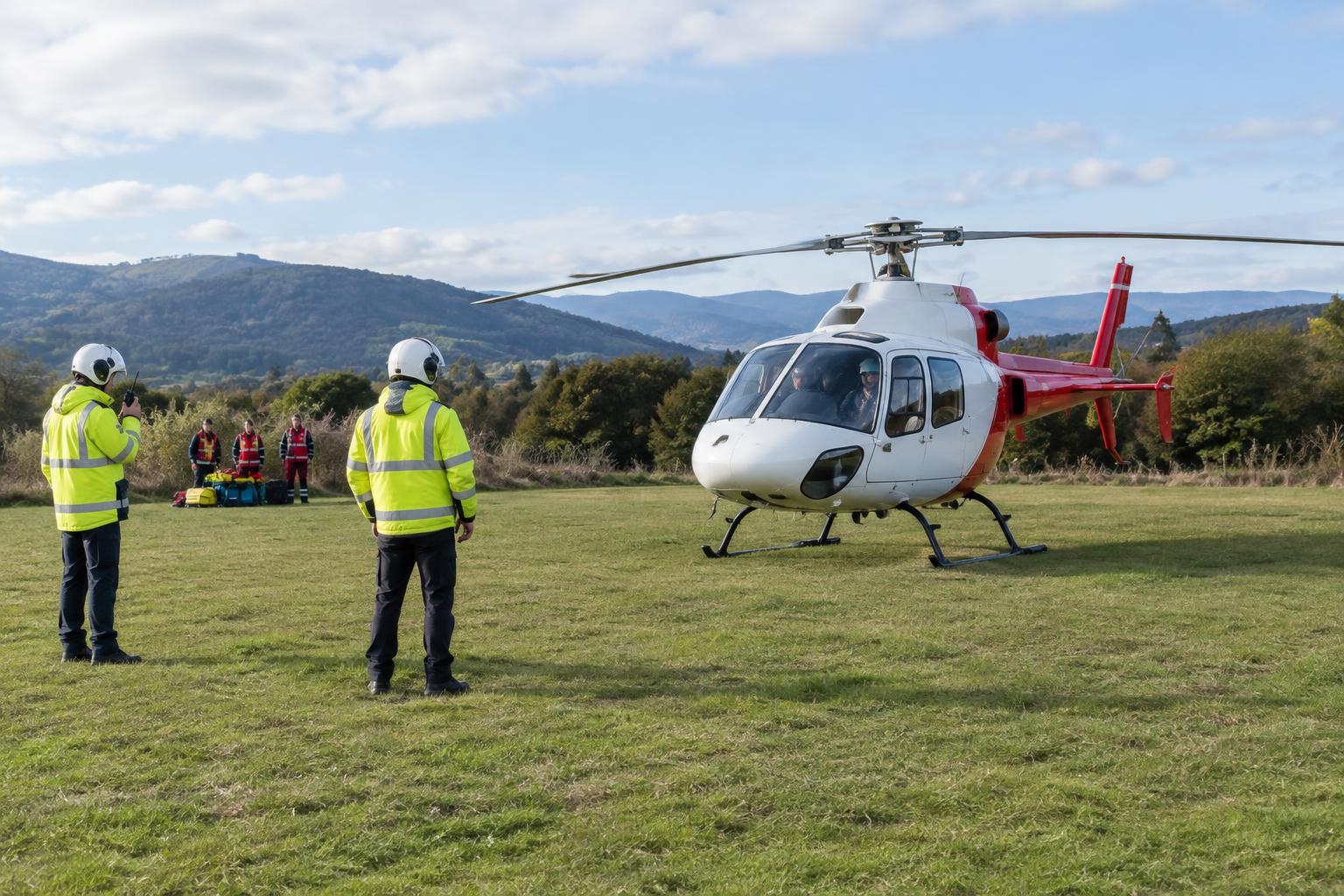
Team CoordinationA helicopter landing zone brings together people with different views of the same scene. Clear roles, timely updates and disciplined communication help flight crews and ground personnel make a shared plan while leaving landing decisions with the pilots.
Read article · 4 min↗
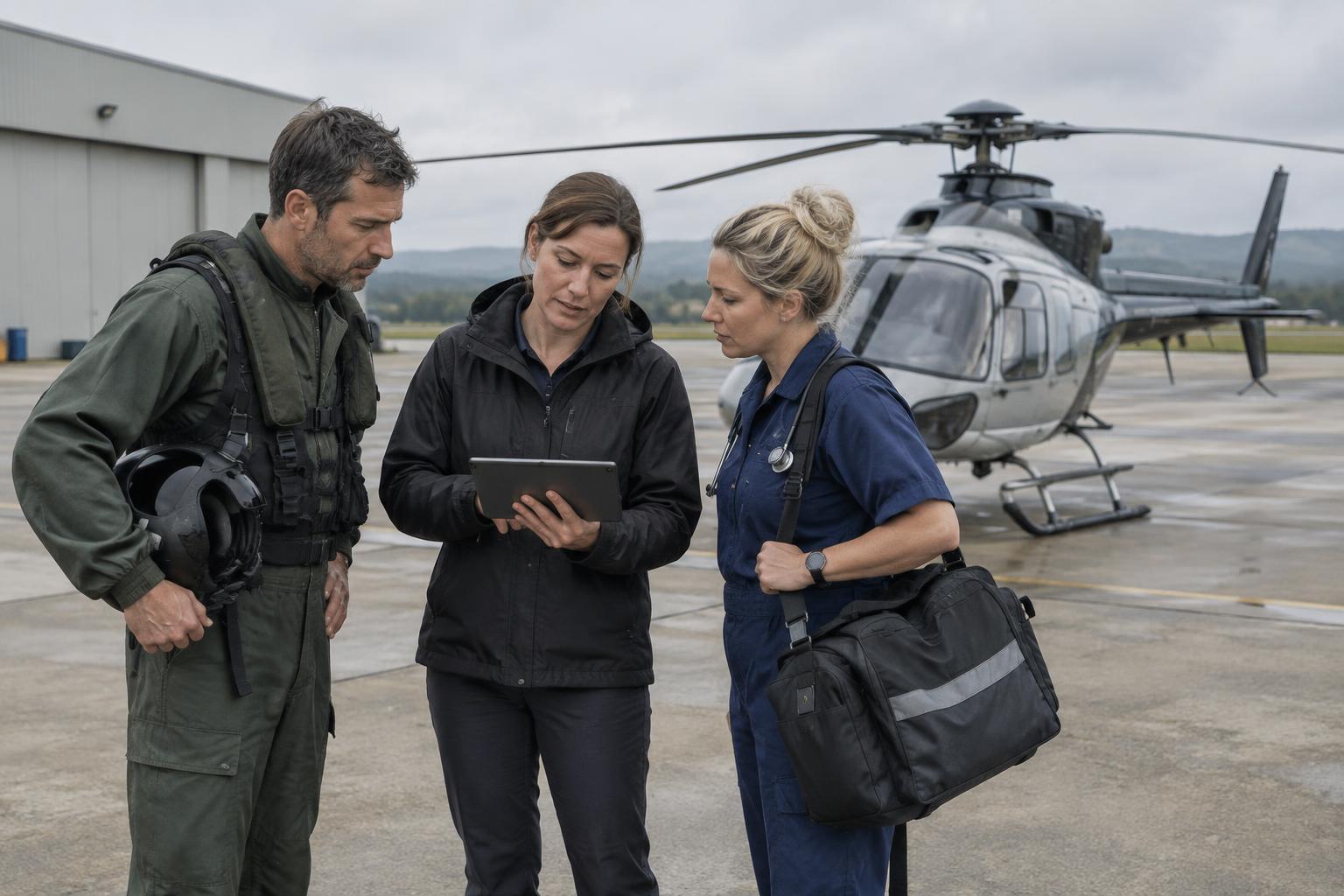
Team CoordinationA rescue flight request may be urgent, but urgency alone does not determine whether an aircraft should depart. Pilots, operations personnel, medical crew and requesting teams each contribute different information. Understanding those roles shows how a coordinated decision can protect the people on board and those waiting for transport.
Read article · 4 min↗
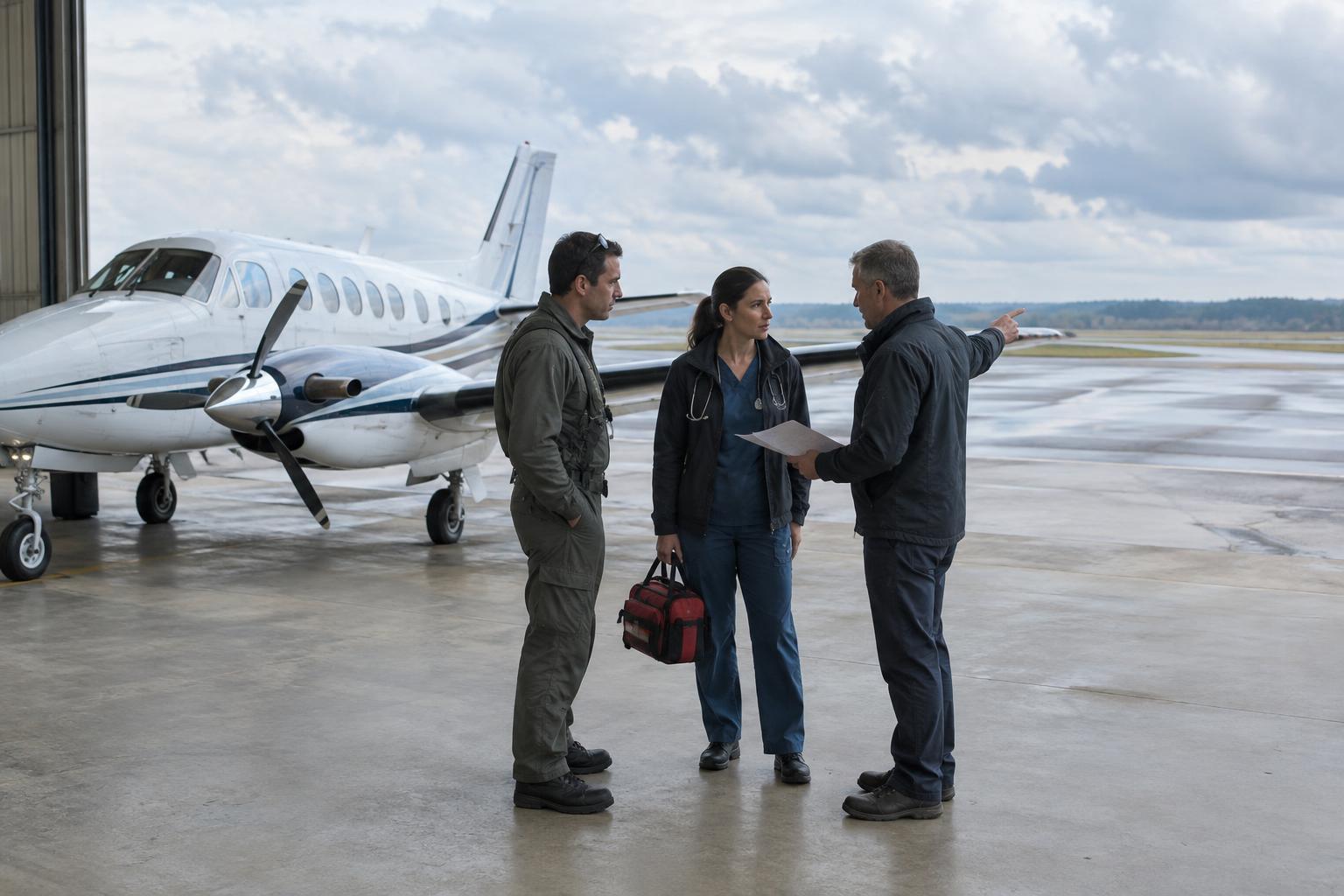
Team CoordinationAn urgent transport request can create pressure to depart quickly. Effective teams make the clinical need clear, assess whether a flight can be conducted safely, and keep workable alternatives in view. The goal is not to minimize urgency, but to make a decision everyone can act on.
Read article · 4 min↗
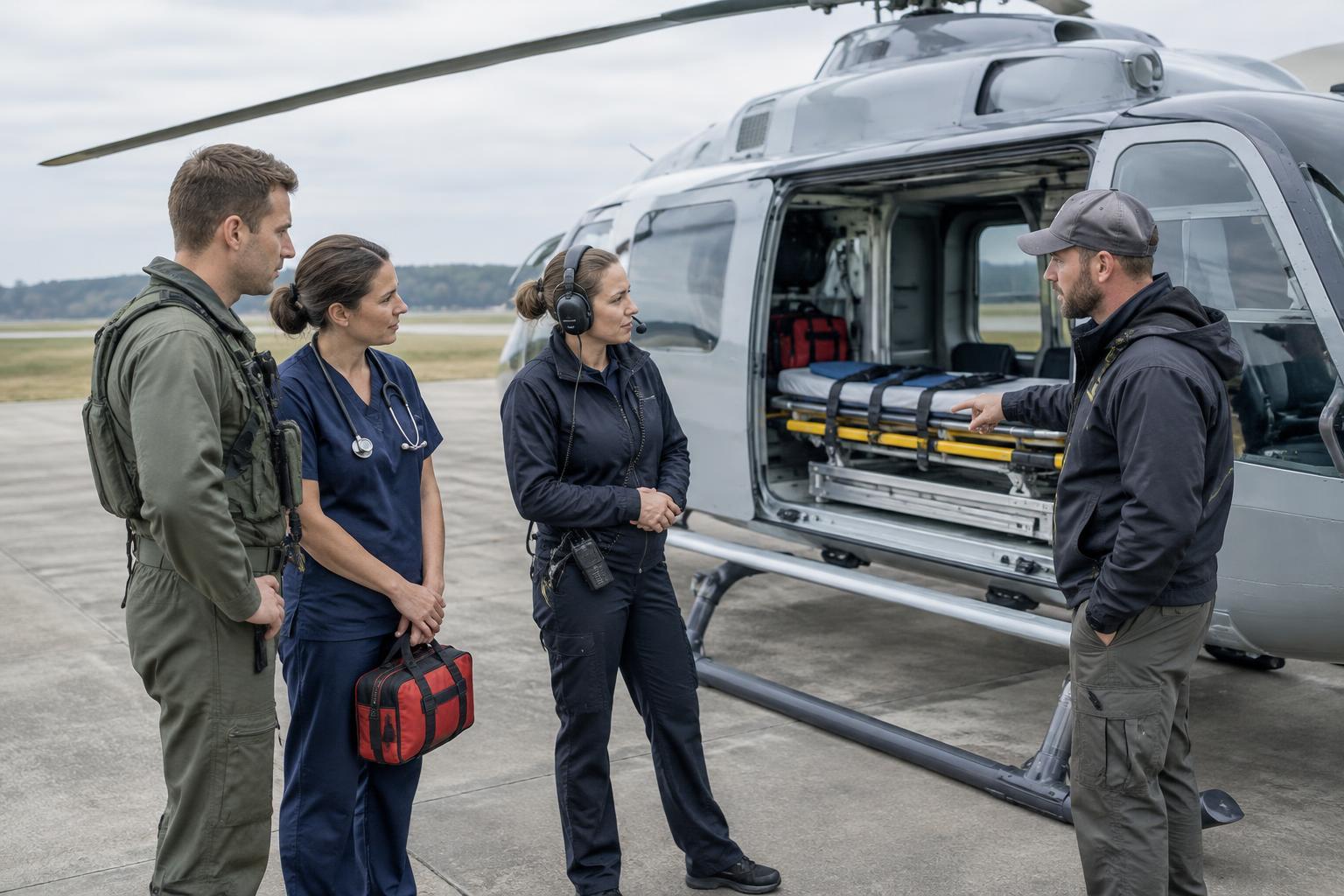
Team CoordinationRescue aviation brings pilots, clinicians, dispatchers and ground responders together under time pressure. A useful observation can come from any seat or role. This article explores how teams can make concerns easier to raise, hear and resolve without blurring professional responsibilities.
Read article · 4 min↗
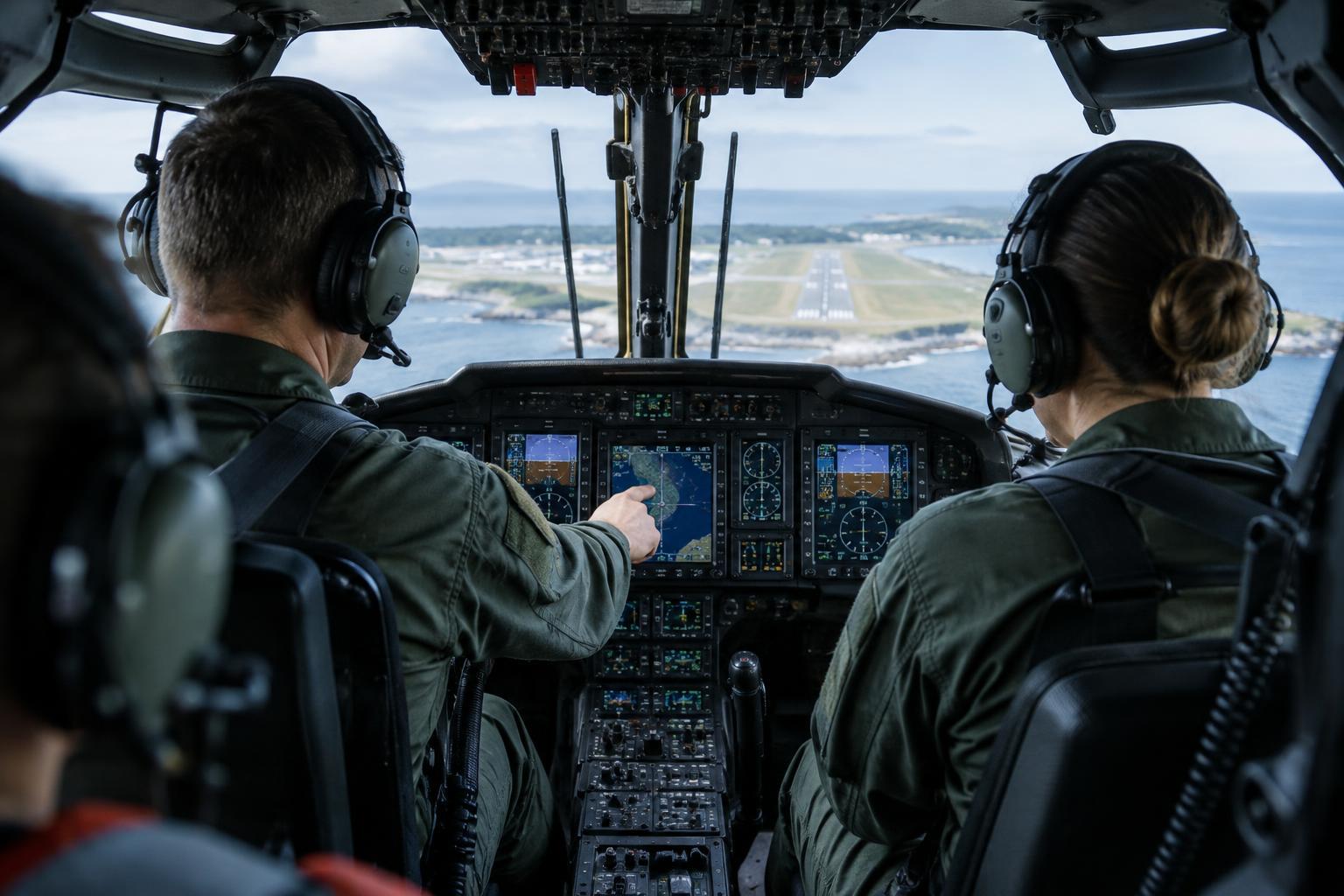
Team CoordinationDuring taxi, takeoff, landing and other demanding moments, crews limit nonessential conversation so important information is easier to hear and act on. Here is how sterile cockpit practices support coordination in rescue aviation without silencing safety-critical concerns.
Read article · 4 min↗
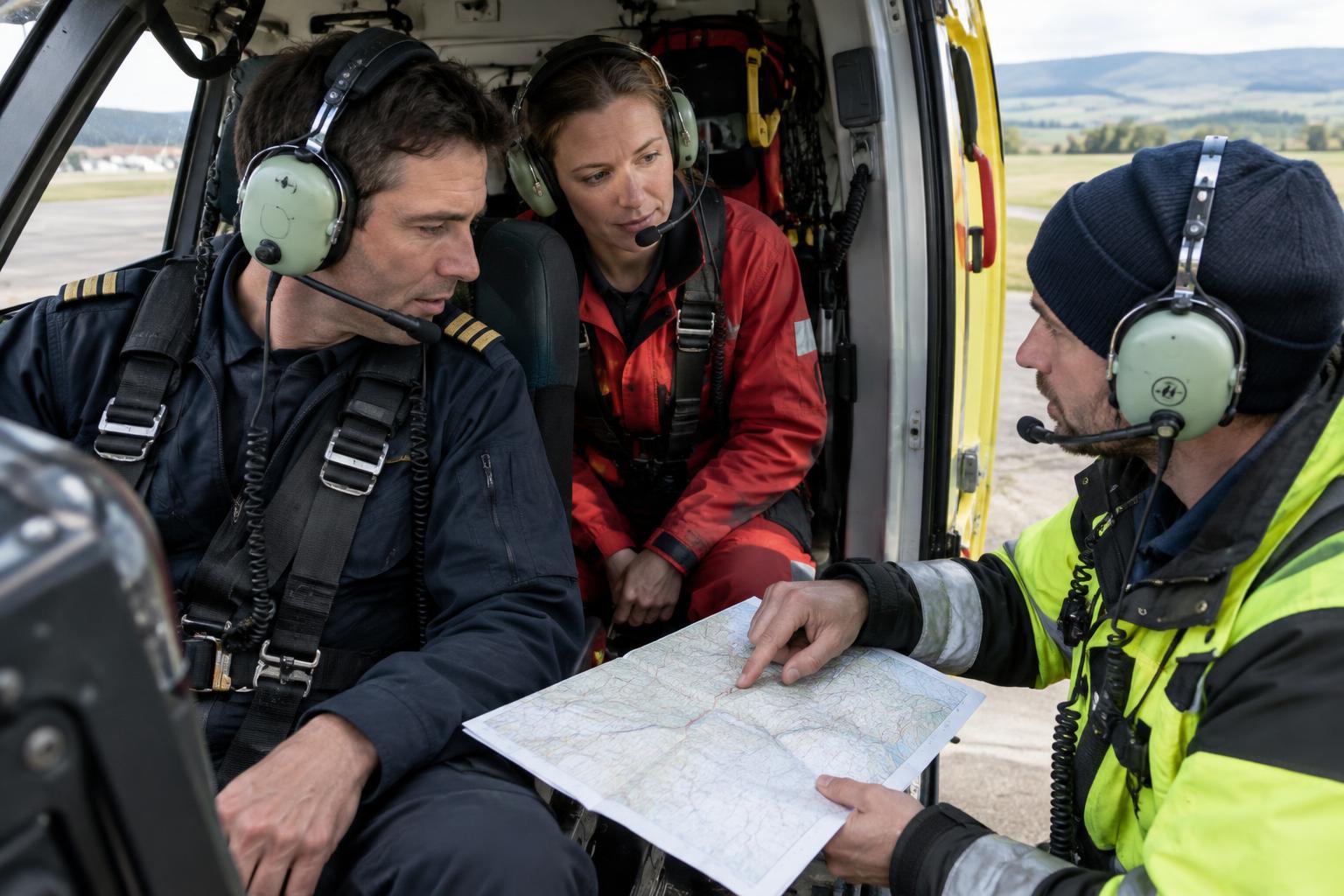
Team CoordinationA changed flight plan affects more than the route on a map. In rescue aviation, crews and support teams need a common understanding of what changed, why it matters, and what remains uncertain. This article explains how clear updates, role awareness, and brief check-backs help teams stay aligned.
Read article · 3 min↗
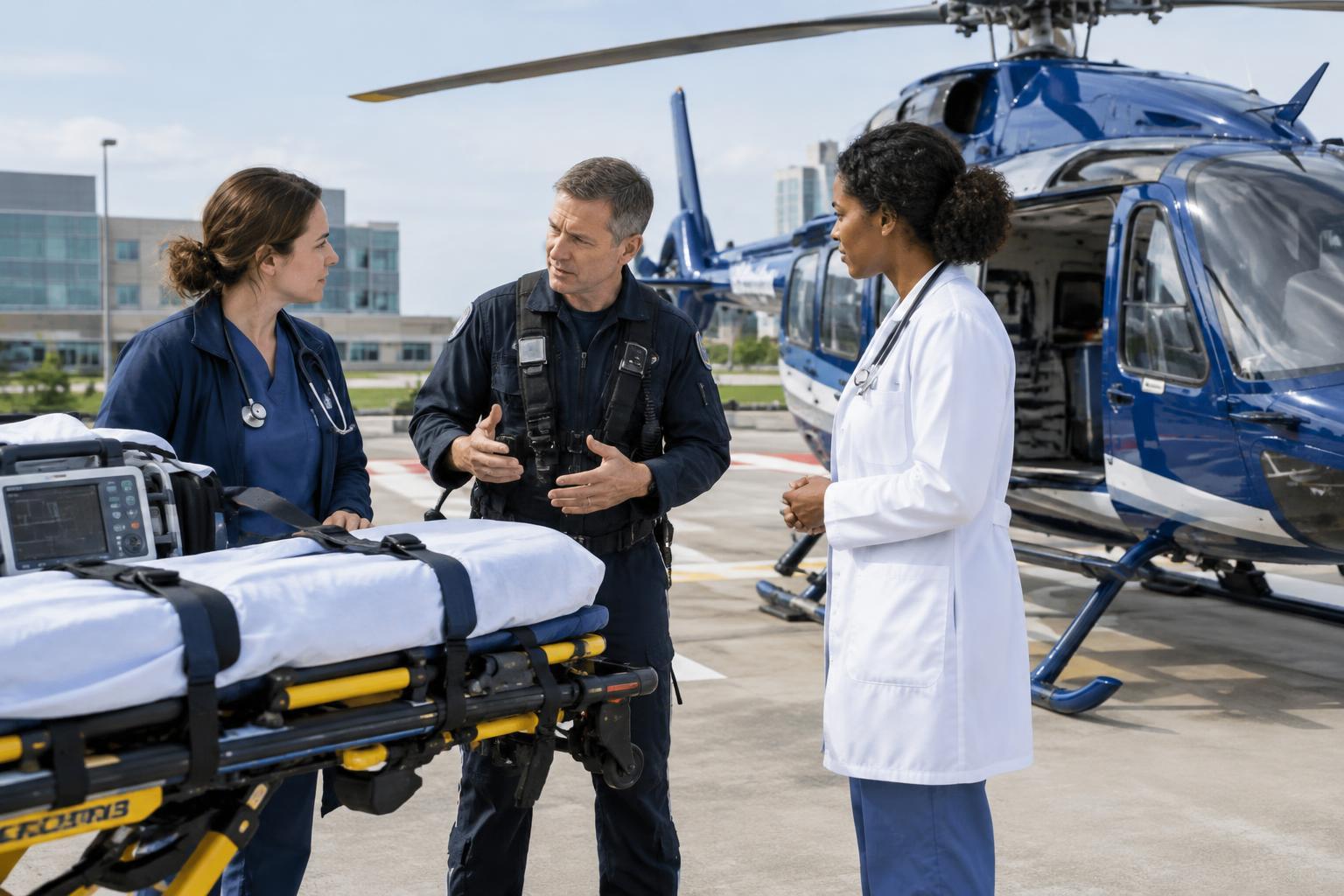
Team CoordinationA patient transport involves more than a flight. It also involves a series of handoffs that help referring teams, flight crews and receiving facilities maintain a shared understanding of the patient, the equipment and the plan.
Read article · 4 min↗
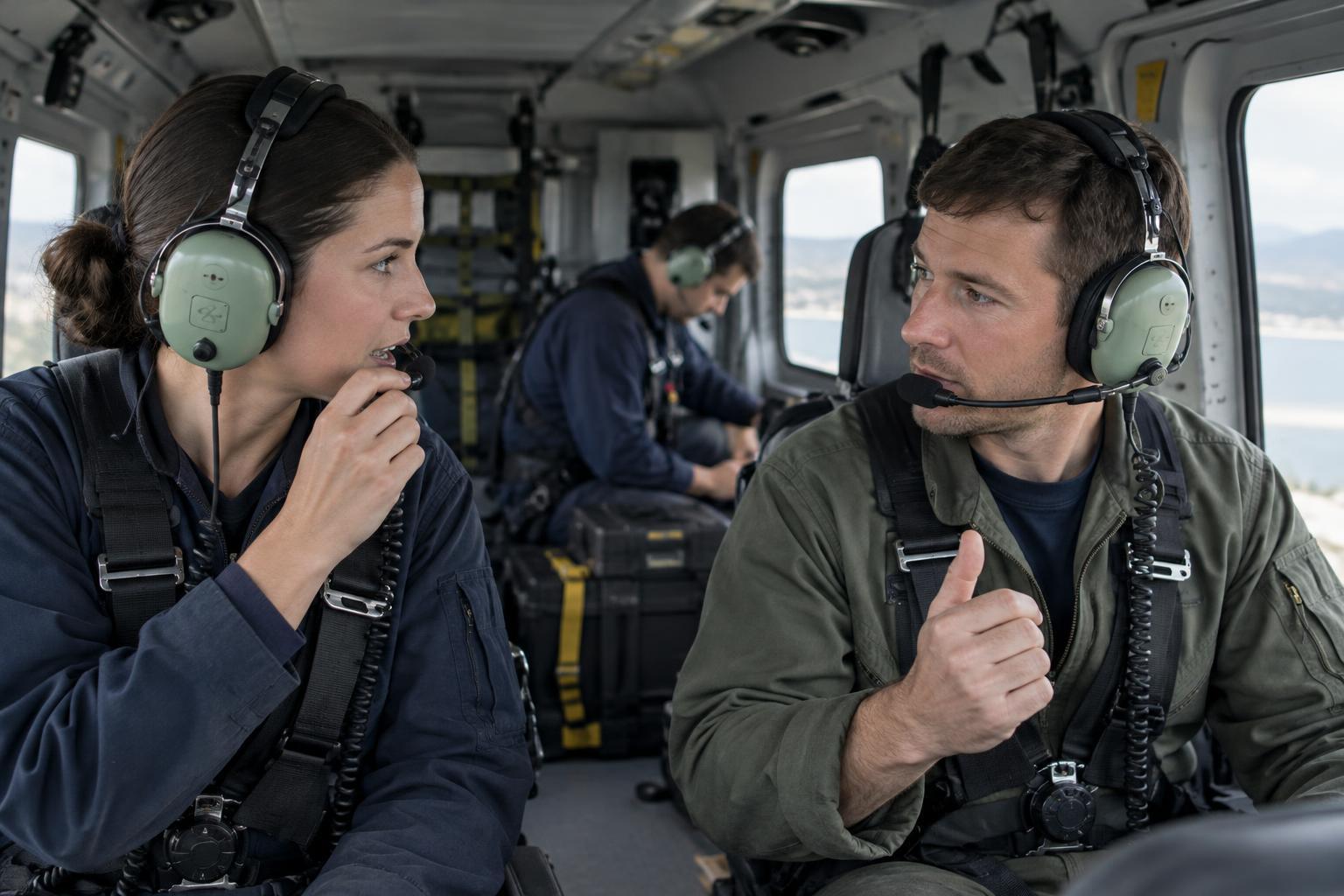
Team CoordinationAircraft noise, divided attention and similar-sounding words can make a short message easy to misunderstand. Closed-loop communication gives a crew a simple way to confirm that an important message reached the right person and was understood as intended.
Read article · 3 min↗
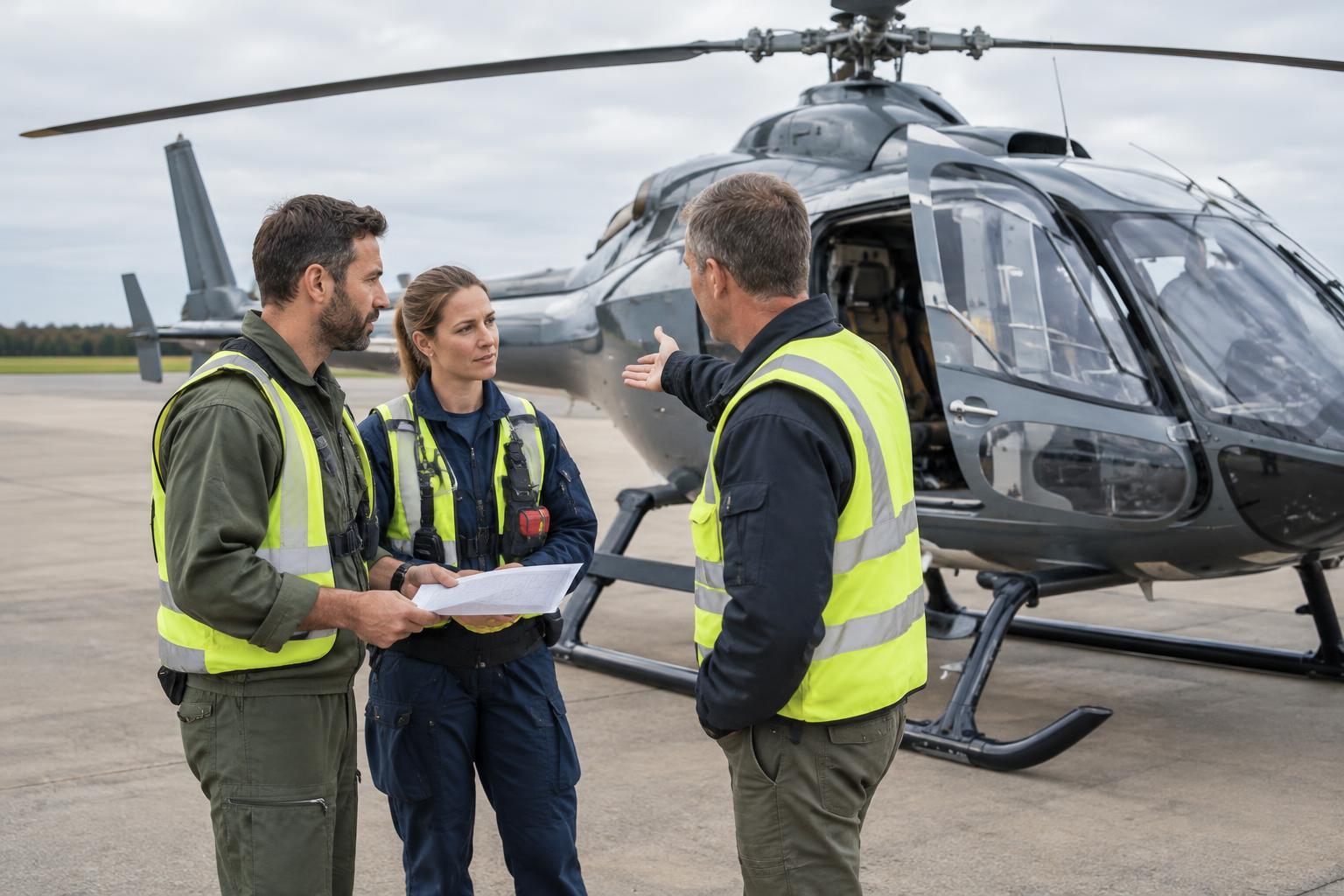
Team CoordinationA preflight briefing gives a rescue aviation team a shared picture of the mission before the aircraft moves. Here is how teams use that conversation to align roles, discuss changing conditions and make it easier to speak up when something does not fit the plan.
Read article · 4 min↗
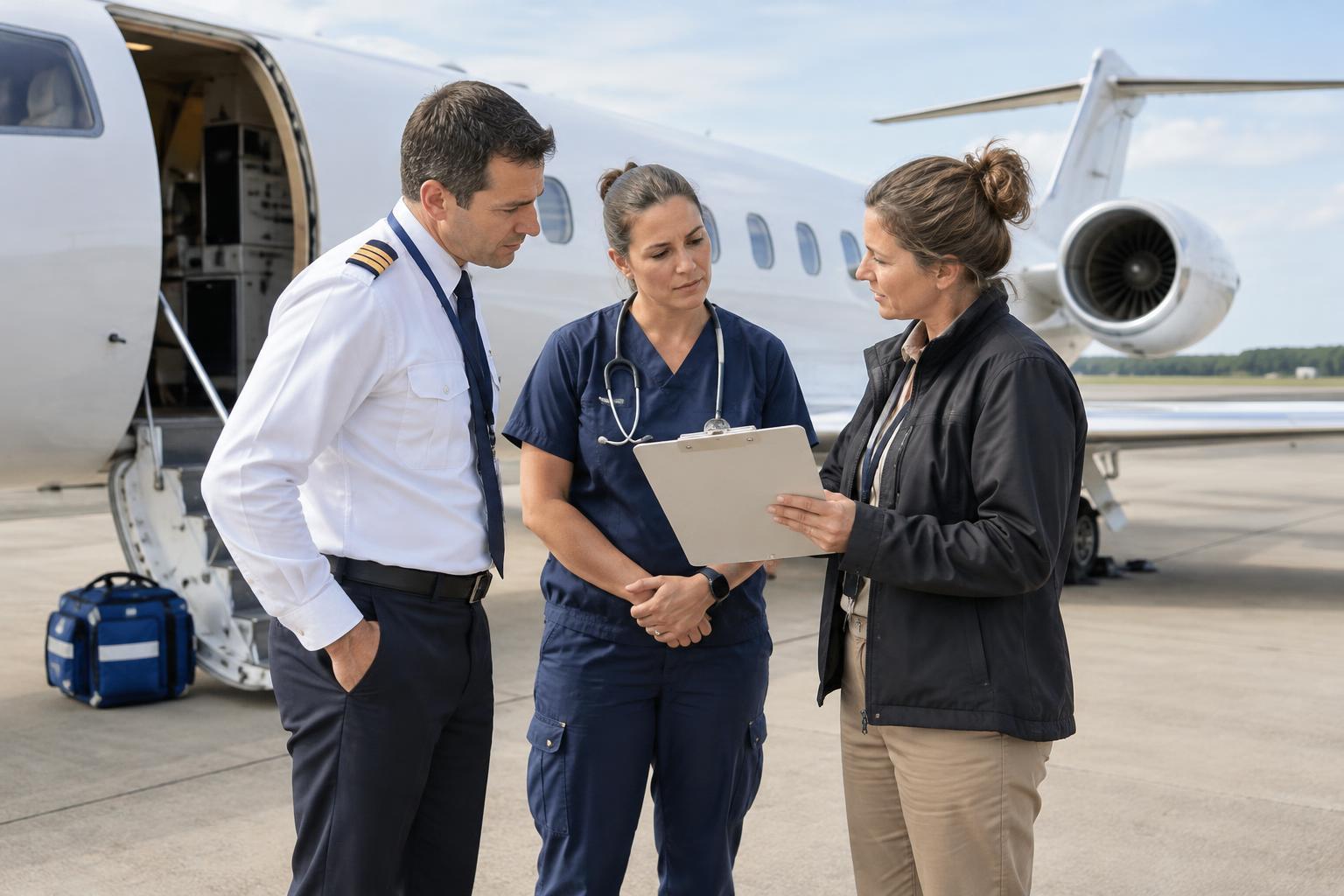
Team CoordinationAn emergency transport depends on more than the aircraft and the people aboard. Pilots, medical crews and coordinators each hold different pieces of the picture. Clear, timely communication helps them understand the mission, recognize changes and keep decisions within the right area of responsibility.
Read article · 4 min↗
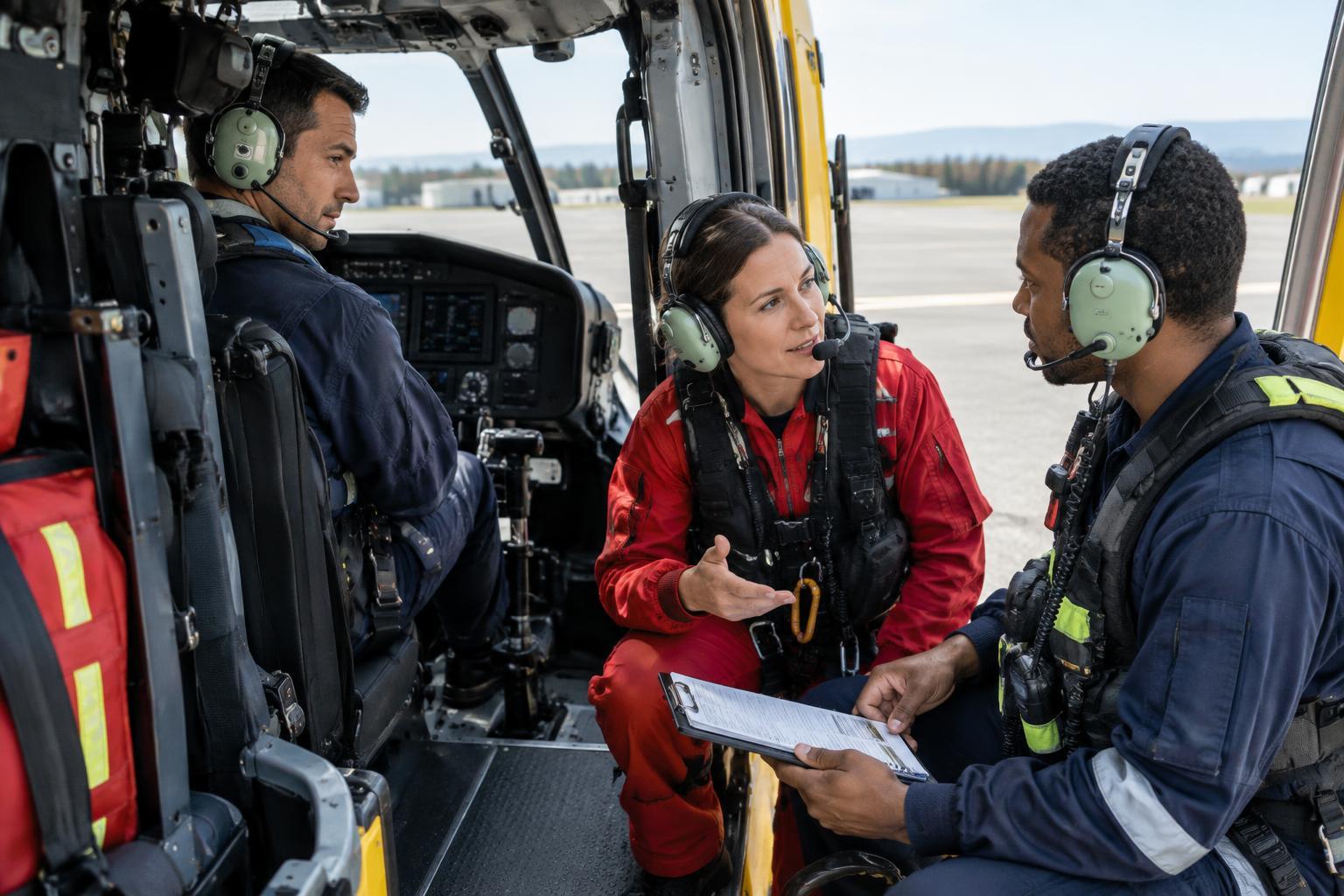
Team CoordinationRescue aviation brings together people with different responsibilities, often under time pressure. Learn how crew resource management helps them share information, question assumptions, manage workload and coordinate decisions.
Read article · 4 min↗