Why the person who notices matters
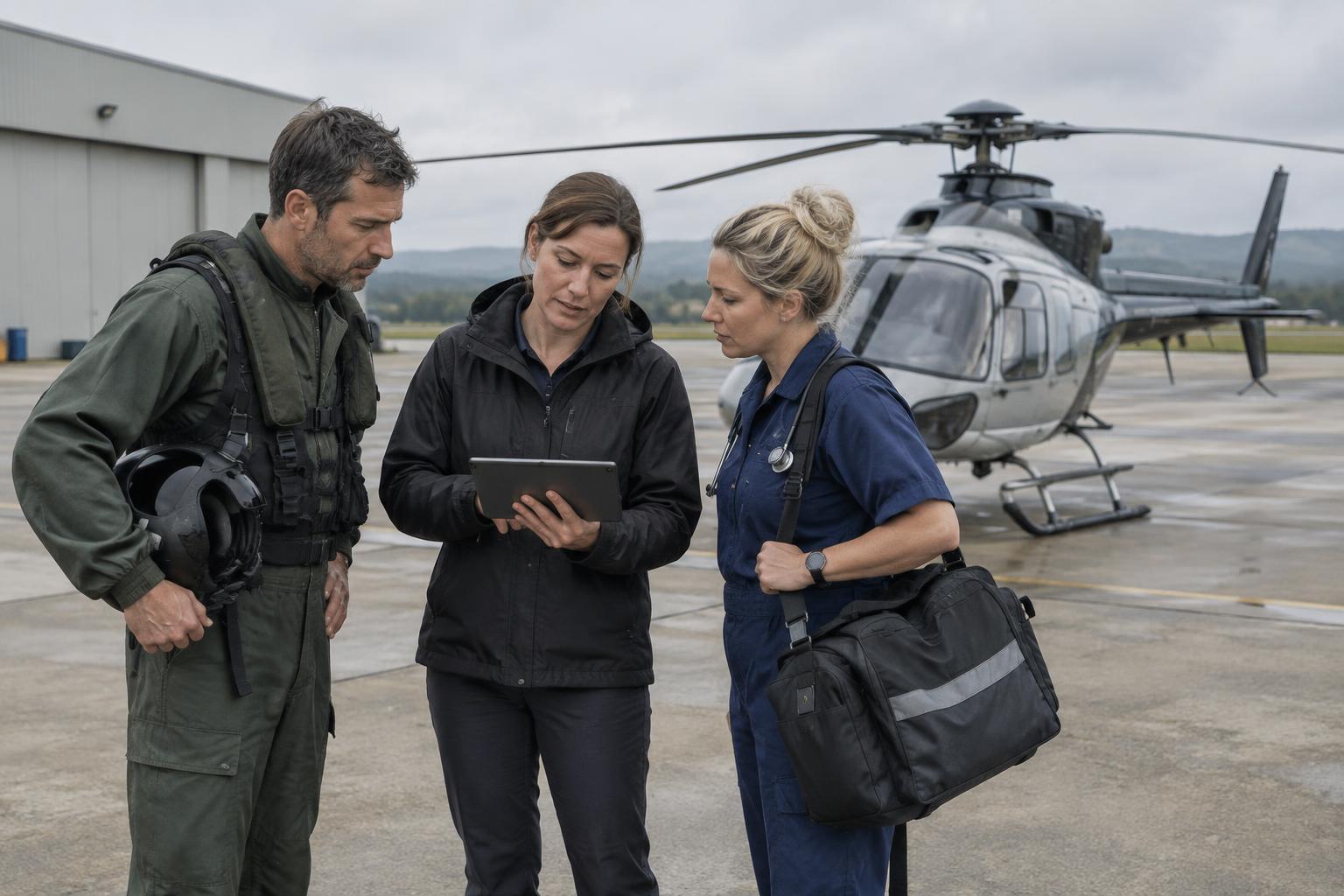
A rescue aviation mission draws on people with different training and different views of the same situation. A pilot may be focused on the aircraft and operating environment. A clinician may be focused on the patient. A dispatcher may know about a change in the destination or a message from a ground team. None of these perspectives is complete on its own, and a detail that seems minor in one role may matter greatly to another.
Rank, experience and professional identity can make speaking up difficult. A newer crew member may hesitate to question someone who has flown for years. A clinician may be unsure whether an observation about the landing area belongs in an aviation discussion. The goal is not for everyone to make everyone else’s decisions. It is for relevant information to reach the person responsible for a decision while there is still an opportunity to consider it.
Make concerns specific and easy to hear
A useful concern names what has been observed and why it needs attention. “I heard the destination change, but I still have the earlier location on my notes” gives colleagues something they can check. “This feels wrong” may be an honest starting point, but adding the detail behind it helps the team respond. If the detail is not yet clear, saying so is better than presenting an assumption as fact.
Brief, direct language is especially valuable when several people are sharing a communication channel. A speaker can address the relevant person, state the observation and ask for confirmation or a pause to clarify. The response matters too: repeating back the point or explaining what will be checked shows that it was heard. Acknowledging a concern does not require agreeing with every interpretation, but silence can leave the speaker unsure whether the message reached anyone.
Keep boundaries clear without building walls
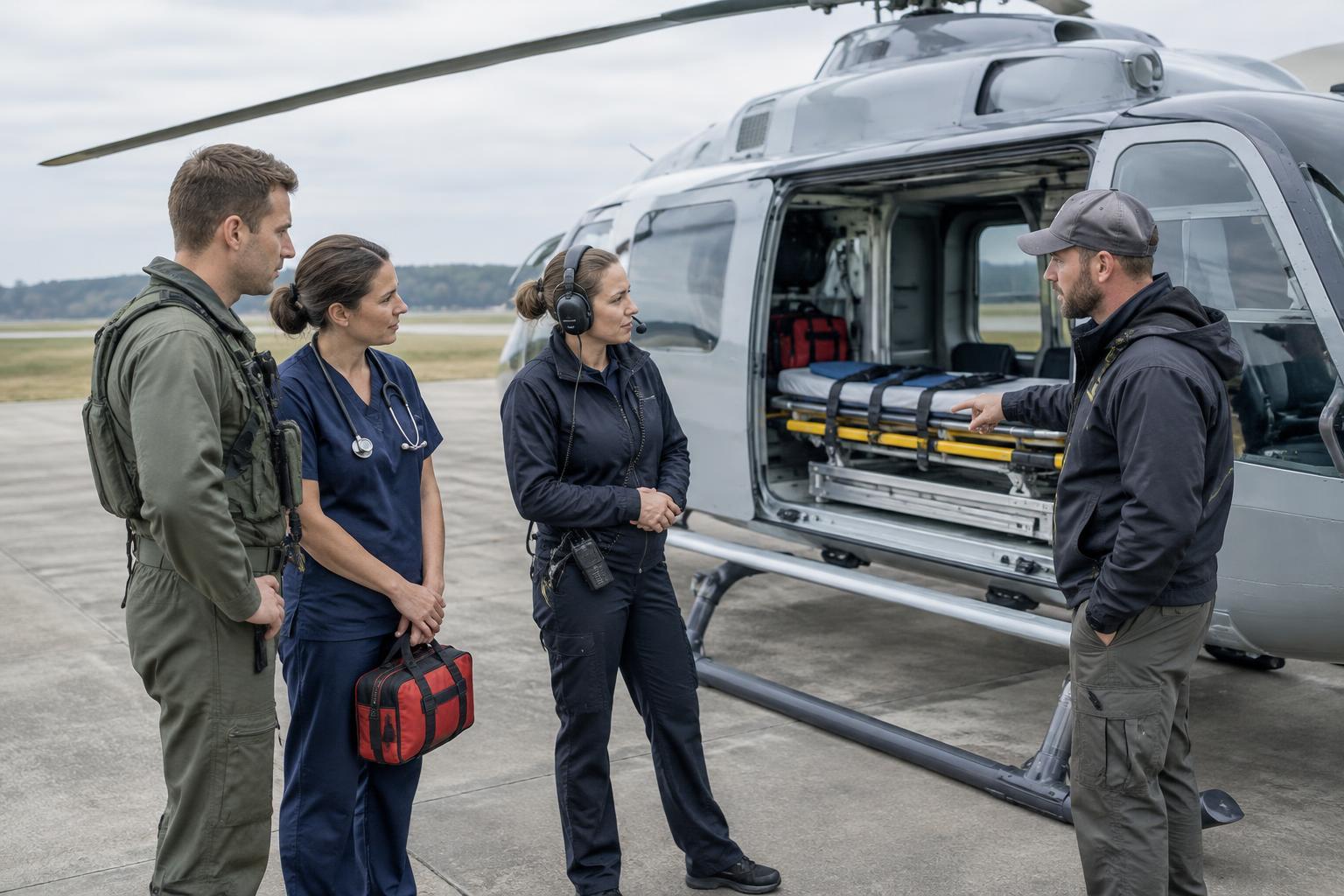
Speaking up across professions does not erase specialized responsibilities. Aircraft decisions belong to those assigned to make them; patient-care decisions belong to appropriately qualified clinicians. Yet either group may hold information the other needs. A clinician can report that patient equipment appears unsecured without prescribing how the aircraft should be operated. A pilot can ask whether a planned step will affect cabin readiness without directing clinical care.
The same principle applies beyond the aircraft. Dispatchers and ground responders may have valuable information but limited visibility into what the crew can see or hear. Framing messages as observations, changes or questions helps avoid implying certainty that the sender does not have. Teams can then combine those reports with their own information, established procedures and assigned decision-making roles.
Build permission to question before pressure rises
Teams are more likely to exchange concerns when leaders welcome questions in ordinary moments, not only during a difficult mission. A short briefing can invite each person to mention uncertainties within their area of work and anything they need from another role. Experienced members can also model the behavior by saying when they are checking an assumption or have changed their understanding. That makes a question look like part of the work rather than a challenge to authority.
When a concern is raised, the first reaction sets a tone. A calm “What are you seeing?” invites useful detail; a dismissive response may make the next person less willing to speak. This does not mean every conversation should become lengthy. It means giving a concern enough attention to identify whether it is understood, who is responsible for assessing it and whether anything has changed.
Close the loop and learn afterward
Communication is incomplete if a warning disappears into a busy moment. Where practical, the person receiving a concern can state the next step: confirm a detail, pass it to the appropriate role or explain why the team is proceeding. If uncertainty remains, saying what is still unknown helps others avoid treating the matter as settled. The exact method will depend on the organization’s procedures and the demands of the situation.
Afterward, a debrief can examine whether important information moved between roles, rather than simply asking who was right. Was a concern raised early enough to consider? Did the intended person hear it? Did anyone assume another profession already knew? These questions turn speaking up into a shared communication practice. The strongest team culture is not one in which nobody is questioned; it is one in which a well-founded question can travel across rank and professional boundaries and receive a clear response.