One scene, different responsibilities
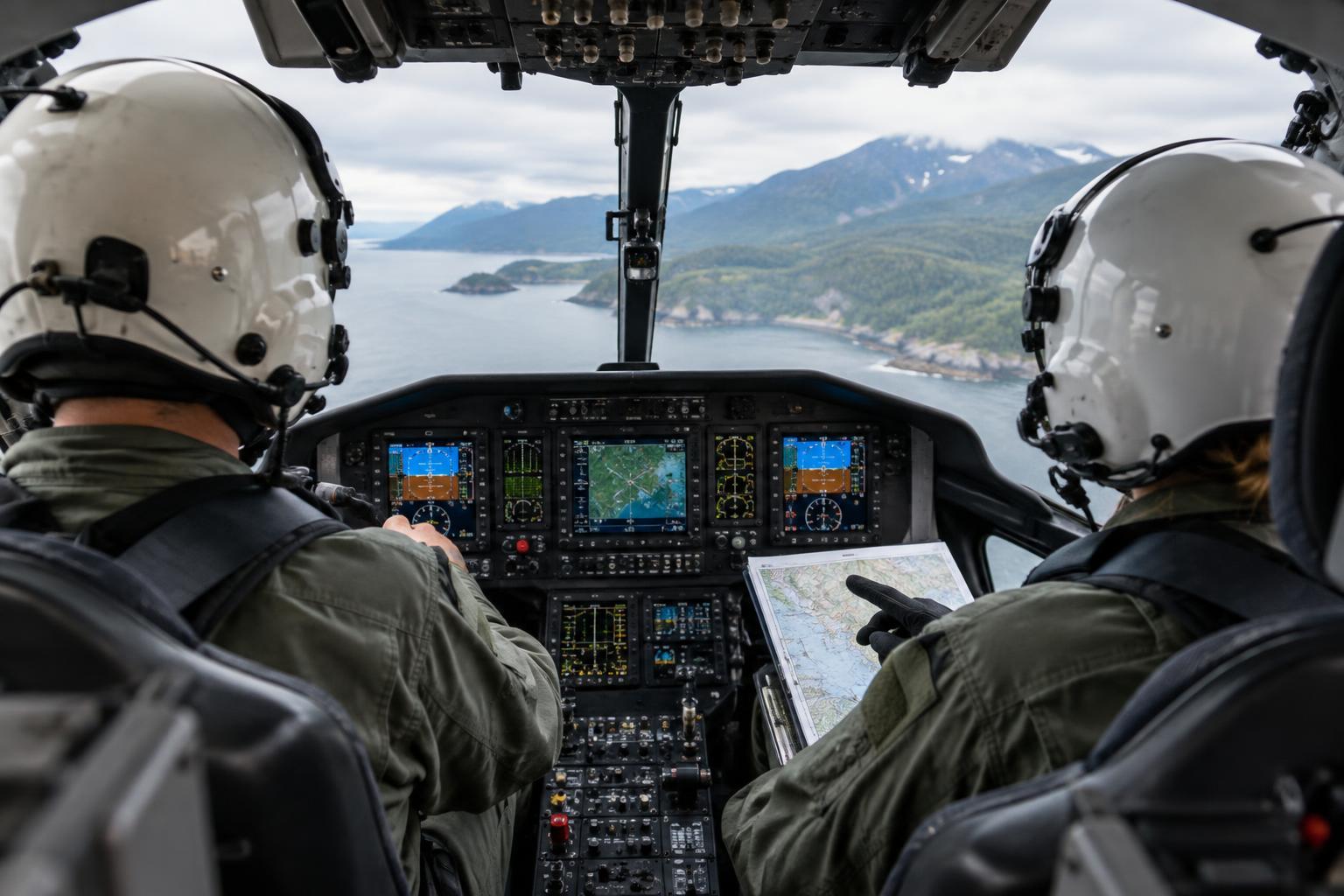
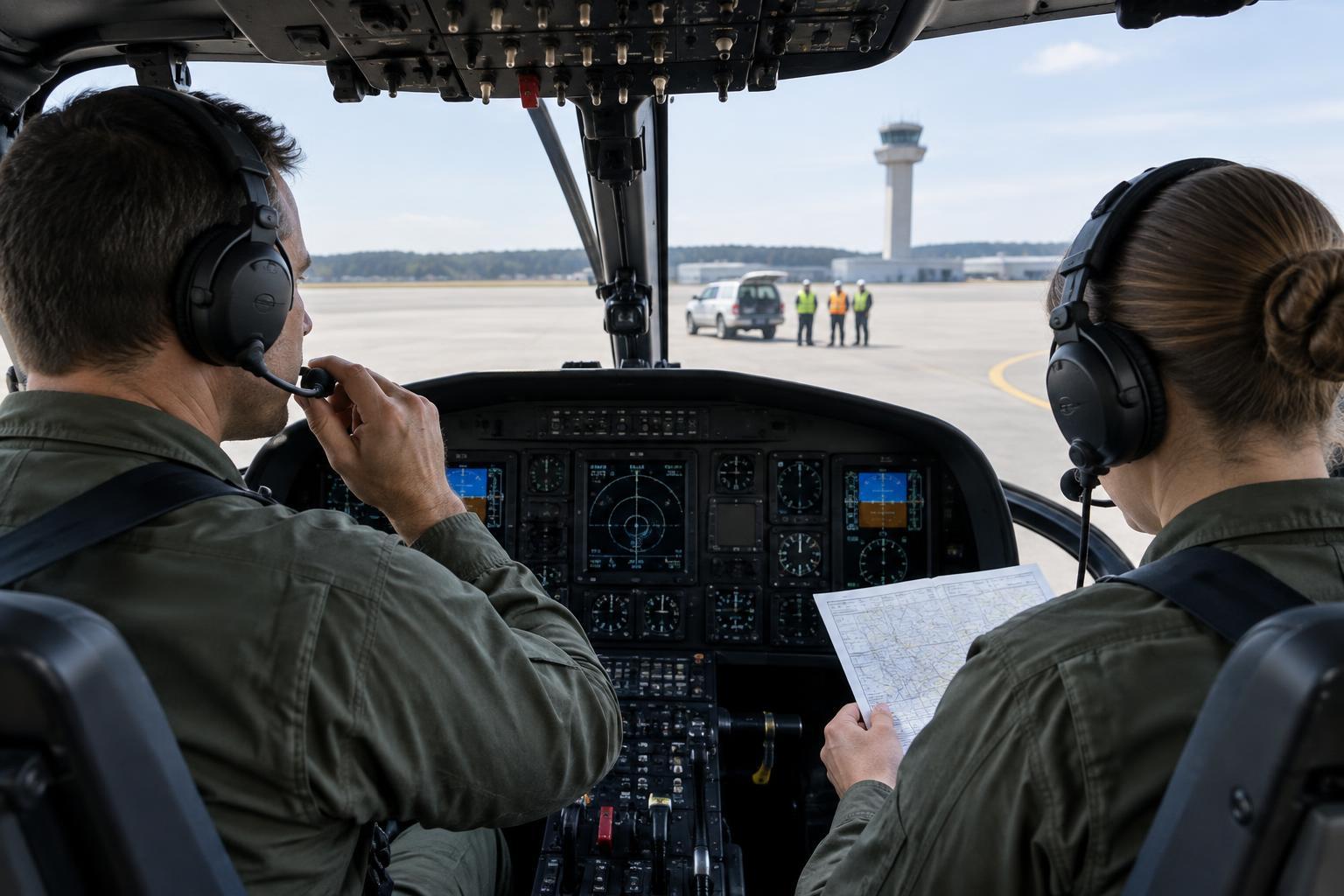
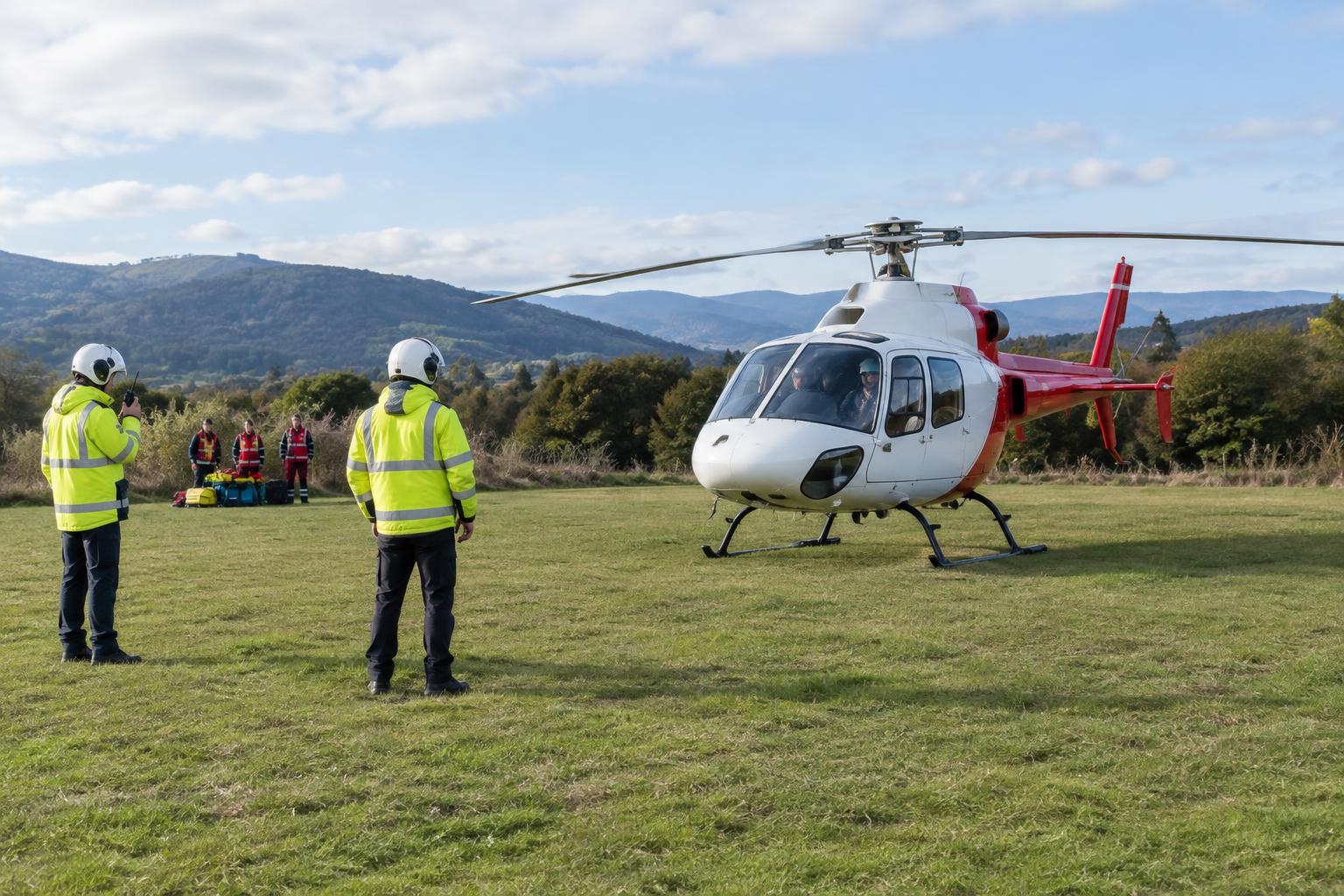
At a helicopter landing zone, ground personnel and the flight crew see different parts of the operation. People on the ground can assess nearby traffic, bystanders, loose objects and changes around the proposed landing area. The pilots can assess the approach, aircraft performance and conditions that may not be apparent from the ground. Coordination works best when each group shares what it knows without assuming it can make the other group’s decisions.
Roles vary by organization and incident, but a ground contact is often designated to relay information and keep messages consistent. Other personnel may manage access, observe the perimeter or prepare for a patient transfer. Within the aircraft, pilots and any additional crew members follow their own procedures and divide communication duties according to their roles. The aim is a common picture of the scene, not a stream of competing directions.
Building a useful picture before arrival
An early report is most useful when it describes conditions rather than declaring a site safe. The ground contact can communicate the proposed location, how it can be identified, and visible concerns such as wires, poles, trees, uneven terrain, vehicles or people nearby. Wind indicators, dust, snow or reduced visibility may also matter. Descriptions should be specific enough to help the crew assess the site, while acknowledging anything that has not been checked.
Conditions can change between the first report and the aircraft’s arrival. A vehicle may move, spectators may gather or rotor wash may disturb lightweight items. For that reason, ground personnel continue observing and pass along meaningful changes promptly. Pilots may ask for clarification, request a different location or decide not to land. A prepared ground team supports that decision even if it means changing the original plan.
Communication that reduces confusion
Radio traffic is easier to act on when it is brief, plain and tied to an observable fact. A message such as “a vehicle has entered the proposed landing area” conveys more than a vague warning to “watch out.” If several agencies are present, agreeing on who will speak to the aircraft helps prevent duplicate or contradictory reports. Ground teams can still share observations among themselves, then route relevant updates through the designated contact.
Good communication includes confirmation. A repeated location, a clarification question or a clear acknowledgment can reveal a misunderstanding before it affects the operation. Silence should not be treated as proof that a message was received. Teams also benefit from planning how they will communicate if a radio channel is unavailable, using the procedures and signals established by the organizations involved rather than improvising during the approach.
Keeping people and equipment clear
A landing zone is a moving environment, not simply an empty patch of ground. Rotor wash can move unsecured items, and aircraft noise can make spoken instructions hard to hear. Ground personnel help by controlling access, keeping observers back and monitoring for new hazards. They also need to account for vehicles, stretchers and equipment that may be needed after landing but should not drift into aircraft movements.
No one should infer that an approaching or landed helicopter is ready for people to come forward. The flight crew controls when and how anyone approaches the aircraft under its procedures. Ground personnel can prepare a clear route and make sure others understand that they must wait for direction. If the scene becomes less suitable, reporting the change is more valuable than trying to preserve the original plan.
From landing to handoff
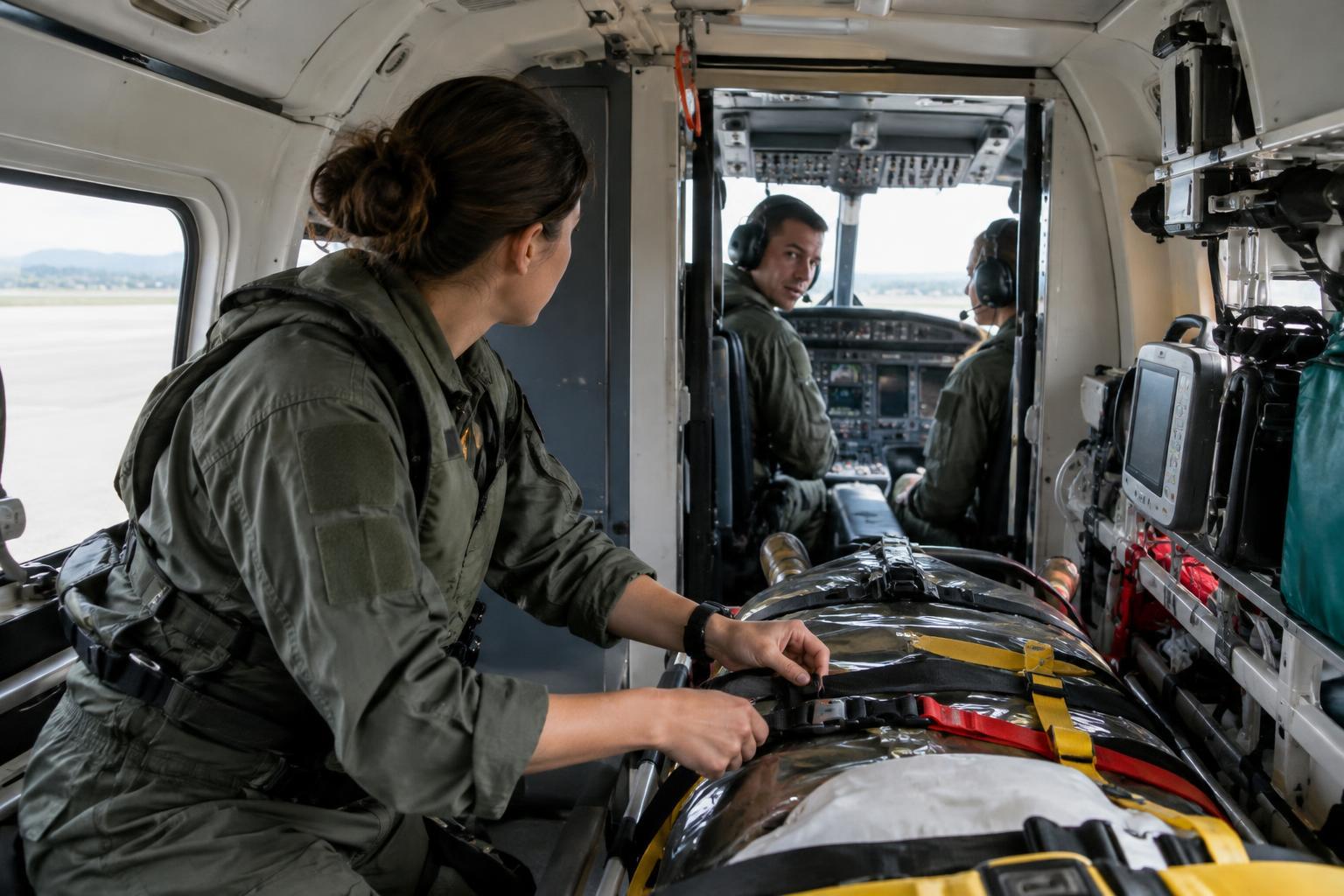
After landing, coordination shifts toward the purpose of the flight while aircraft safety remains central. For an emergency transport, the ground and flight teams may need to exchange concise information about the patient, equipment and intended transfer. A clear handoff identifies what has been done, what still needs attention and who is responsible for the next step. The details depend on the organizations involved; the underlying goal is to avoid gaps or repeated assumptions.
Departure deserves the same attention as arrival. People, vehicles and loose equipment must remain accounted for as the crew prepares to leave, and any new obstacle should be communicated. Once the aircraft is clear, a brief review can help teams identify which reports were useful and where coordination was difficult. Landing zone teamwork is not about one group directing every action. It is about sharing timely observations, respecting distinct responsibilities and adapting together when the scene changes.