Readiness is a shared picture
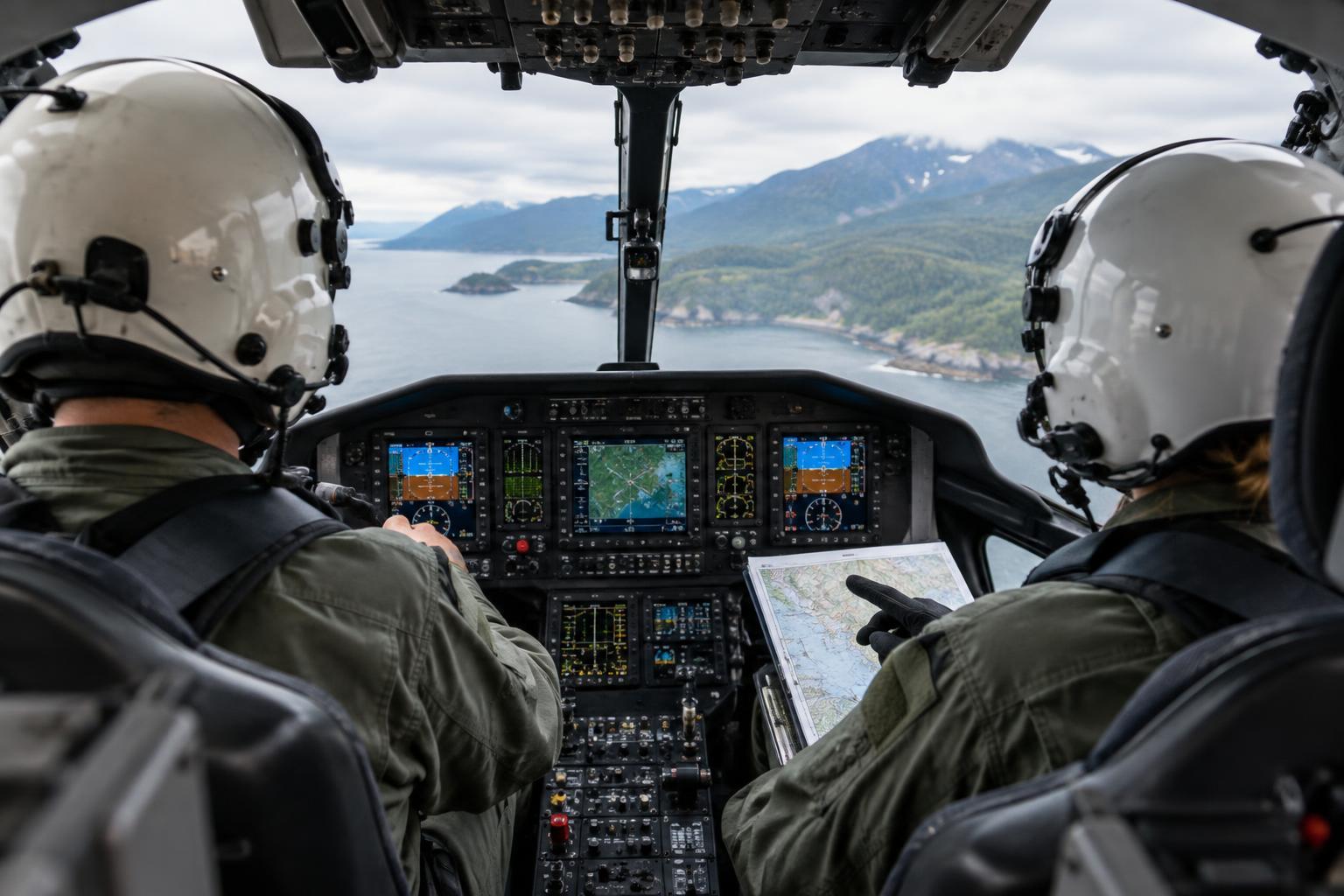
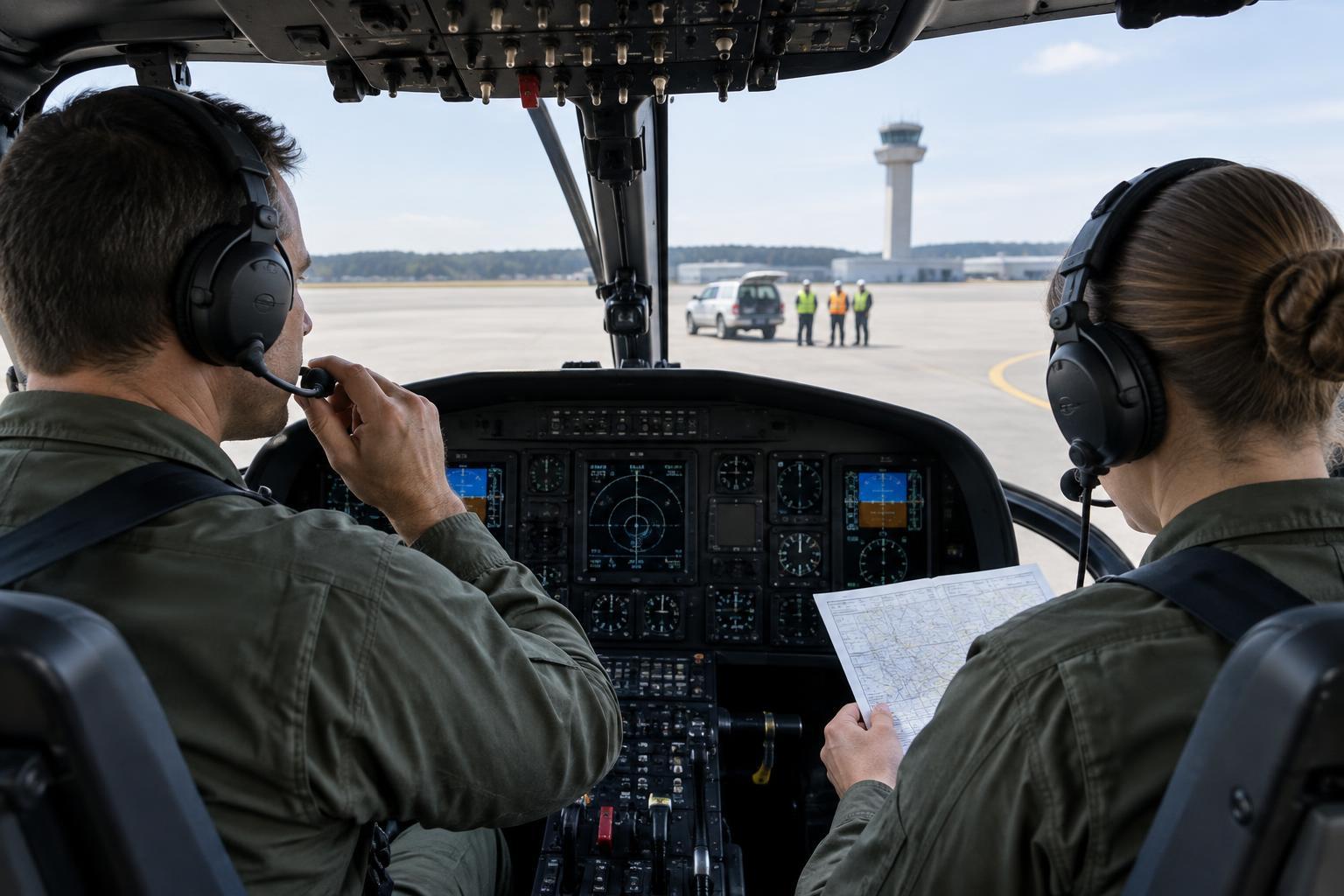
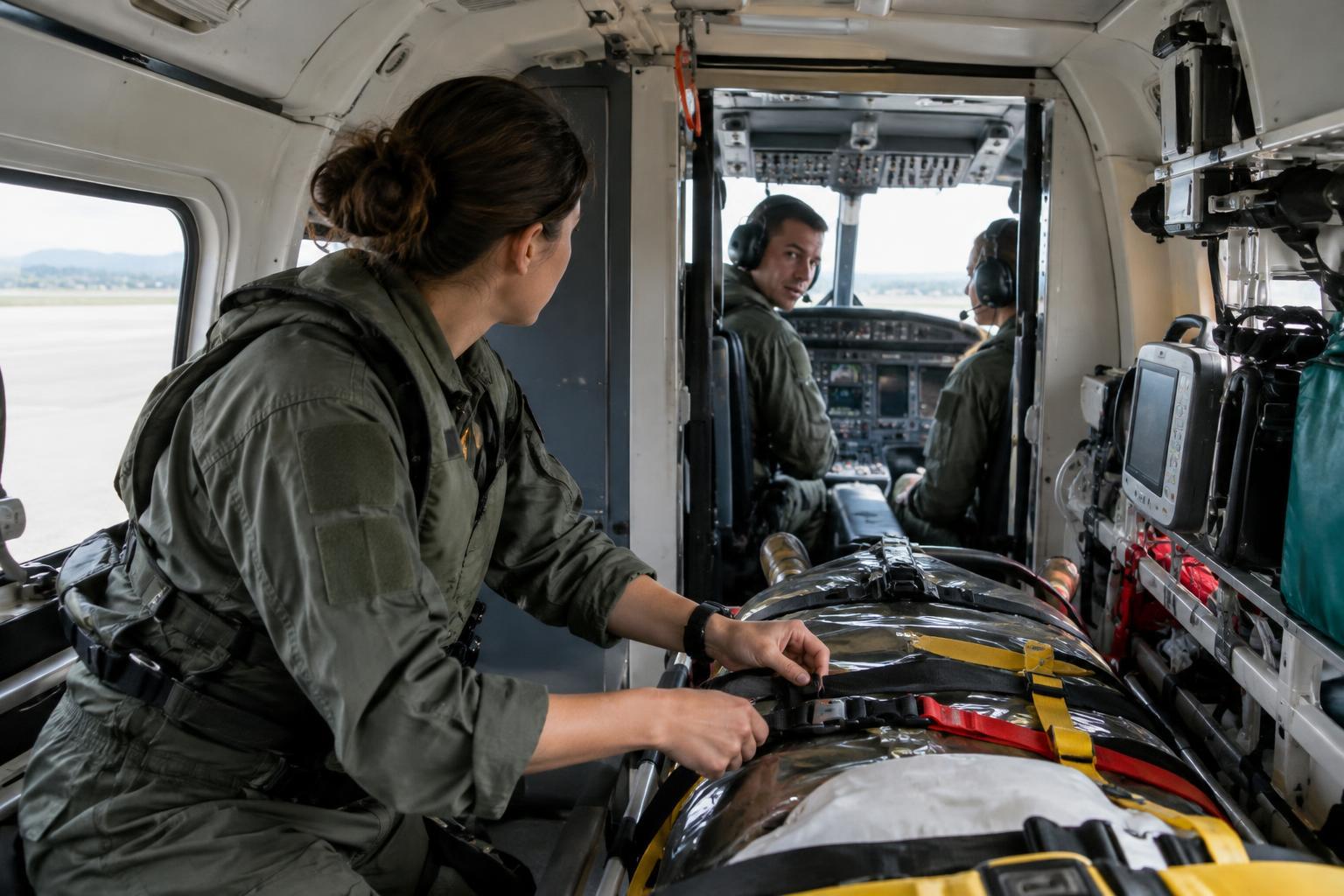
In rescue aviation, the cockpit and cabin have different work to complete before a flight. Pilots prepare the aircraft and plan the flight within their operating procedures. Cabin crew attend to their own equipment, occupants, supplies and workspace. Neither group can see every detail of the other’s preparations. A cross-check helps turn separate assessments into a shared understanding of whether the team is ready to proceed.
That shared picture is more useful than a quick exchange of “all set.” Readiness can change while people are preparing: an item may be moved, an occupant may need assistance, or a route decision may affect timing. A good exchange makes room for three kinds of information: what is complete, what remains open and what has changed since the last update. It does not replace an operator’s checklists or assign one person authority over another’s duties.
Give each task an owner and each concern a voice
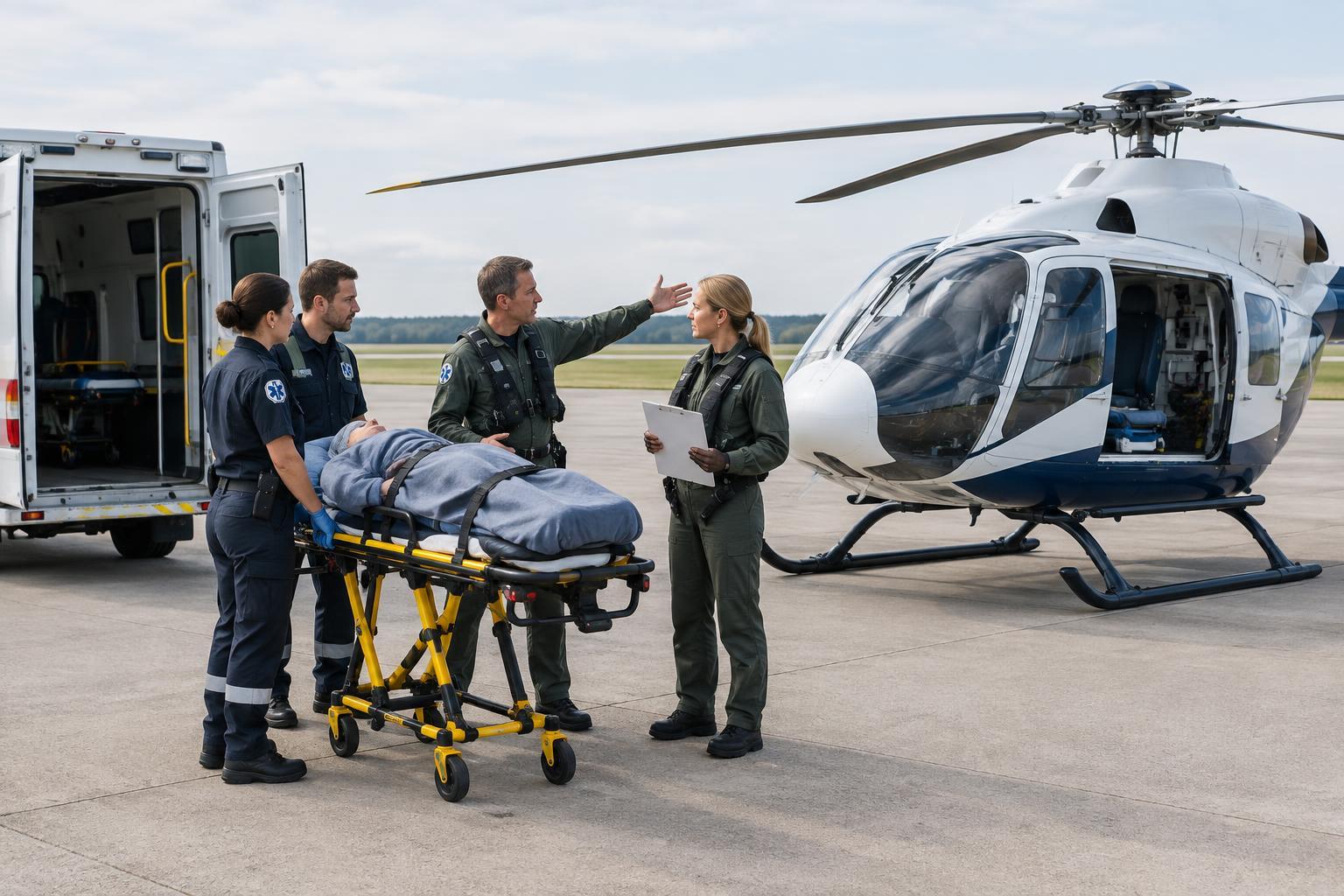
Clear roles reduce the chance that two people assume the other handled the same task. A team can distinguish between the person responsible for completing an item and the person who needs to know its status. For example, cabin personnel may be responsible for confirming that their work area is prepared under the applicable procedures, while the flight crew needs an unambiguous report before a phase of flight begins.
Cross-checking is not simply having everyone repeat everyone else’s work. It means looking for gaps at the boundaries between roles. Does a change in cabin loading need to be passed to the cockpit? Does a revised departure plan affect when cabin preparations must be complete? Team members should be able to raise an uncertainty without first deciding whether it is important enough to delay the flight. The person with the relevant responsibility can then assess it through the established process.
Make status messages specific and easy to confirm
Short, specific messages are easier to act on than broad assurances. “Cabin preparation complete; one equipment item is being secured” communicates a different status from “cabin ready.” The distinction matters because a partly complete task should not be mistaken for a final confirmation. When a request or change is important, the recipient can repeat back the key point, and the sender can confirm that it was understood. This closed-loop pattern is especially helpful when noise, distance or competing tasks make speech easy to miss.
A useful readiness exchange also has a clear moment for final confirmation. If the team has agreed that a particular report means cabin work is complete, that phrase should not be used while work remains open. Teams should follow their own approved terminology and procedures rather than inventing a new checklist on the spot. The general principle is simple: say what is known, identify what is pending and confirm that the right person received the message.
Handle interruptions and changes deliberately
Readiness checks are vulnerable to interruption. A crew member may pause a task to answer a question, help another person or respond to a change in plans. On returning, it can be difficult to remember whether the task was finished or merely started. Using the operator’s established checklist or status-tracking method helps people resume from a known point rather than relying on memory alone.
Changes after a readiness report deserve particular attention. If equipment is reopened, an occupant moves or a preparation step must be repeated, the earlier report may no longer describe the cabin. Likewise, a cockpit change may create new information the cabin team needs. A brief update can restore the shared picture. This is not about reporting every minor movement; it is about recognizing when an earlier confirmation is no longer reliable.
Protect communication when workload rises
As departure approaches, cockpit workload may increase and the time available for discussion may narrow. Planning the main readiness exchange before that point gives the team more room to resolve open items. If a new concern arises during a high-workload period, it should be communicated according to the operator’s procedures and with enough clarity to show why it matters. Routine details can wait for an appropriate moment; a material change should not be hidden because the timing is inconvenient.
The strongest cross-checking culture treats a question as useful information, not a challenge to someone’s competence. Crew members can be confident in their own roles while remaining willing to hear that something has changed elsewhere in the aircraft. When cabin and cockpit reports are specific, acknowledged and updated as needed, the team is better equipped to make decisions using the same understanding of the aircraft’s readiness.