A shared plan before a busy mission
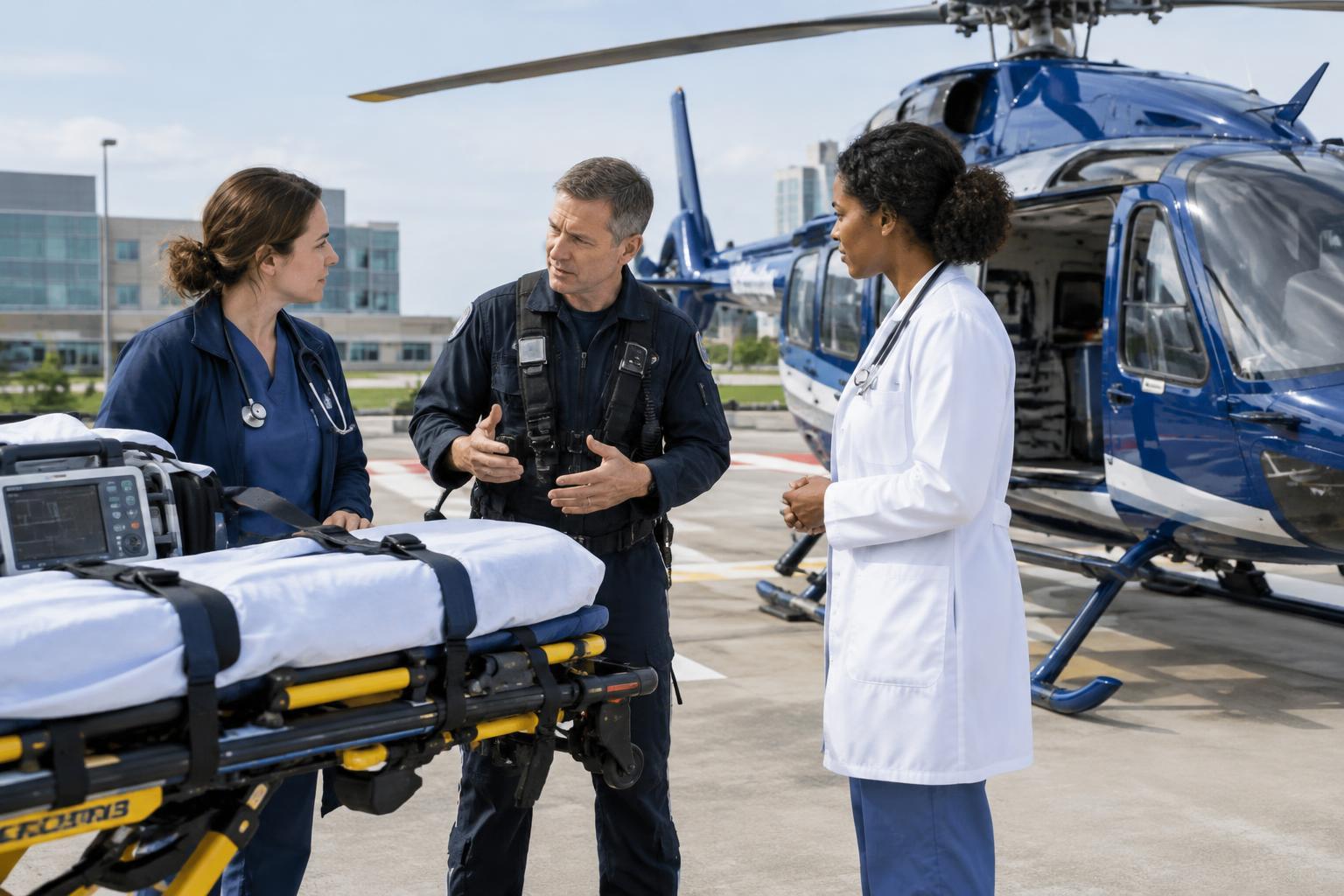
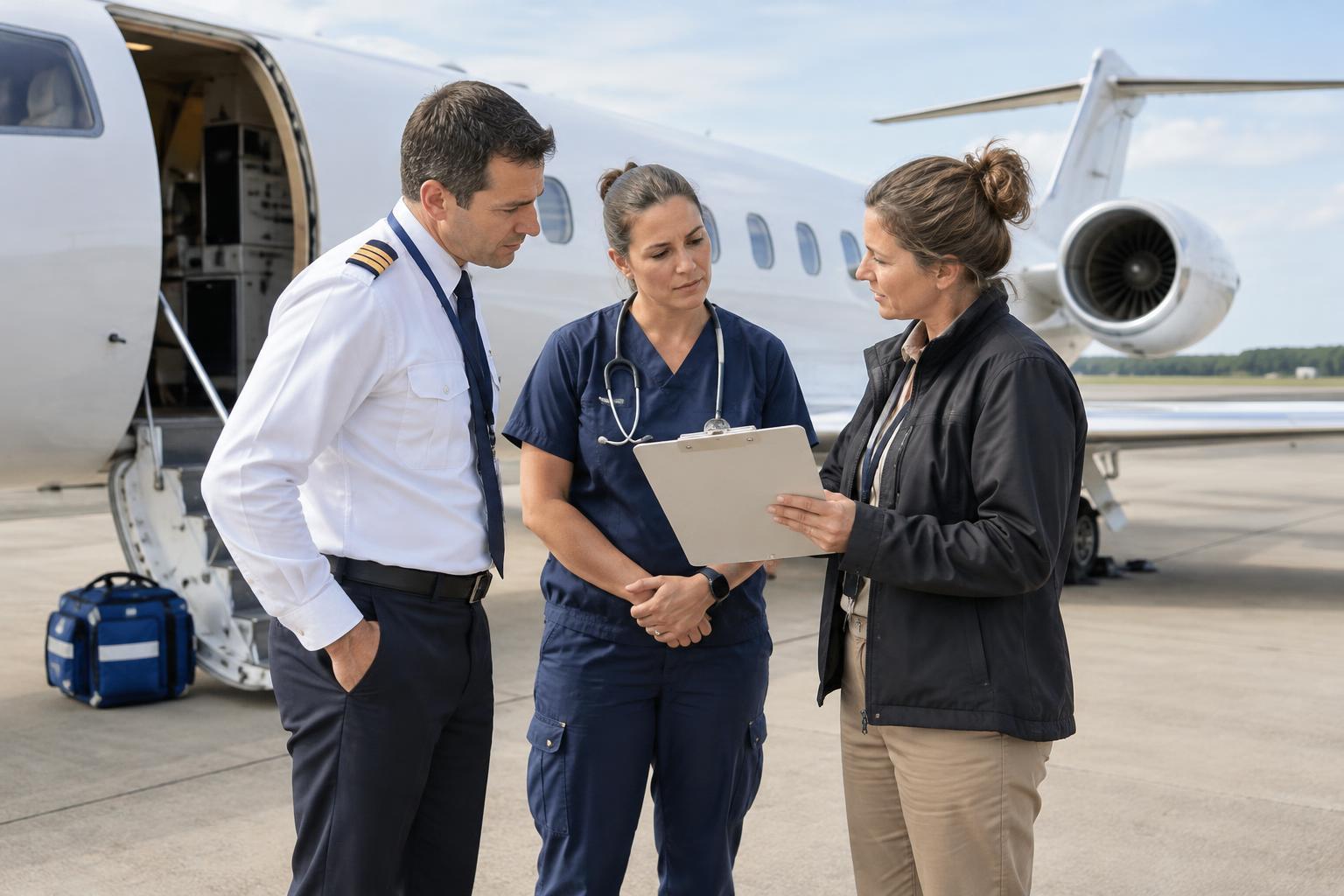
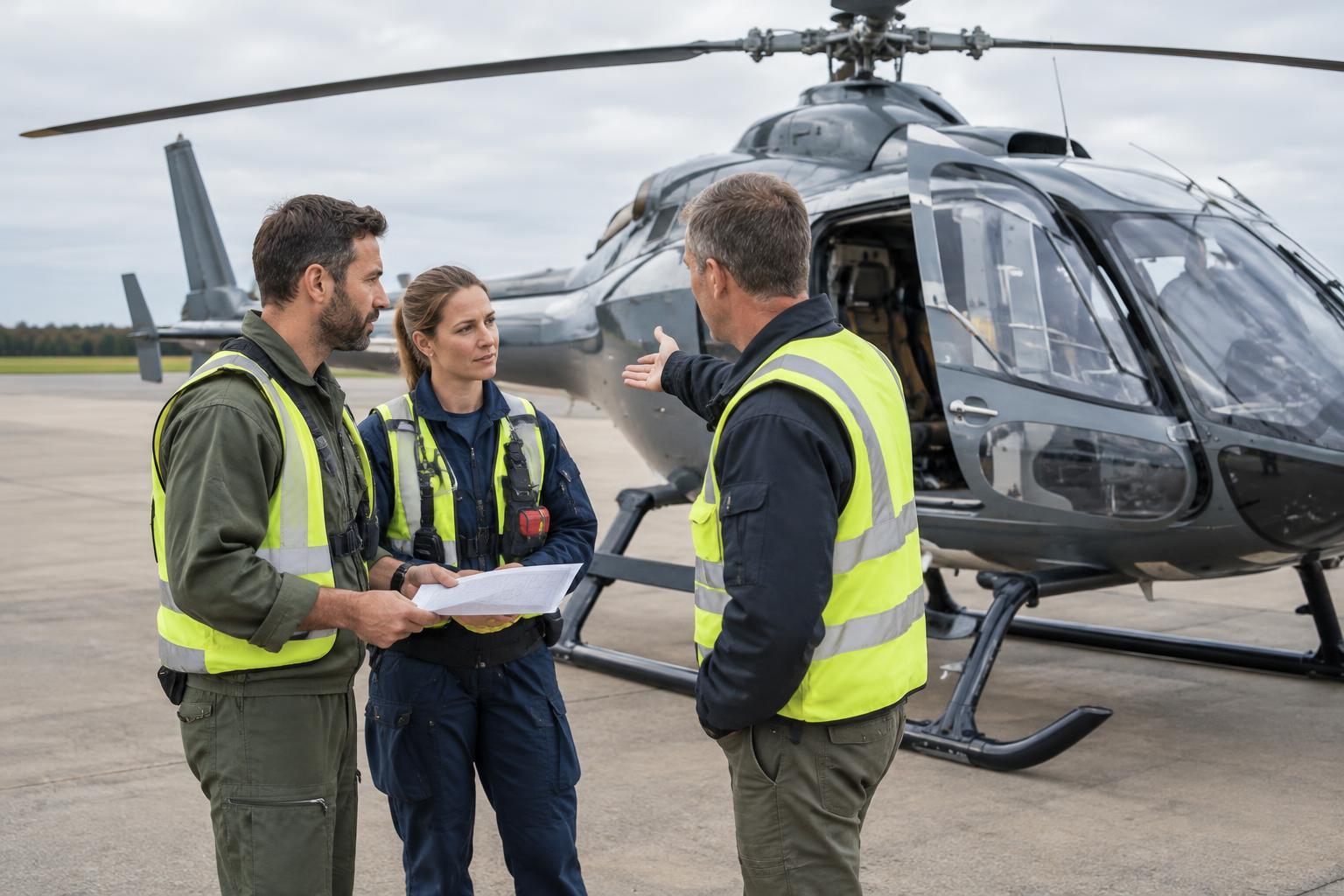
A preflight team briefing is a conversation about the mission ahead. It helps people with different responsibilities start with the same understanding of where they are going, what they expect to encounter and how they will work together. In rescue aviation, that may include flight crew, medical personnel and people coordinating the transport on the ground. Their work overlaps, but each person may have received different pieces of information.
The briefing is not a promise that events will unfold as expected. Weather, landing-site conditions, timing and a patient’s transport needs can change. By discussing the plan before departure, the team can identify assumptions early and establish how it will recognize and communicate changes. The goal is a usable shared picture, not a script that leaves no room to adapt.
Mission details and points of uncertainty
A briefing typically starts with the purpose and broad sequence of the trip: the intended destination, the expected pickup or transfer, and any stops or handoffs that may be involved. Team members can clarify what information is confirmed and what still needs verification. A location described secondhand, for example, is different from a location whose access and conditions have been directly confirmed.
The team may also discuss conditions that could affect the transport, such as weather, available light, expected ground access and the space needed for equipment. These topics are considered alongside the aircraft and crew’s operating limits. The details vary by organization, aircraft and mission, so a briefing should be understood as part of a wider safety process rather than a substitute for required procedures or operational decisions.
Naming uncertainty matters because a vague concern can otherwise disappear into the pace of the mission. Saying what is unknown gives someone responsibility for checking it and gives the group a reason to revisit the plan if new information arrives.
Roles, workload and communication
A team briefing also makes responsibilities visible. Who is coordinating with people on the ground? Who will pass along a change in destination? When the aircraft is on the ground, how will equipment movement and passenger boarding be coordinated? Discussing these interfaces can prevent two people from assuming the other has completed the same task—or from both trying to direct it at once.
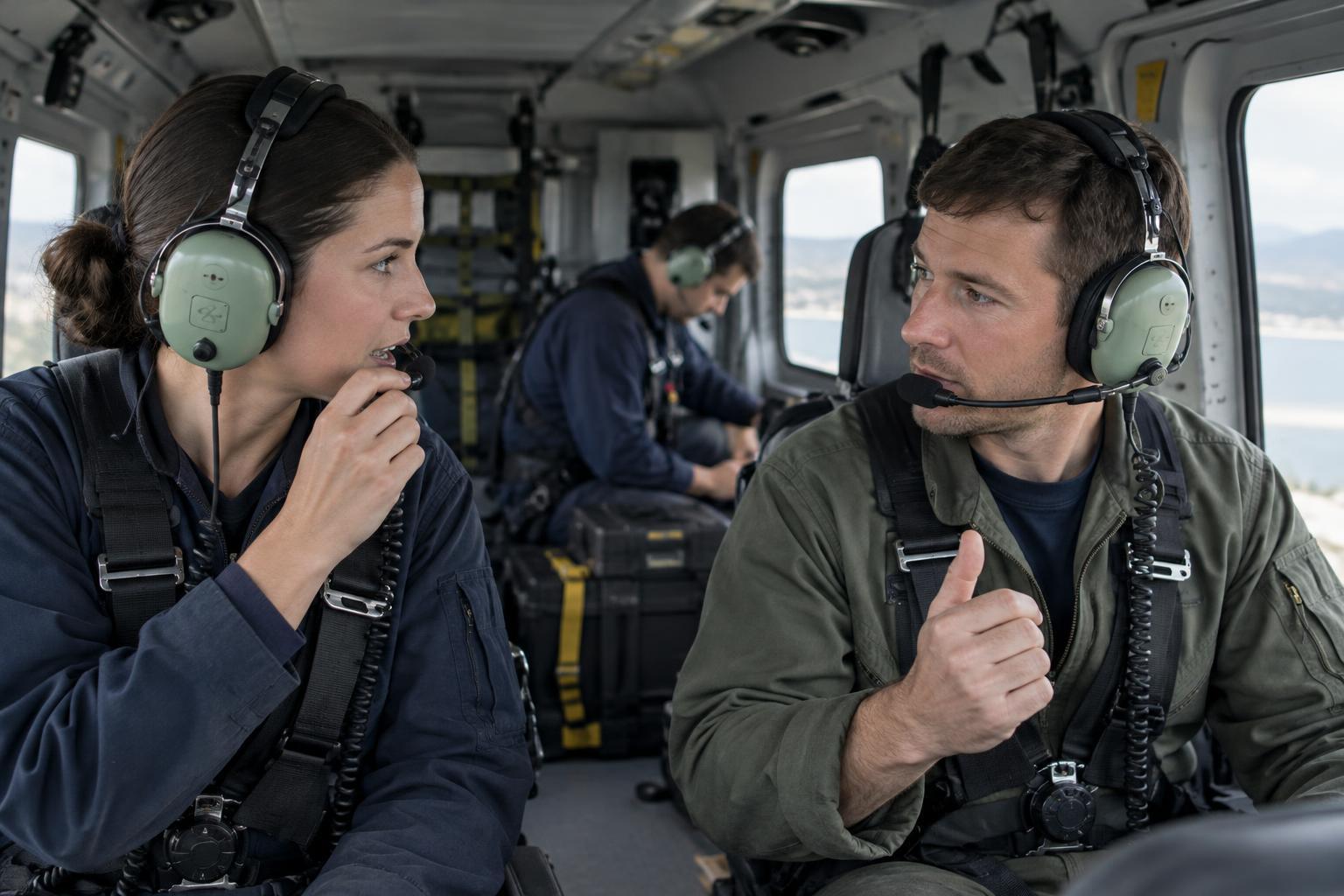
Communication expectations are especially useful when workload rises. Teams can agree on how to raise an urgent concern, what information needs to be repeated or confirmed, and when a nonessential conversation should wait. Clear language helps, but so does an environment in which anyone can ask a question. A concern from a crew member who noticed an equipment issue or a discrepancy in the destination deserves attention regardless of that person’s role.
The briefing provides a chance to check whether everyone has the information needed for their work. If one person is new to a route, aircraft layout or team arrangement, that is useful context for assigning tasks and planning handoffs—not a reason to stay silent.
Equipment, cabin and ground handoffs
In emergency transport, preparation extends beyond the flight path. A team may need to account for medical equipment, power needs, supplies and the practical limits of the cabin. A preflight discussion can connect those needs with the aircraft configuration so that questions about access, placement or securement are addressed through the appropriate procedures before departure.
Handoffs deserve similar attention. At a pickup site, the team may need information from people who have been caring for the patient or managing the scene. At the destination, another group may need a concise account of what is arriving and any relevant transport constraints. The preflight briefing can identify who will handle each exchange and what information must reach the right person. It cannot guarantee a smooth transfer, but it can reduce avoidable confusion at the points where responsibility changes hands.
A plan that can be revisited
The value of a briefing is not measured by how quickly everyone agrees. It is more useful when it surfaces a mismatch: a different understanding of the destination, an unanswered question about a landing site or an equipment need that affects the cabin plan. Resolving an issue before departure may be simpler than discovering it while several tasks are competing for attention.
A good briefing also leaves room for a short update. If the mission changes, the team can pause when appropriate, share the new information and confirm what changes for each role. That habit turns the initial conversation into a continuing method of coordination.
Preflight briefings matter because rescue aviation depends on people making connected decisions under changing conditions. Aircraft procedures and individual expertise remain essential. The team briefing helps those separate contributions fit together by making the plan, its uncertainties and the channels for speaking up clear to everyone involved.