What crew resource management means
Crew resource management, often shortened to CRM, is an approach to teamwork in aviation. It focuses on how people use available resources—not only aircraft equipment and procedures, but also one another’s knowledge, observations and judgment. The aim is to make important information easier to notice, share and act on.
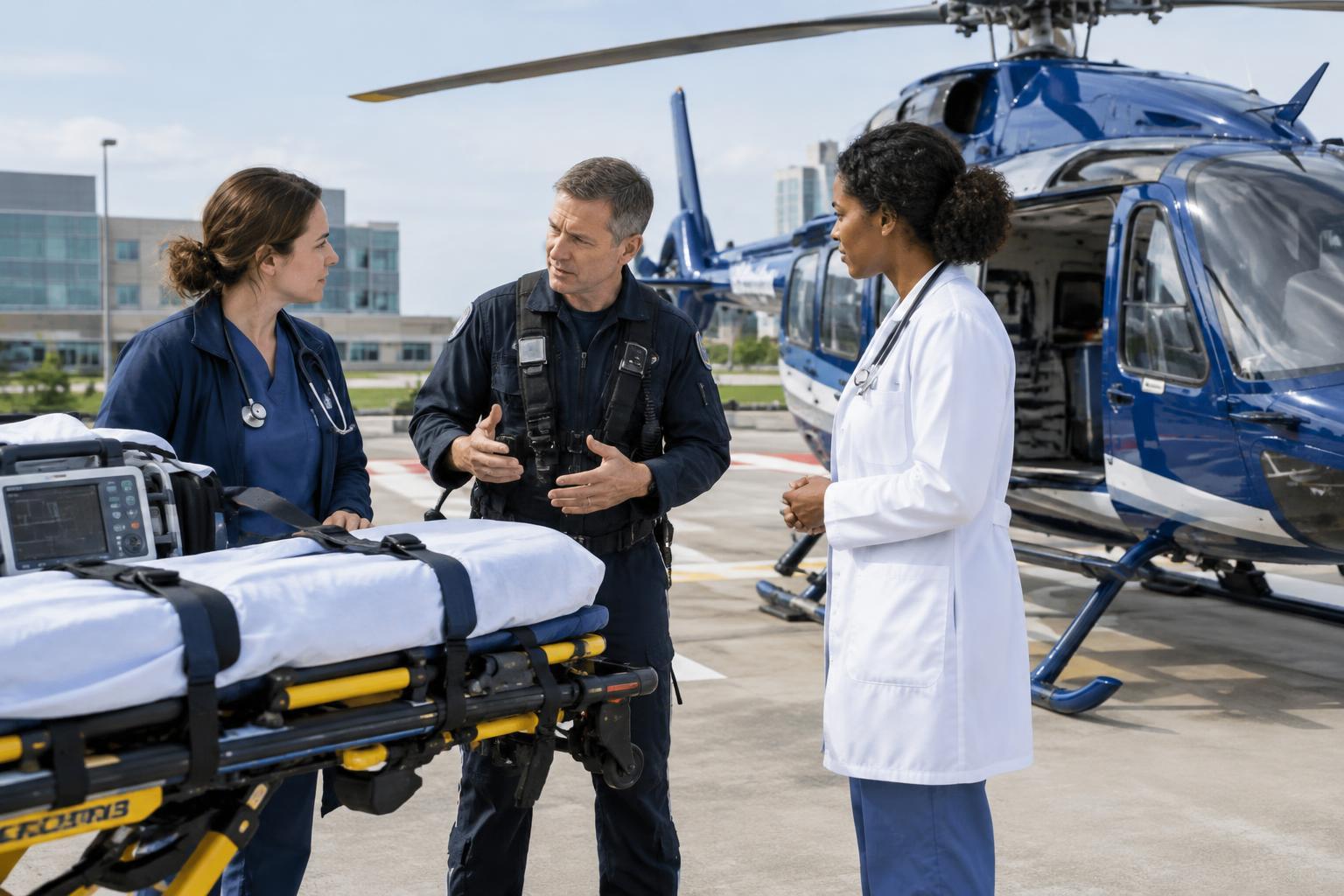
In rescue aviation, a flight may involve pilots, medical crew, dispatchers, ground responders and receiving teams. They do not all have the same view of a situation. A pilot may be focused on weather and aircraft performance, while a medical crew member may be considering the patient’s needs. CRM helps these perspectives inform a shared plan rather than remain separate.
Clear roles, open communication
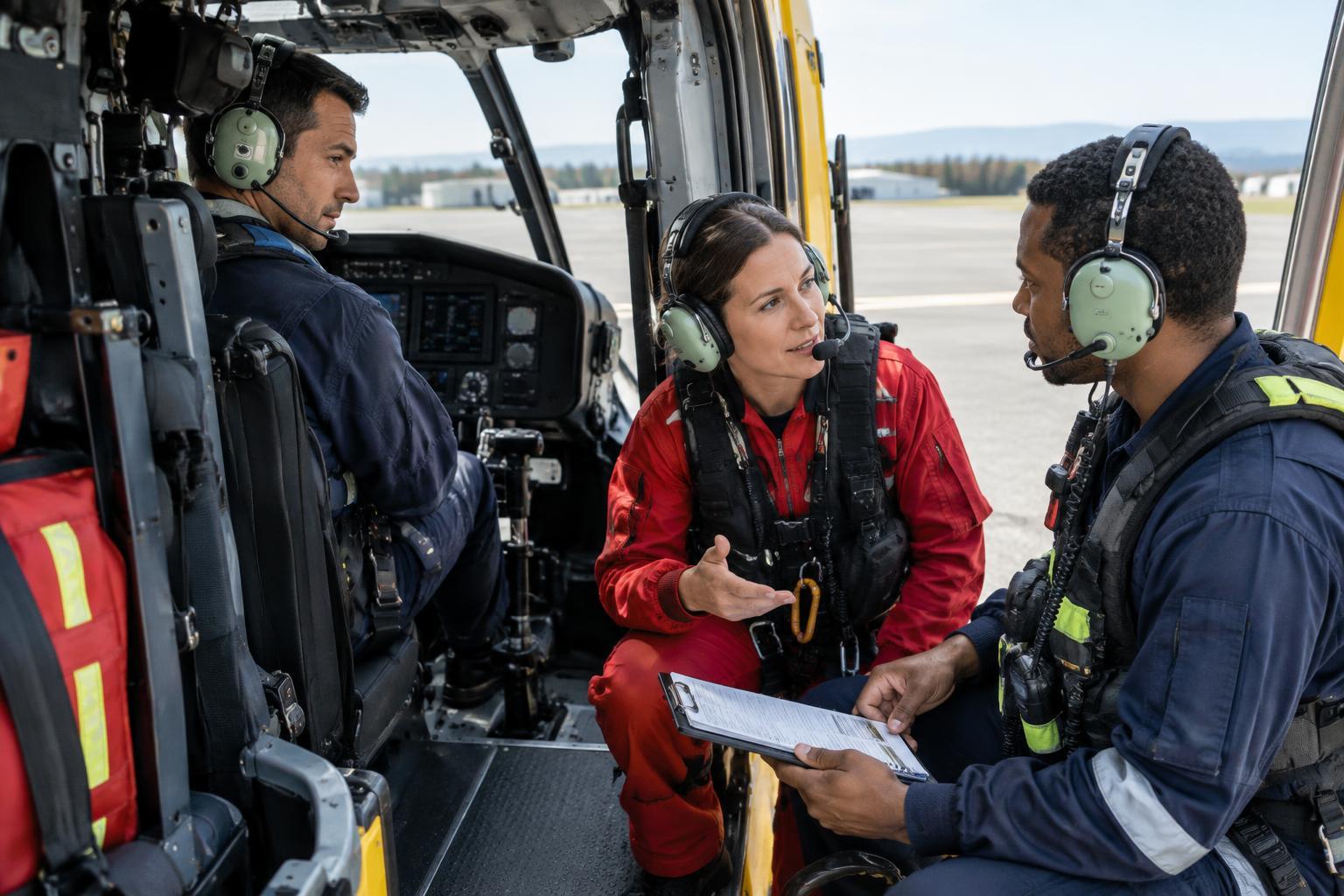
Good coordination starts with knowing who is responsible for each part of the work. Roles clarify who is flying, who is monitoring, who is communicating with people outside the aircraft and who is handling other tasks. Clear roles do not mean that only one person may notice a problem. Anyone on the team may have information that changes the picture.
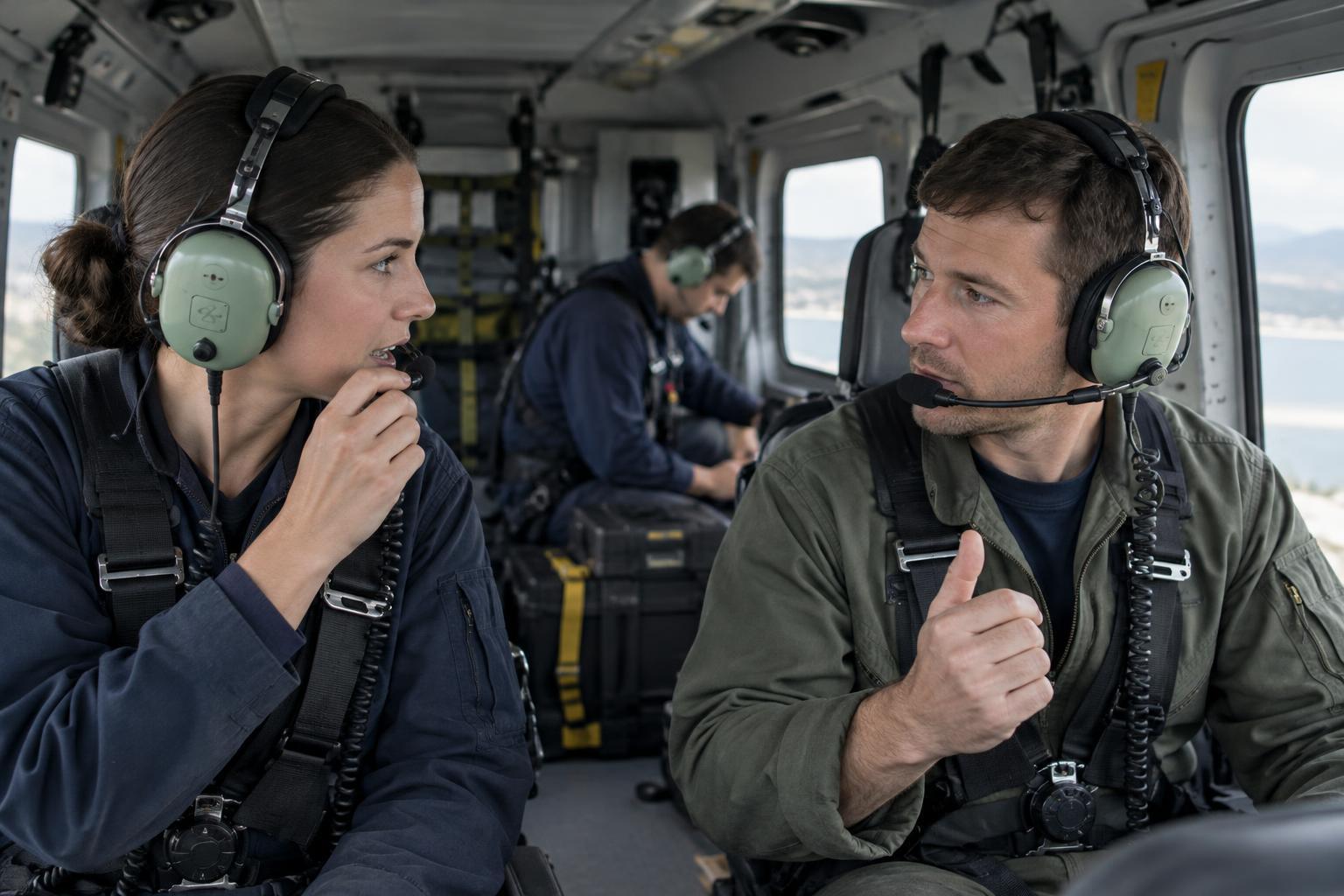
CRM encourages communication that is specific and timely. Instead of assuming a concern is obvious, a crew member states what they have noticed and why it matters. The recipient acknowledges the message so the sender knows it was heard. When a task or instruction is unclear, asking a direct question is more useful than quietly guessing.
Speaking up can feel difficult when another person has more experience or formal authority. A healthy crew culture treats a respectful challenge as a contribution to safety, not as a personal criticism. The goal is not to debate every decision indefinitely; it is to make sure relevant concerns reach the people making it.
Building a shared picture
Crews need a common understanding of what is happening now and what might happen next. This is often called situational awareness. It includes the aircraft’s status, the surrounding environment, the mission’s progress and any changes that could affect the plan. Each person sees only part of that picture, so brief updates help keep the team aligned.
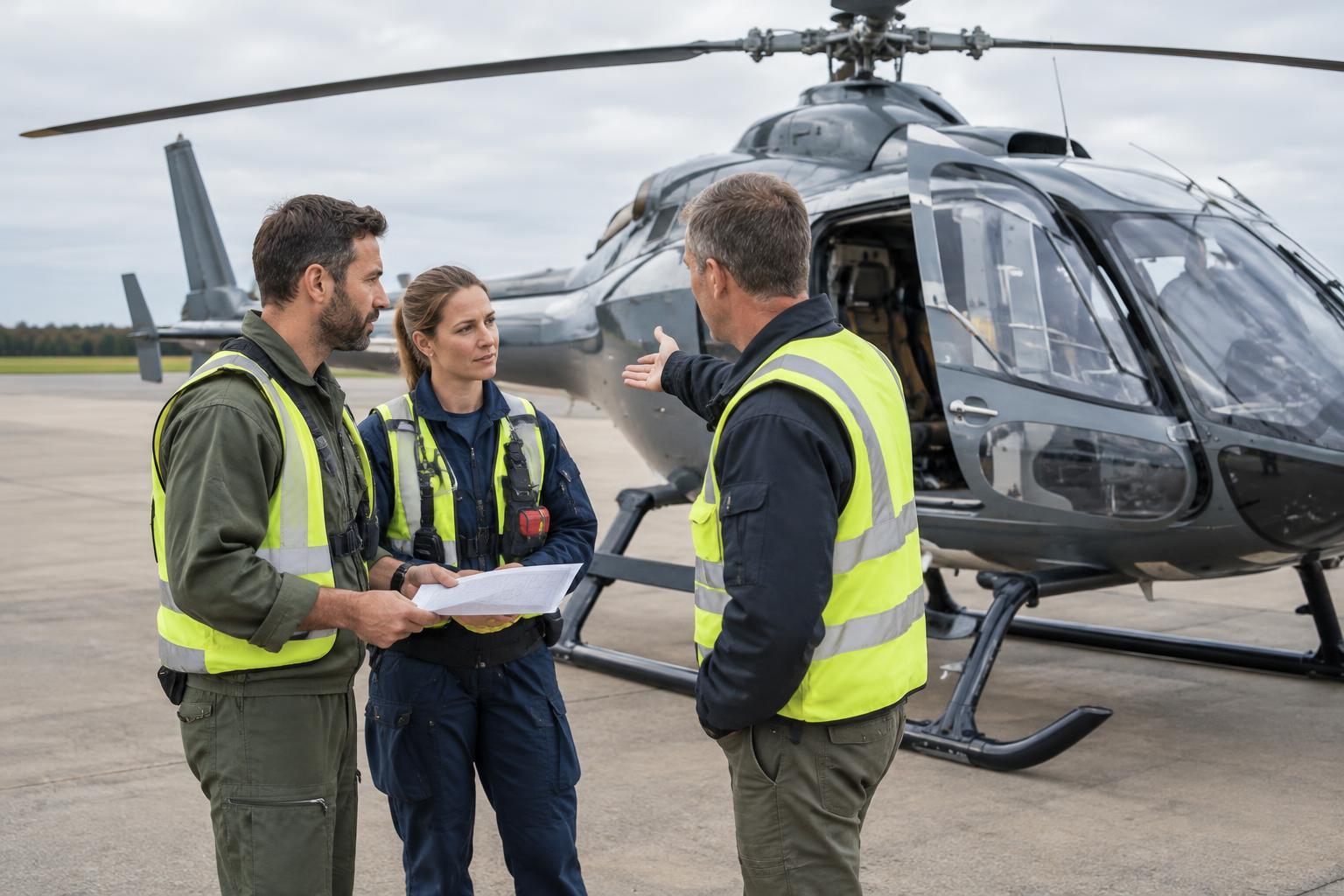
For example, a change in weather, a revised landing location or a delay on the ground may affect several people at once. Sharing the update early gives others a chance to identify consequences that one person might miss. A short briefing before a demanding phase of work can also establish the intended plan, expected roles and alternatives if conditions change.
A shared picture needs regular revision. Once a crew has committed to a plan, it can be tempting to interpret new information as a minor inconvenience. CRM encourages teams to pause and reassess when the facts no longer fit their earlier assumptions.
Managing workload and decisions
Rescue flights can involve competing demands, and workload does not always rise evenly across the team. When one person becomes absorbed in a difficult task, another may be better placed to monitor the broader situation or handle a communication. Dividing tasks deliberately helps protect attention for the work that matters most at that moment.
Simple habits support this division of work: confirming who has a task, reporting when it is complete and saying when help is needed. These habits are especially valuable during transitions, such as preparing for departure, approaching a landing area or handing over information. A transition is a natural point to check whether everyone is still working from the same plan.
CRM does not replace technical training, aircraft procedures or operational judgment. It provides a framework for using them as a team. A decision is generally stronger when the people involved understand its purpose, have a chance to raise relevant concerns and know what would prompt reconsideration.
Learning as a team
Coordination can be practiced. Briefings help crews prepare; debriefings help them examine what went well and what was confusing. A useful review looks beyond whether a mission reached its intended outcome. It asks whether information arrived in time, responsibilities were clear and unexpected changes were recognized.
The beginner’s takeaway is that CRM is not a script or a demand for constant conversation. It is a set of teamwork principles: make roles clear, share meaningful observations, listen across areas of expertise and revisit plans when circumstances change. In rescue aviation, those habits help different specialists work as one crew while respecting the responsibilities each person brings.