The same fundamentals, at different scales
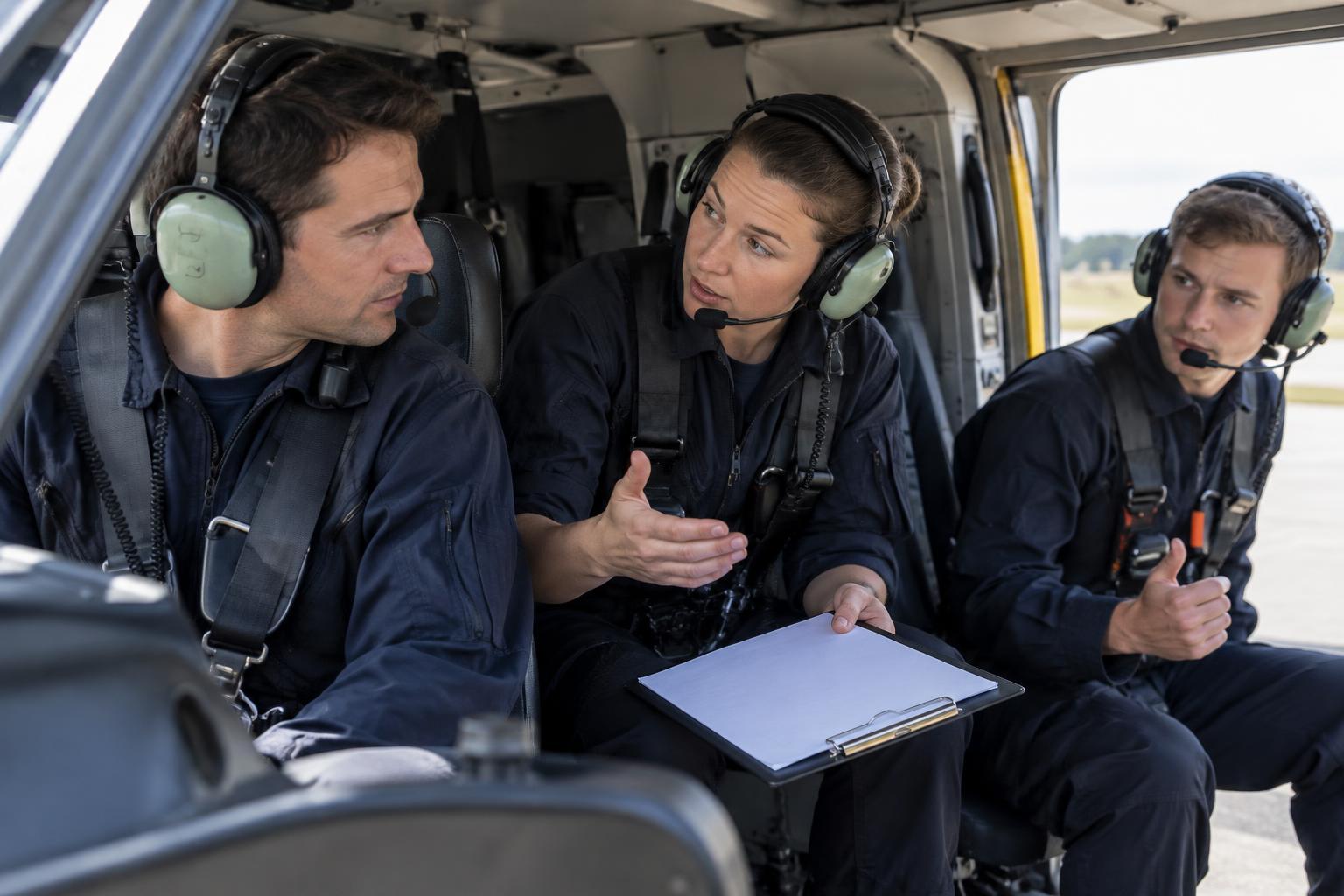
A routine air transfer and a multi-agency disaster mission can look very different, but both begin with the same coordination task: people need a shared understanding of the objective, their responsibilities and the limits of the plan. Crews, dispatchers, ground teams and receiving organizations may each hold information that others need. Coordination turns those separate pieces into a workable picture.
The main difference is how stable that picture is likely to be. A planned transfer generally involves an identified person or group, a known destination and a relatively small set of participants. In a disaster, the number of requests, available landing locations and agency priorities may change while aircraft and ground resources are already in motion. That makes it useful to compare not just the size of the missions, but how information moves through them.
Routine transfers rely on deliberate handoffs
In a routine transfer, coordination often follows a sequence: a request is reviewed, a transport plan is developed, the departing team prepares for handoff, and the receiving team prepares for arrival. Each step offers a chance to confirm details such as the pickup and destination locations, timing, equipment needs and who will communicate any change. A familiar sequence does not remove uncertainty, but it helps participants notice when a detail is missing.
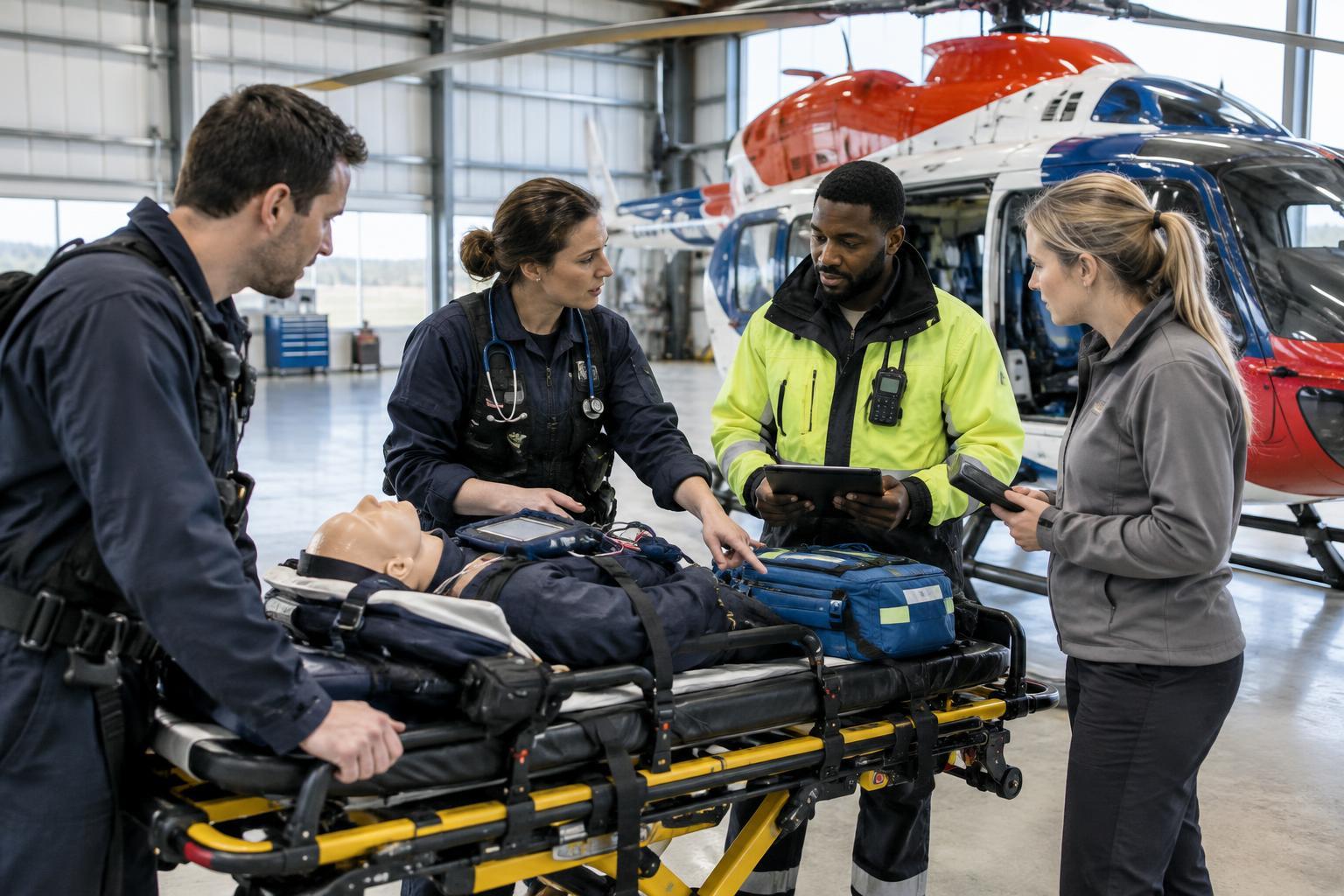
Handoffs deserve particular attention because responsibility can shift between teams that use different procedures or terminology. A concise exchange should make clear what is known, what remains uncertain and what needs to happen next. Read-back of critical operational details, when appropriate, can help catch misunderstandings about locations or instructions. If weather, aircraft availability or a receiving location changes, the plan needs to reach everyone affected rather than remaining with the person who first heard the update.
Disaster missions add organizations and competing priorities
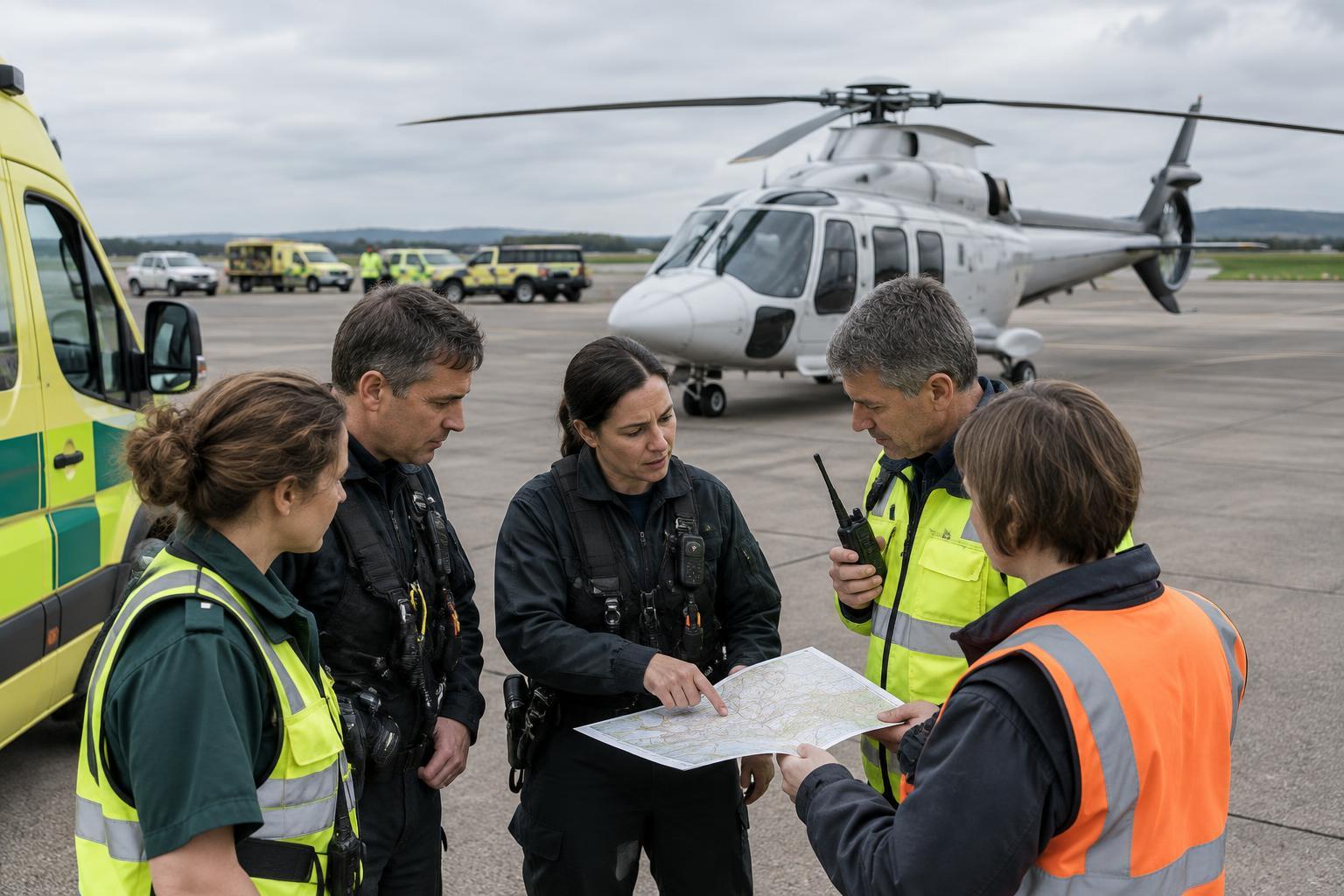
A multi-agency disaster mission may involve emergency management, aviation units, ground responders, hospitals or shelters, and organizations responsible for access to particular sites. These groups may share an overall purpose while pursuing different immediate tasks. One team may be focused on getting people out of an affected area; another may be trying to preserve a landing site for incoming supplies. Without a way to reconcile those needs, well-intended actions can interfere with one another.
Coordination at this scale calls for an agreed structure for assigning tasks and reporting status. Participants need to know who can set priorities, who can authorize a change and where to send information that affects other teams. A shared operating picture does not mean every person receives every detail. It means the people making related decisions have timely, consistent information about requests, resource availability, site conditions and constraints. Because that picture can become outdated quickly, updates must be recognizable as updates, not mistaken for the original plan.
Communication needs a plan for failure
Routine transfers usually have fewer communication paths to manage, though a missed call or unclear message can still disrupt a handoff. Disaster missions may involve separate radio systems, overloaded channels and people who have not worked together before. More messages do not automatically create better awareness; they can make it harder to identify which information is urgent and which instructions are authoritative.
A practical communication plan identifies the intended channels, the purpose of each and what to do if a channel is unavailable. Short, plain-language messages can reduce ambiguity across organizations. Confirming key changes, such as a reassigned destination or an unusable landing site, helps prevent different teams from acting on conflicting plans. In both types of mission, raising a concern should be possible without waiting for a formal briefing: new information may matter most when it challenges an earlier assumption.
Adaptability depends on clear roles
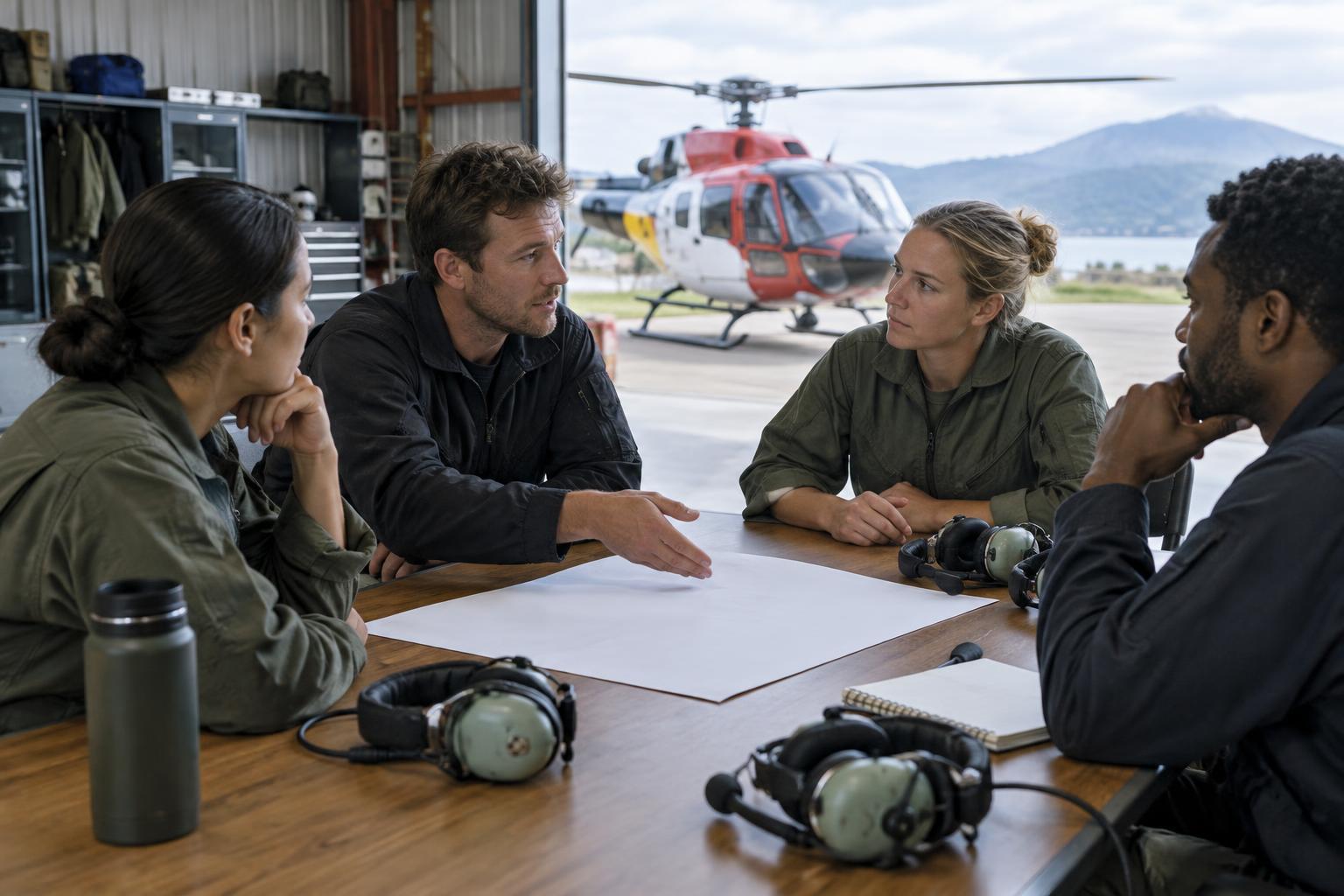
Flexibility is sometimes described as the opposite of structure, but teams often adapt more effectively when responsibilities are clear. On a routine transfer, a role assignment helps people handle a delay without losing track of the handoff. In a disaster response, role clarity helps a growing network of teams decide who will investigate a problem, approve a change and notify others. It also reduces the risk that a request is handled twice or overlooked because everyone assumes another group has it.
After a mission or exercise, teams can examine where coordination became difficult: Which handoff required clarification? Which change reached some participants but not others? Did the communication plan still work when circumstances shifted? Those questions apply to both routine and disaster operations. The lesson is not that every mission needs the same amount of planning, but that every plan needs a clear way to share information, make decisions and adjust when reality differs from expectations.