A new route creates a new picture
A flight plan is more than a line between two points. It reflects assumptions about timing, fuel, weather, landing options, and the people or equipment expected at each end of a journey. When one assumption changes, others may need another look. A different destination, for example, can affect arrival coordination as well as the route itself.
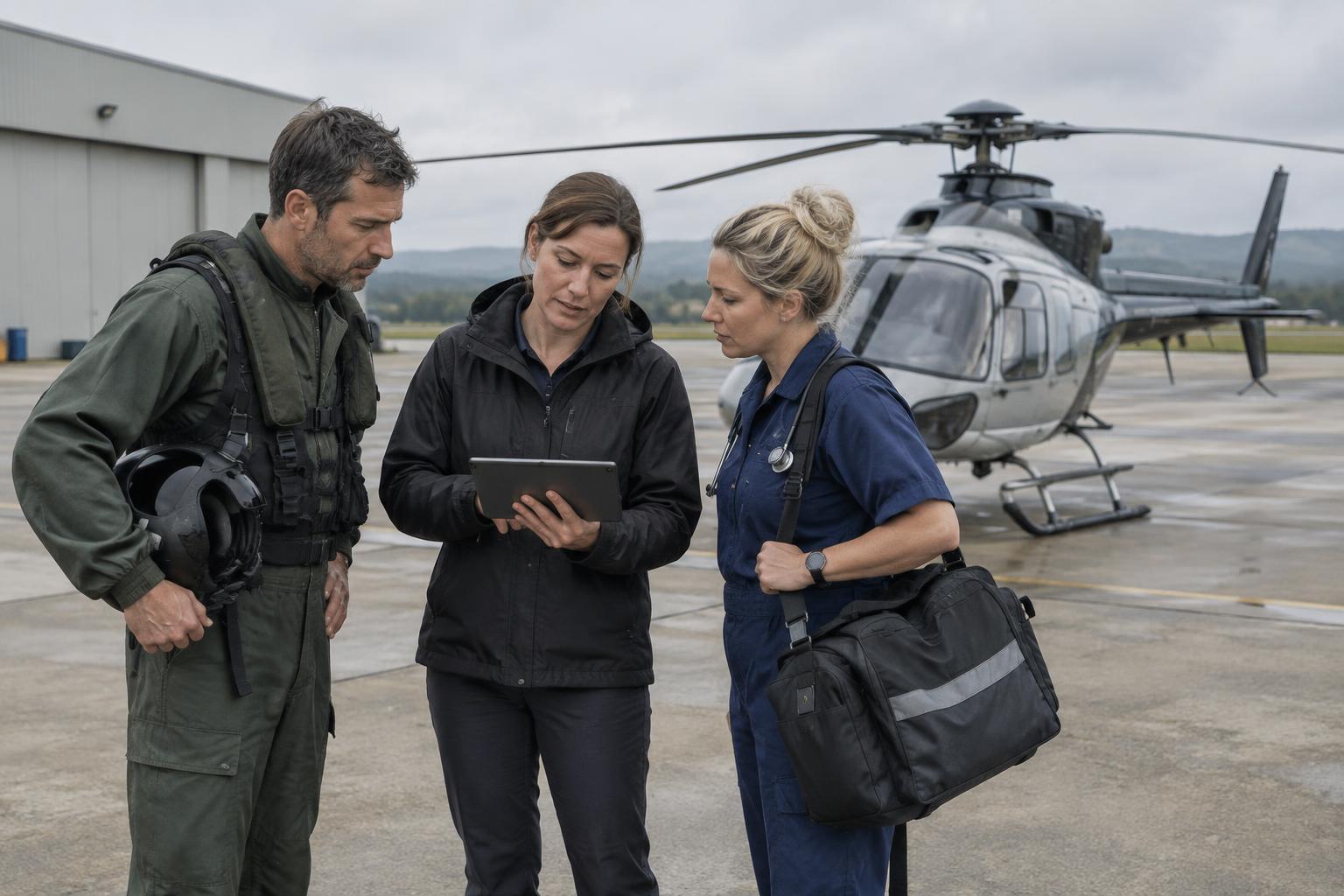
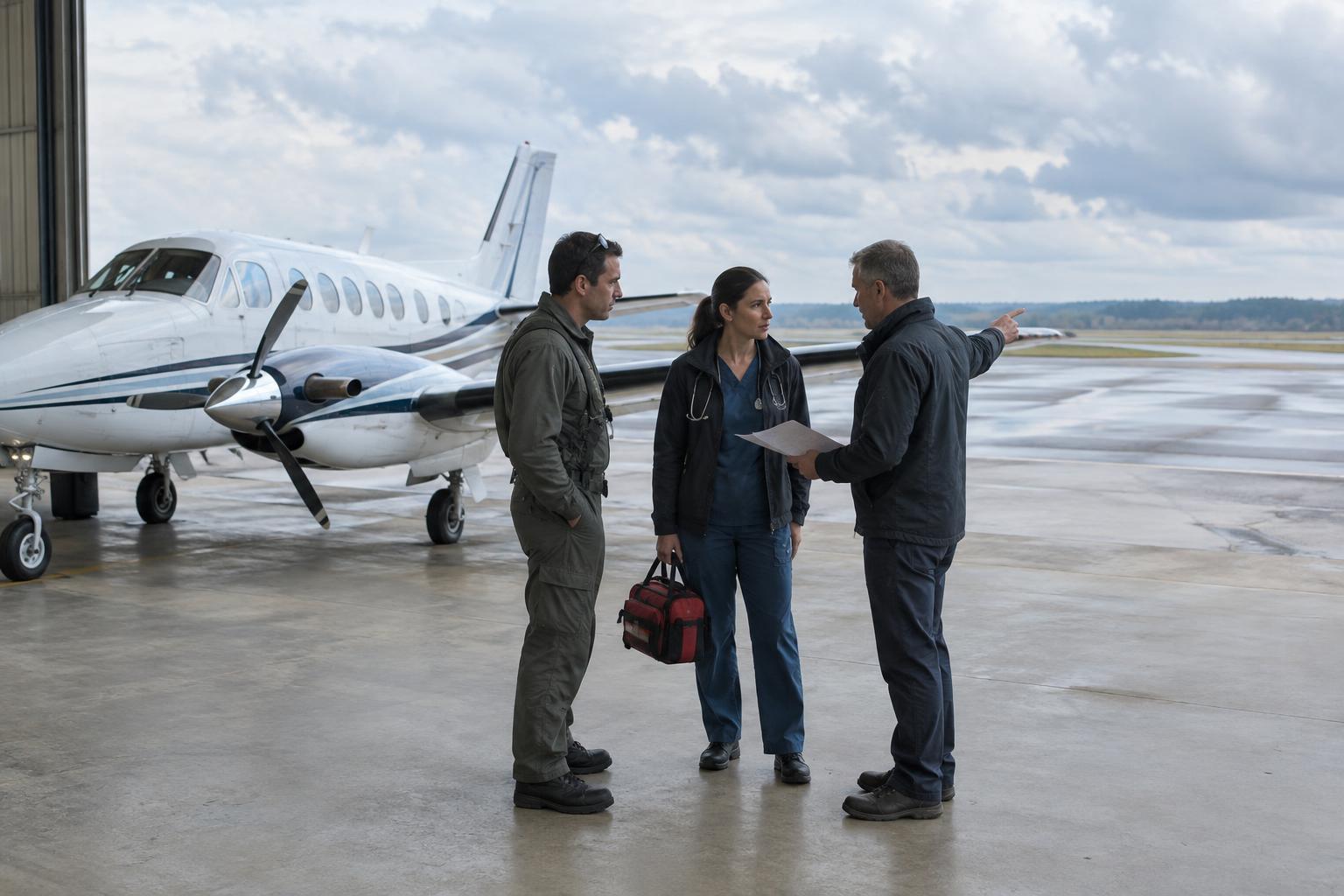
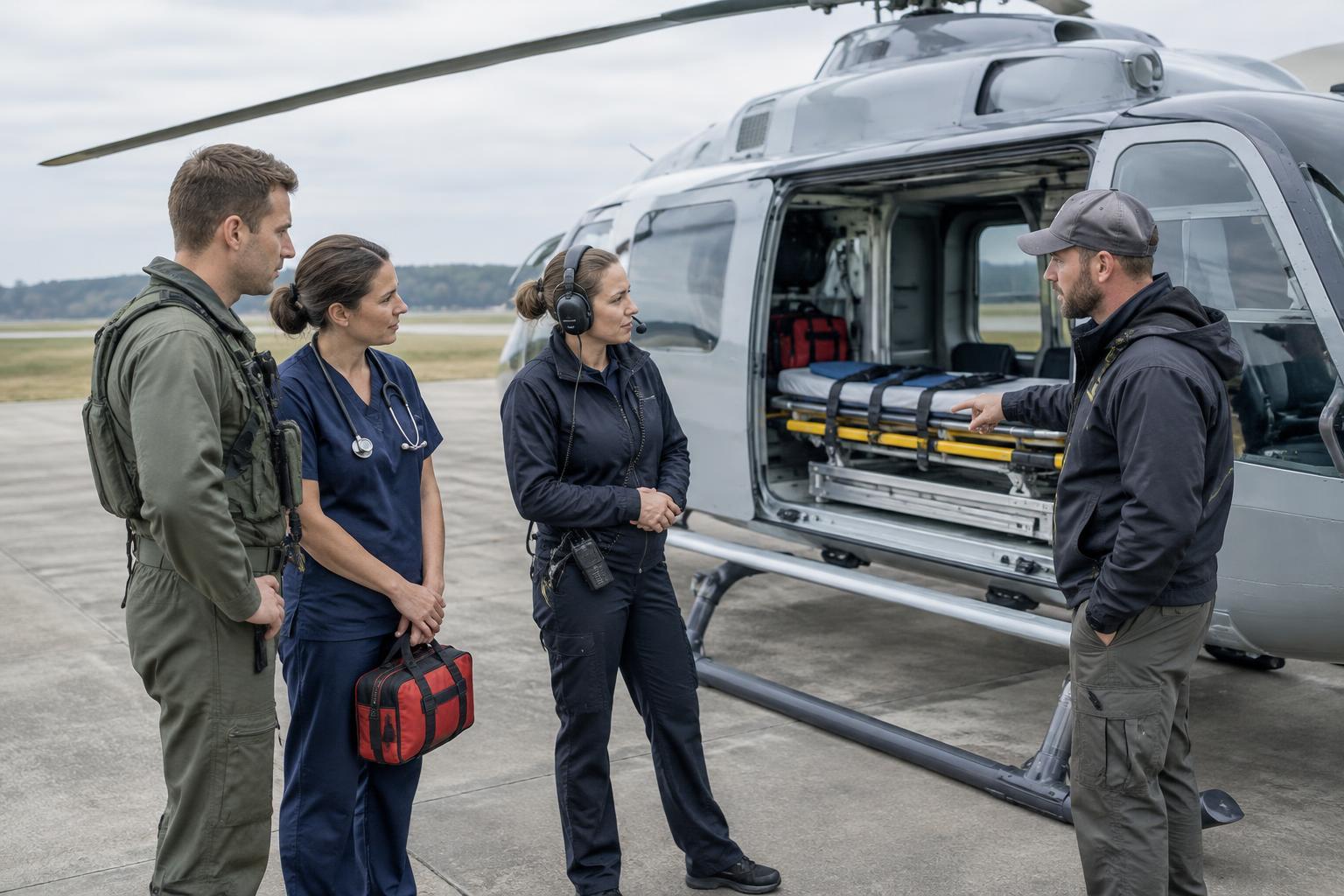
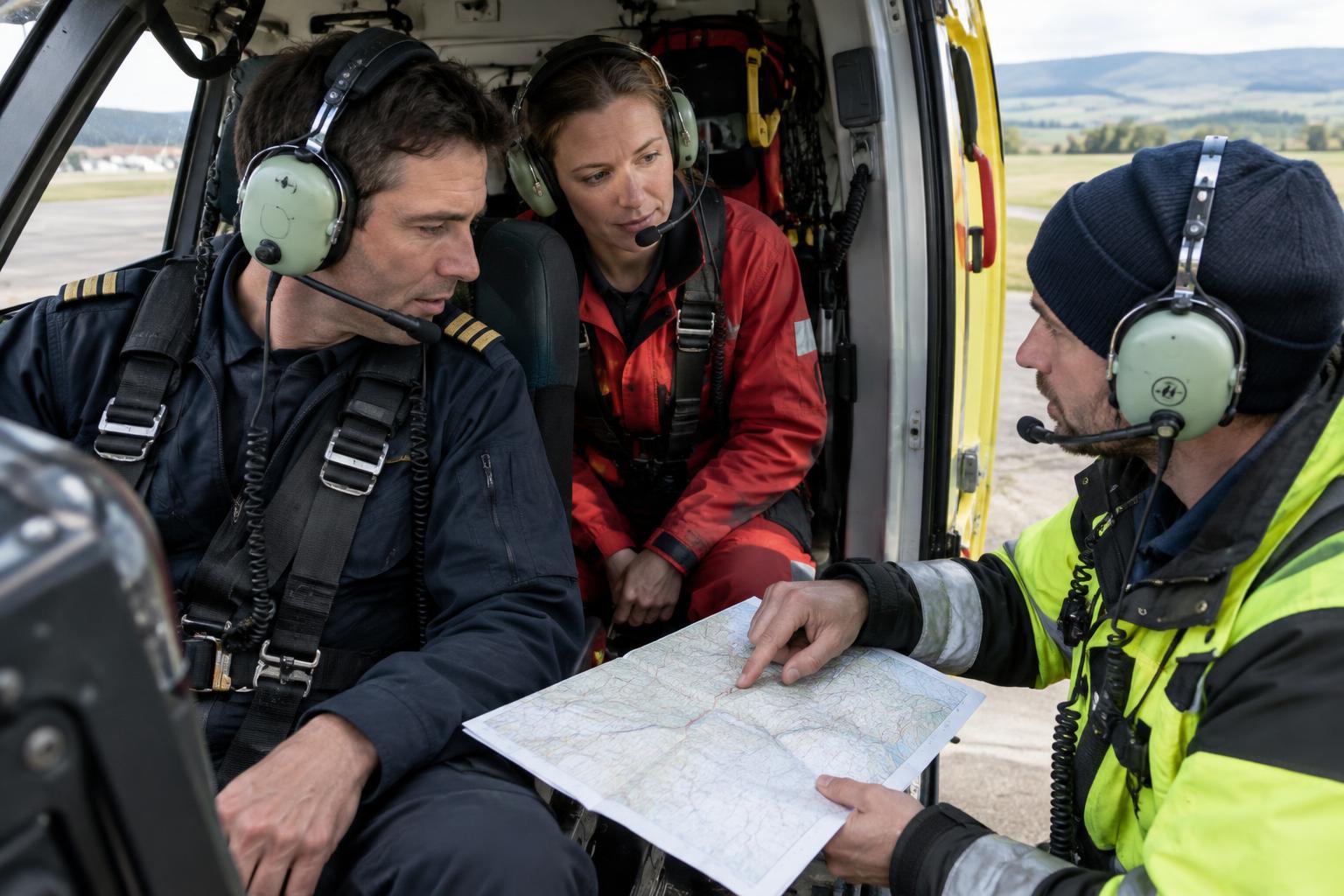
Shared situational awareness means that the people involved understand the relevant facts, how those facts affect the mission, and what may happen next. It does not mean everyone needs the same level of detail. A pilot, a crew member in the cabin, and a coordinator on the ground have different tasks. They do, however, need a compatible picture of the change so their separate decisions support one another.
Make the change explicit
In a busy environment, a short update can be mistaken for a complete one. Saying only that the destination has changed may leave open important questions: Is the new destination confirmed? Has the expected arrival time changed? Who is notifying the receiving team? A useful update distinguishes the decision already made from details still being checked.
A simple structure helps keep the message clear: state what changed, why the change is being considered or made, what it affects, and what remains unknown. For instance, a team might note that an alternate landing location is under consideration because conditions at the original destination are uncertain. That wording preserves the difference between a possible plan and an agreed plan. It also gives others a chance to raise consequences the first speaker may not see.
Connect cockpit, cabin, and ground
Changes can travel through several groups: the flight crew, personnel accompanying a patient or other passengers, dispatch or coordination staff, and people preparing for arrival. Each group sees a different part of the situation. The flight crew may be focused on aircraft and route constraints, while ground staff may know whether a proposed arrival point is ready. Neither view is complete on its own.
Communication works best when responsibility for the next update is clear. If a destination changes, the team should know who will pass that information onward and who will confirm it was received. A brief read-back or check-back can reveal a misunderstood location, timing estimate, or status. It is not a substitute for established aviation procedures; it is a general communication habit that helps keep different parts of the operation aligned.
Leave room for uncertainty
A changing plan often includes information that is incomplete. Weather may develop differently than expected, an arrival arrangement may await confirmation, or a revised time estimate may still be approximate. Presenting these details as settled can give others a false sense of certainty. Clear language separates known facts, working assumptions, and questions that still need answers.
It also helps to revisit the shared picture as the situation develops. A decision that made sense when the route first changed may depend on an assumption that no longer holds. Short, timely updates are often more useful than waiting to deliver a polished account after several details have shifted. The aim is not constant conversation; it is to make meaningful changes visible to the people whose work they affect.
Build a habit of closing the loop
Good coordination is not simply sending information. It includes checking that the right people received it, understood it, and know what happens next. A concise recap can identify the current destination or route, the reason for the change, any outstanding confirmation, and who owns the next communication. This gives team members an opportunity to correct a mismatch before they act on different versions of the plan.
After the operation, teams can learn from points where information was delayed, ambiguous, or passed through too many people. The useful question is not only whether the final plan worked, but whether everyone who needed to act had the same picture at the right time. In rescue aviation, where circumstances can change quickly, that shared picture is an important part of effective teamwork.