The clock starts before takeoff
Flight time measures only the period an aircraft spends in the air. Door-to-door transport time covers a much wider sequence: recognizing the need for transport, arranging a suitable aircraft, reaching it, making the flight, and completing the trip after landing. A short flight can therefore be one part of a much longer journey. Comparing an aircraft’s cruising speed with the length of a road trip misses the time needed to connect the two ends of the route.
Even the starting point needs to be clear. A timeline measured from a request for transport will include dispatch and preparation; one measured from aircraft departure will not. When people discuss whether flying saves time, stating which clock they mean makes the comparison more useful. It also helps reveal where delays might occur, rather than treating the flight itself as the whole operation.
Finding and preparing the right aircraft
Before a flight can begin, a transport team may need to confirm that an appropriate aircraft, crew and landing location are available. The aircraft may be stationed away from the pickup point or committed to another task. Crew members must assess the proposed route and operating conditions, prepare the aircraft and complete required checks. These steps take time, but they are part of conducting a flight rather than avoidable pauses.
The proposed trip also has to fit practical constraints. Weather, visibility, fuel needs, aircraft capabilities and access to departure and arrival sites can affect the plan. A direct line on a map does not necessarily represent a usable flight route. Depending on the circumstances, a different landing site, an intermediate stop or a ground-only route may be more practical. Planning for those possibilities can change the estimated arrival time before the aircraft moves.
Getting to and from the aircraft
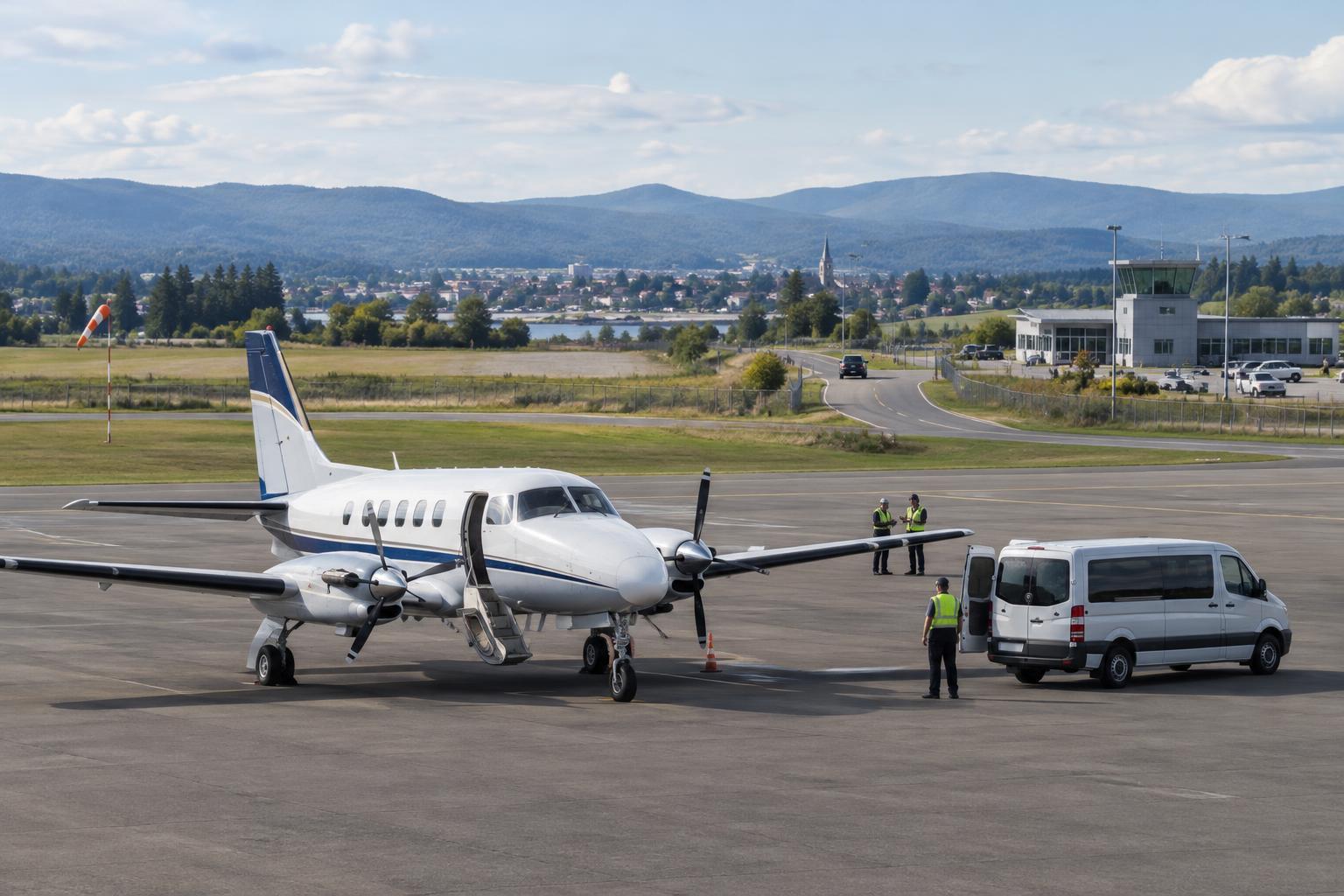
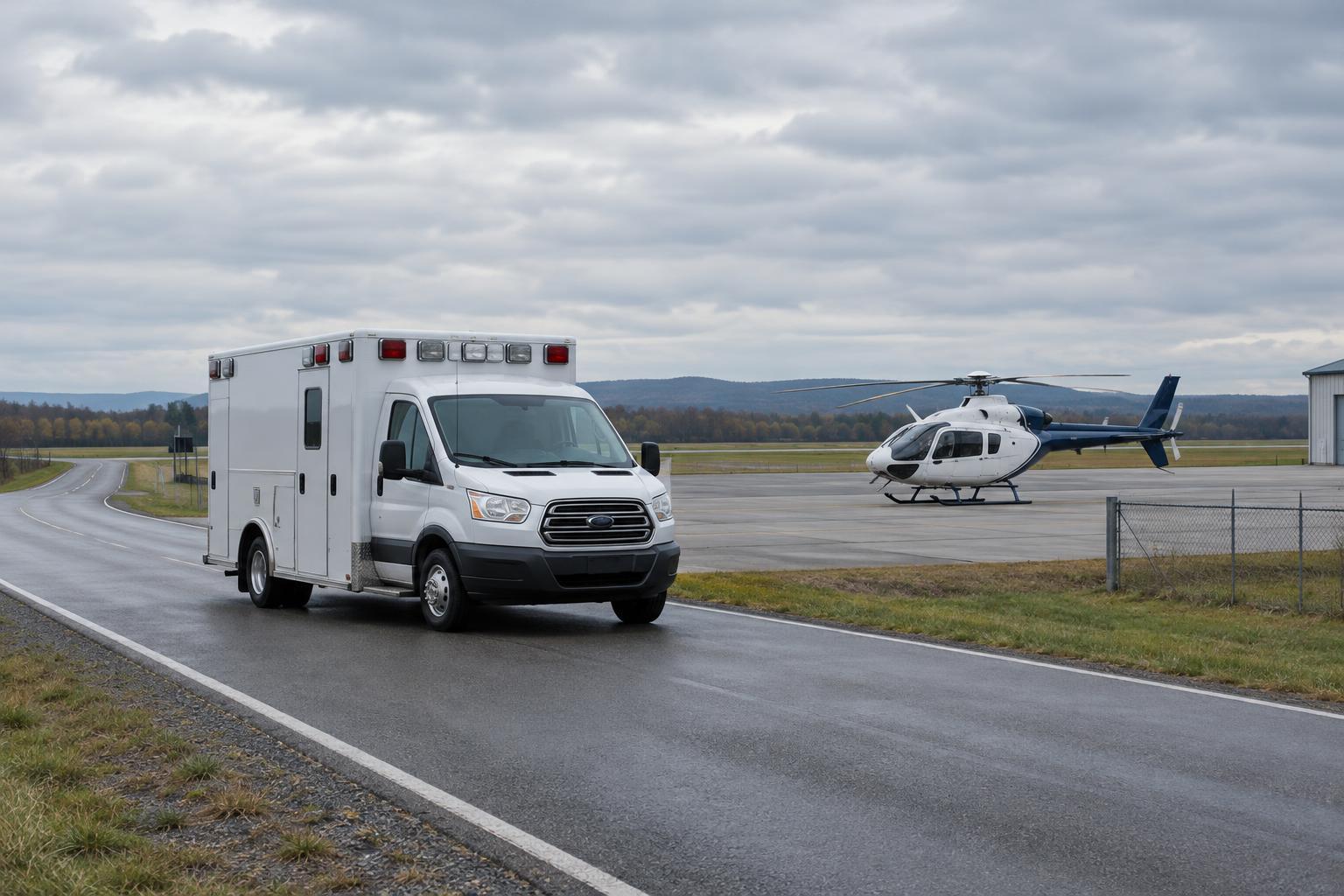
An aircraft rarely begins exactly where a passenger is waiting and lands exactly where the journey ends. A ground vehicle may be needed to reach an airport or landing site, and another may be needed after arrival. The time spent arranging those vehicles, loading, traveling on the ground and transferring between vehicles belongs in a door-to-door estimate. The distance of each ground leg matters, but so does how well its timing lines up with the flight.
For example, an aircraft might be ready to depart while the incoming ground vehicle is still on its way. At the destination, it might land near the final stop but still require a short vehicle transfer. Neither situation changes the flight time, yet both change when the traveler reaches the destination. Looking only at miles flown can conceal these connections, particularly when a conveniently located landing site is not available.
Handoffs and coordination shape the timeline
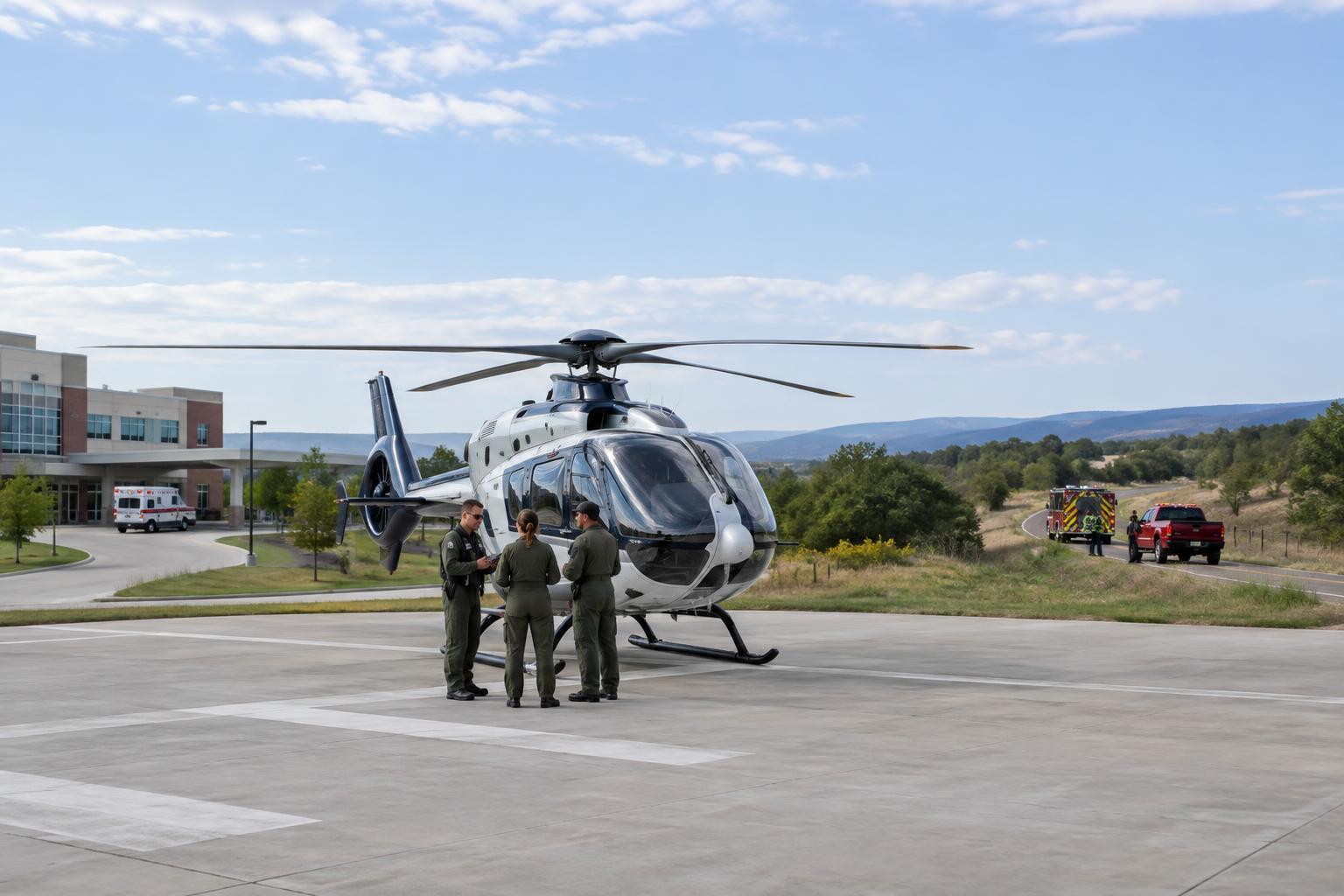
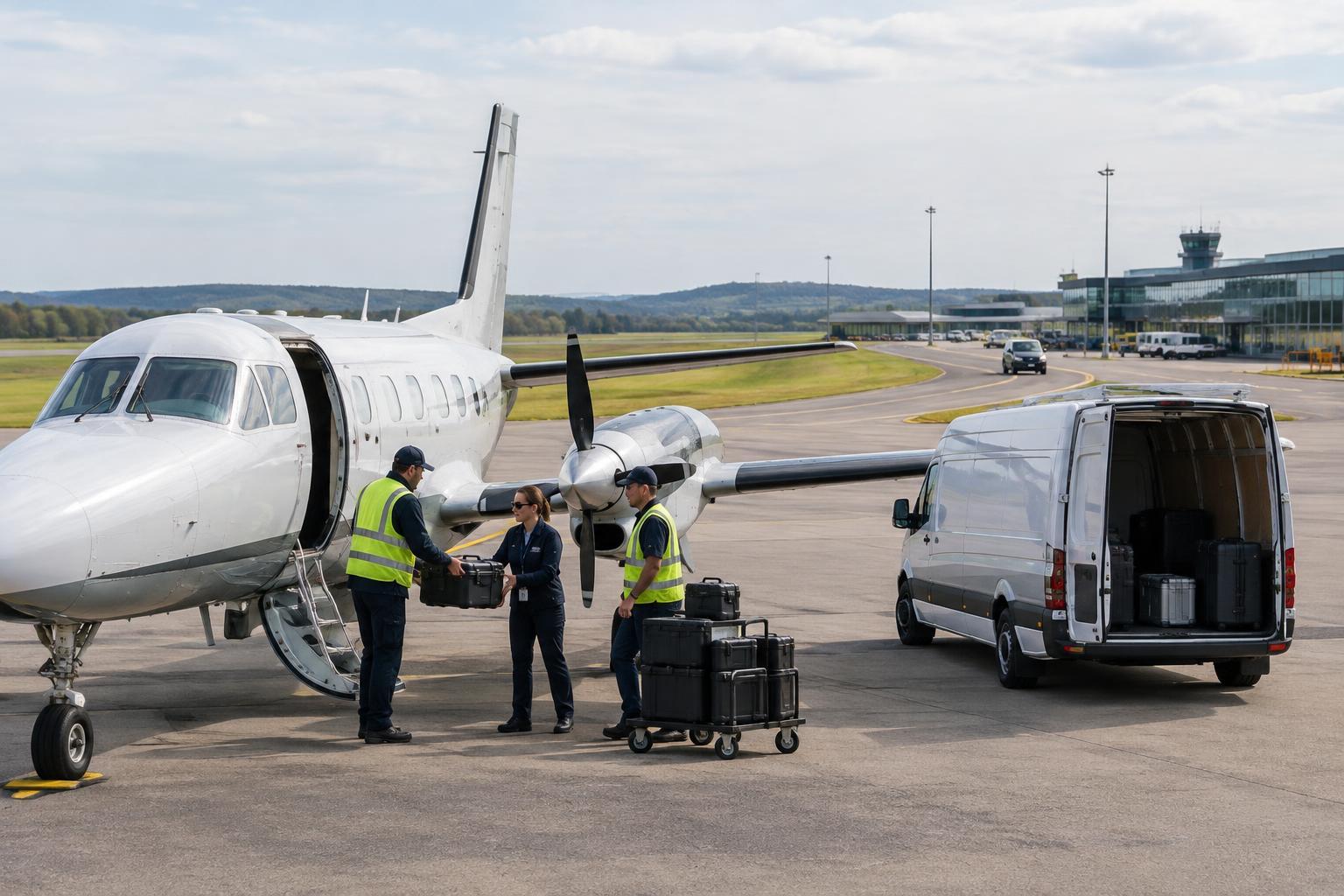
Each change of vehicle or team calls for coordination. Participants need to know where to meet, when to expect the arrival and what needs to accompany the traveler. In an emergency transport context, receiving teams may also need a clear handoff of relevant information and equipment. The details vary by trip, but the general principle is the same: a transfer is a task with its own timing, not an instantaneous point between two route segments.
Good coordination can reduce idle time without skipping necessary steps. Dispatchers, flight crews, ground crews and receiving locations may work from different schedules and constraints. Sharing updated arrival estimates helps each group prepare for its part of the journey. If conditions change, those estimates may need to be revised. A realistic timeline leaves room for handoffs rather than assuming that every vehicle and person will be in position at the same moment.
Compare complete routes, not just speeds
A useful comparison lays out the stages of each feasible route from the same starting point to the same destination. For an air route, that includes arranging the flight, reaching the aircraft, preparing and flying it, and completing the final transfer. For a road route, it includes vehicle availability, pickup, travel and arrival. This approach makes it easier to see whether the airborne leg outweighs the added transfers, without assuming that one mode is always faster.
The fastest-looking segment may not produce the shortest overall trip. Conversely, an aircraft can offer a meaningful time advantage when its route and connections work well together. Door-to-door time is best understood as the result of a coordinated chain of steps. Flight time remains an important measure, but it answers a narrower question: how long the aircraft is in the air, not when the entire journey is complete.