What “available” actually means
When an aircraft is described as available, it generally means it is not already committed to another flight. It does not necessarily mean that it is ready to lift off. A departure depends on several separate pieces coming together: a suitable aircraft, a qualified crew, workable conditions, an agreed destination, and a plan for moving people and equipment at both ends.
These pieces may be checked in parallel, but they do not always finish at the same time. An aircraft might be parked and mechanically ready while the receiving location is still being confirmed. A crew might be ready while weather conditions require a different route or a pause. The gap between availability and departure is therefore not always idle time; it can be time spent establishing whether the proposed trip is feasible.
Aircraft readiness is more than an empty cabin
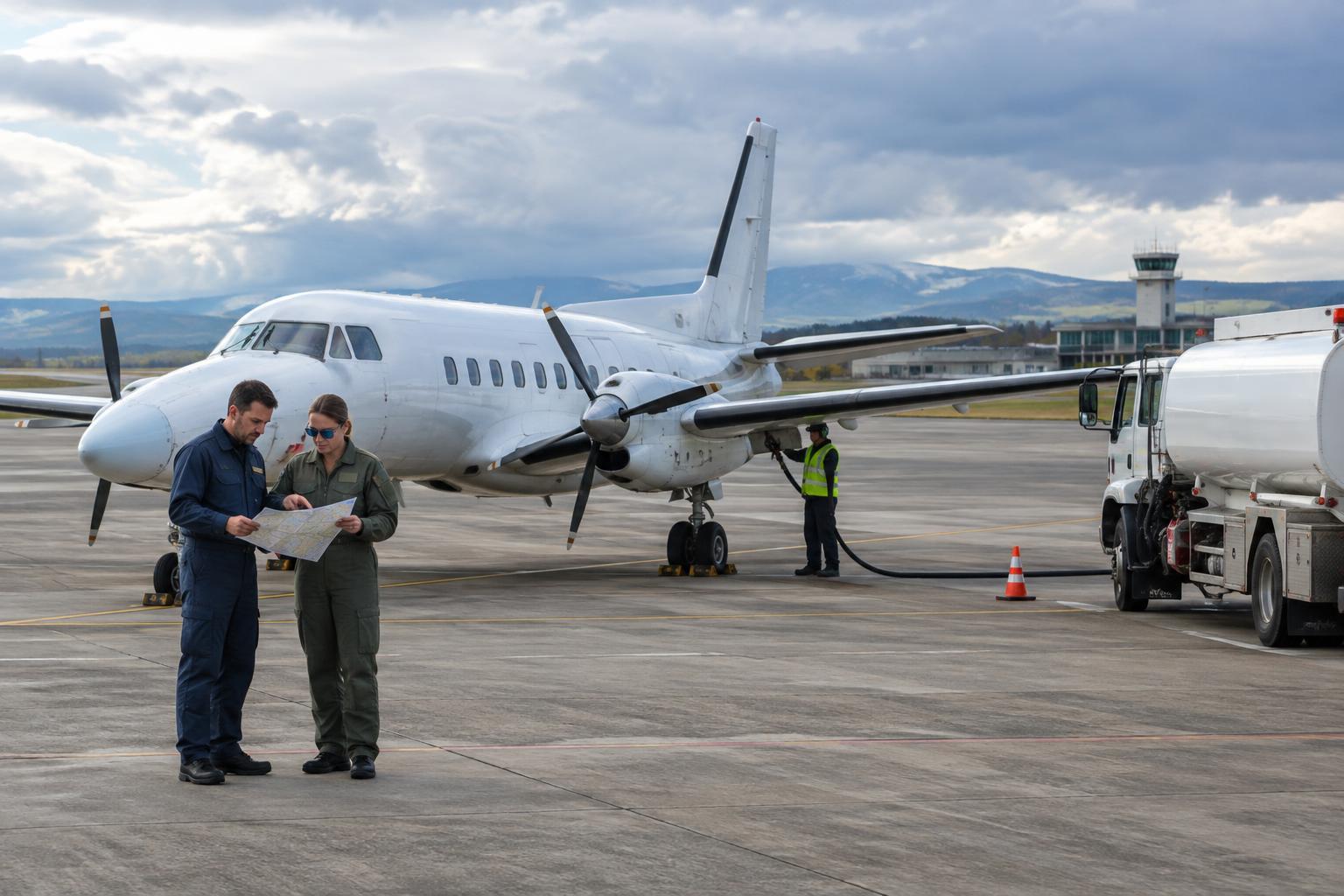
An aircraft returning from a mission may need inspection, refueling, cleaning, or replacement of supplies before its next assignment. Its configuration also matters. Space, loading limits, installed equipment, and the number of people traveling all affect whether a particular aircraft fits a particular request. An aircraft that is available for one type of trip may be unsuitable for another.
Flight planning adds another layer. Crews need to consider the intended route, expected conditions, fuel needs, and suitable places to land. Depending on the aircraft and mission, preparation may involve coordinating access to an airport, helipad, or other approved landing site. These checks help answer a more useful question than “Is an aircraft free?”: “Can this aircraft carry out this trip as planned?”
People and conditions set limits
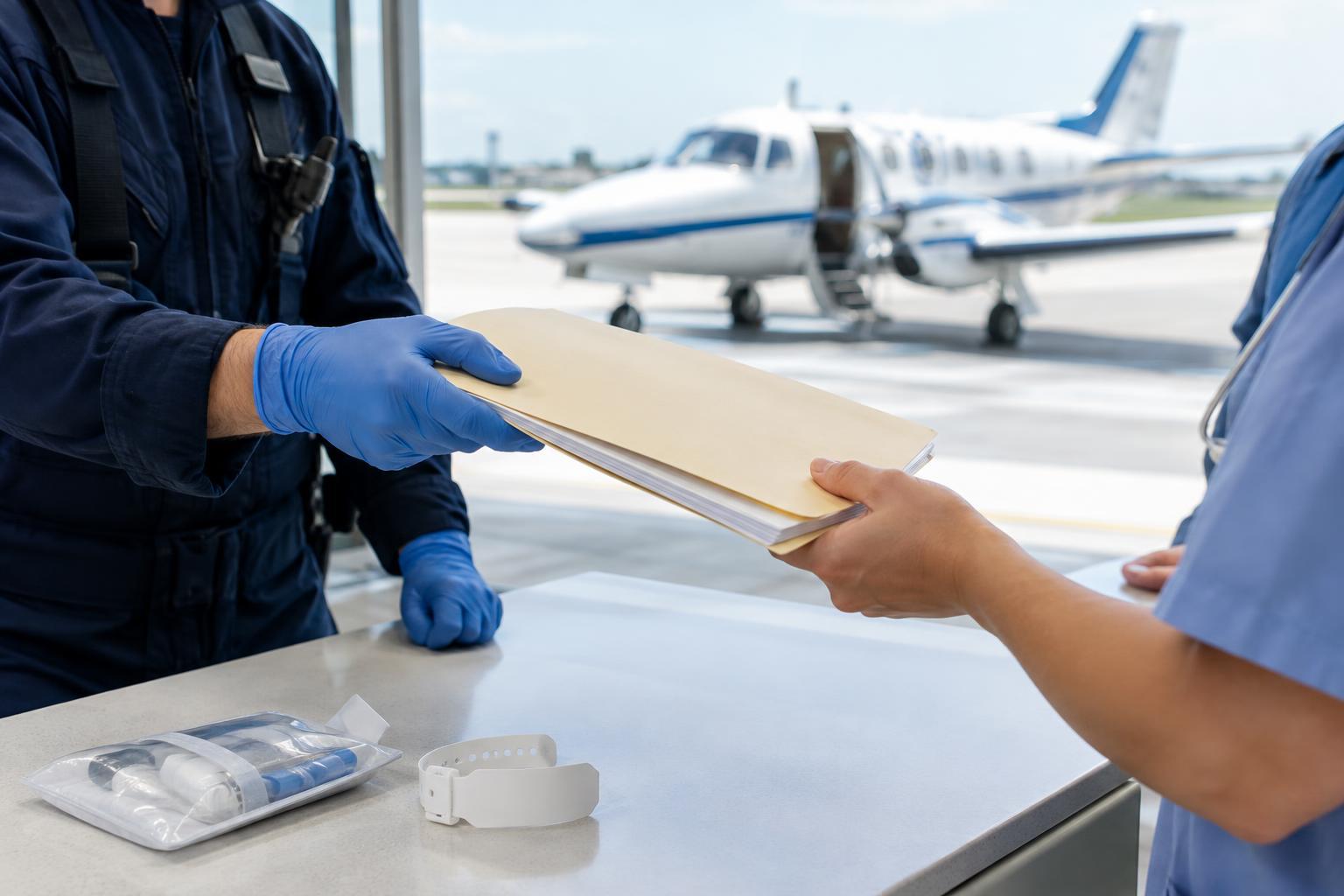
Aircraft do not depart on their own. The required flight and transport personnel must be available, appropriately qualified, and ready for the assignment. Duty and rest requirements can affect whether a crew can take a new trip, even when the aircraft is ready. If another crew is needed, arranging that handoff takes time. For specialized transport, the team and equipment must also match the needs identified for the journey.
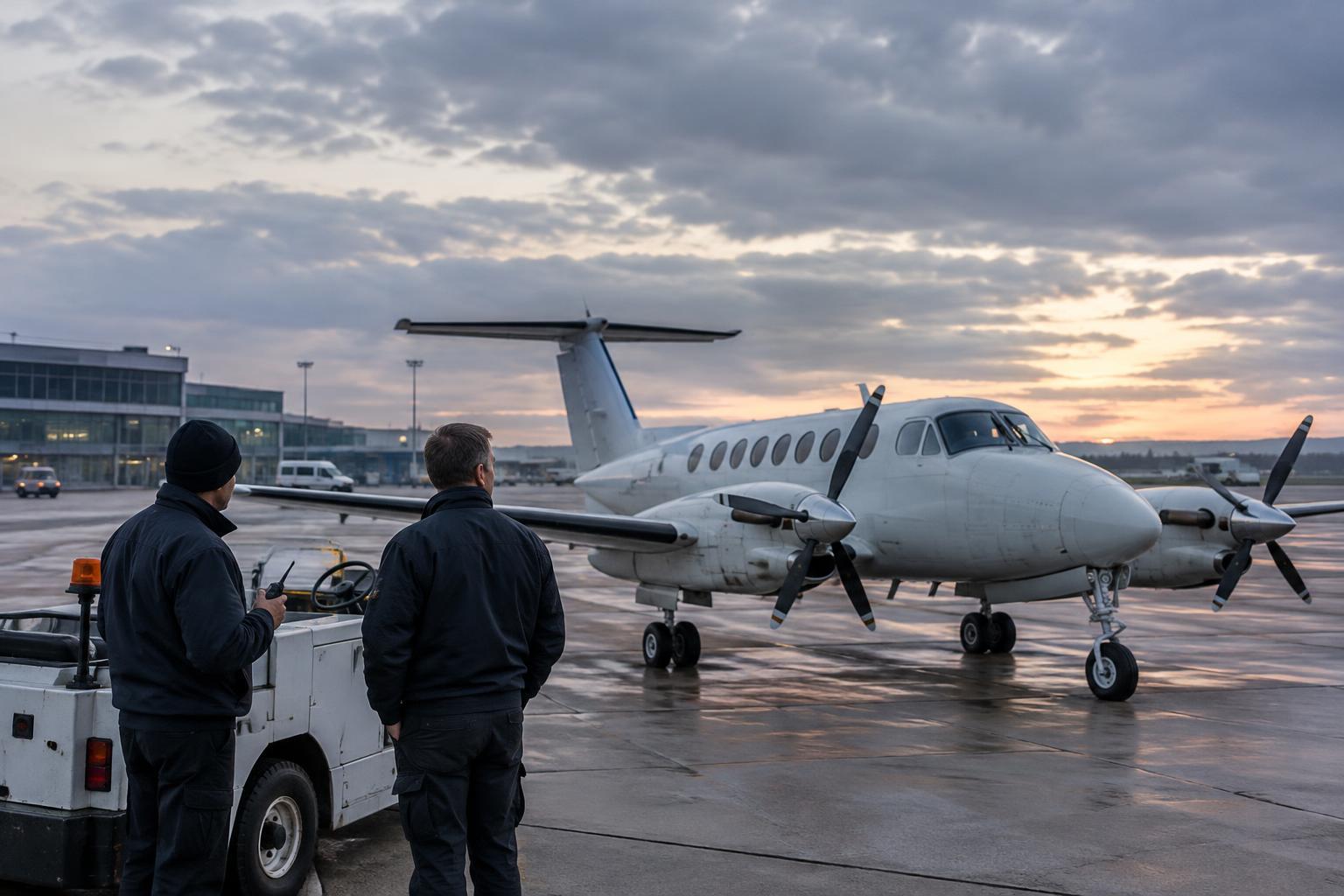
Weather can change the answer shortly before departure. Conditions at the departure point, along the route, and at the destination all matter. Visibility, winds, storms, and the possibility of changing conditions may call for a revised plan, a delay, or a decision not to fly. A safe decision can look like inactivity from the outside, but it is an active part of transport planning.
The destination and ground journey must connect
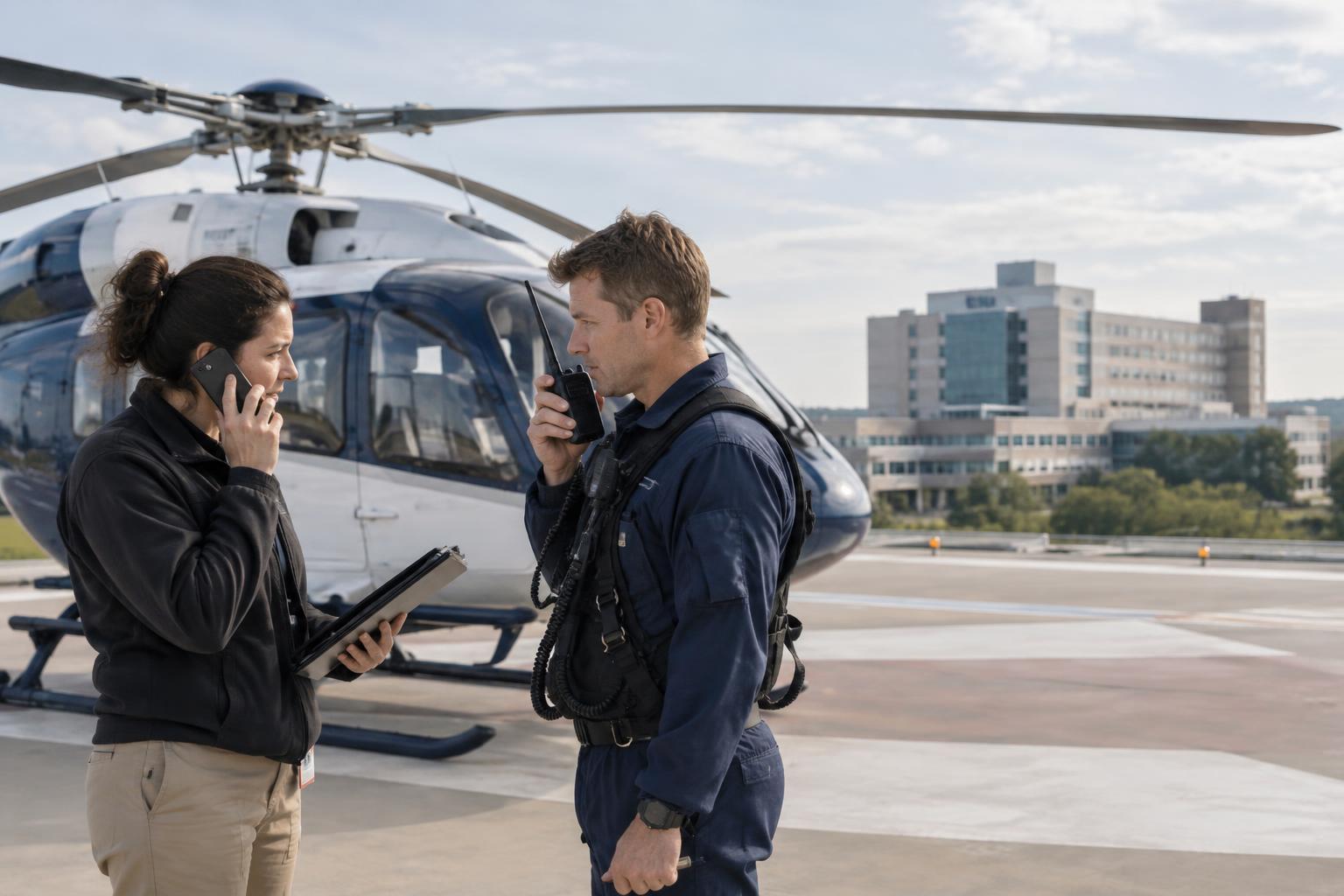
A flight is only one segment of a longer movement. The destination needs to be established, and the receiving team or facility must be prepared for the arrival. If the aircraft cannot land directly where the person needs to go, ground transport must bridge the remaining distance. The same may be true at the departure end: a vehicle, staff, and a workable transfer point may be needed to reach the aircraft.
Timing these connections matters. An early departure may not help if the destination cannot receive the traveler on arrival or if onward transport is not in place. Planners may therefore confirm handoff details before launch rather than leave a problem to be solved after landing. This coordination is less visible than the flight itself, but it can determine whether the overall trip works smoothly.
Why updates can change
An initial availability report is a snapshot, not a promised departure time. As details are checked, a team may learn that an aircraft needs servicing, a crew change is required, conditions have shifted, or a landing arrangement needs revision. Conversely, several checks may finish quickly and allow a prompt launch. Different requests involve different distances, equipment, locations, and handoffs, so there is no single preparation time that fits every flight.
It helps to distinguish three milestones: an aircraft may be available, a transport plan may be accepted, and the aircraft may be ready to depart. Each milestone answers a different question. Understanding that sequence makes delays easier to interpret without assuming that an available aircraft is being withheld or that every pause has the same cause. The goal of coordination is not simply to get airborne quickly; it is to make the entire journey workable.