The journey is more than the flight
An aircraft can cover a long distance quickly, which makes air transport valuable in some emergency transfers. Yet flight time is only one part of a journey. An air transfer may also require a crew and aircraft to become available, travel to a suitable pickup site, load the patient, fly to an airport or landing area, and complete a final transfer to the receiving facility. Ground transport may offer a more direct trip, especially when the origin and destination are connected by usable roads.
For a relatively short journey, the time spent arranging and completing those steps can outweigh the speed gained in the air. The comparison is best understood as door-to-door transport rather than aircraft speed versus road speed. Local geography, traffic, facility locations and available resources all affect that comparison.
Access at both ends matters
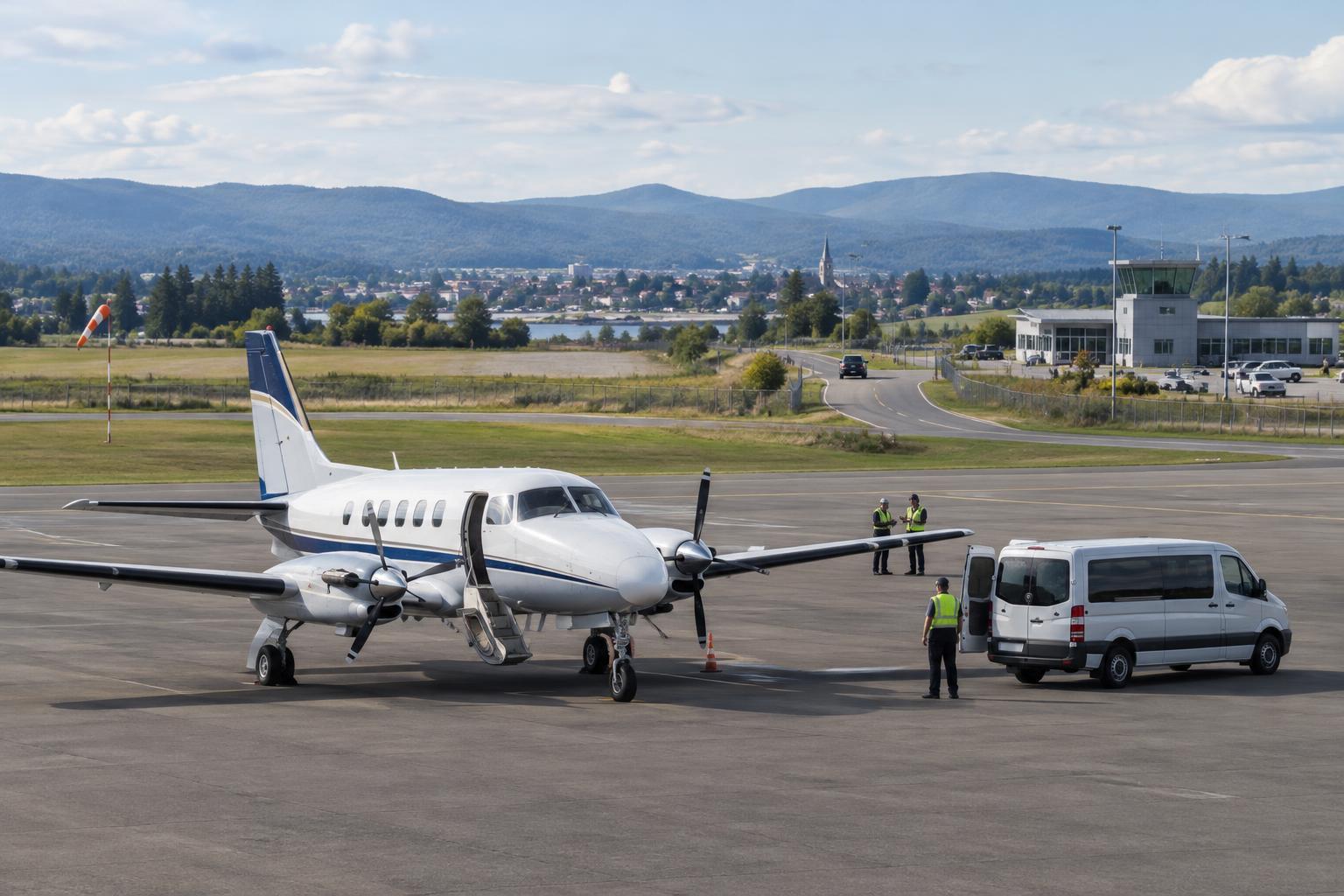
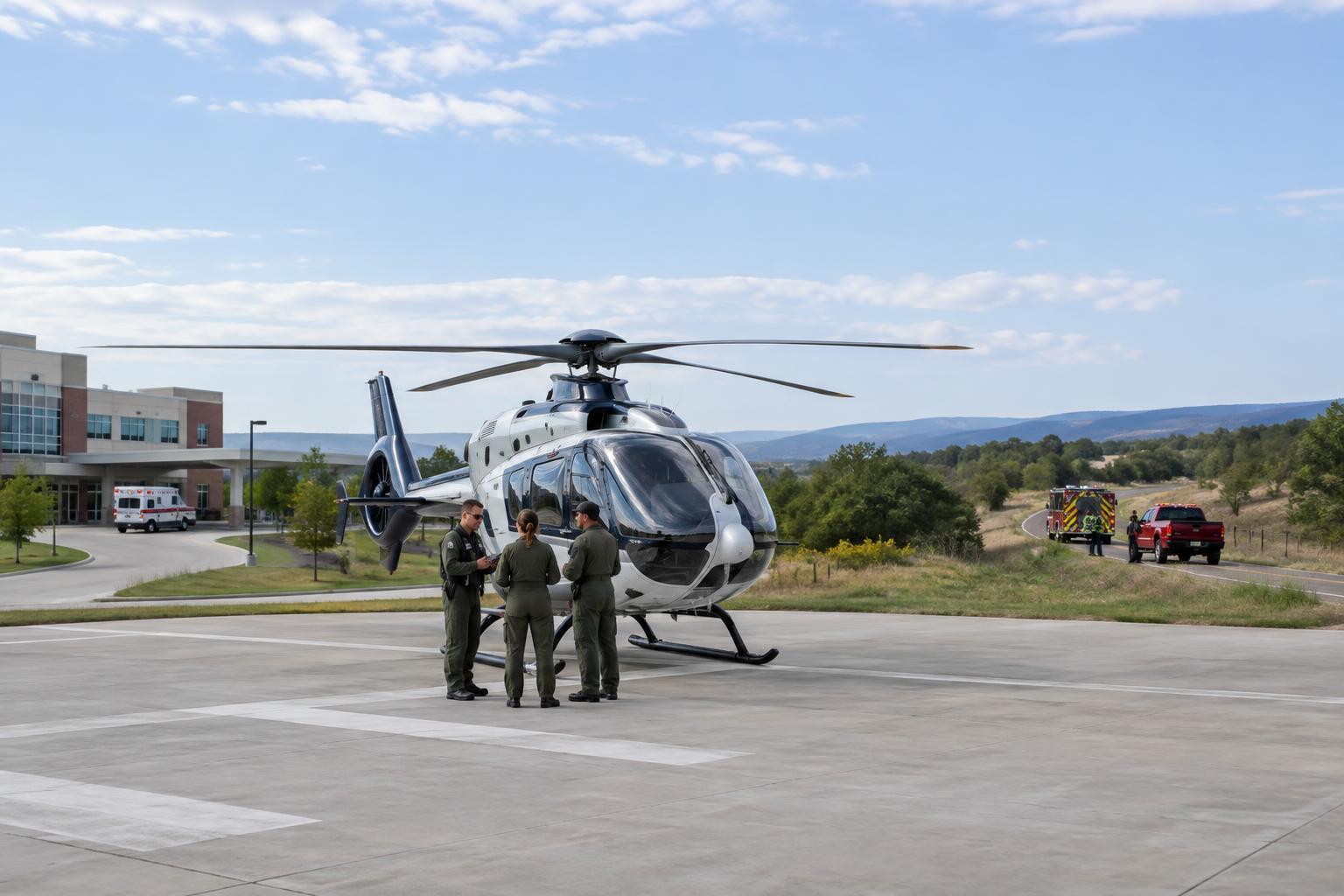
Aircraft need appropriate places to land or take off. A helicopter may be able to reach sites that a fixed-wing aircraft cannot, but it still needs a suitable landing area and safe conditions. Fixed-wing transport generally depends on airports and usually requires ground vehicles to connect the airports with the facilities at either end. If those connections are lengthy, a continuous road journey may be more straightforward.
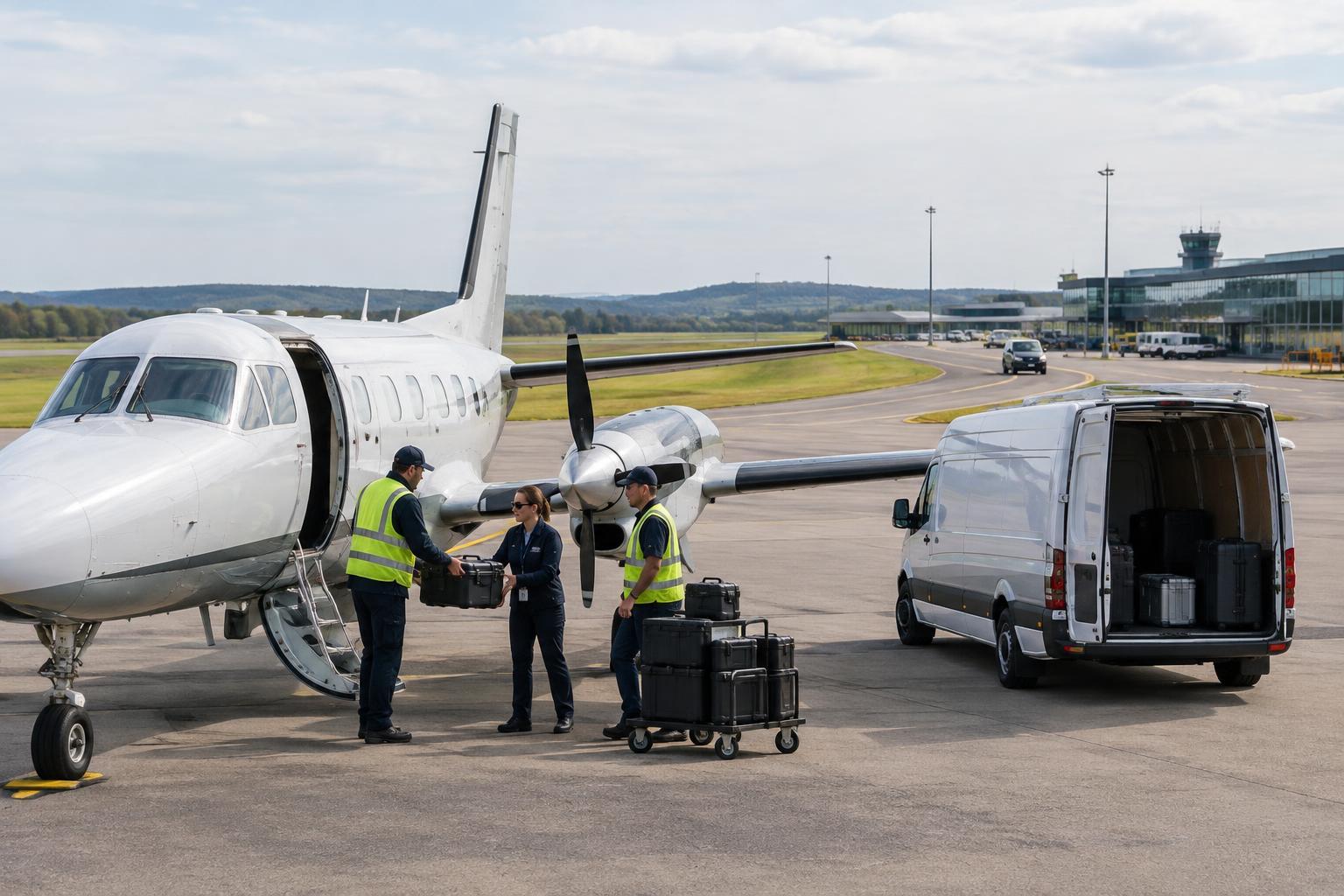
Loading and unloading also take coordination. Crews must move the patient and necessary equipment safely between vehicles while preserving the care already underway. Each handoff adds work and an opportunity for delay or miscommunication. Ground transport can sometimes reduce the number of handoffs by allowing one vehicle and crew to travel directly from the sending location to the receiving location.
Conditions can change the practical choice
Weather and visibility influence whether an aircraft can operate safely, while road conditions influence ground travel. A flight that appears attractive on a map may not be feasible under the conditions at the time. Waiting for conditions to improve may be reasonable in some circumstances, but in others an available ground vehicle offers a clearer path to departure. The reverse can also be true when roads are difficult to use and flying conditions permit an appropriate flight.
Availability matters as much as the route. Aircraft, specialist crews and receiving locations may be committed to other work. Ground vehicles also have limits, including staffing, travel range and the time needed to return to service. Comparing options therefore involves the resources actually available for a particular journey, not an idealized air or ground response.
Care needs and equipment shape the plan
The right vehicle must support what the patient needs during transport. Space for personnel, access to the patient, power for equipment and secure storage for supplies all matter. Aircraft cabins and ground vehicles have different layouts and operating constraints; neither is automatically better equipped for every situation. A ground vehicle may be practical when it can accommodate the required team and equipment while providing a direct route.
These considerations are not a simple checklist for choosing a vehicle. A patient’s condition, the capabilities of the available crews and the resources at the receiving facility require case-specific assessment by the responsible professionals. From a logistics perspective, the aim is to choose a workable journey that supports continuity of care, rather than to select a mode based on speed alone.
Coordination makes either mode effective
Transport planning connects the sending team, transport crew and receiving team. They need a shared understanding of where the patient is going, what equipment and personnel are needed, and how pickup and arrival will work. Confirming these details can prevent an apparently quick option from becoming a delayed one because a landing site, ground connection or receiving arrangement was not ready.
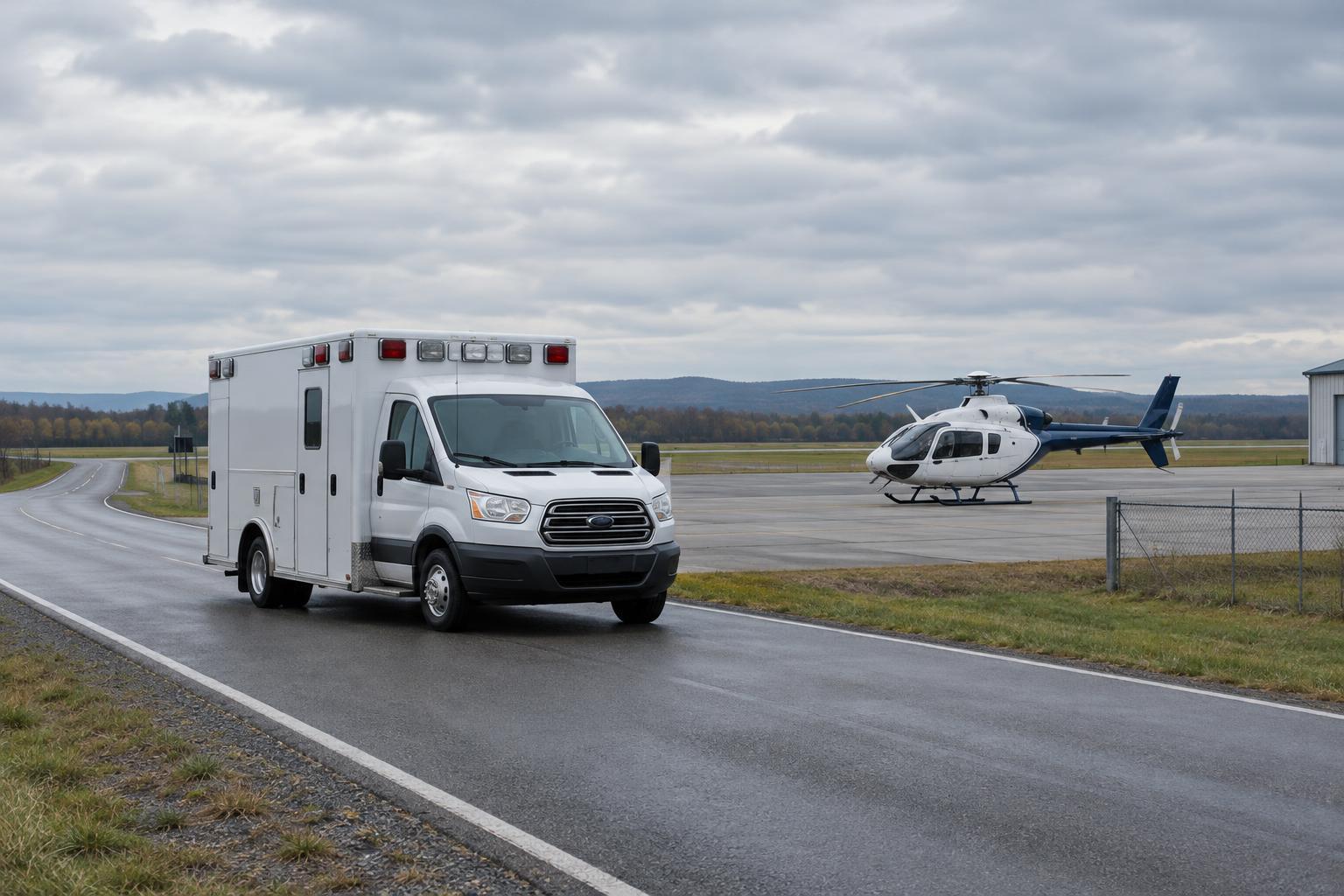
Ground transport may be more practical when it offers a direct route, fewer transfers, suitable equipment and a dependable departure. Air transport may be more useful when distance or access makes those advantages less important. The central question is not which vehicle is inherently faster, but which complete transport plan is feasible and appropriate for the journey at hand.