An inspection is a snapshot, not a complete history
An aircraft inspection checks specified items at a particular point in time. Depending on its scope, it may include a visual examination, a functional test or a closer look at components that are difficult to see in routine use. The result can establish that an item met the applicable criteria when it was checked. It does not prove that the item has never failed, or that it will continue working without attention.
The scope matters as much as the result. A check of a cabin light says little about an electrical system elsewhere in the aircraft. Likewise, an inspection of an installed radio does not necessarily cover a portable device carried for a particular mission. To understand what an inspection reveals, a reader needs to ask what was examined, how it was checked and whether any findings required follow-up.
Records turn individual checks into a timeline
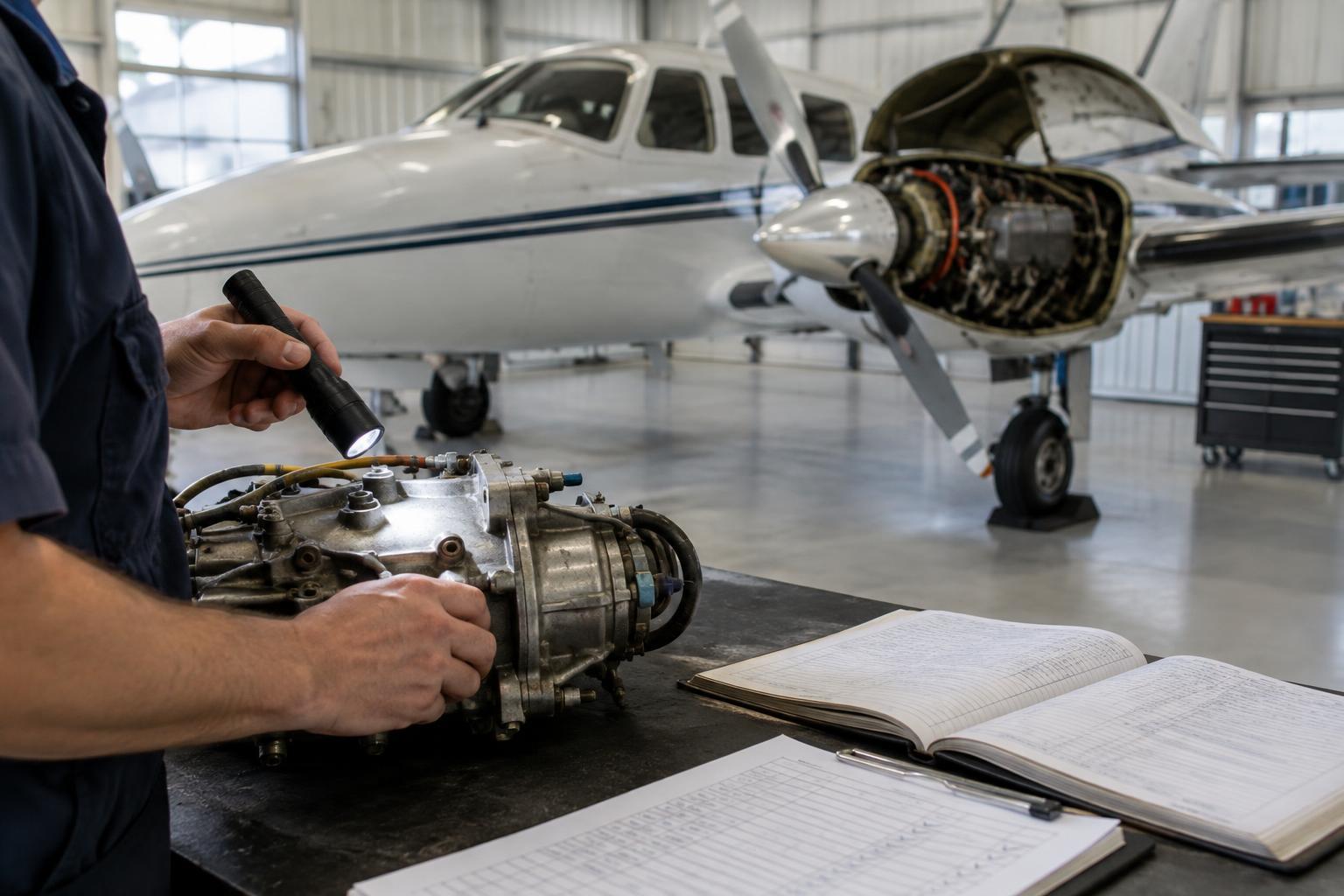
Maintenance records connect inspections with repairs, replacements and later checks. An entry may identify the equipment involved, describe a reported problem, note the work performed and record a return to service where appropriate. Read together, entries can show whether a fault was isolated or appeared more than once. They can also show when a component was replaced rather than repaired, or when a test followed corrective work.
This timeline is particularly useful for equipment whose condition cannot be judged by appearance alone. A radio may have a clean faceplate yet have a history of intermittent reception. A door mechanism may move normally during one check but have earlier reports of sticking. Repeated entries do not automatically mean the equipment is presently unreliable: they may reflect thorough reporting and successful troubleshooting. Still, they point to questions worth resolving rather than conclusions to assume.
A clear record helps distinguish a reported symptom from a diagnosed cause. “Display went blank” describes what someone observed; it does not, by itself, identify a failed display. The eventual finding might involve wiring, a connector or another part of the system. This distinction prevents a maintenance history from being read as a simple list of broken components.
Configuration affects what the records mean
Aircraft equipment changes over time. A record may document an installation, removal, modification or software update. Those entries help establish which equipment was actually fitted when a problem was reported or an inspection was completed. Without that context, it is easy to mistake an old issue with a removed component for a concern about the current aircraft.
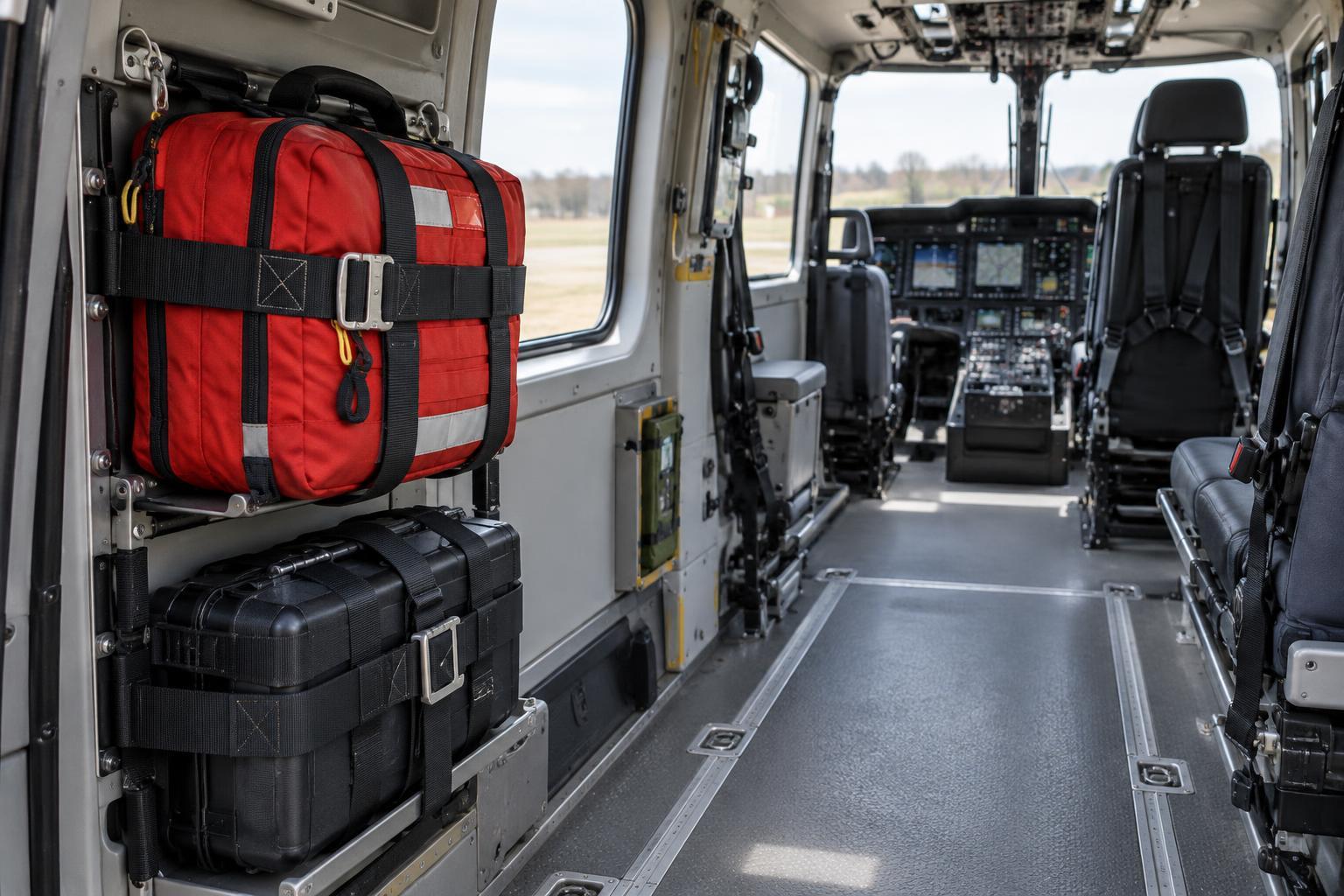
In rescue aviation, the distinction between installed aircraft equipment and mission-specific equipment is especially important. Aircraft lighting, avionics and approved cabin fittings may be covered in aircraft maintenance documentation, while portable communication devices or transport equipment may have separate inspection and service records. A complete picture therefore depends on knowing which records apply to which items. An aircraft maintenance entry should not be treated as evidence that every portable item aboard was checked.
Records may also note that an item was temporarily unavailable and how that condition was handled under the applicable procedures. Such an entry deserves context, not an automatic assumption that a flight was unsafe or that the item was repaired immediately. The significance depends on the equipment, the aircraft’s configuration and the requirements governing its use.
What a careful reader should—and should not—infer
Useful questions are concrete: Is the equipment clearly identified? Does a reported fault have a documented response? Was the work checked or tested when needed? Do later entries suggest the same symptom returned? Are there gaps that make the sequence difficult to follow? These questions can reveal the quality and continuity of the documented maintenance story without requiring a reader to diagnose the aircraft.
Records have limits. They depend on what was observed, reported and documented, and a short entry may omit details available in other technical material. Even a well-kept history cannot predict every future fault. Conversely, a sparse description is not proof that work was inadequate. Interpreting an aircraft’s airworthiness or deciding whether it may be operated belongs to appropriately authorized personnel applying the relevant requirements.
The most useful approach is to read inspections and records together. Inspections describe what was checked and found at defined moments; records show how equipment concerns and changes were handled across time. Together, they offer a more grounded view of condition than either a polished appearance or a single pass result can provide.