The connection between a request and a transport plan
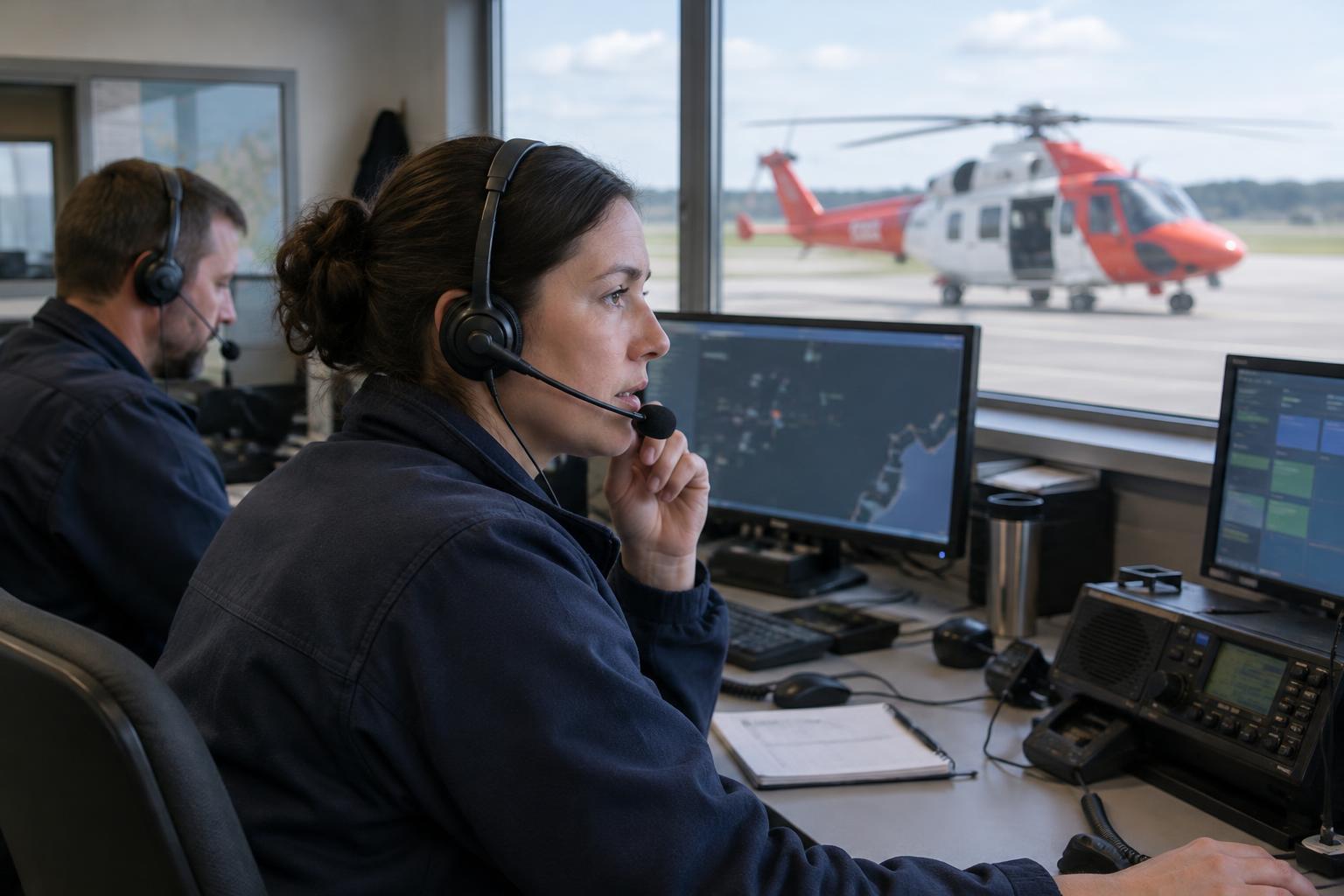
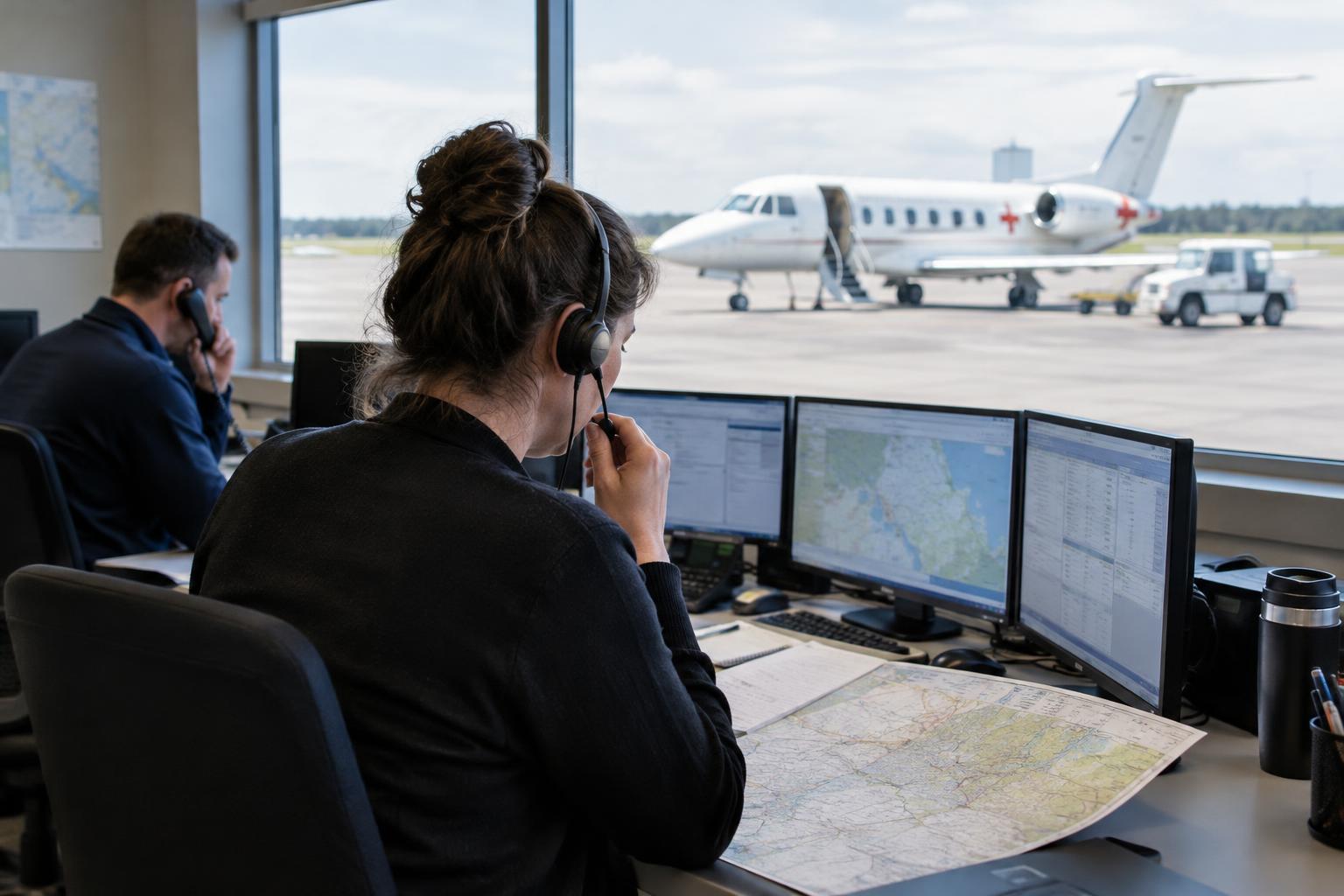
A flight coordinator is often one of the first people involved when an organization requests emergency air transport. The coordinator’s job is not simply to send an aircraft. It is to gather the details needed for the appropriate teams to evaluate the request, identify available resources and keep everyone working from the same plan. The exact duties vary by operator: some organizations separate call-taking, dispatch and clinical coordination, while others combine parts of those functions.
A request may involve a transfer between healthcare facilities or a response to a location away from a hospital. In either case, the coordinator needs to understand where the patient is, where the patient needs to go and who is responsible for each part of the handoff. Clinical teams determine patient care needs, and qualified aviation personnel make flight-related decisions. The coordinator supports those decisions by moving accurate information to the people who need it.
Gathering details without losing the essentials
An initial call can contain many details, some of them incomplete or changing. A coordinator may confirm the requesting organization’s contact information, pickup and destination locations, the proposed receiving team and the expected timing. They may also collect information about the patient’s transport needs so the appropriate clinical personnel can assess whether a particular crew and equipment configuration are suitable. This is a communication task, not a substitute for a medical assessment.
Location details deserve particular attention. A hospital name, street address or informal description may not be enough to identify an exact pickup point. For a scene response, the coordinator may need to relay access details supplied by people on the ground. For a facility transfer, the practical question may be which entrance or transfer area the ground team will use. Confirming details with the relevant parties helps reduce avoidable confusion, especially when several organizations use different names for the same place.
Connecting aircraft, crews and ground arrangements
Once a request is understood, a coordinator helps determine which resources may be available. Depending on the organization, that can mean checking crew status, aircraft readiness, service area and equipment needs, then bringing the request to personnel authorized to accept or decline it. Aircraft choice is not just a question of distance. The pickup location, destination, weather, operating limitations and the patient’s needs can all affect whether air transport is feasible or appropriate.
Even a flight-based journey usually includes work on the ground. Someone may need to arrange or confirm transportation between a facility and an airport, verify where a crew should meet the patient, or make sure the receiving location knows a transfer is being planned. The coordinator helps connect these pieces rather than assuming that an aircraft’s arrival completes the job. When air transport is unavailable, the coordinator may communicate that status so the requesting team can consider other options through its established process.
Keeping communication clear as plans change
Transport plans can change after the first call. A destination may be updated, a ground connection may take longer than expected, or flight personnel may determine that conditions do not support a proposed route. Coordinators track these changes and pass them along promptly to affected teams. They also help distinguish a confirmed plan from a possibility that is still being evaluated. That distinction matters when people are preparing patients, vehicles and receiving spaces.
Good coordination relies on careful handoffs. A coordinator may document key times, contacts, decisions and updates in the organization’s system so the next person answering a call can see what has happened. Read-backs or other confirmation practices can help when names, locations or instructions are easy to mishear. The goal is not to create more messages; it is to make each message useful, timely and understandable to its recipient.
Skills behind the role
Flight coordination combines calm communication with attention to detail. Coordinators may handle several conversations while keeping separate requests organized, so they need to know when to ask a clarifying question and when to escalate an issue to a clinician, pilot or supervisor. Familiarity with aviation terminology, geography and transport workflows helps, but knowing the limits of one’s authority is equally important. A coordinator should not turn an uncertain detail into a confident assumption.
People enter this work from varied backgrounds, including dispatch, healthcare administration, emergency communications and aviation support. Training and qualifications depend on the employer and the duties assigned. For someone exploring the career, the central lesson is that the work is about dependable connections: making sure the right people receive the right information, that practical arrangements are not overlooked and that changes reach everyone who needs to know.