Why ice matters
Aircraft are designed to fly with particular shapes and surfaces. Ice on a wing or tail can alter airflow, add weight and increase drag. Ice can also obstruct an engine inlet, affect a propeller, block an air-data probe or make a windshield harder to see through. A small amount in the wrong place may matter more than a large amount somewhere less sensitive.
Two related terms describe different jobs. De-icing removes ice that has already formed. Anti-icing helps prevent ice from forming or adhering in the first place. An aircraft may use both approaches, but no system makes it safe to ignore weather, aircraft limitations or operating procedures.
Ground treatment before departure
On the ground, snow, frost or freezing precipitation can collect while an aircraft is parked. Ground de-icing typically uses heated fluid applied by trained personnel to remove contamination from critical surfaces. Depending on the aircraft and conditions, a separate anti-icing fluid may then be applied to help protect those surfaces for a limited time while the aircraft prepares to depart.
That protection is temporary. Its useful duration depends on factors such as precipitation, temperature and the fluid used. It is not a coating that protects an aircraft throughout a flight. Crews follow the procedures that apply to their aircraft and operation, including checks intended to establish that critical surfaces are suitable for departure. If conditions change or protection can no longer be relied upon, further inspection or treatment may be needed.
Systems used in flight
Many transport aircraft use heat to protect selected areas. On some turbine aircraft, hot air taken from the engines warms parts of the wing leading edges or engine inlets. Electrical heating may protect windshields and small but important components such as pitot probes, which help supply airspeed information. Designs vary: not every surface is heated, and crews must know which parts their aircraft protects.
Other aircraft may use inflatable boots along leading edges. These briefly expand to break accumulated ice away, making them a de-icing system rather than a continuously heated barrier. Propellers, where fitted, may have electrically heated sections or other approved protection. Some designs use fluid delivered to particular surfaces. Each method has trade-offs in power demand, coverage and operation; equipment must be used according to the aircraft’s approved procedures.
An ice-detection system may alert a crew to conditions that support ice formation or to ice on a monitored area. Detection is an aid, not a complete picture of every surface. Crews also use weather information, visual cues where available and the aircraft’s indications to decide when protection is needed.
The equipment’s limits
Ice-protection equipment is built around defined operating conditions. It may protect essential areas without clearing the entire aircraft. Some conditions can produce ice faster or in places that a system is not designed to handle. Turning a system on also does not instantly remove every deposit. For those reasons, the ability to recognize icing conditions and leave them when necessary remains as important as the equipment itself.
The systems can affect other parts of aircraft operation. Heating may draw electrical power or engine air, while boots and fluid systems require their own components and checks. A fault may change which conditions an aircraft can safely enter. These are aircraft-specific questions, answered by its approved documentation rather than by a general rule about all transport aircraft.
How crews bring the pieces together
Safe ice management connects equipment with planning and communication. Before a flight, crews consider the forecast, possible routes and the aircraft’s capabilities. On the ground, they coordinate treatment and confirm its status before departure. In flight, they monitor conditions and aircraft performance, operate the appropriate systems and communicate if a change of route or altitude is needed.
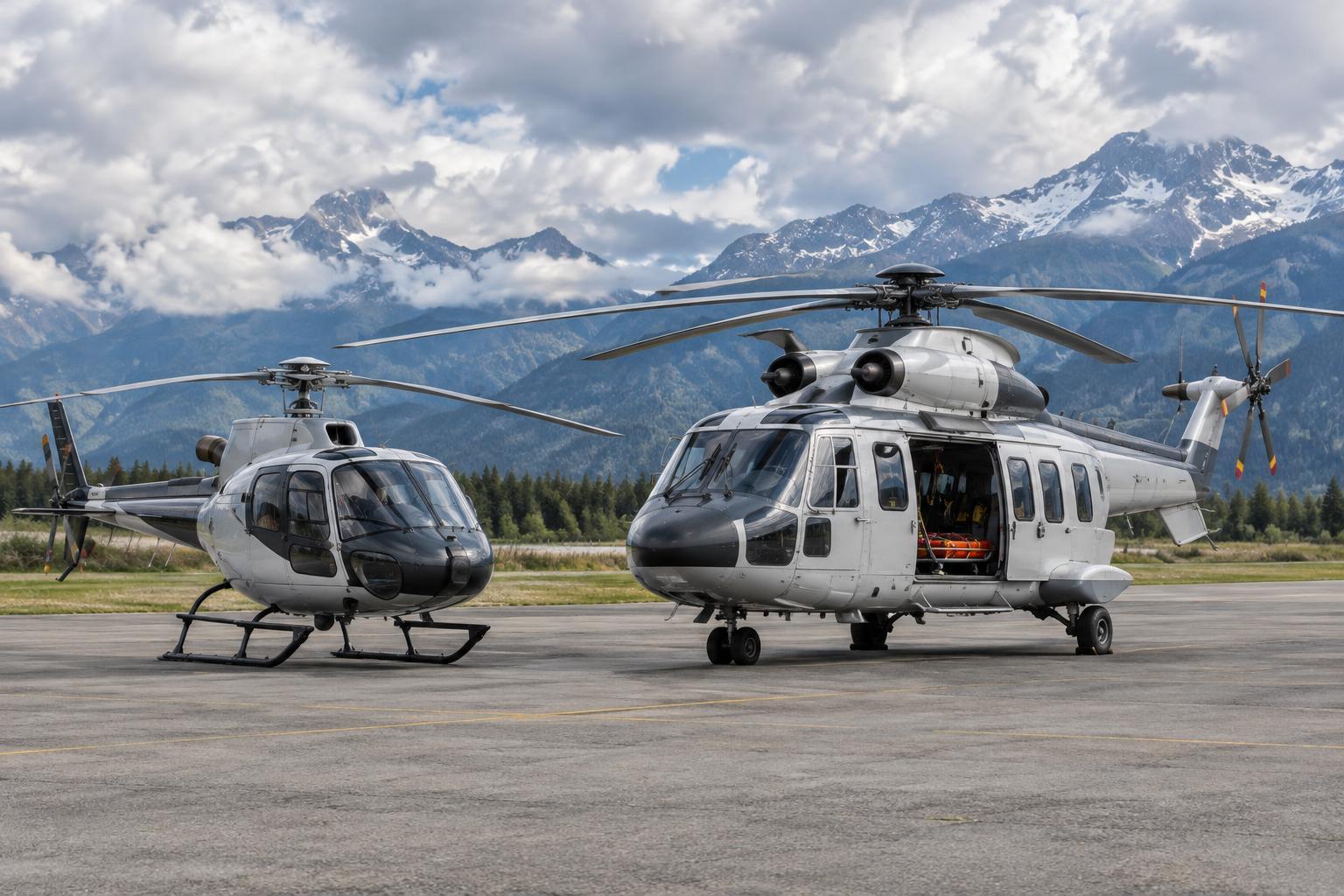
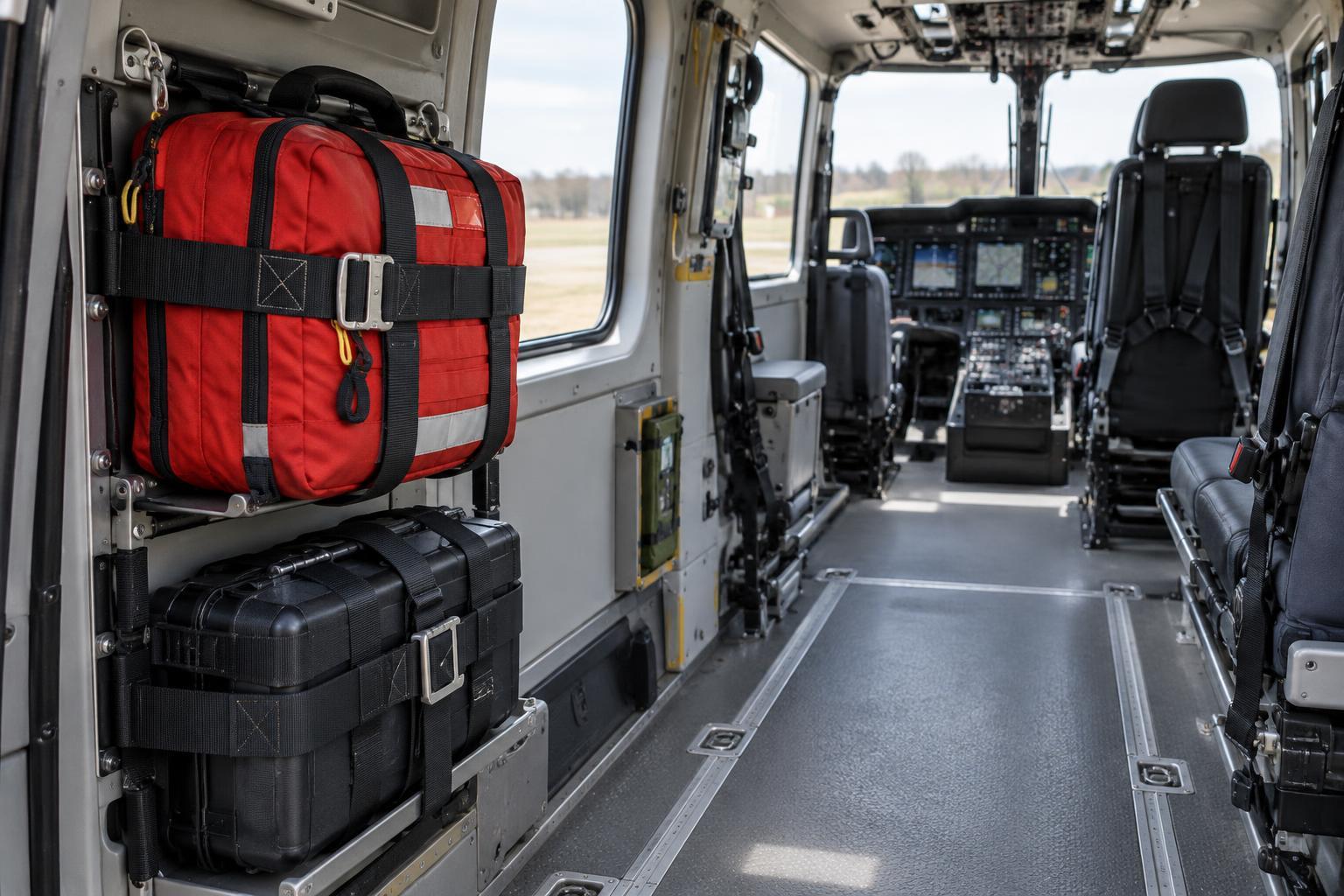
For emergency transport, weather decisions may feel especially time-sensitive, but the equipment has the same physical limits. Understanding what de-icing removes, what anti-icing prevents and what neither can guarantee helps explain why a crew might delay, divert or choose not to fly. Ice protection expands an aircraft’s capabilities; it does not replace judgment.