A coordination role, not a single job description
When an emergency transport request comes in, someone must connect the people asking for transport with the aircraft, crew and facilities that may be involved. Depending on the organization, that person might be called a dispatcher, communications specialist, flight coordinator or operations controller. The titles are not interchangeable everywhere: duties and authority can differ substantially between operators and types of aircraft.
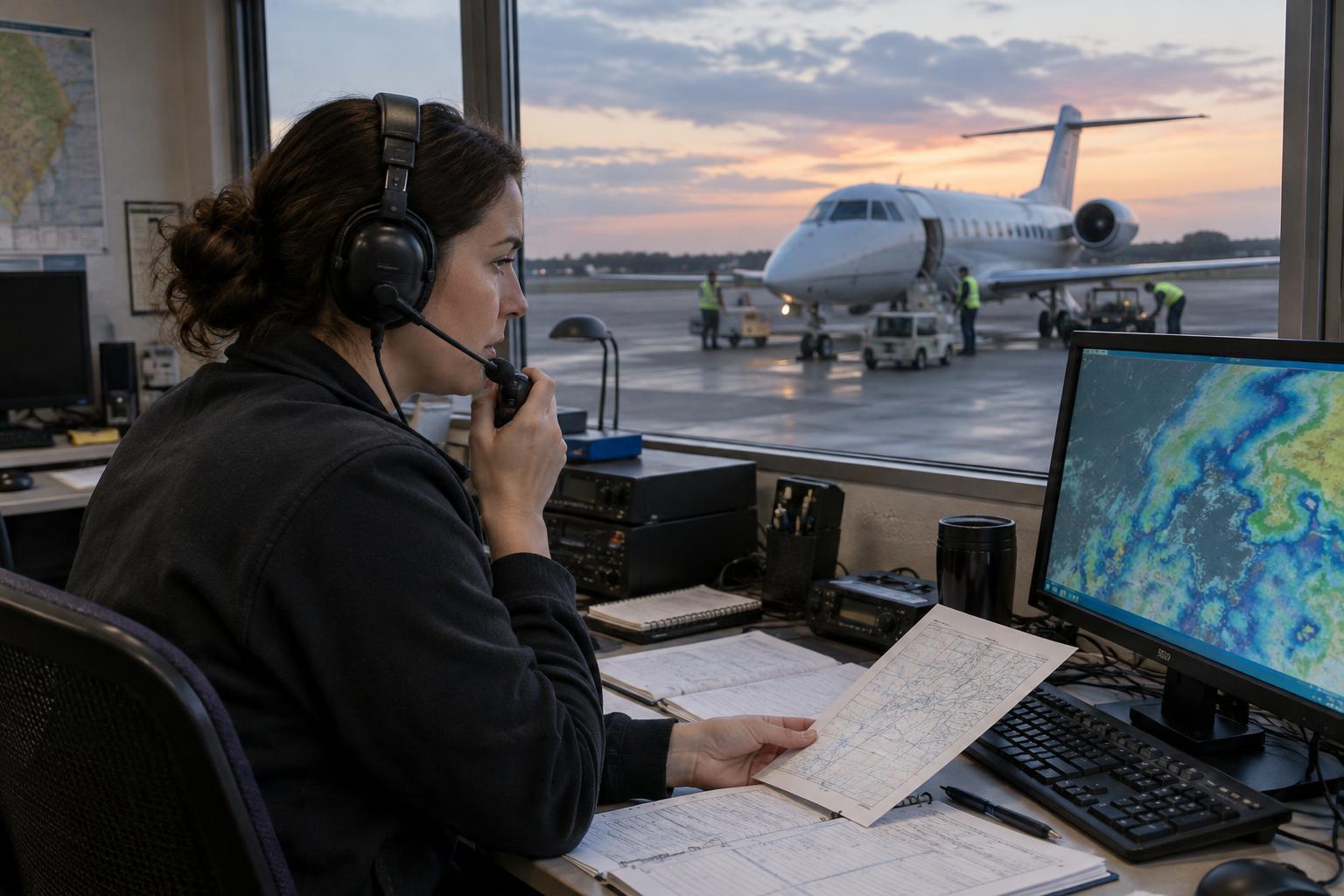
At a general level, the role is to gather accurate information, pass it to the right people and maintain a clear picture of a mission as it develops. A dispatcher may work from a communications center rather than an airport. Although the work happens away from the aircraft, missing or ambiguous details can affect how efficiently a crew prepares. The dispatcher’s contribution is therefore less about making every decision and more about ensuring that the people responsible for each decision have usable information.
Turning a request into a workable plan
An initial request may contain a destination, a time constraint and only partial details about the proposed pickup. The dispatcher may confirm contact numbers, locations, access arrangements and the type of transport requested. They may also check which aircraft and crew are available and relay relevant information to them. If a request changes, the record needs to change with it so that the next person in the chain is not working from an outdated assumption.
Planning involves practical questions that extend beyond distance on a map. Where can the aircraft safely arrive? Who will meet it? Is ground transport needed at either end? Are there restrictions or local procedures the crew needs to know about? A dispatcher can help collect answers and identify gaps, but the flight crew and other designated decision-makers assess matters within their authority. Dispatch coordination does not replace a pilot’s judgment about whether or how to fly.
Weather illustrates this division of responsibility. Operations staff may monitor available weather information and alert a crew to changes or uncertainties. They should communicate what they know clearly, including when information is incomplete. Whether conditions are suitable for a particular flight depends on the aircraft, the operation and the applicable procedures; it is not a question answered simply by how urgent the request sounds.
Keeping the mission connected
Once an aircraft is assigned, the dispatcher’s work continues. They may track reported departure and arrival times, maintain contact with the crew and pass updates to receiving facilities or ground teams. In some organizations, formal flight-following procedures define how aircraft position is monitored and what happens if an expected communication is missed. Elsewhere, those responsibilities may sit with a different operations role. The important distinction is that following a flight involves an established process, not casual attention to a map.
Clear messages matter when several groups are working at once. A useful update identifies what changed, who needs to know and whether confirmation is required. For example, a revised landing location should reach the crew and the people arranging the handoff. Dispatchers also need disciplined records: times, contacts and changes should be documented consistently so colleagues can understand the mission during a shift change or later review.
Privacy is part of that discipline. Emergency transport may involve sensitive information, and operations staff should share only what a recipient needs for their role, using the organization’s approved channels. Good coordination balances speed with accuracy and appropriate handling of details.
Skills and career paths
The job suits people who can listen closely, ask concise follow-up questions and remain organized when several requests compete for attention. Familiarity with aviation terminology, geography, communications tools and the operator’s procedures is valuable. Just as important is knowing when to escalate a problem rather than guessing at an answer. An effective dispatcher can repeat back a critical detail, spot a conflict between two reports and make sure it is resolved by the appropriate person.
Entry requirements vary. Some roles emphasize communications experience and provide operator-specific training; others require particular aviation knowledge or credentials. Because the word “dispatcher” carries different meanings across aviation settings, applicants should read a vacancy’s duties and qualifications carefully rather than assume that one training route fits every emergency transport organization.
It can be a demanding career, with interruptions, changing priorities and work that may extend beyond conventional office hours. It can also be a way to contribute directly to rescue aviation without serving as a pilot or medical crew member. The most reliable dispatchers make complex operations easier to understand for everyone involved: they preserve an accurate picture, communicate changes promptly and respect the boundaries of their role.