Why weight and balance matter
An aircraft has limits on how much it may weigh and where that weight may be distributed. The first question is total weight: do the aircraft, people, fuel, baggage, and equipment together remain within the applicable limits? The second is balance: is the combined center of gravity within the approved range? Meeting one requirement does not guarantee meeting the other. An aircraft can be under its maximum weight yet still be improperly balanced.
Weight and balance affect how an aircraft handles. A load concentrated too far forward or aft can change the forces needed to control it. Excess weight can also reduce performance margins. The exact limits and procedures depend on the aircraft and its approved documentation; a general description cannot replace an aircraft-specific loading calculation.
Equipment has both weight and location
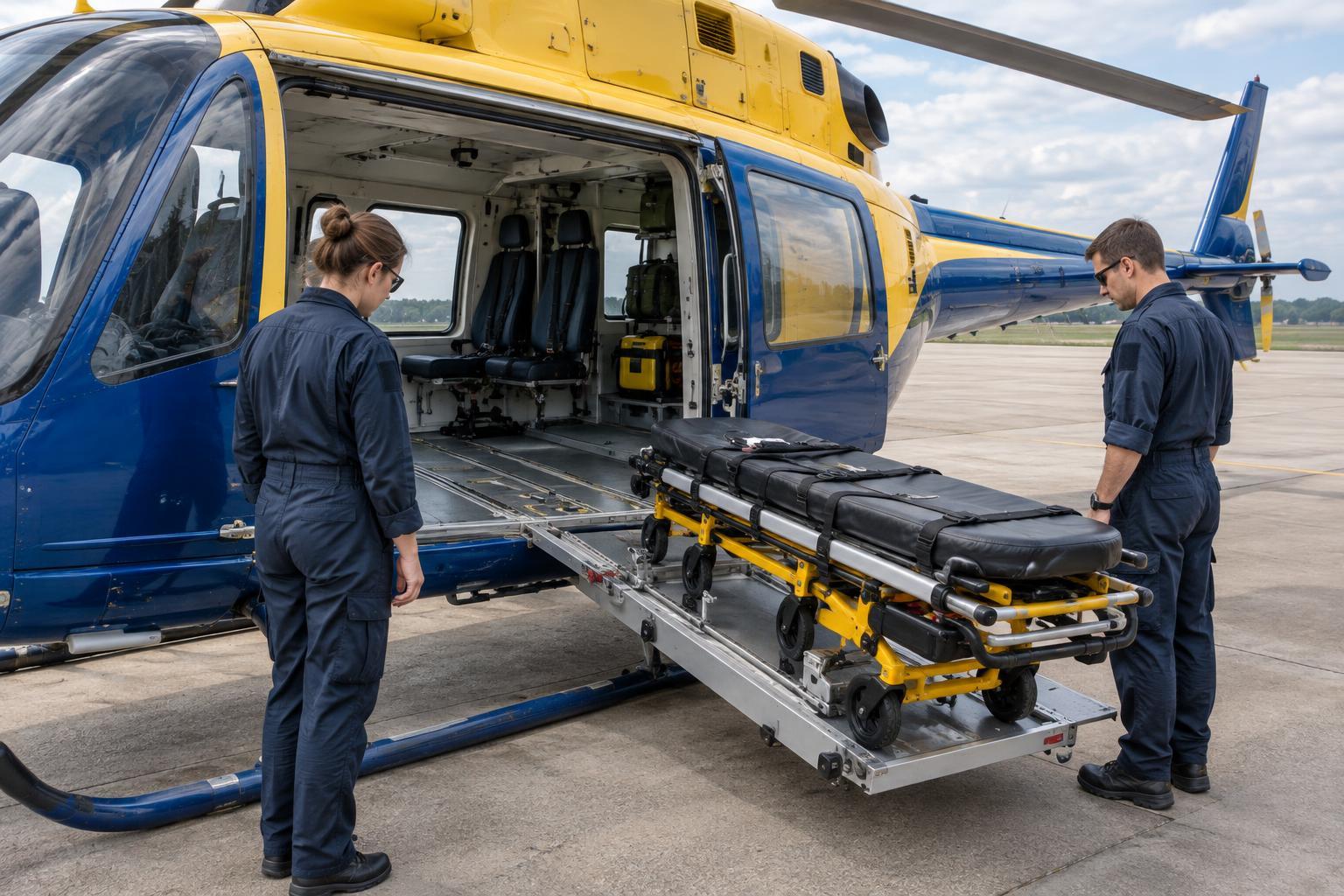
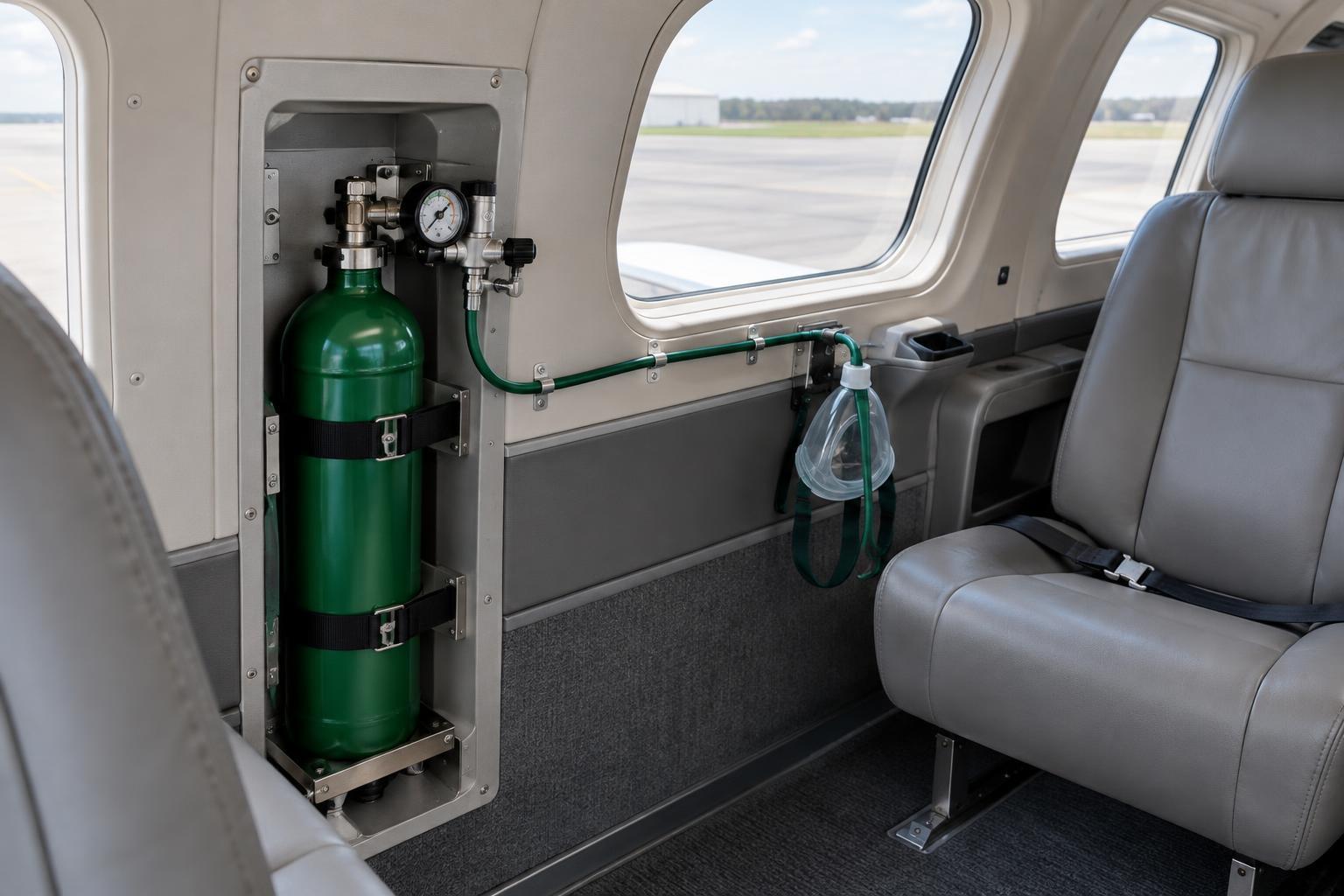
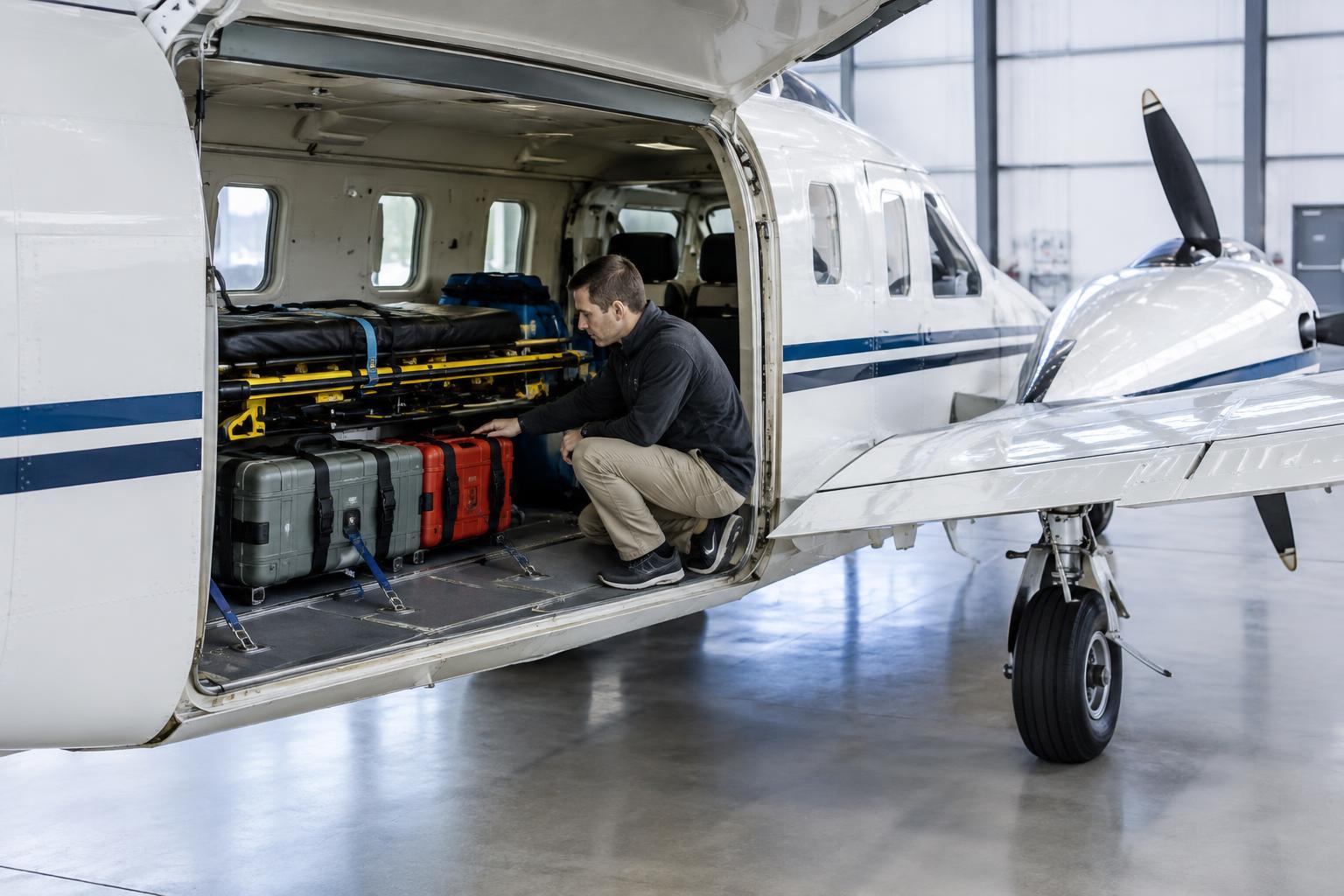
Specialized equipment may include fixed mounts, portable devices, cases, cables, supplies, and their support structures. Each item contributes weight, but its position matters too. Placing a heavy case near one end of a cabin has a different effect on balance than placing the same case closer to the aircraft’s center of gravity. This is why an equipment list alone does not tell the whole story.
Fixed installations and portable loads are accounted for differently. An approved installation may become part of an aircraft’s recorded empty-weight configuration. Portable items need to be included when planning a particular load. If equipment is removed, replaced, or relocated, the assumptions behind earlier figures may no longer apply. Even small items deserve attention when many are carried together or stored in an unexpected place.
A useful way to picture the calculation
Imagine a seesaw with several weights placed at different distances from its pivot. Aircraft balance uses a related idea: each load has a weight and a position, often expressed as an arm measured from a defined reference point. Multiplying weight by arm gives a moment. Combining the moments and dividing by the combined weight gives the overall center-of-gravity position.
Real aircraft loading uses the definitions, units, limits, and methods specified for that aircraft. Some operators use approved charts or software rather than working through every multiplication by hand. Whatever the method, accurate inputs matter. A calculation based on an old equipment inventory or an assumed storage location can give a misleading result even when the arithmetic is correct.
Loading is not static
The loading picture can change between departure and arrival. Fuel is consumed, people may board or leave at a stop, and portable equipment may be exchanged. Where fuel is carried and how it is used can affect balance as well as total weight. For that reason, a loading plan may need to consider more than a single moment in the trip.
Securement is a related but separate concern. An item counted at a particular position in a balance calculation needs to remain where it belongs. Loose equipment can shift during movement or maneuvering, creating hazards and changing the actual load distribution. Suitable restraints, approved attachment points, and access to needed equipment all influence how a cabin is arranged. A convenient location is not necessarily an acceptable loading or stowage location.
How teams keep the picture accurate
Reliable loading begins with a clear account of what is on board and where it will go. Aircraft records establish the starting configuration; an accurate equipment inventory helps identify additions and removals. Crew members can then communicate changes rather than assuming that a familiar cabin layout still has the same weights or contents. A substitute case, an extra supply bag, or a moved device may warrant a fresh check.
The practical lesson is simple: treat equipment configuration as part of flight planning, not as a final cabin detail. Qualified personnel use the aircraft’s approved information and applicable procedures to verify weight, balance, and securement. For readers outside an operation, understanding these basics makes it easier to see why equipment placement involves more than finding an open space.