Why the cabin environment matters
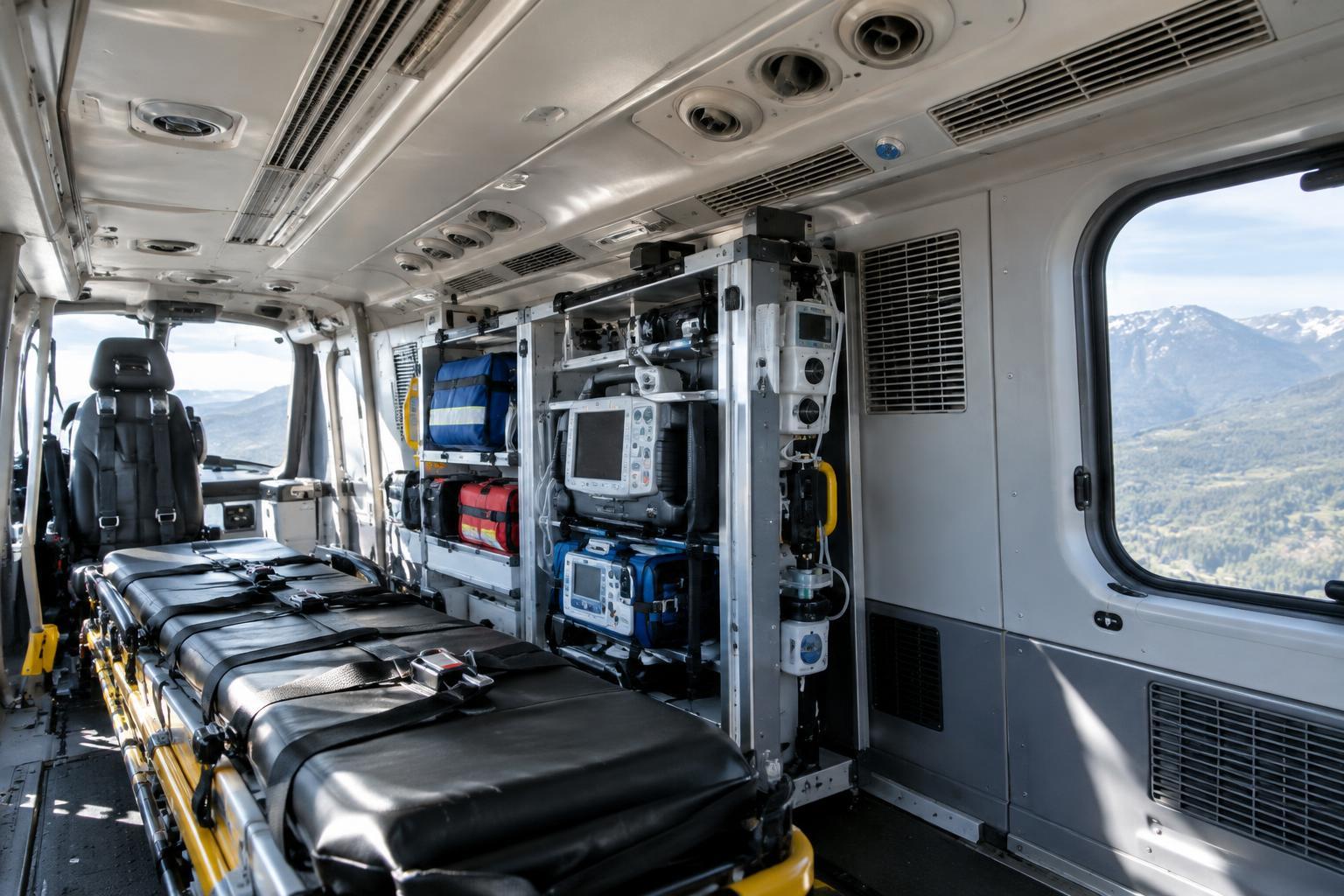
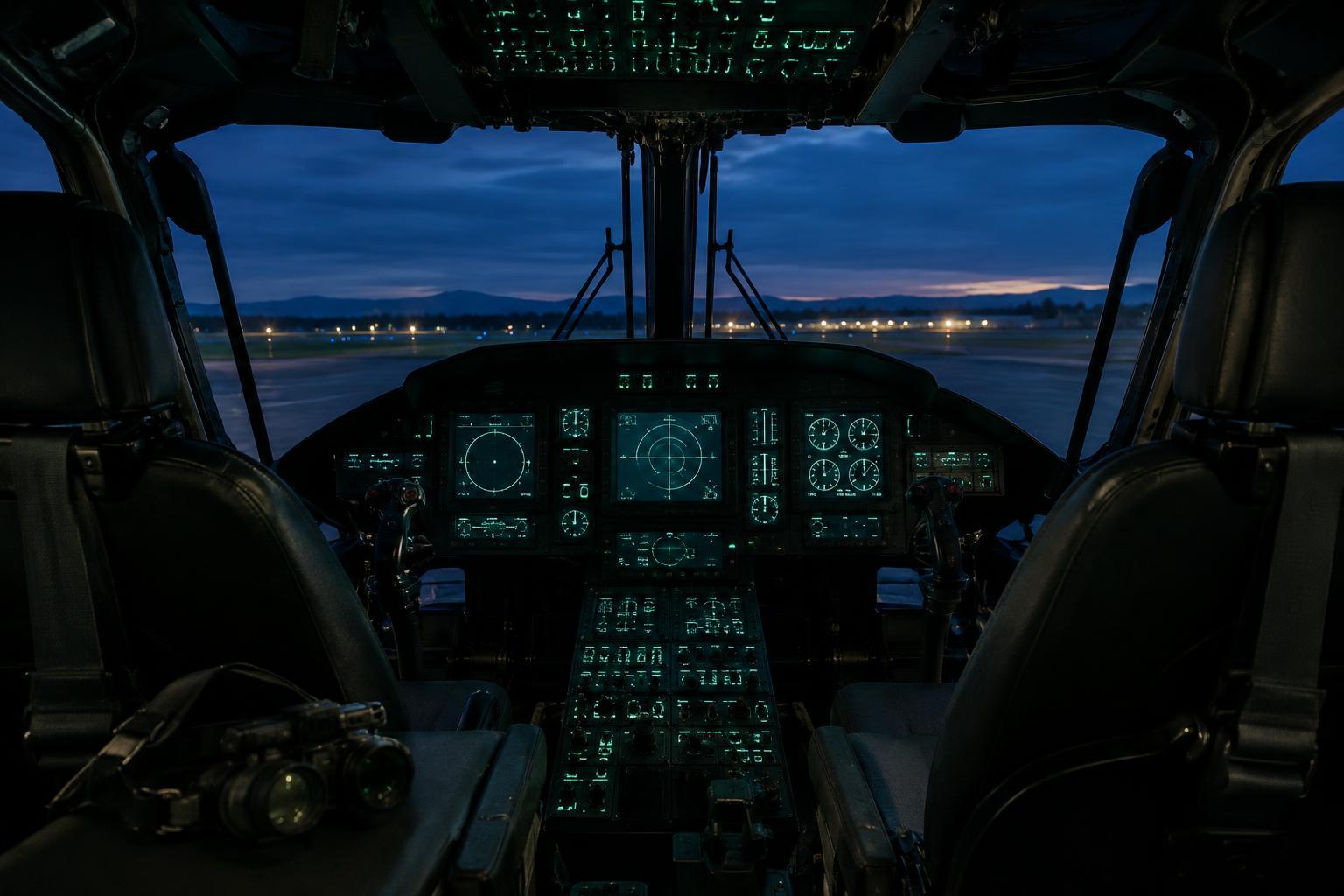
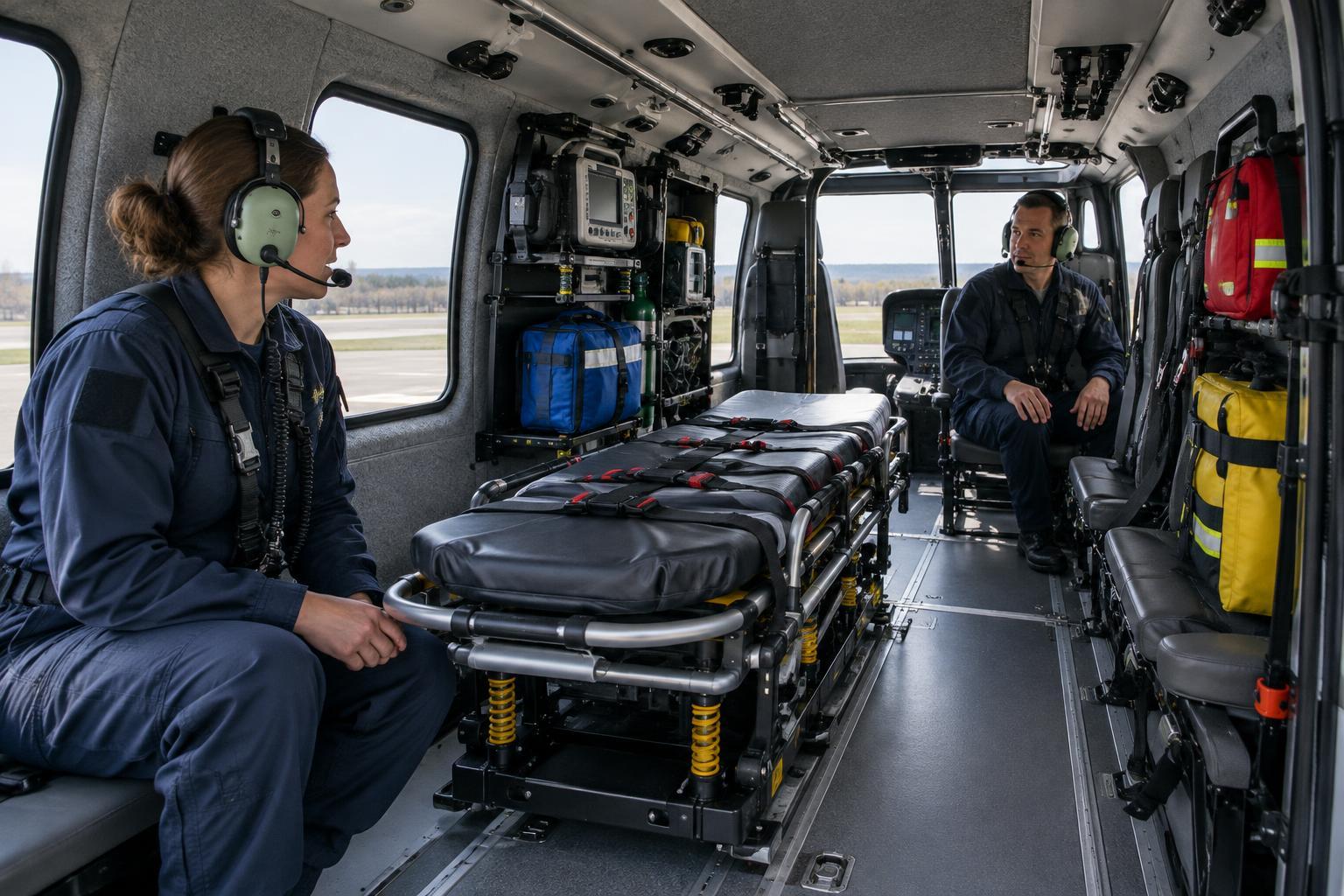
A rescue aircraft cabin is both a workspace and a means of transport. Crew members may need to hear one another, read displays, reach secured equipment and remain aware of changes in the aircraft’s motion. Noise and vibration can make those ordinary tasks more tiring, especially when a flight is long or conditions demand close attention. Reducing them is therefore not simply a matter of comfort; it can make the cabin easier to use.
The goal is rarely a silent or motionless cabin. Aircraft produce sound and movement as a normal part of flight, and occupants must still be able to notice relevant cues. Effective control aims to limit distracting exposure without obscuring communication, restricting movement or adding equipment that creates a new hazard.
Where sound and vibration come from
The main sources depend on the aircraft. In a helicopter, the rotor system, transmission and engine contribute to a changing mixture of sound and vibration. In a fixed-wing aircraft, engines, propellers where fitted, airflow and the structure itself can be prominent. Takeoff, landing and changes in power can make the cabin feel and sound different from steady flight.
Not all cabin noise begins outside. Ventilation systems, cooling fans, loose items and equipment mounts can add their own sounds. Vibration can travel through the airframe and floor into seats, cabinets and equipment racks. A panel that resonates or a poorly secured item may turn a small input into an especially noticeable rattle. Finding the path by which a disturbance reaches the cabin is often as useful as identifying its original source.
How design can reduce the burden
Aircraft and cabin designers can address sound along several paths. Insulation and interior panels may reduce some airborne noise, while careful sealing can limit sound entering through gaps. Mounts and isolators can reduce the vibration passed from a structure to a particular item, provided they are suited to that item and its operating conditions. Seat design can also influence how much movement an occupant feels.
These measures involve tradeoffs. Added material takes up weight and space, both of which matter in an aircraft carrying people and essential equipment. An enclosure that quiets a component must still allow appropriate cooling, inspection and access. A softer mount must keep equipment secure under the loads it is designed to withstand. Cabin changes therefore need to be considered as part of an approved aircraft configuration, not as stand-alone comfort upgrades.
Layout offers another form of control. Keeping frequently used equipment accessible and securely stowed can reduce unnecessary movement and rattling. Organizing cables so they do not rub against panels or interfere with access helps preserve a usable workspace. These choices may not change the sound of the engines or rotors, but they can reduce avoidable distractions inside the cabin.
Communication in a noisy space
Even a well-designed cabin can be too loud for ordinary conversation. Headsets and intercom systems help occupants exchange information without trying to speak over the aircraft. Clear microphone placement, appropriate audio levels and a shared understanding of who needs to hear which messages can matter as much as the hardware itself. Communication equipment should make important messages easier to understand, not simply make everything louder.
Noise reduction in a headset can lessen background sound, but it does not remove the need for clear speech and confirmation when a message is important. Crew members also rely on visual cues, displays and agreed communication practices. The strongest approach treats cabin acoustics and crew coordination as connected: equipment supports communication, while disciplined communication helps people work within the limits of the environment.
Keeping controls effective over time
Cabin sound can change as an aircraft and its equipment are used. A new rattle, an unusually strong vibration or a headset that has become difficult to hear may signal a loose fitting, worn component or another issue worth reporting. These observations do not establish a diagnosis by themselves, but they can give maintenance personnel useful details about when and where a change occurs.
Routine care of approved interior fittings, mounts and audio equipment helps preserve the benefits of the original design. The broader lesson is to look at the cabin as a system: structure, installed equipment, layout and communication all affect what occupants experience. Noise and vibration control works best when each improvement supports the aircraft’s primary requirements for secure equipment, usable space and safe operation.