What technical writers contribute
A technical writer turns specialized knowledge into documents that a defined audience can use. In rescue aviation, that might mean helping an organization develop equipment guides, training materials, reference sheets or internal process documents. The work is less about making complex tasks sound simple than about presenting the right information clearly, in the right order, for the people who need it.
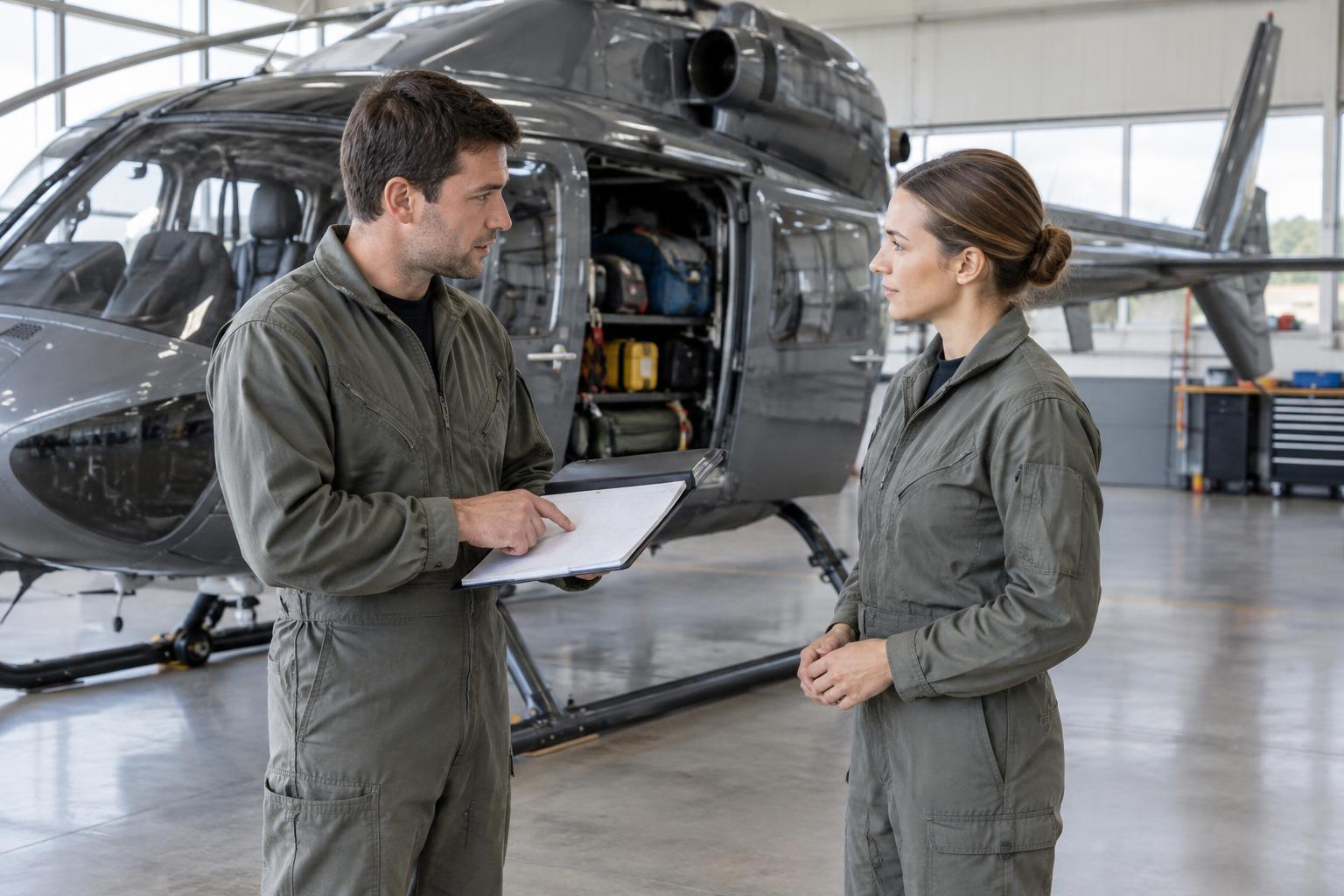
The role varies by employer. A writer might work for an aircraft manufacturer, equipment supplier, training organization or aviation operator. Some positions focus on one product; others span several teams and document types. In every setting, the writer needs to know who owns the underlying procedure. A writer can clarify language and structure, but qualified technical and operational personnel must verify that instructions are accurate and appropriate.
Where the work gets complicated
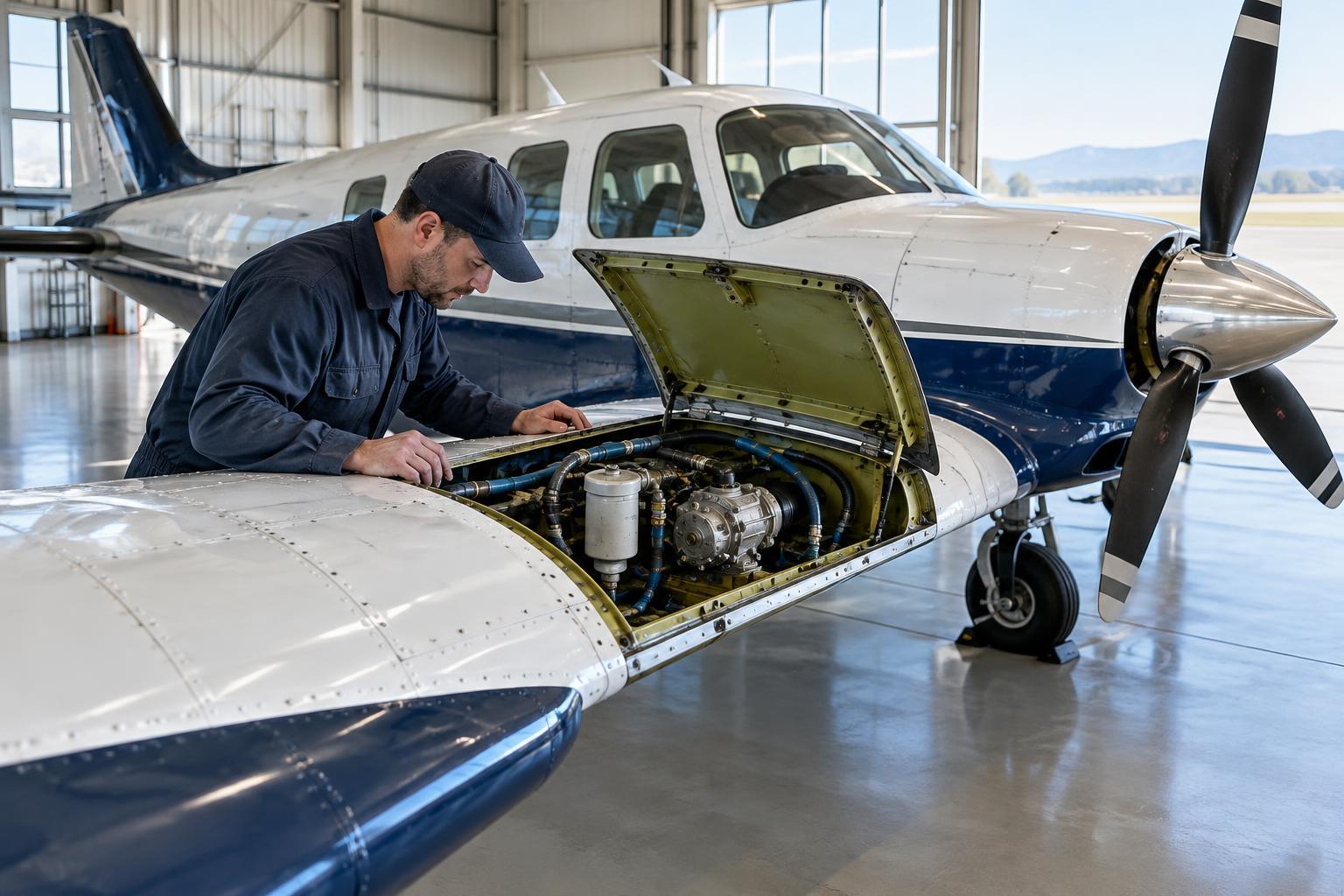
Aviation documents often draw on information from multiple disciplines. An equipment description may involve aircraft installation details, electrical connections, maintenance considerations and the way crew members access the equipment. Those contributors may use the same term differently. Before drafting, a writer has to identify the intended reader, the document’s purpose and any terms that require a consistent definition.
The format also matters. A training handout can explain the reasoning behind a task, while a quick-reference document may need short, easy-to-scan wording. Neither should be mistaken for an approved procedure simply because it looks polished. Good writers make the document’s scope visible and ask reviewers to identify missing steps, unclear conditions and assumptions that a newcomer might not recognize.
Revision control is another substantial part of the job. When equipment or processes change, a writer may need to locate affected documents, coordinate reviews and make sure readers can tell which version is in use. Even a small wording change deserves careful handling if it changes how someone interprets a task.
A typical documentation workflow
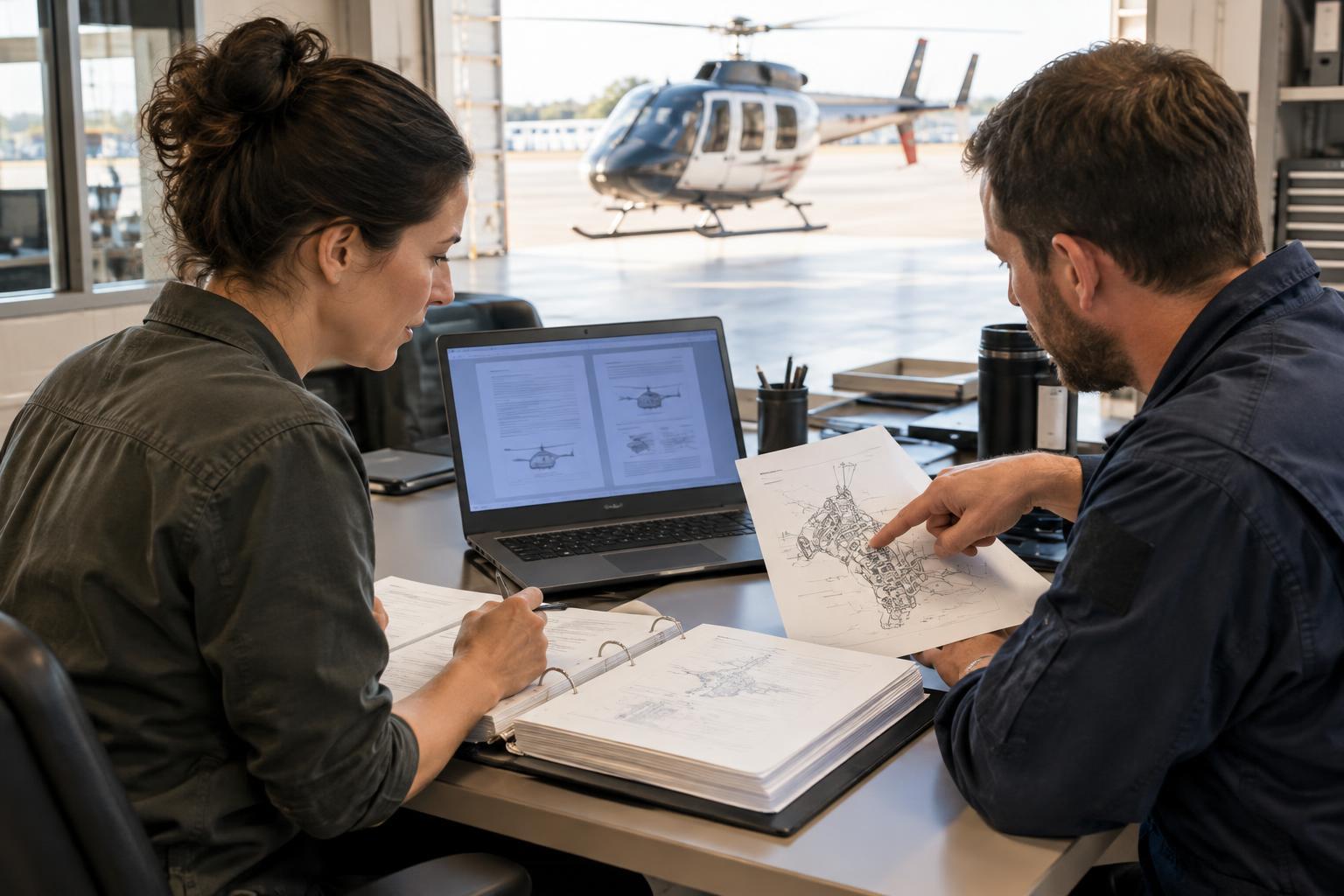
A project often begins with a request such as updating an equipment orientation guide. The writer first gathers existing documents, identifies the intended audience and agrees with the document owner on its boundaries. Next come interviews or working sessions with people who understand the equipment and its use. The writer drafts a structure, tests whether the sequence makes sense and marks any open technical questions rather than guessing.
Review is more than a final proofreading pass. A subject-matter expert checks technical content; other reviewers may check terminology, usability or alignment with the organization’s document practices. The writer resolves comments, records decisions and prepares the approved version for its intended location. Later feedback may reveal that readers still struggle to find an answer, prompting another revision.
This workflow rewards careful questions. If an expert says to perform a check “as usual,” the writer should ask what that means for the intended reader. If two reviewers disagree, the writer should bring the conflict to the appropriate document owner instead of silently choosing one interpretation.
Skills to build before applying
Strong writing is only the starting point. Useful skills include interviewing, organizing information, editing for consistency and working with review comments. Familiarity with diagrams, tables and document-management tools can help, but no single software package defines the career. The ability to learn an unfamiliar system without pretending to be its technical authority is especially valuable.
A portfolio can demonstrate these skills without reproducing confidential or safety-sensitive material. For example, an applicant could write a clearly labeled sample guide for a noncritical, familiar device, then show how they revised it after a reader tried to follow it. A short note explaining the audience, scope and editorial choices can be as revealing as the finished document.
People enter technical writing from varied backgrounds, including communications, education, maintenance and other technical fields. Aviation knowledge can help a candidate ask better questions, but applicants should check each posting for its actual requirements. A role centered on aircraft maintenance documentation may call for different experience from one focused on training materials.
How to evaluate a potential role
Job titles alone may not reveal how much authority or support a writer will have. Ask what kinds of documents the team produces, who approves technical content and how revisions reach readers. It is also useful to learn whether writers can speak directly with subject-matter experts and how competing review comments are resolved.
A healthy fit gives the writer access to knowledgeable reviewers and a clear process for approving changes. It also recognizes a simple boundary: clear language improves a document, but it cannot replace technical validation. For someone who enjoys precise questions, collaborative editing and making complex information easier to navigate, technical writing offers a distinct way to contribute to rescue aviation.