Start with the mission, not the engine count
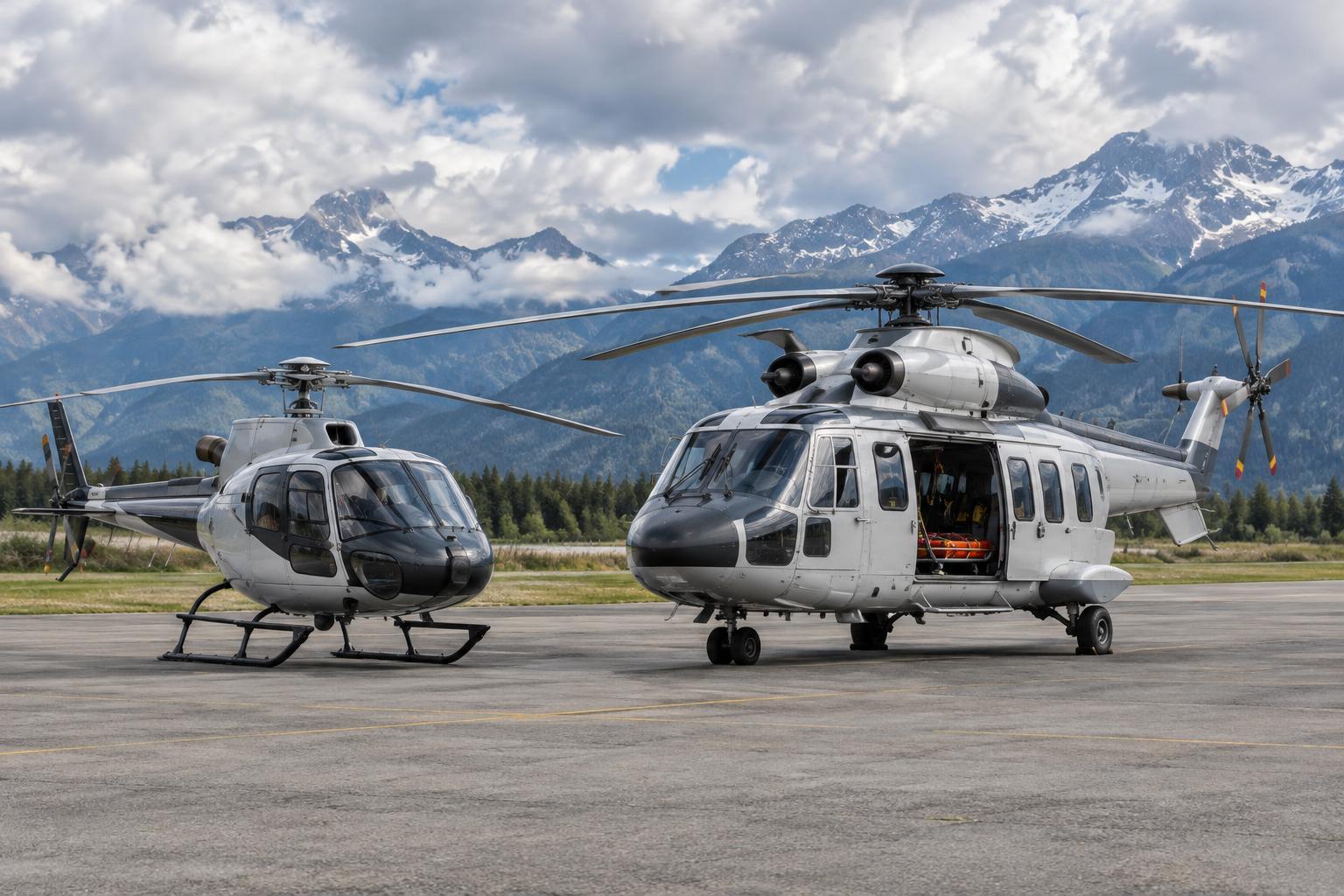
Rescue aviation covers different kinds of flying. A helicopter may need to reach a confined landing site, while a fixed-wing aircraft may carry a patient between airports over a longer distance. Those tasks place different demands on range, cabin space, loading access and ground support. Before comparing single-engine and twin-engine designs, it helps to ask where the aircraft will operate, what it must carry and which landing sites it must use.
Engine count does not describe an aircraft on its own. Two aircraft with the same number of engines can differ substantially in size, performance, equipment and usable payload. A sensible comparison looks at complete aircraft in the conditions relevant to the mission, rather than assuming that one engine arrangement is always the better choice.
What a second engine can—and cannot—provide
A twin-engine aircraft has an additional source of propulsion if one engine fails. That can provide valuable options, but the options depend on the aircraft’s design, its weight and the conditions at the time. A twin does not necessarily have the same climb or hover capability on one engine that it has on two. Crews must understand the aircraft’s published limits and the procedures associated with an engine failure.
A single-engine aircraft has no second engine to take over. Its suitability therefore depends in part on how its intended routes and operating environments account for that limitation. In a helicopter, an engine failure raises different considerations from those in a fixed-wing airplane: the aircraft types have different means of managing a loss of power and different landing-site needs. Engine count alone is not a reliable shorthand for the outcome of an emergency.
Payload, space and access matter too
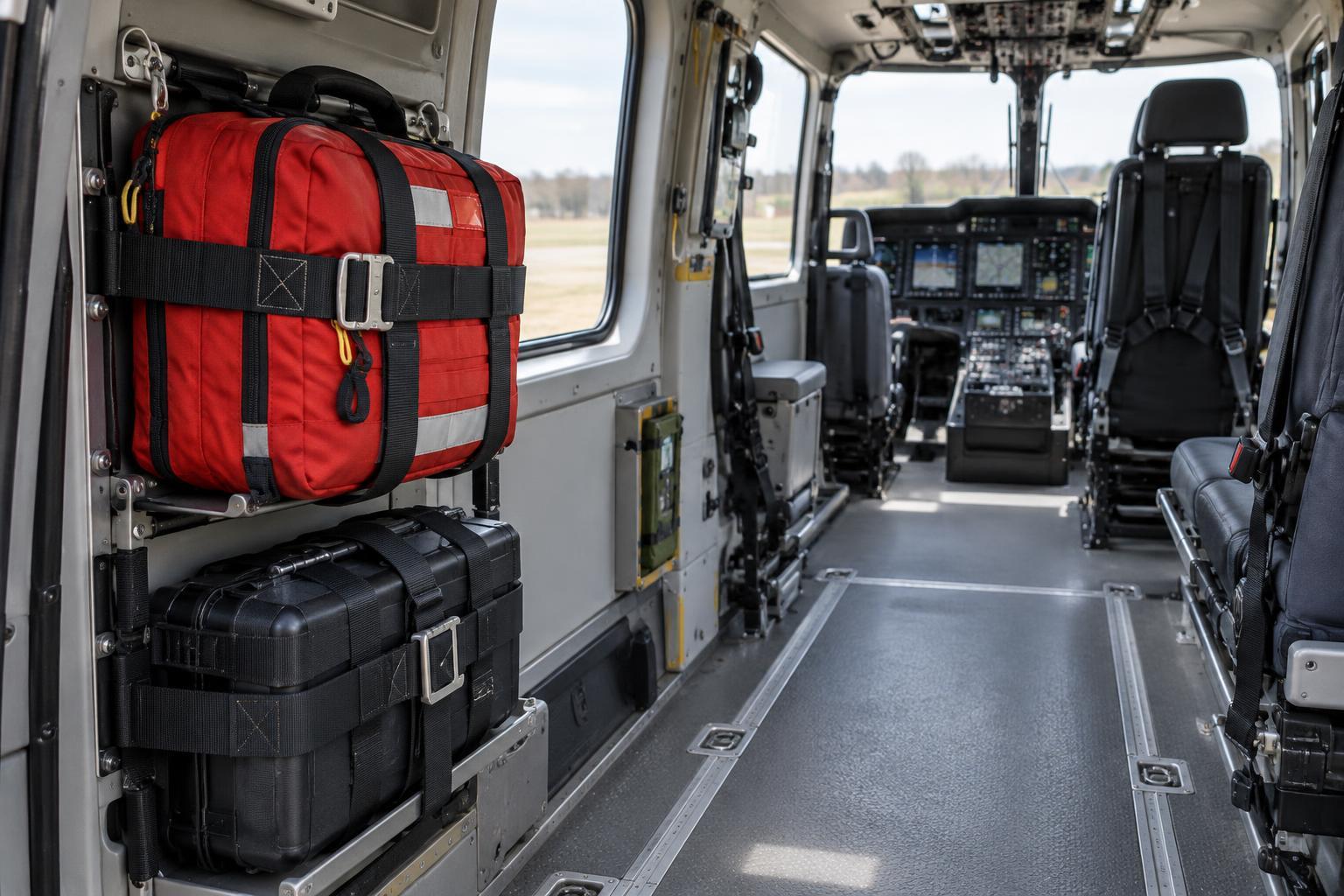
Rescue missions can require a combination of people, fuel, patient-loading equipment, communications gear and other supplies. The space available in the cabin matters, but so does the weight an aircraft can carry under the expected conditions. A larger or more powerful twin may offer room or performance that fits a particular role. Another twin may gain an engine while leaving less usable capacity for a given trip than its appearance suggests.
Single-engine aircraft can also be well matched to missions where a smaller aircraft, a particular landing footprint or lower operating demands are important. Neither arrangement removes the need to plan how equipment is secured or how people move around the cabin. For patient transport, door size, stretcher access and space for attendants may be more useful comparison points than engine count.
Consider the whole operating environment
Terrain, temperature, altitude, weather and distance can change what an aircraft can reasonably accomplish. For example, a route with few suitable landing areas presents different planning challenges from one near multiple airports. A remote landing site may also place greater demands on fuel planning and support. Operators evaluate these factors against aircraft-specific performance information and applicable rules; a general label such as “twin-engine” cannot settle the question by itself.
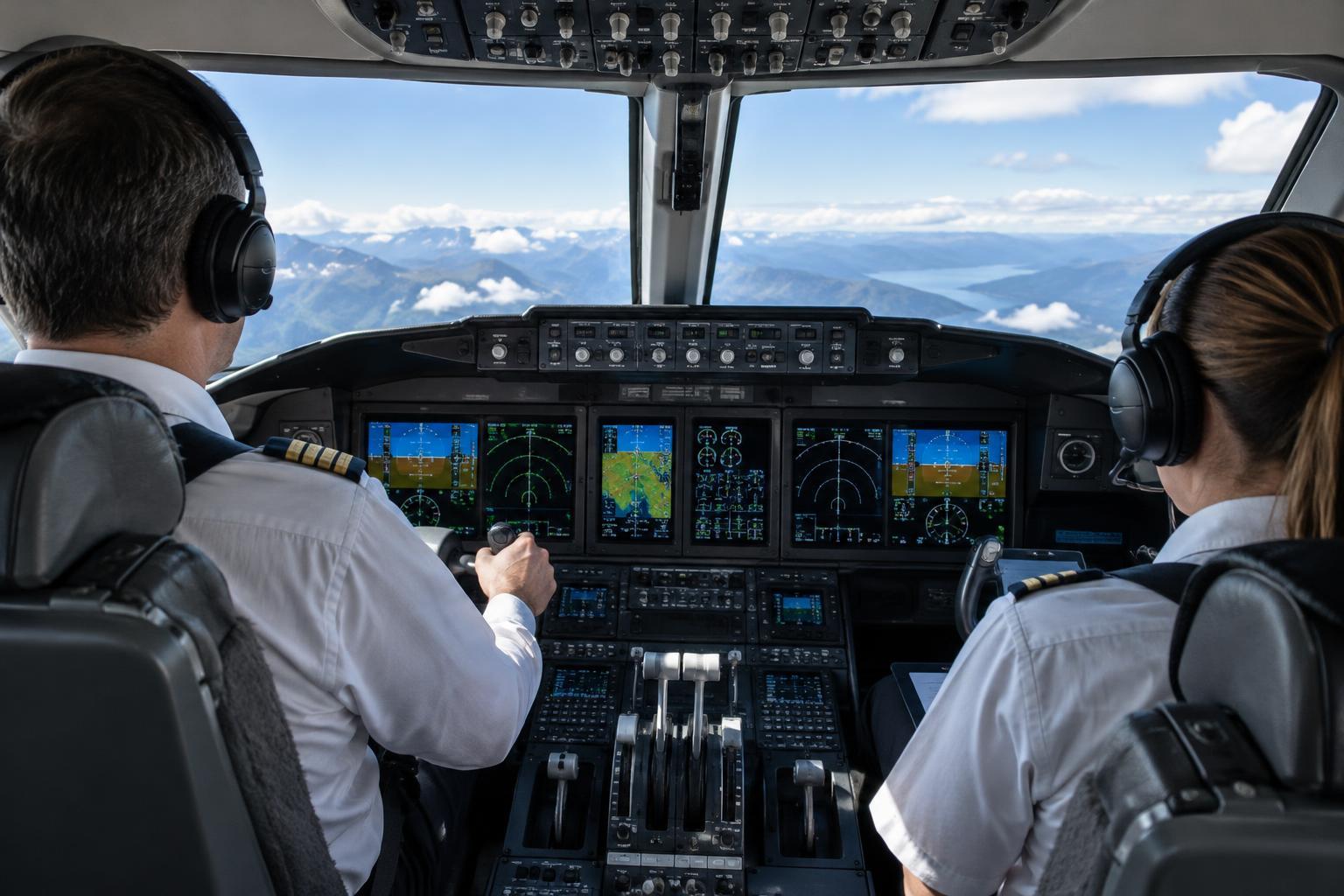
Equipment choices interact as well. Navigation and communication systems can support coordination with crews and ground teams, but they add weight, require upkeep and depend on training. The most useful configuration is one whose aircraft performance, installed equipment and crew preparation fit the intended work. An aircraft capable of a mission on paper still needs a workable plan for its route, landing site and changing conditions.
Reliability is a system-wide question
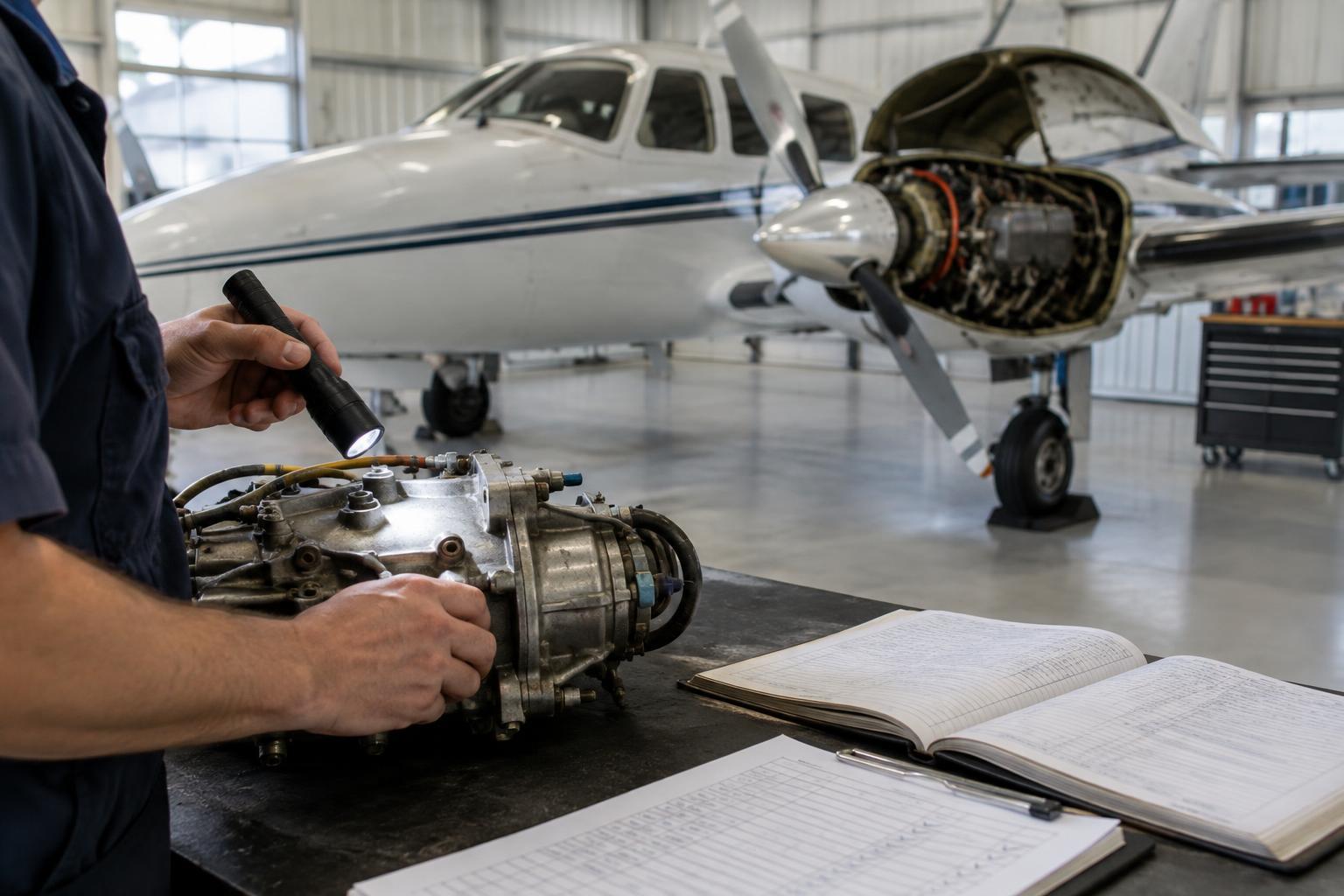
A second engine also brings another set of components to inspect and maintain. Twin-engine aircraft may cost more to acquire and operate, while a single-engine design may be less complex in some respects. Actual costs and availability depend on the model, how it is used and the support it requires. Maintenance capacity matters because an aircraft that cannot be kept ready does not help meet transport needs.
For readers comparing rescue aircraft, the most productive question is not “Which engine count is safest?” but “Which complete aircraft and operating plan suit this task?” Engine redundancy is a meaningful advantage in some circumstances, yet it belongs alongside performance margins, landing options, cabin design, maintenance and crew training. Looking at those factors together gives a clearer picture of the trade-offs than engine count alone.