Two missions with different starting points
A scene response begins at an incident location rather than a hospital. The crew may be heading toward a roadway, a rural area, or another place where people are managing an unfolding situation. An interfacility transfer, by contrast, moves a patient from one care facility to another, often because the receiving facility offers resources the sending facility does not have. Both missions require coordination, but they begin with different kinds of information.
For a scene response, the exact pickup location and conditions around it may still be developing when the request is made. For an interfacility transfer, the sending location is usually established, while details such as patient readiness, required equipment, and the receiving facility’s arrangements may determine when the trip can proceed. The difference is not simply that one mission is urgent and the other is planned: either can be time-sensitive, and neither should be assumed to be straightforward.
Finding and preparing the pickup point
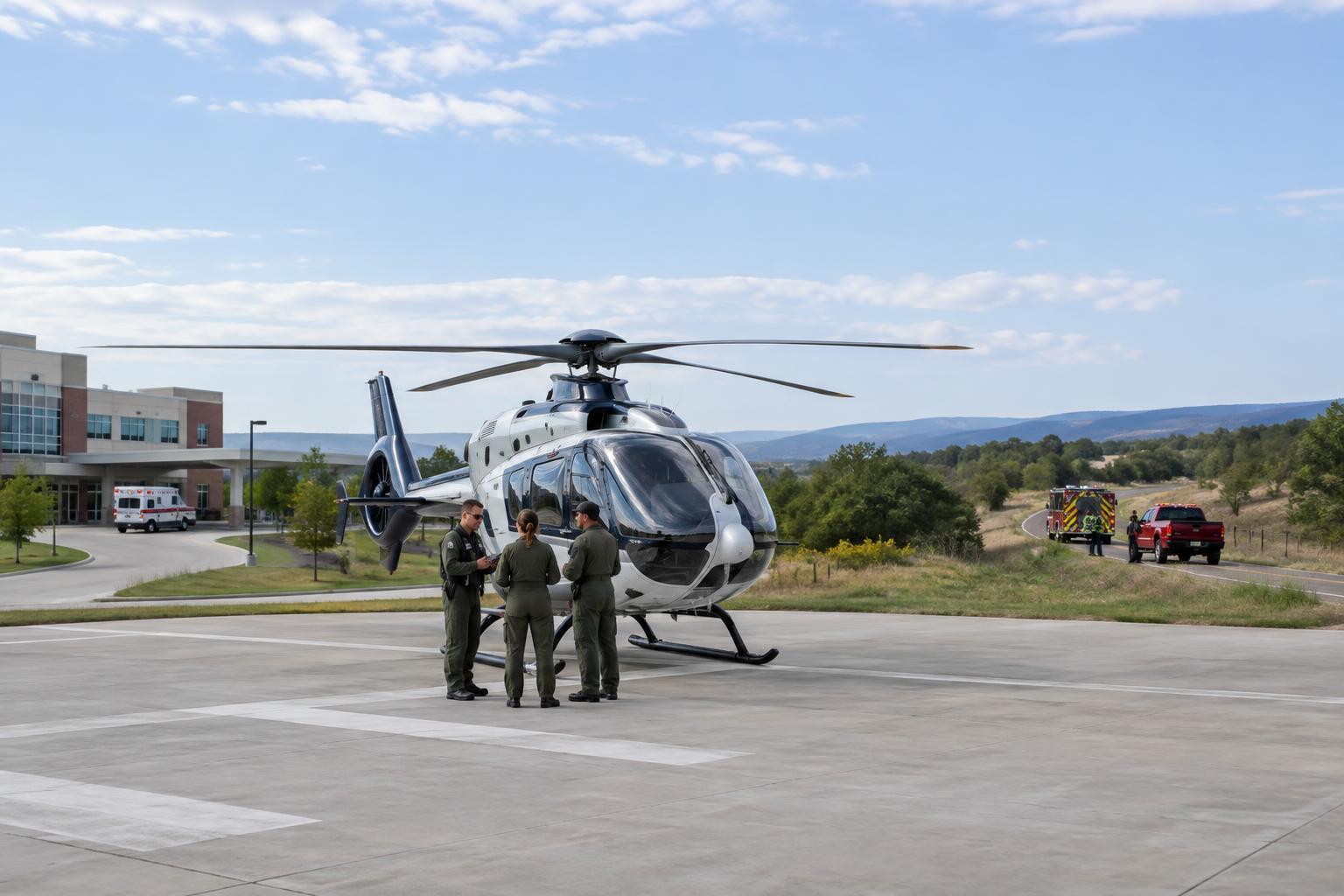
At an incident scene, location information must connect the requesting team, dispatchers, ground responders, and flight crew to the same pickup point. A street address may not describe where an aircraft could safely meet responders. Local personnel may need to relay details about terrain, obstacles, access, and changing activity at the scene. The flight crew remains responsible for its aviation decisions, while people on the ground provide observations that help it assess the situation.
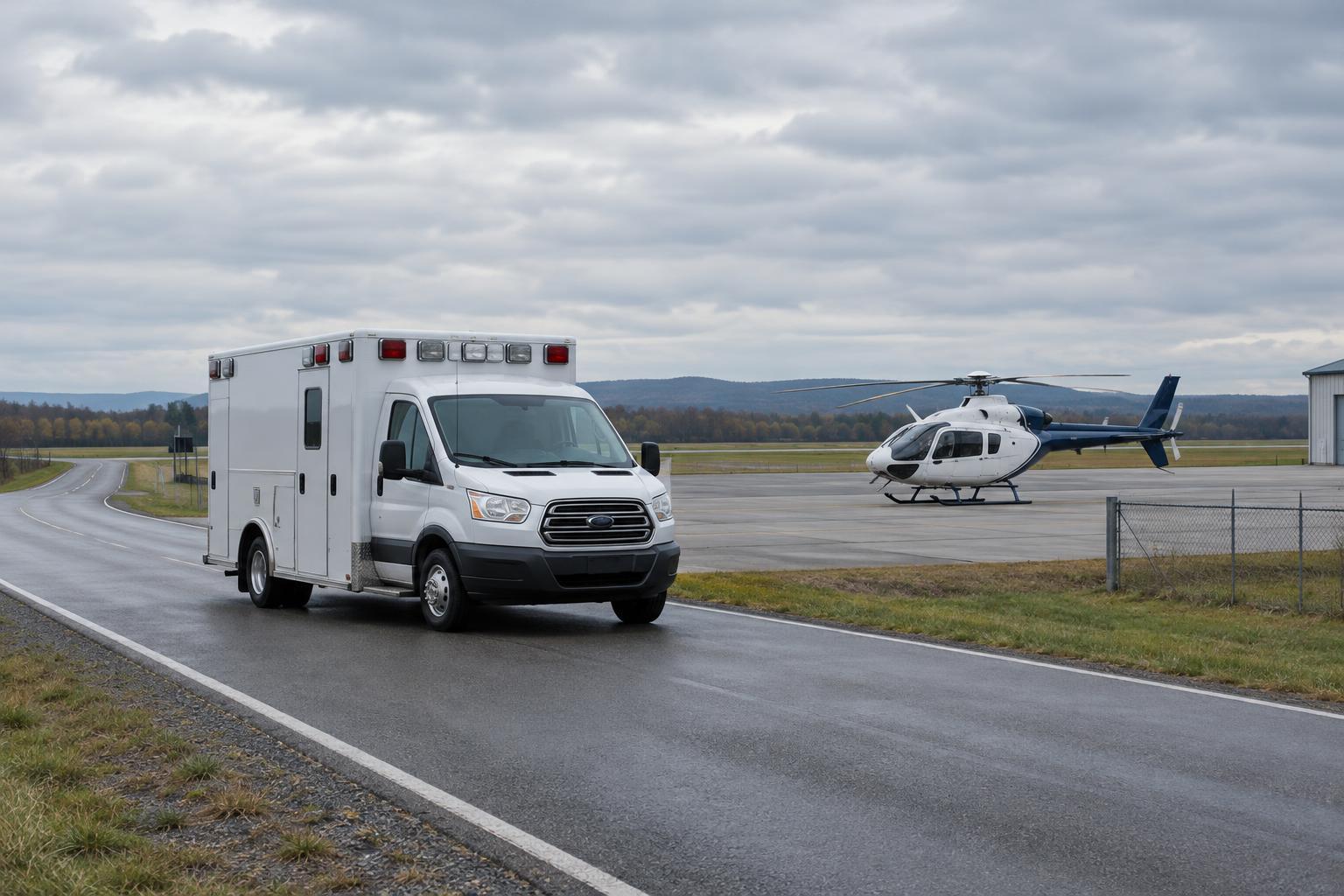
A hospital pickup generally offers a more familiar destination, but familiarity does not remove the need to confirm arrangements. Teams still have to coordinate where the patient will be transferred to the flight crew, how people and equipment will move through the facility, and whether the intended aircraft arrival point is available. If ground transport is needed between a facility and an airport or landing site, that additional leg becomes part of the overall journey rather than a separate afterthought.
Different information drives preparation
A scene request may arrive with limited clinical details. Responders may still be assessing the person involved, and the patient’s transport needs can change as more information becomes available. Flight teams and coordinators therefore work with an evolving picture: where to meet, who is on scene, what is known so far, and whether air transport remains appropriate. Clear updates matter more than an early description that turns out to be incomplete.
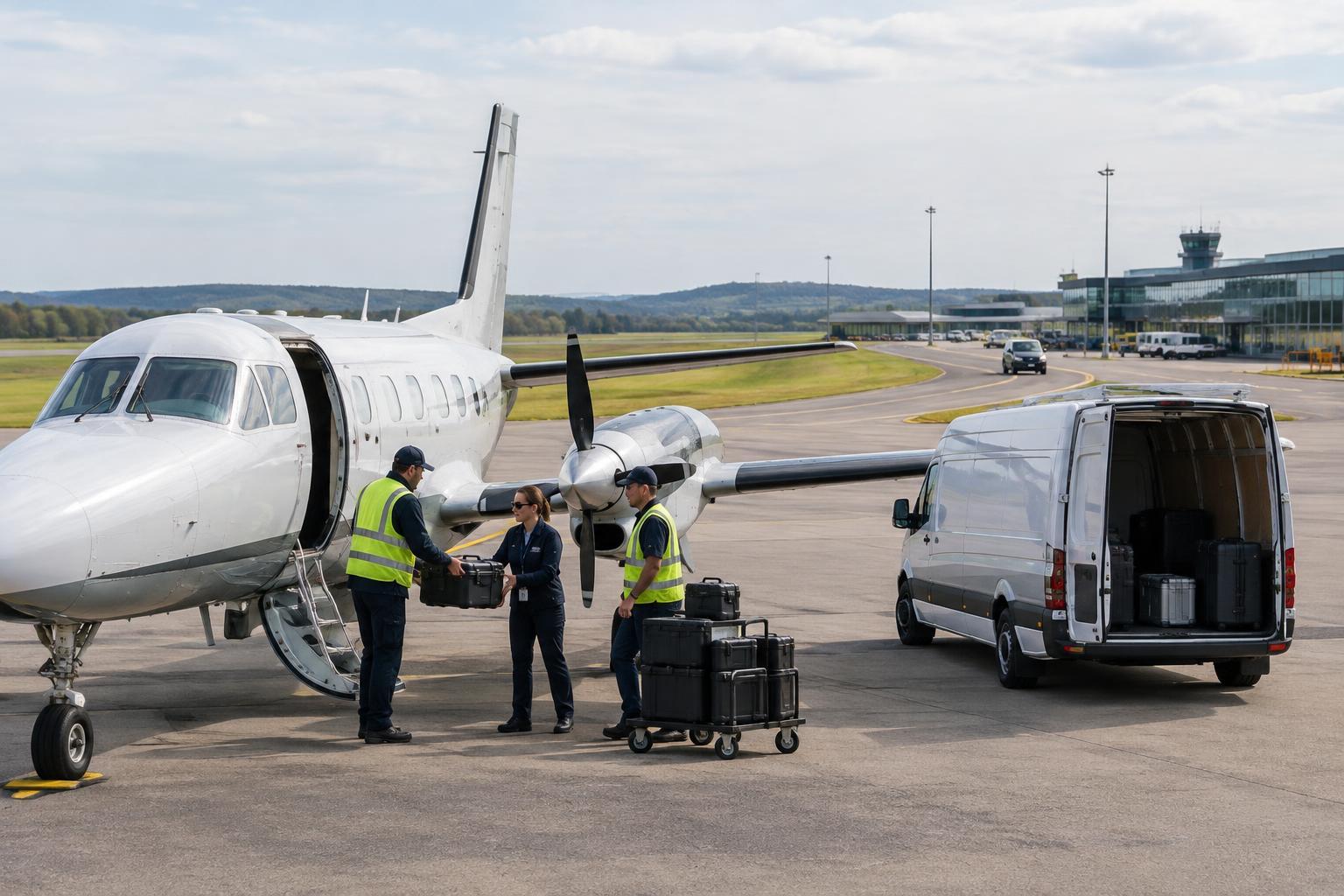
Before an interfacility transfer, the sending team can often share a more developed summary of the patient’s condition and current support. That information helps the transporting team consider staffing, space, equipment, and the handoff at the receiving facility. Planning may involve items already connected to the patient as well as equipment carried by the transport team. Compatibility and continuity deserve attention because a change of vehicle should not create confusion about what is in use or who is responsible for it.
Timing is more than flight time
Aircraft speed is only one part of a transport timeline. For a scene response, dispatch, travel to the scene, assessment of the pickup area, patient handoff, and movement from the destination landing point all contribute to elapsed time. Ground responders may also be continuing care and preparing a different transport option while the aviation request is evaluated. Plans can change if conditions or patient needs change.
An interfacility transfer has its own potential pauses. The sending facility may need time to prepare the patient and records; the transport crew may need a detailed briefing; and the receiving facility must be ready for arrival. Scheduling the aircraft without aligning those steps may simply shift waiting time from one place to another. Looking at the complete path—from the sending team’s handoff to the receiving team’s acceptance—gives a more useful view of the mission than comparing flight durations alone.
Handoffs connect the entire journey
Scene responses typically bring together groups that have not worked side by side on that particular incident: dispatchers, ground responders, the flight crew, and the destination facility. Interfacility transfers connect established care teams at two facilities with a transport team between them. In both cases, each group needs a shared understanding of the destination, expected arrival, patient information, and any changes that arise during coordination.
The logistics differ most in where uncertainty sits. A scene mission may begin with questions about the location and the developing situation. A facility-to-facility mission may have a known route but require more coordination around patient preparation and transfer of care. Neither model is inherently simpler. Successful planning treats the aircraft as one link in a chain of people, places, equipment, and handoffs.