What quality assurance means in air transport
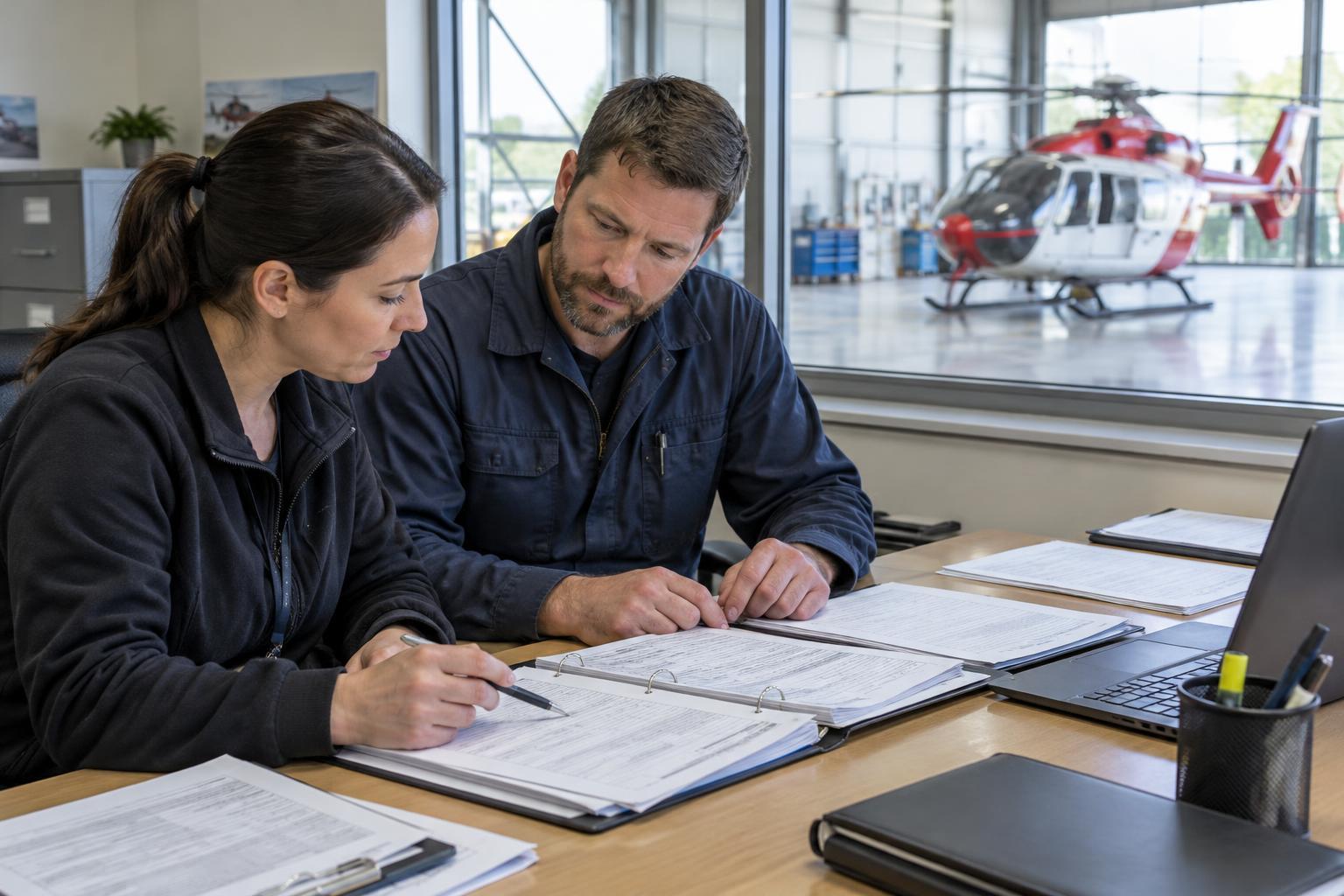
Emergency air transport brings together aviation, communications, maintenance, logistics and, in some organizations, clinical care. Quality assurance, often shortened to QA, helps an organization check whether its established processes are being followed and whether those processes are working as intended. A QA professional may review records, track recurring issues, coordinate audits or help teams verify that a corrective change has taken hold.
The role is not the same as directing a flight, maintaining an aircraft or making a clinical decision. Those responsibilities belong to appropriately qualified personnel. QA staff provide structure for examining work across departments, while respecting the expertise and authority of the people who perform it. The exact scope of a position depends on the organization and its regulatory environment.
What the work can look like
A typical project might begin with a question: Why are certain handoff details frequently missing from transport records? A QA specialist could define what information to review, look for patterns and meet with the teams involved. The next step may be a clearer form, a revised workflow or additional training. A follow-up review can then check whether the change addressed the problem without creating new burdens.
Other tasks may include maintaining document versions, preparing materials for an internal audit, monitoring the completion of assigned actions and presenting findings in a way that people can use. Good QA work distinguishes an isolated error from a wider process weakness. It also considers context: a record may show what happened, but a conversation with the people doing the work may help explain why.
How QA works with other teams
Quality assurance overlaps with safety and compliance, but the terms are not interchangeable. Safety programs focus on identifying hazards and managing risk; compliance work examines whether applicable requirements are met. QA can support both by checking processes and documenting improvements. Depending on the organization, these functions may sit together or be handled by separate teams.
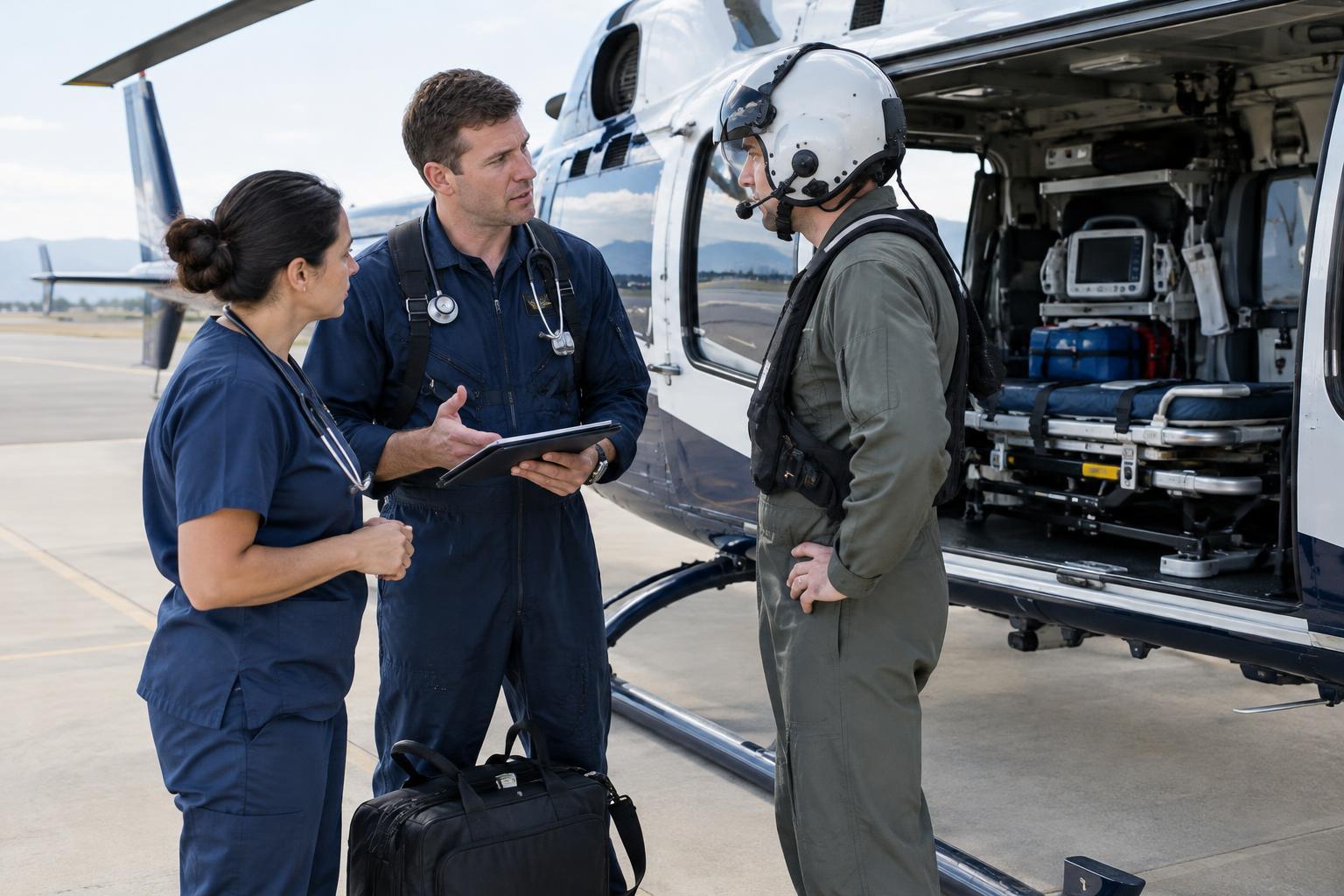
Collaboration matters because transport work crosses many handoff points. Dispatch information may affect a crew’s preparation, maintenance records may affect aircraft availability, and documentation practices may affect later review. A QA professional needs to ask precise questions without treating every finding as an individual failure. When people can describe obstacles candidly, it becomes easier to identify practical changes.
Skills and backgrounds that fit the role
Attention to detail is useful, but it is only a starting point. QA staff also need to organize information, write clear summaries, protect sensitive records and explain findings to people with different specialties. Basic comfort with spreadsheets, document systems and process mapping can help. Just as important is knowing when a conclusion exceeds the available evidence.
People enter quality roles from varied backgrounds, including aviation operations, maintenance administration, dispatch, healthcare quality and other regulated industries. Some positions require specific credentials or experience, while others provide room to learn the organization’s systems on the job. Reading a job description closely is essential: a role focused on aircraft maintenance records may call for different knowledge than one focused on transport coordination or clinical documentation.
Exploring a career in quality assurance
Someone interested in this path can start by learning how a process is documented and improved. Useful questions include: Who owns each step? What record shows that it happened? How are problems reported? How does the team check whether a solution worked? Experience writing procedures, reviewing records or helping with internal projects can demonstrate an ability to turn observations into manageable improvements.
The strongest candidates are often curious, fair-minded and comfortable following an issue through to resolution. Emergency air transport can involve time-sensitive work, but QA usually contributes by making routine systems more reliable over time. It is a career for people who enjoy connecting details to the larger operation while leaving operational decisions to the professionals responsible for them.