A schedule depends on more than the sky overhead
A rescue aviation schedule connects several moving parts: an aircraft and crew, a departure point, a destination, ground transportation and people ready to receive the arriving passenger. Weather can disrupt any link in that chain. Conditions may be suitable at one location but unsuitable along the route or at the destination. Visibility, wind, storms and icing conditions can each limit the options available to a flight.
A forecast is also a planning tool, not a promise. Conditions can develop differently than expected, so a departure that looked possible earlier may need to wait. Conversely, an improvement in the forecast does not automatically restore the original schedule. The aircraft, crew and connecting resources may have been reassigned or may no longer be in position. The logistical task is therefore not simply to pick a new departure time; it is to rebuild a workable sequence.
Why a short delay can spread across the day
Delays have knock-on effects because transport resources are shared and time-sensitive. If an aircraft remains at an origin longer than planned, it may be unavailable for a later trip. A delayed arrival can affect a ground vehicle’s pickup window or the receiving team’s preparations. Even when each group has some flexibility, their schedules may not shift by the same amount.
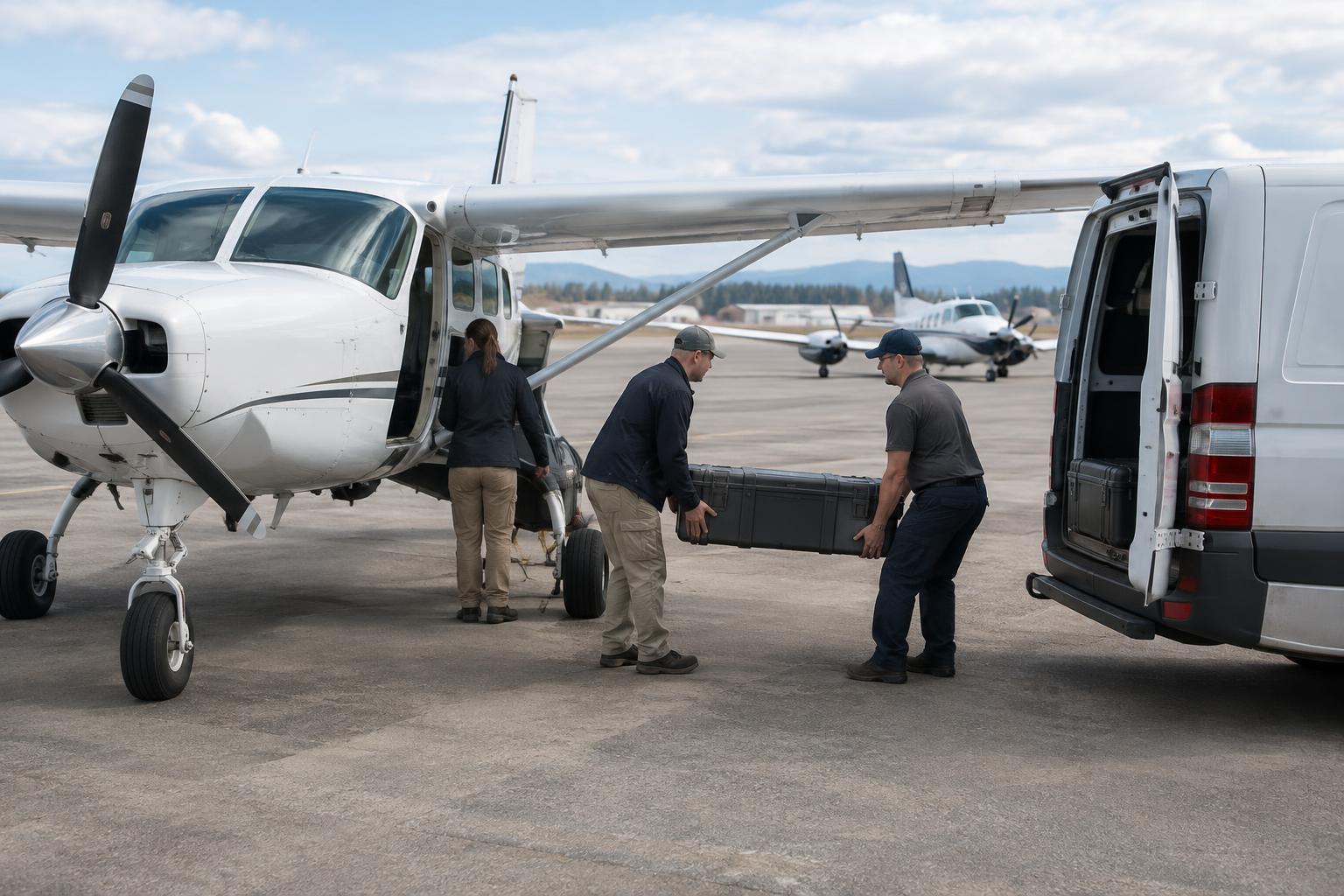
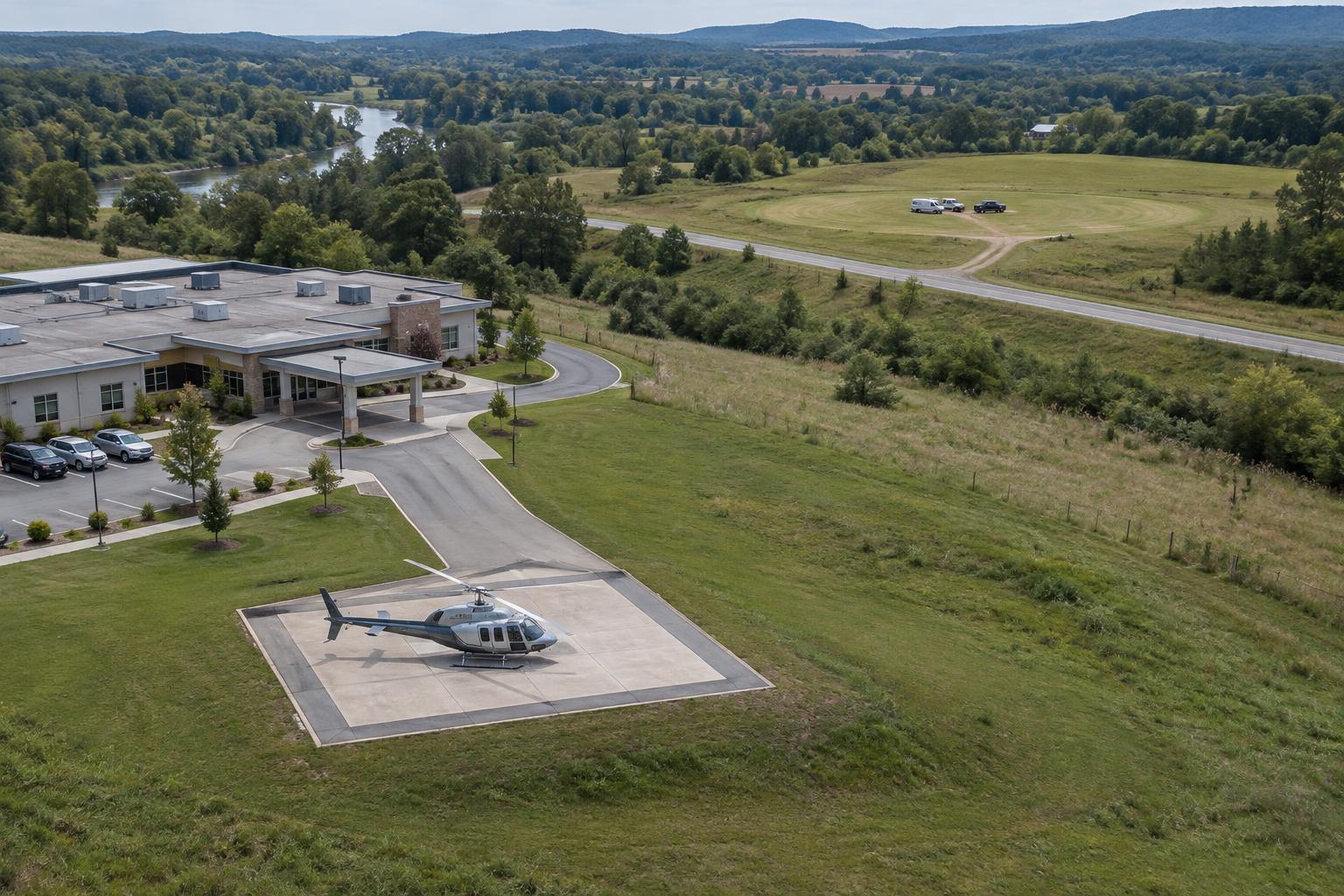
Weather can also create different constraints for different kinds of transport. A helicopter may offer access to locations where a fixed-wing aircraft cannot land, but it still depends on suitable flying and landing conditions. Fixed-wing transport may cover longer distances, yet it relies on usable airports and ground connections at either end. Ground transport avoids flight-weather constraints but can face poor road conditions or a longer journey. No single option is a universal substitute.
What a useful backup plan contains
A backup plan identifies alternatives before a disruption becomes urgent. At a general level, planners may consider a later departure, a different aircraft or route, another suitable airport, a ground segment, or a fully ground-based transfer. Each alternative needs its own checks: whether the resources are available, whether the route is practical and whether the people at both ends can accommodate the change.
Good backup planning also distinguishes between a delay and a change in transport mode. Waiting may preserve a straightforward route if conditions are expected to improve, but the timing remains uncertain. Switching modes may make a departure possible while adding travel time or another handoff. The best choice depends on the circumstances and on decisions by the responsible aviation, transport and care teams. A backup is valuable because it has been examined, not because it guarantees an on-time arrival.
Communication keeps the revised plan connected
When weather changes a schedule, every participant needs the same basic picture: what has changed, what is confirmed, what remains uncertain and when the next update is expected. Clear status labels can help separate a proposed departure from one that is approved and ready. That distinction matters when ground transportation or a receiving location must prepare without being given a misleading sense of certainty.
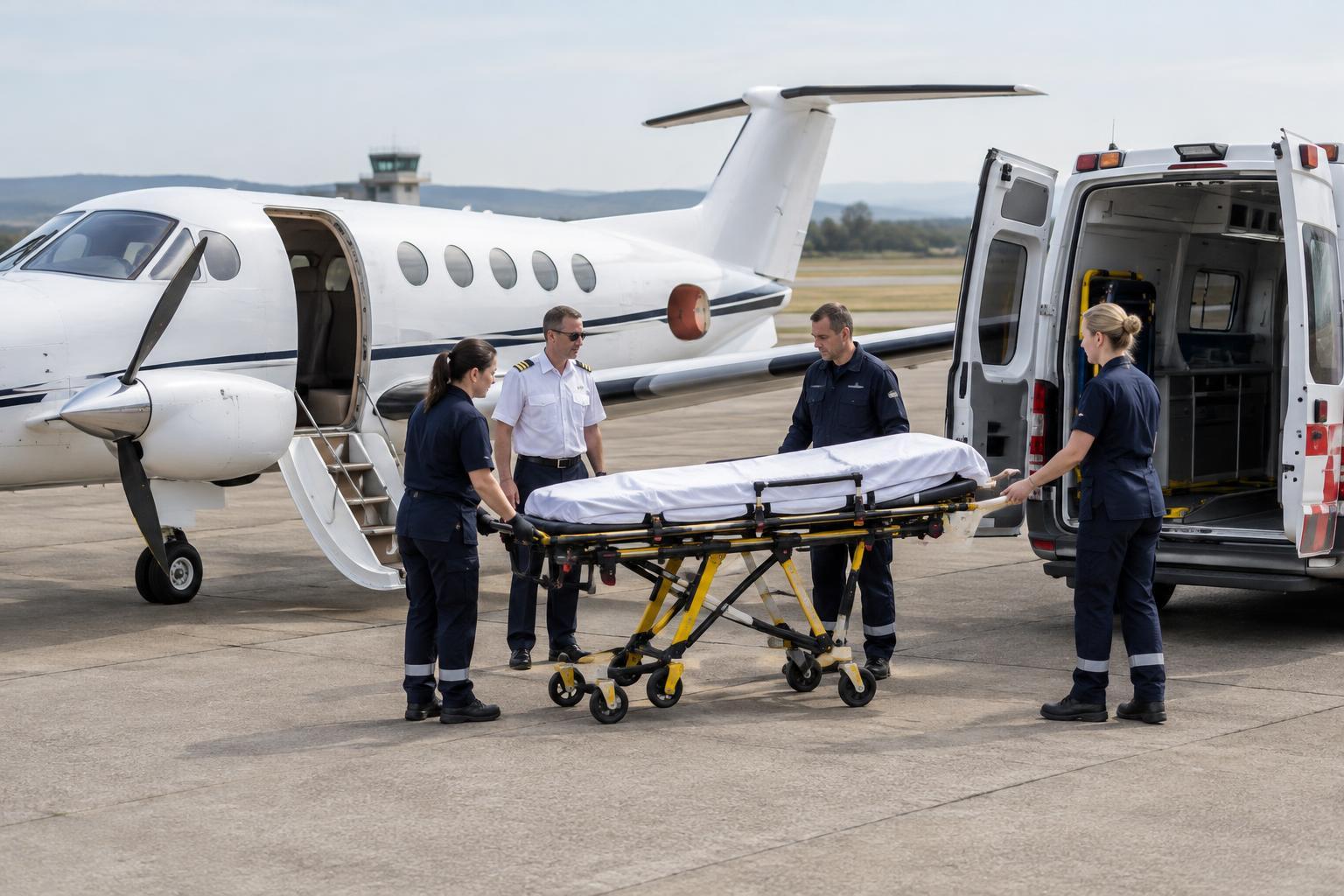
Handoffs deserve particular attention. A change of airport, vehicle or arrival time can alter where people meet and who is responsible for the next leg. Repeating key details back—such as the destination, pickup point and current estimated timing—can expose misunderstandings before they become further delays. Communication cannot remove the weather constraint, but it can prevent an uncertain flight plan from becoming a confused transport plan.
Flexibility is part of reliability
In rescue aviation logistics, a reliable schedule is not one that never changes. It is one that can be revised without losing track of safety decisions, resources or handoffs. Weather assessments belong to qualified crews and operators working within their procedures; a transport timeline should not pressure them to treat a forecast as a deadline.
For anyone following a weather-affected transfer, the most useful questions are often practical: Which part of the journey is delayed? Is the alternative confirmed or still being evaluated? Who will communicate the next change? Answers may evolve, but a clear process makes each update more useful. Backup plans work best when they leave room for uncertainty while keeping everyone connected to the next feasible step.