Why destination planning matters
During a large-scale evacuation, the nearest facility is not necessarily the best destination for every patient. A nearby hospital may already be receiving many people, while another facility has more room or services better suited to particular needs. Distributing patients across a network can help receiving teams prepare and reduce the risk that one entrance, department or transport route becomes overwhelmed.
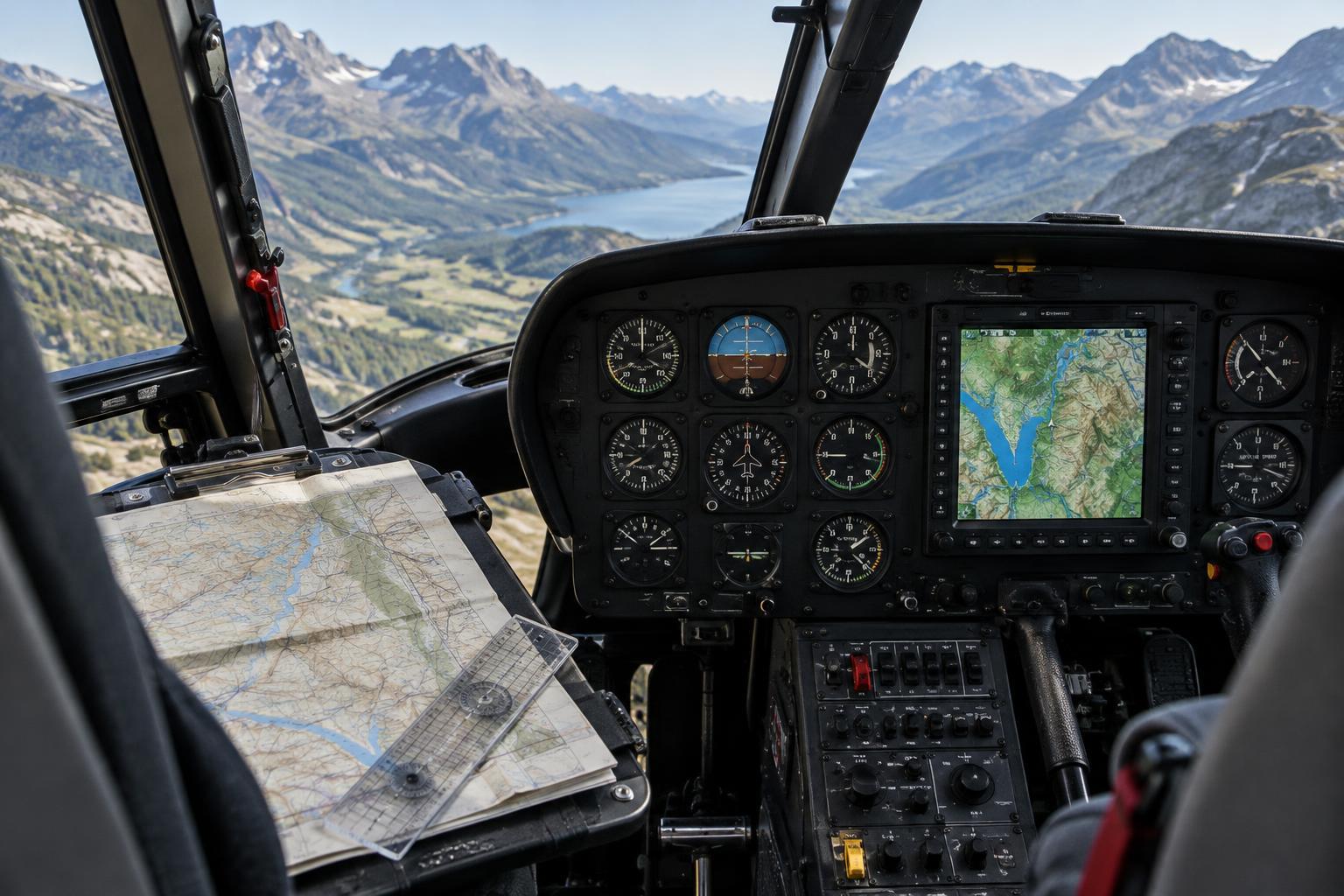
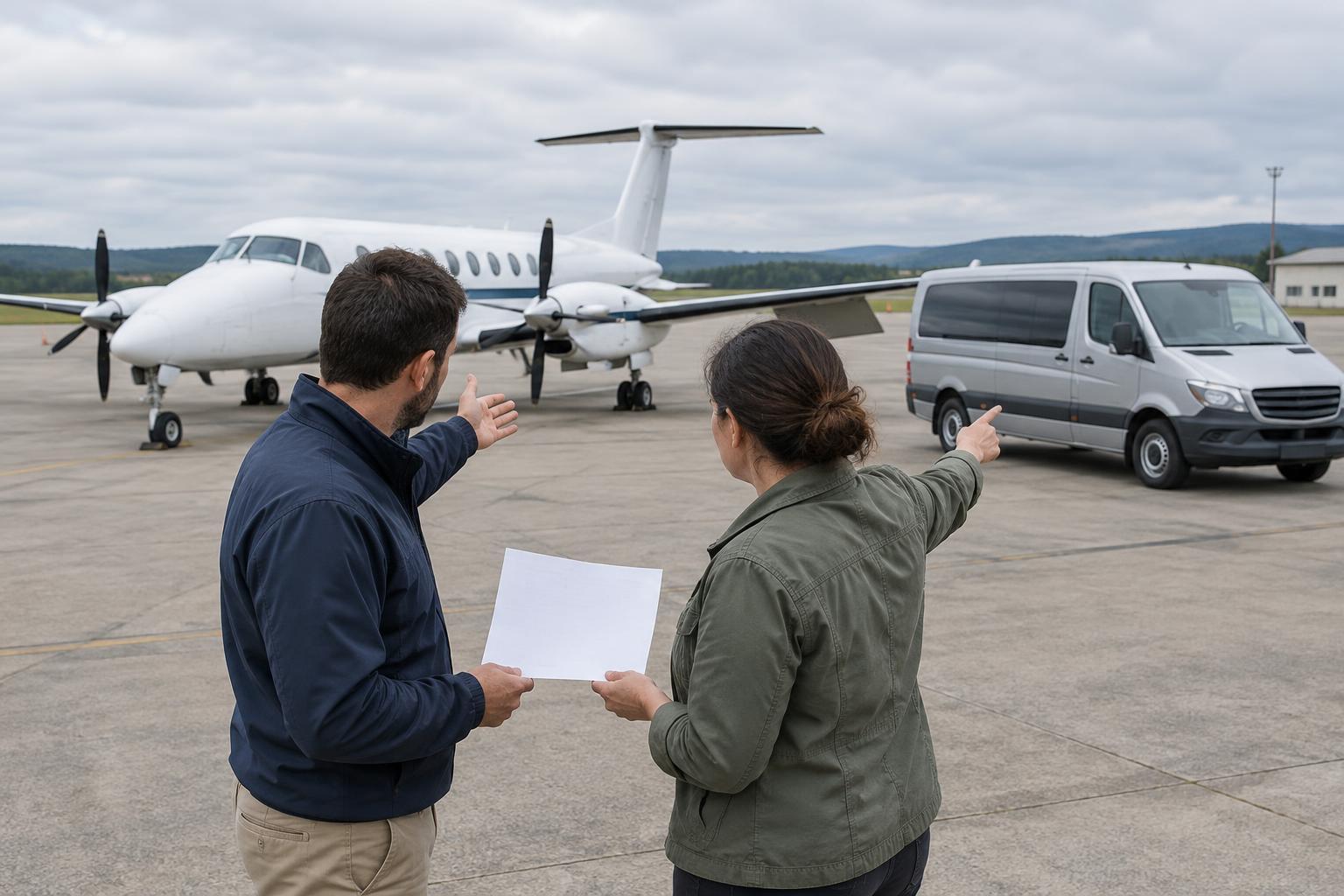
The network may include ground ambulances, buses adapted for assisted travel, helicopters, fixed-wing aircraft and transfer vehicles. Their roles depend on distance, access, weather, available crews and the needs of the people being moved. Aviation can connect distant destinations or bypass a blocked ground route, but it also requires suitable departure and arrival sites. No single mode solves every part of an evacuation.
Matching people, destinations and transport
Patient distribution begins with a shared picture of who needs transport and what each destination can receive. Clinical teams assess needs and determine appropriate levels of care; transport coordinators use that information to identify feasible routes and vehicles. A destination must be suitable for the person, not merely listed as having an open space. Equipment, staffing, accessibility and the ability to receive a transfer all matter.
Coordinators also consider how long a journey may take and whether a patient can safely tolerate its conditions. A flight may shorten one leg but add time for loading, travel to an aircraft and transfer at the other end. Ground transport may offer a more direct handoff for a shorter trip. These trade-offs are revisited as vehicles become available, roads reopen or receiving facilities report changes.
Keeping the network informed
An evacuation plan depends on timely information moving in both directions. Sending teams need to know where a person is going and which transport resource is assigned. Receiving teams need enough notice to prepare for arrival. Dispatchers and coordination centers need updates when a vehicle departs, encounters a delay or completes a transfer. Without a common record, two teams might plan around the same vehicle or an outdated destination assignment.
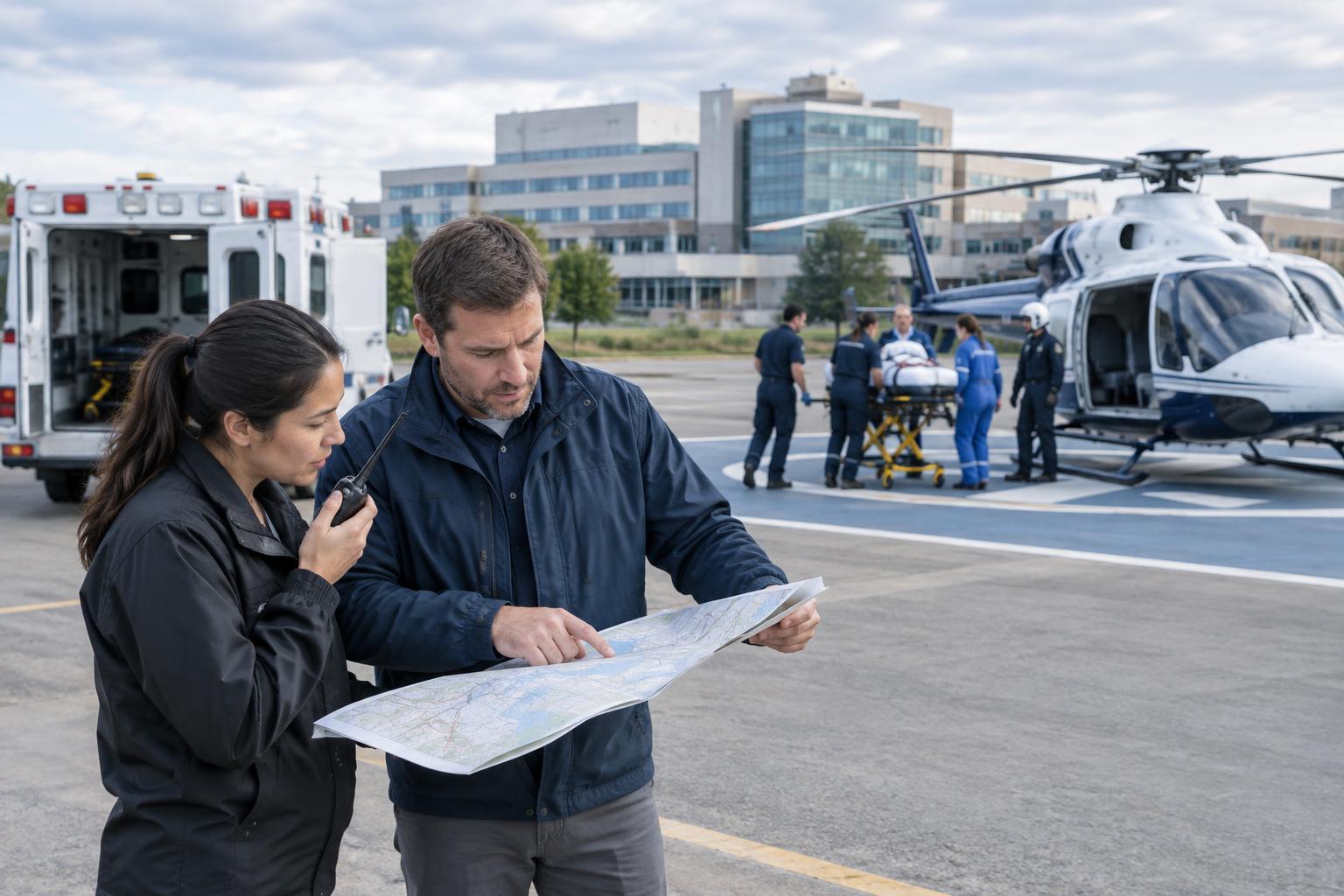
Communication can be difficult when many organizations use different radio systems, terminology or recordkeeping tools. Clear identifiers, confirmed destination assignments and concise status updates help people reconcile those differences. When electronic systems are unavailable, a simpler shared log may support continuity. However information is carried, teams must balance operational visibility with appropriate protection of personal details.
Managing bottlenecks and changing conditions
A transport network is only as useful as its constrained points. Ambulances can queue at a pickup area, aircraft can wait for a safe landing site, and receiving facilities can face delays in accepting arrivals. Sending everyone along the same route may appear efficient at first but create congestion later. Coordinators therefore look beyond the number of vehicles to the capacity of loading areas, transfer points and destinations.
Plans also need room to change. Weather may remove an aviation option, a road may close, or a facility may temporarily pause arrivals. In such cases, coordinators may redirect vehicles, use an intermediate transfer point or assign a different destination. Keeping assignments visible makes those changes easier to communicate and reduces the chance that a patient arrives where no one is expecting them.
What makes a transfer complete
The journey does not end when a vehicle reaches its destination. A receiving team must be ready to take responsibility, understand the information accompanying the patient and account for any equipment that must return with the transport crew. Clear handoffs are especially important when a trip has multiple legs or crosses organizational boundaries. Each additional transfer creates another opportunity for a destination or patient record to become separated from the person it describes.
Large-scale evacuations also have a human dimension beyond vehicle scheduling. People may be separated from family members or moved far from familiar support. Recording destinations accurately can assist authorized reunification efforts and follow-up coordination. The central lesson is that patient distribution is an ongoing network task: assess needs, confirm capacity, move people, complete handoffs and update the shared picture as conditions change.