Start with the job, not the route
Rescue aviation is not a single occupation. A mission may involve pilots, maintenance technicians, dispatch or operations personnel, and specialists who manage equipment or coordinate with ground teams. The mix of roles varies by organization and aircraft. Before comparing civilian and military paths, decide which work interests you: operating an aircraft, keeping it airworthy, planning transport, or working as part of a mission crew.
The answer matters because each role has different entry requirements. A flying qualification does not by itself prepare someone for maintenance, and experience in a ground-based emergency role does not automatically qualify someone for an aviation crew position. Look at several descriptions for the kind of job you want, then separate required credentials from experience an employer merely prefers. That gives you a more useful comparison than asking which route is best in general.
What a civilian path may offer
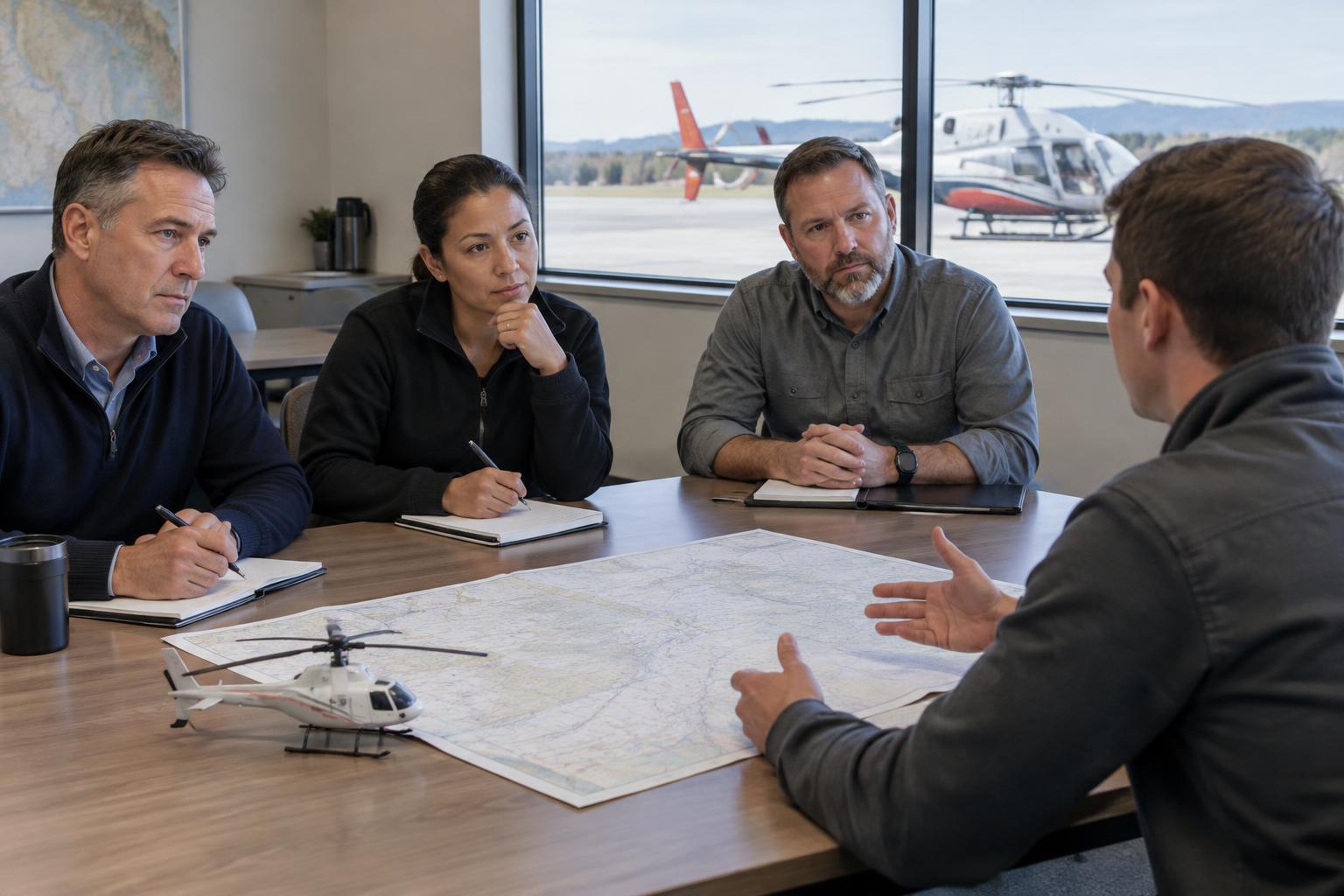
Civilian candidates often build experience in stages: initial training, qualifications for a particular role, and work in settings that develop judgment and teamwork. For a pilot, that might mean gaining experience outside rescue aviation before seeking a specialized position. A maintenance technician might train and work with aircraft systems used in other kinds of aviation. Operations staff may enter through scheduling, dispatch or related coordination work. The sequence depends on the employer and the regulations that apply to the role.
This path can offer more choice over where to train and which jobs to pursue, but it also asks the candidate to assemble a coherent record of training and experience. Costs, hiring standards and opportunities can differ substantially. When reviewing a program or entry-level job, ask which qualification it leads to, what experience you will actually gain, and whether that experience matches the rescue aviation positions you hope to pursue later.
What a military path may offer
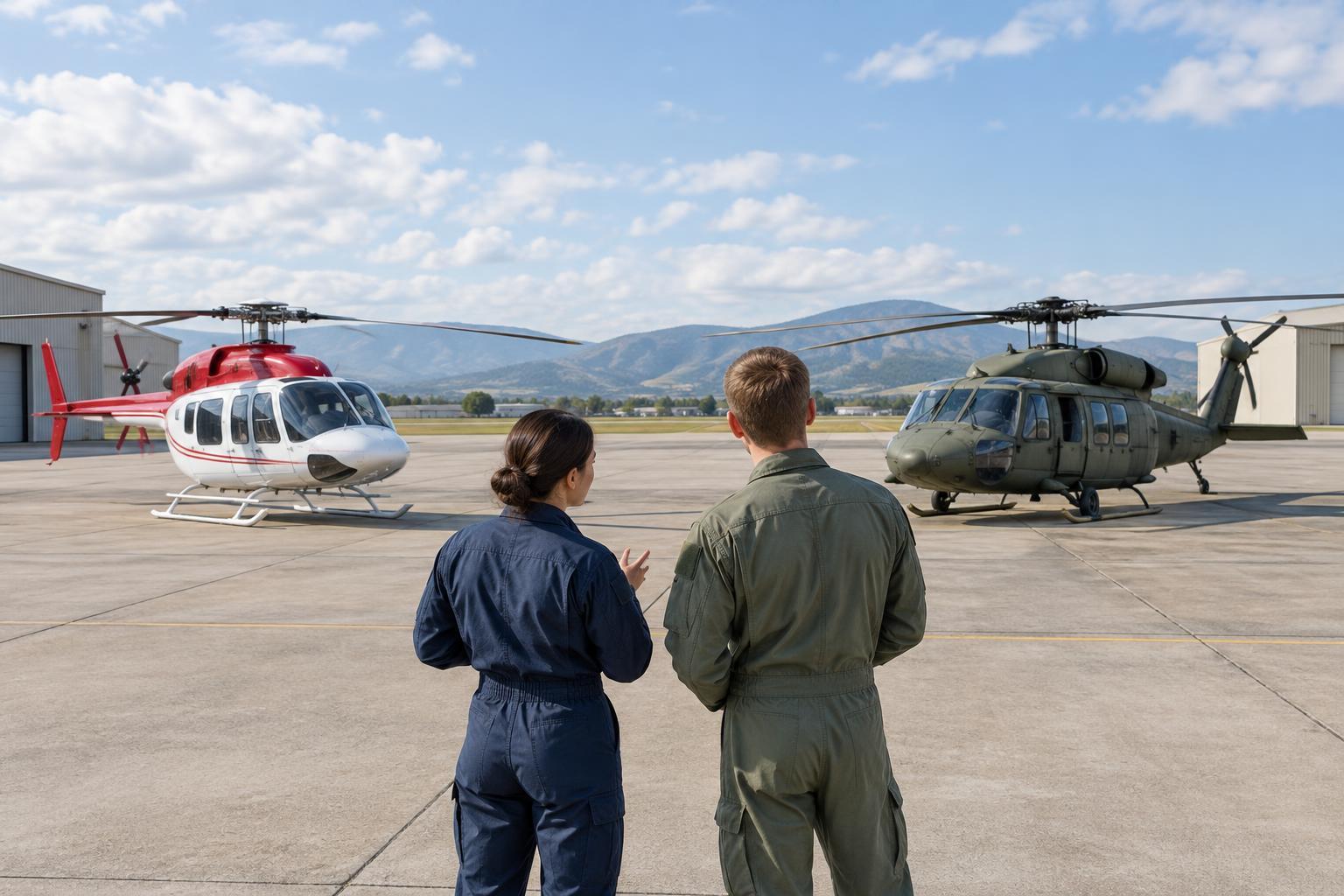
Military aviation can provide structured training and experience within large teams that use formal procedures, defined responsibilities and detailed mission planning. Some roles involve flying, maintenance or operational coordination in demanding environments. Those habits can be valuable in rescue aviation, where crews must communicate clearly and adapt plans when conditions change.
Military service is not a guaranteed shortcut into a civilian rescue job. Entry into a desired specialty may be competitive, assignments depend on organizational needs, and service entails obligations that extend beyond an individual career plan. Mission types also differ: experience on one aircraft or in one military role may not directly match a civilian employer’s requirements. Anyone considering this path should understand the commitments and possible assignments on their own terms, rather than treating military service solely as a training program for a later job.
Compare qualifications and transferable skills separately
A useful comparison has two columns. In one, list formal qualifications: licenses, ratings, certifications, training and any other documented requirements for your target role. In the other, list transferable skills: checklist discipline, maintenance documentation, crew communication, decision-making and coordination across teams. Both columns matter, but strength in one does not erase a gap in the other.
Rules for recognizing prior training or experience can vary by occupation and jurisdiction. Military experience, for example, may be highly relevant to a civilian application without automatically satisfying every civilian credential requirement. Likewise, a civilian candidate with the right credentials may still need to learn the communication practices and operating environment of a particular rescue organization. Verify requirements with the relevant credentialing authority and prospective employers before assuming that experience will transfer.
Choose a path you would value along the way
To make the decision practical, compare the routes against the same questions. What role can you realistically enter first? What training and commitments does that entry involve? Which skills will you practice regularly, and which will you still need to develop? How much choice will you have over location and assignments? Finally, what options would you have if a rescue aviation opening takes longer than expected—or if your interests change?
Neither route is universally better. A civilian path may suit someone who wants to pursue a particular occupation through a series of chosen jobs. A military path may appeal to someone who also wants to serve and accepts the obligations and range of possible assignments that come with it. The strongest choice is one that makes sense for the work you will do next, not only for a hoped-for rescue aviation position years later.