Understand the role before choosing a training path
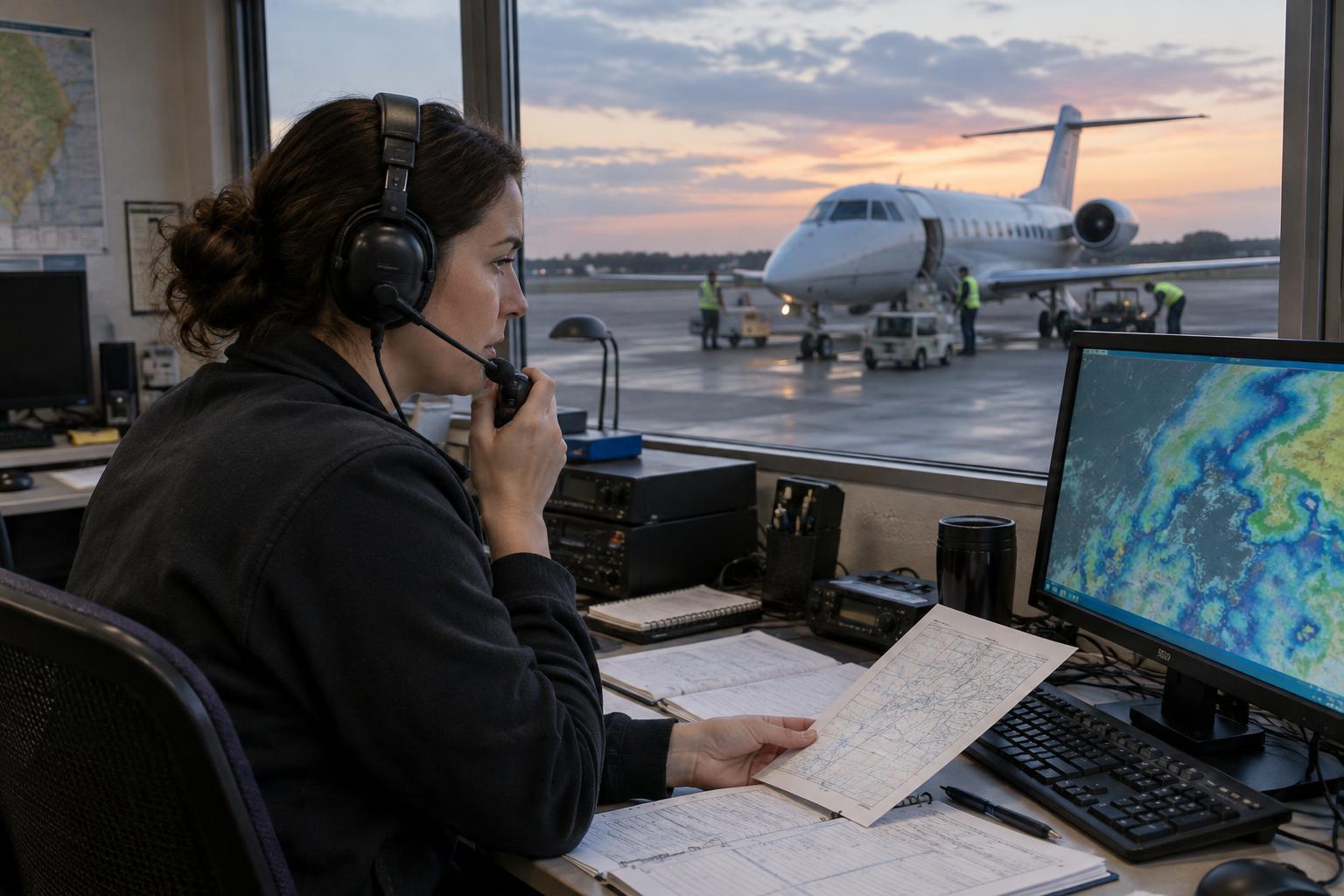
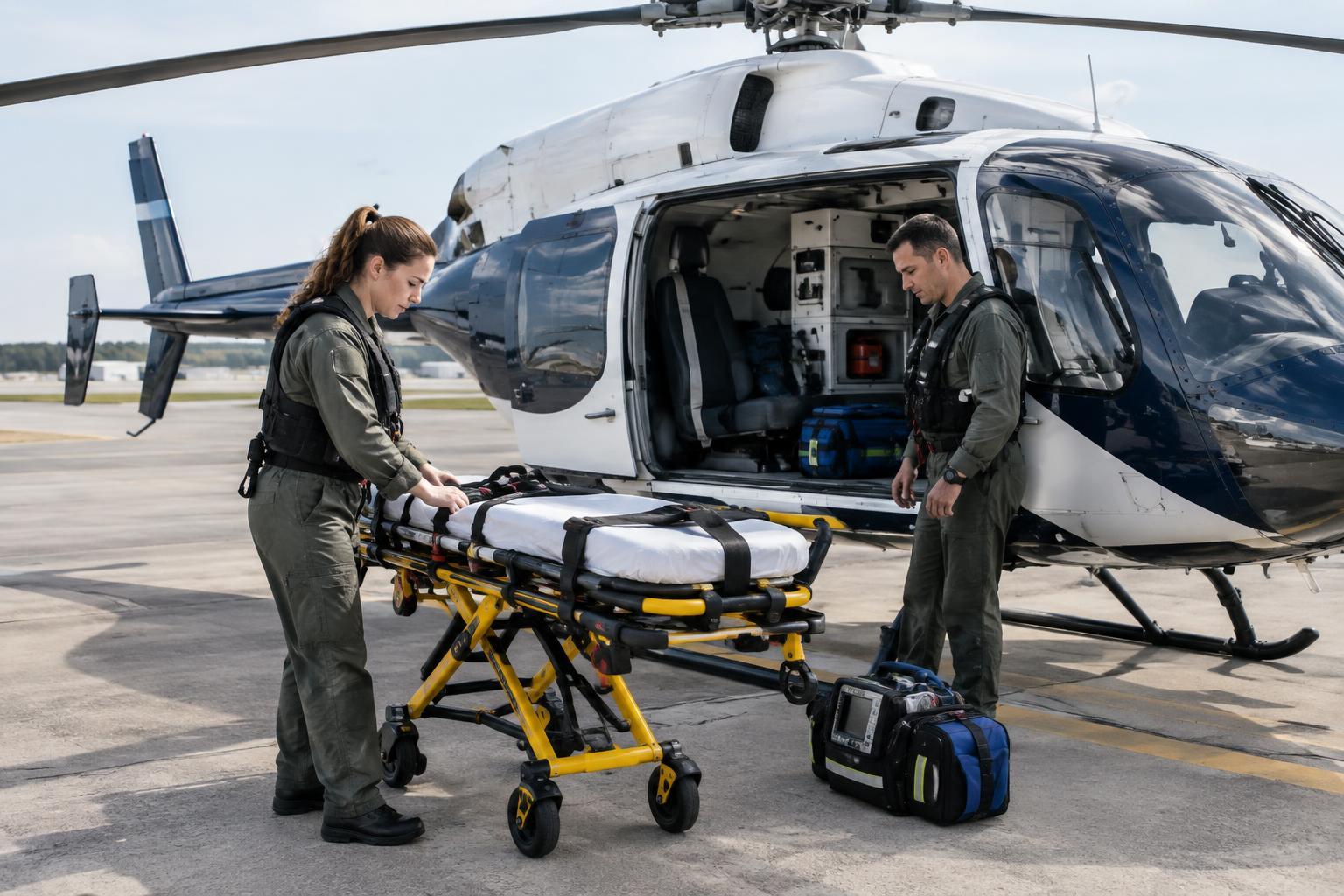
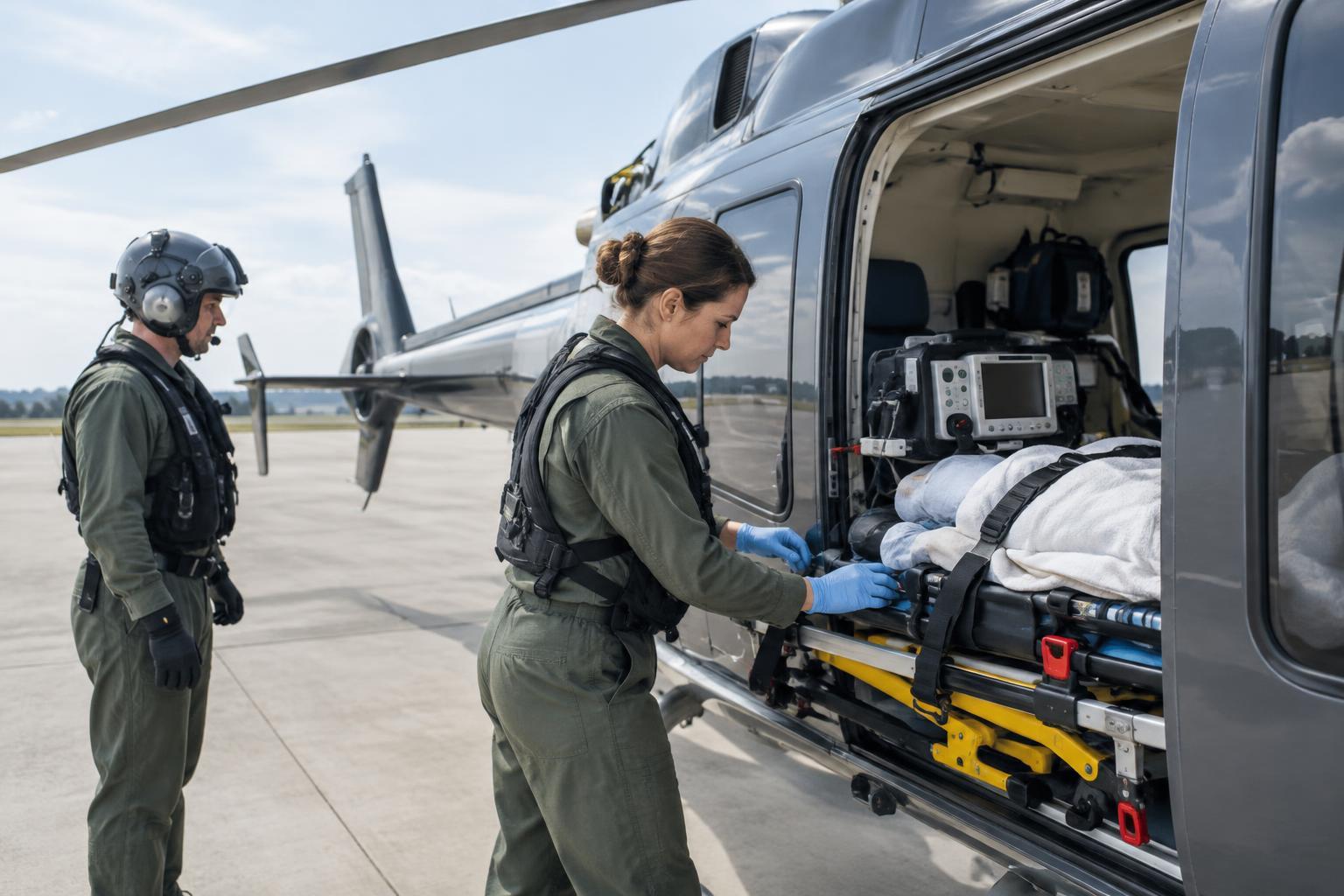
A rescue helicopter pilot’s primary responsibility is to operate the aircraft safely. Depending on the organization, a flight might support search and rescue, move a patient between facilities, or carry a medical crew to a pickup location. The pilot works alongside other specialists but does not replace them: clinicians make clinical decisions, while dispatchers and ground teams help coordinate the mission.
The work can involve unfamiliar landing areas, changing weather, night operations and pressure to depart quickly. A successful pilot must be willing to delay, divert or decline a flight when conditions warrant it. That makes decision-making, communication and self-discipline central career skills, not qualities to develop only after accumulating flight hours. It is also worth learning how rescue aviation differs across regions and operators before committing to a particular career plan.
Build a foundation through helicopter training
The usual starting point is learning to fly helicopters through an approved training route in the country where you intend to work. Early training develops aircraft control, navigation, weather interpretation, emergency procedures and an understanding of performance limits. Pilots then pursue the licenses, ratings or endorsements needed for increasingly complex flying. Exact names, eligibility rules and required experience vary by aviation authority, so check the applicable regulator and training providers for current requirements.
Training is more than a sequence of tests. Helicopters respond differently to weight, altitude, temperature and wind, and a pilot needs to understand those effects rather than rely on a memorized rule. Good habits formed early—careful preflight inspections, clear checklists, honest assessment of fatigue and consistent debriefing—carry into every later job. If you are comparing schools, ask how they teach judgment and scenario-based decision-making as well as flight maneuvers.
Gain varied experience before seeking rescue work
An initial qualification rarely leads straight to a rescue cockpit. Many pilots first build experience in roles such as flight instruction, tours, utility flying or other commercial helicopter operations. The value of those roles is not just time logged. They offer repeated practice with planning, passenger communication, changing conditions and the everyday responsibility of deciding whether a flight can be conducted safely.
As your experience grows, look for opportunities that develop skills relevant to the jobs you hope to pursue. Depending on the operator, these may include instrument flying, night operations, work in challenging terrain or experience with a particular aircraft type. Never treat a challenging flight as a way to collect a résumé item. Experience is useful when it reflects sound decisions and learning, including the decision to stay on the ground. Keep accurate records of your training and flight time, and review job postings to understand how different employers describe their minimum and preferred qualifications.
Learn how rescue crews work together
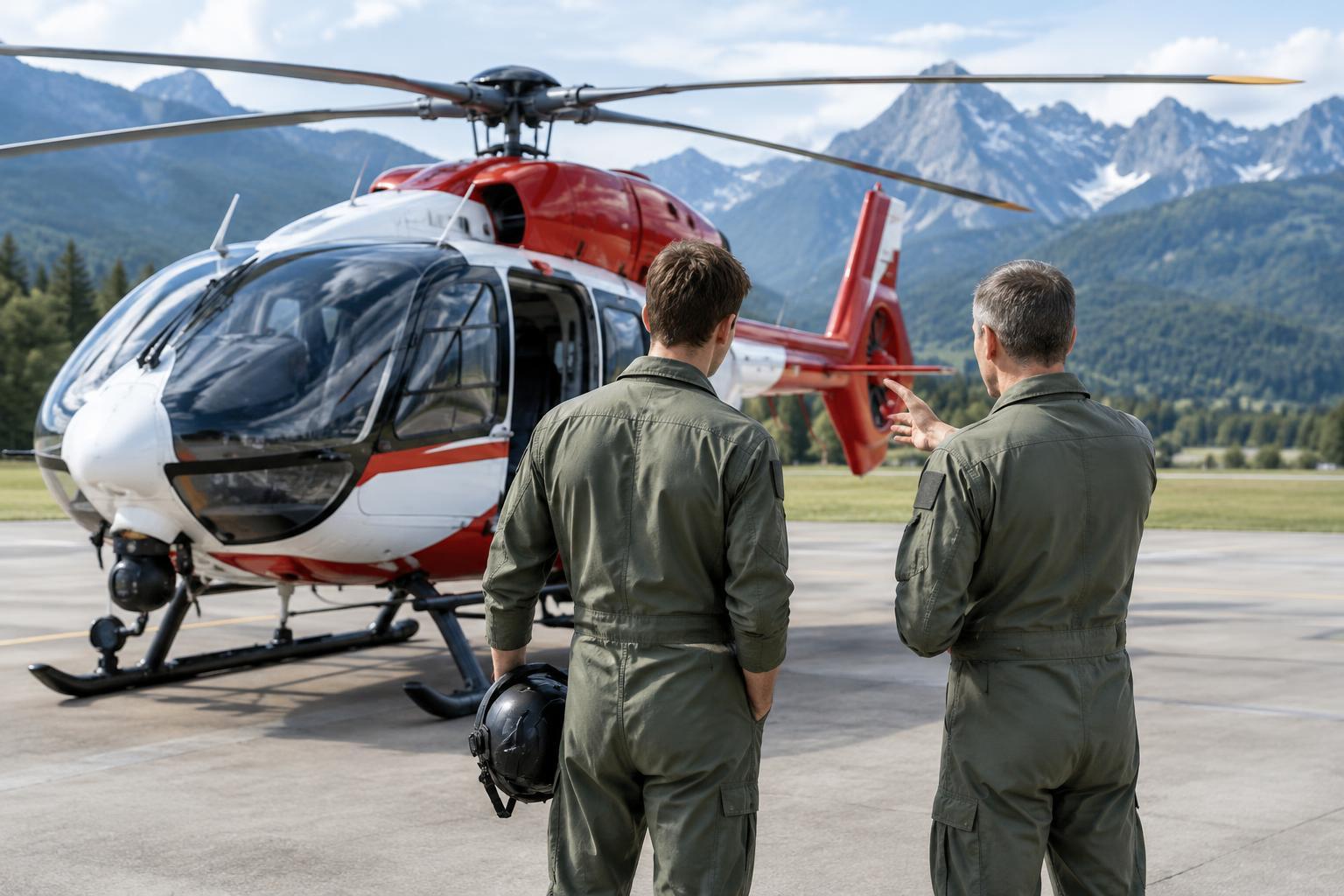
Rescue flying is a team activity even when one pilot is at the controls. Before departure, the crew may need to agree on the route, expected conditions, landing-site concerns and what would trigger a change of plan. In flight, clear briefings and timely updates help everyone maintain the same picture. On the ground, the pilot may coordinate with people who know the landing area well but are not aviation specialists.
This is why employers may value a pilot who listens well and explains decisions plainly. A pilot should be able to state a safety concern without ambiguity and welcome relevant information from crew members. Learning about crew resource management, workload sharing and communication under pressure can help prepare you for this environment. It also helps to understand the boundaries of the role: urgency matters, but it does not remove aircraft limitations or make unsafe conditions acceptable.
Plan for a long-term, adaptable career
There is no single route into rescue helicopter flying. Entry requirements differ among operators, and the skills needed for coastal, urban, remote or mountainous work may differ too. Some pilots arrive after years in other civilian aviation roles; others bring experience from military or public-service flying. Whatever the route, transition into a new organization usually requires learning its aircraft, procedures, operating area and crew practices.
For someone starting out, a useful plan is to identify the licensing system that applies to you, compare reputable training options, and speak with working pilots or instructors about the kinds of experience available locally. Revisit that plan as you progress rather than chasing a fixed timetable. Rescue aviation rewards pilots who keep learning, prepare thoroughly and understand that completing a mission safely may sometimes mean changing the mission.