The doorway is more than an opening
Stretcher access begins with the shape and position of the aircraft door. Its published dimensions are useful, but they do not tell the whole story. A stretcher has to approach the opening at a workable angle, clear the door frame and move past nearby seats, fittings or equipment. A wide opening can still be difficult to use if a protruding sill or restricted approach leaves little room to turn.
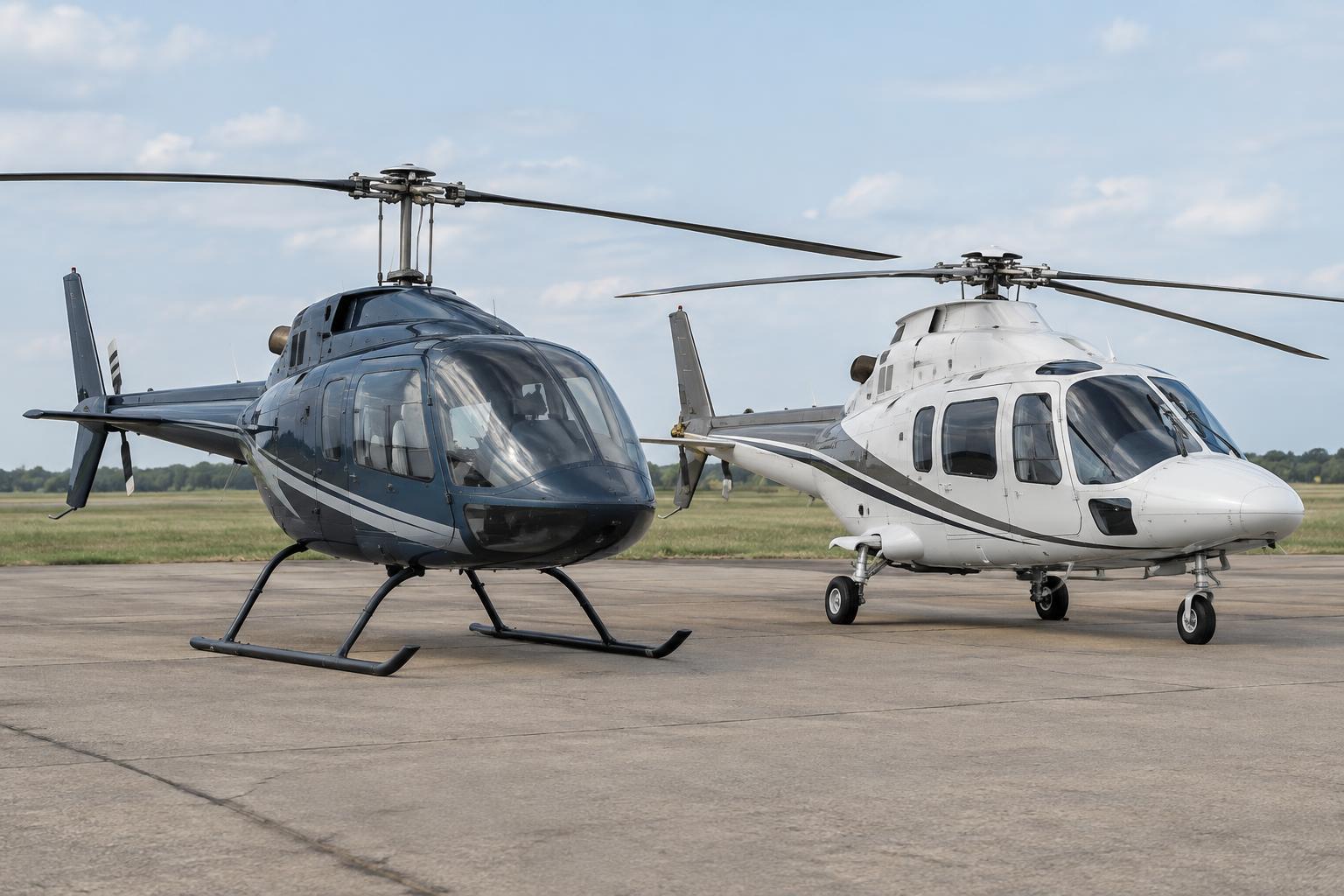
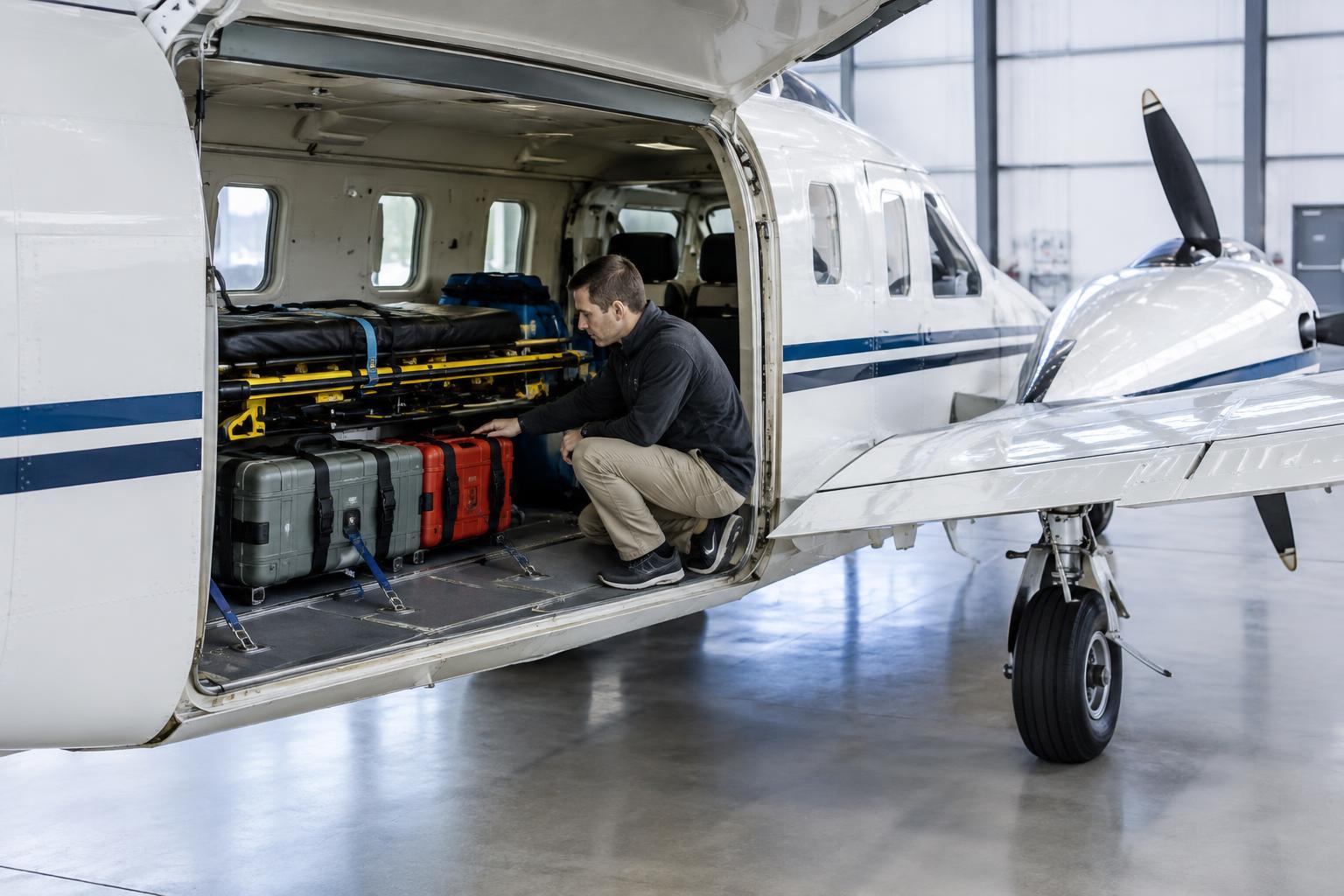
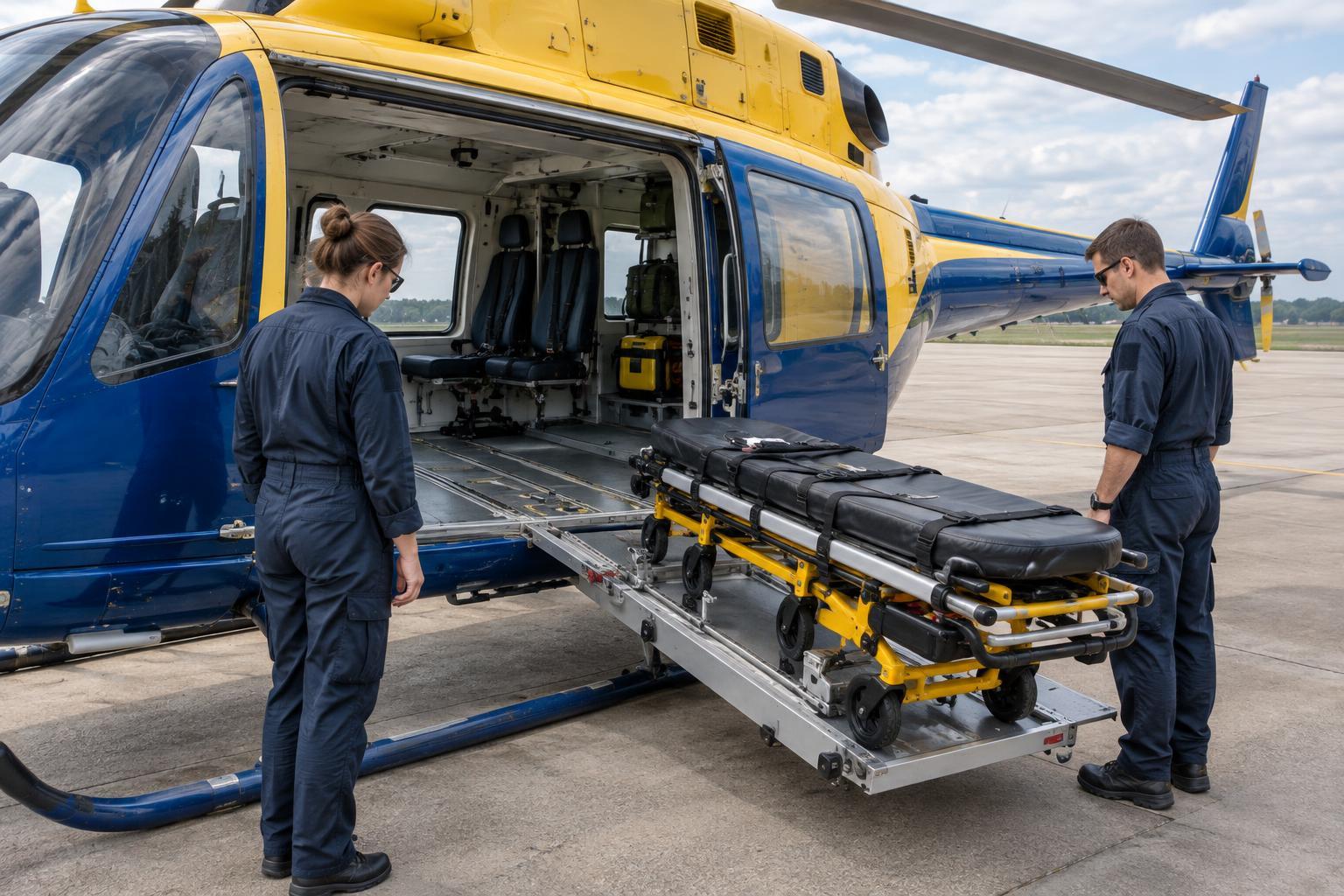
Door arrangements vary by aircraft. A helicopter may have sliding side doors or a rear opening, while a fixed-wing aircraft may use a side cargo door or another modified access point. The location affects where ground personnel can stand and how the stretcher enters the cabin. It also influences the interior layout: the stretcher must be positioned where it can be restrained, and the people on board need usable space around it.
The door itself needs somewhere to go when open. A sliding panel, hinged door or removable panel can each affect the clear opening and the area immediately outside it. For that reason, evaluating access means looking at the complete path into the aircraft, not just measuring the doorway.
Loading height changes the handling challenge
The distance from the ground to the cabin floor is another major factor. A higher floor creates a larger vertical change for the stretcher and the people moving it. Steps, landing gear, uneven ground and limited space beside the aircraft can make that change harder to manage. The same aircraft may present a different access challenge at a prepared landing area than at a confined or sloping site.
Loading systems help bridge the gap. Depending on the aircraft and installation, these may include a ramp, lift, track, roller surface or guided stretcher mount. Their purpose is not simply to make a load feel lighter. By guiding the stretcher along a defined path, they can reduce awkward changes in direction and help align it with its cabin position.
Each system brings constraints of its own. A ramp needs room outside the aircraft and a suitable surface at its lower end. A lift occupies space and has operating limits. A track works only with compatible equipment and an unobstructed path. The useful question is therefore not whether an aircraft has a loading aid, but whether that aid suits the stretcher, the doorway and the places where the aircraft may be used.
The stretcher and aircraft must work as a system
A stretcher that fits through the door is not automatically ready for flight. Its frame, handles, wheels and attached equipment all contribute to its overall dimensions. Some parts may change position for loading, but those changes must be considered as part of the intended equipment design rather than assumed to be possible on every stretcher.
Inside the cabin, the stretcher must connect to an appropriate mounting and restraint arrangement. Tracks, latches and approved attachment points are designed for particular configurations. Their placement affects how easily the stretcher can be moved into position and whether access remains available around it. Equipment mounted beside or above the stretcher can also narrow the route, even when the doorway itself is generous.
Designers therefore consider a sequence: approach the aircraft, cross the threshold, guide the stretcher to its position and secure it. A bottleneck at any one stage can determine how practical the whole arrangement is. A loading system that works smoothly with one stretcher model or cabin configuration may not work the same way after equipment is changed.
Cabin access matters after loading
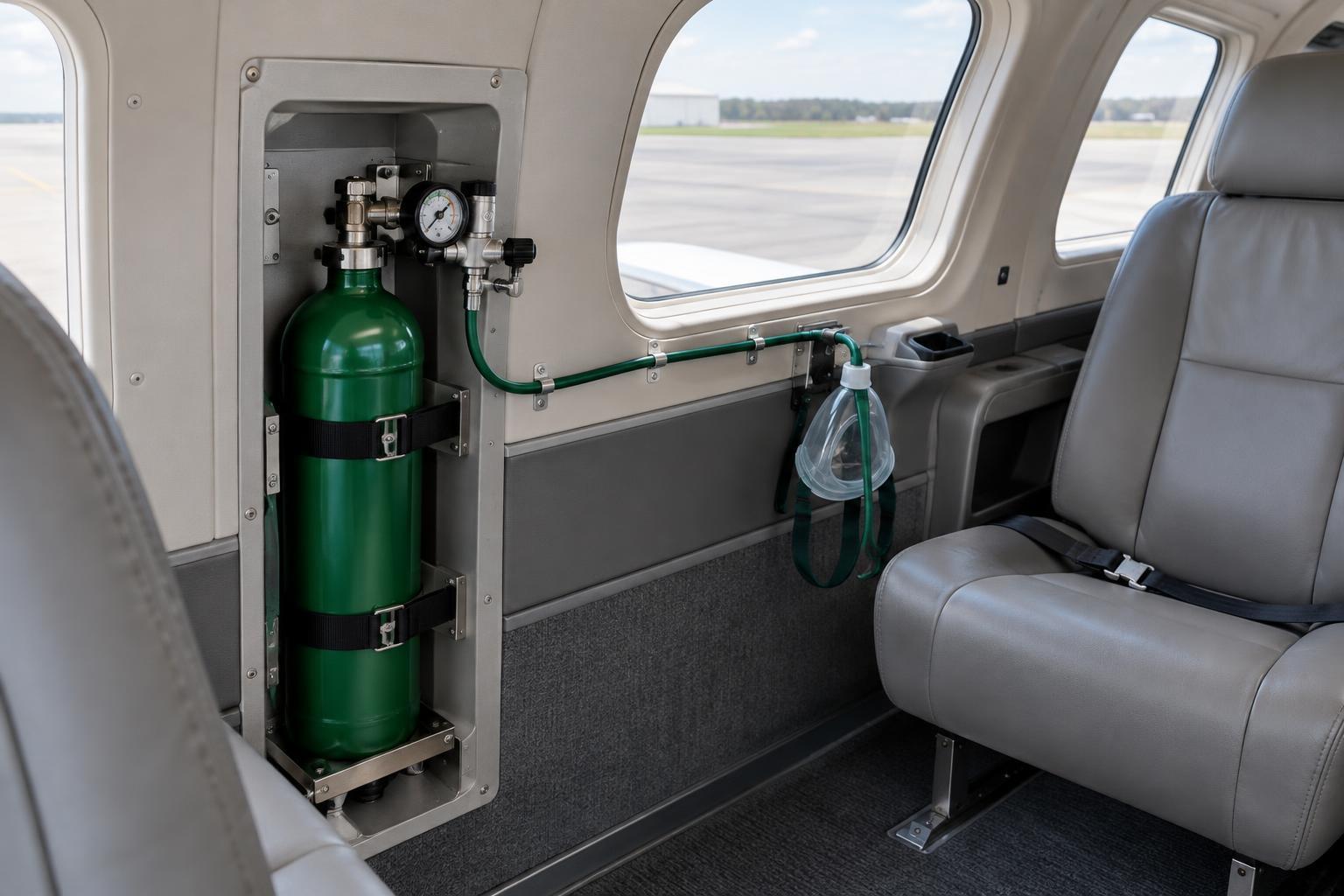
Once the stretcher is secured, the remaining cabin space still has a job to do. Crew members need to move where their roles require them, reach necessary equipment and use their own seats and restraints. A layout that makes loading straightforward but blocks routine access after departure may be a poor overall compromise.
Door placement also affects unloading. The route back out should remain clear of stored items, loose accessories and changes to the cabin arrangement. In a compact helicopter, small differences in where a bag or equipment case sits can matter. In a larger fixed-wing cabin, the longer path between the stretcher position and the door may introduce turns or narrow passages that deserve attention.
These considerations help explain why cabin design is a balance rather than a search for the largest possible door. Aircraft structure, seating, equipment placement and available floor space all shape the final arrangement.
What to look for when comparing designs
A useful comparison starts with the full loading route. Look at the clear doorway, the height and shape of the threshold, the space for approaching the aircraft and the way the stretcher changes direction inside. Then consider whether the loading aid is compatible with the stretcher and how the stretcher is secured in its final position.
No single feature guarantees easy access in every setting. A generous doorway may be paired with a high floor; a helpful ramp may need more ground space than a particular site offers. Understanding those tradeoffs gives a clearer picture of rescue aircraft design than judging by aircraft size alone. Doors, loading systems and cabin layout work together to determine how practical stretcher access can be.