Different purposes, different systems
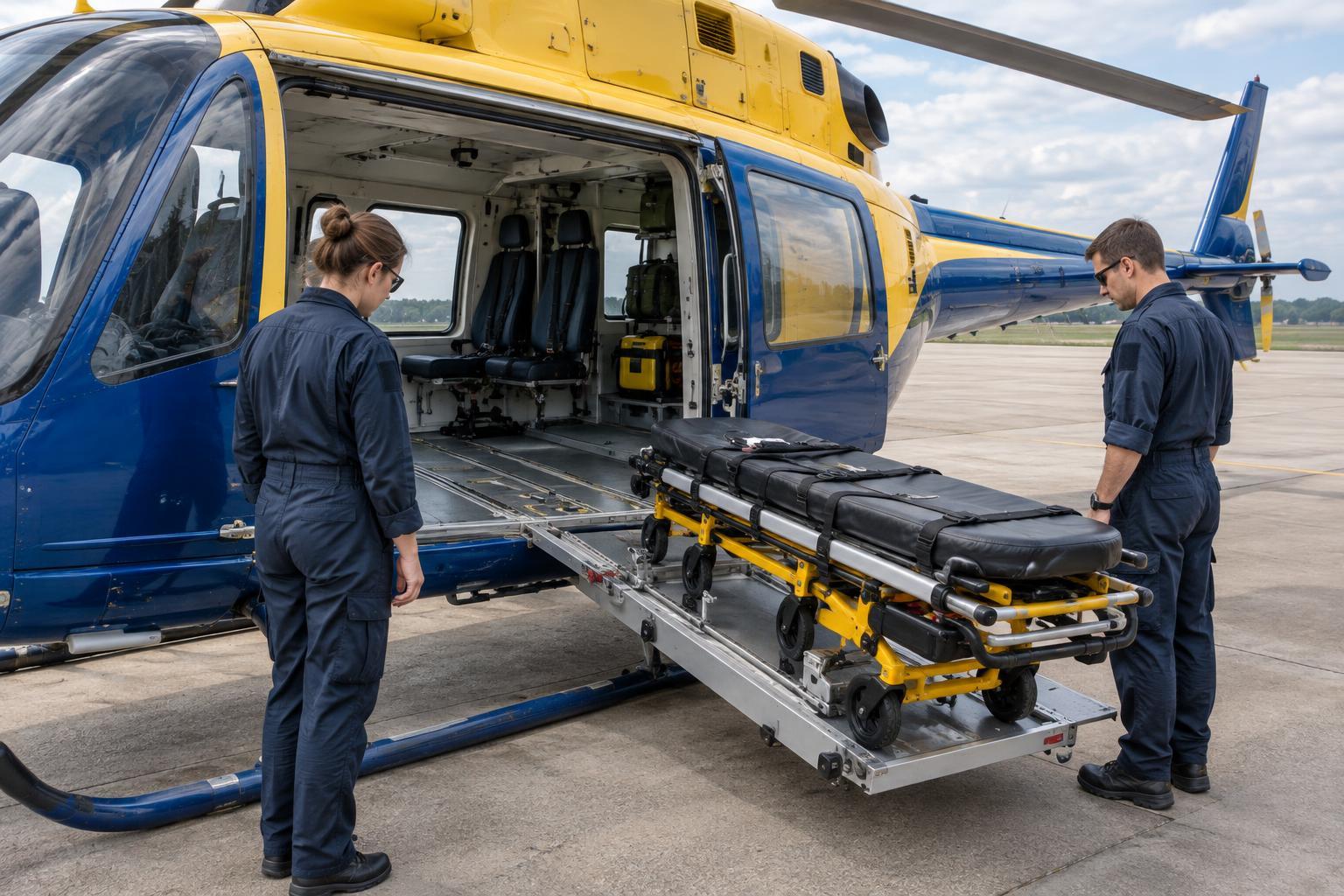
Aircraft may carry oxygen for several distinct reasons. Flight crew may need it if cabin pressure is lost or if operating conditions require supplemental oxygen. Passenger provisions, where installed, serve a different group of users and may be designed for brief use during a descent. A specialized transport aircraft may also carry equipment intended to supply a person receiving care. These functions should not be treated as interchangeable: each has its own users, controls and equipment requirements.
Cabin pressurization and onboard oxygen also perform different jobs. Pressurization helps maintain a suitable cabin environment during flight; an oxygen system provides oxygen to a user through a delivery device. The way an aircraft combines these systems depends on its design and intended operation. Integration therefore begins with a basic question: who needs oxygen, under what circumstances, and for how long?
Finding a place for storage
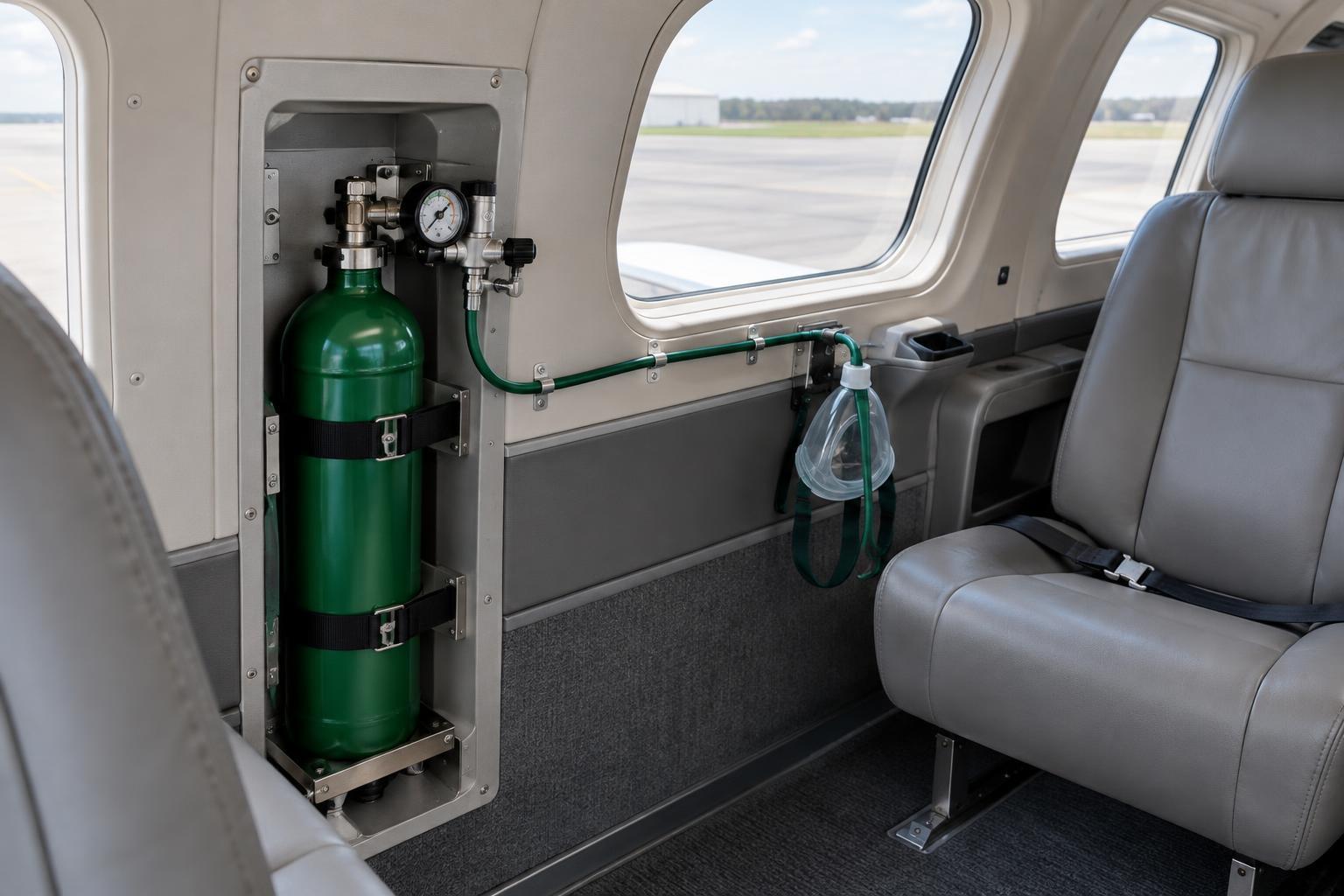
Oxygen may be stored in high-pressure cylinders or supplied by another approved system, depending on the aircraft and its purpose. A cylinder needs a secure mounting point that accounts for its weight, access and the forces it could experience in flight. Designers and installers must also consider whether crew can inspect, replace or refill it without disturbing nearby equipment. In a compact cabin, even a well-chosen storage location can affect seating, baggage space or movement through the aircraft.
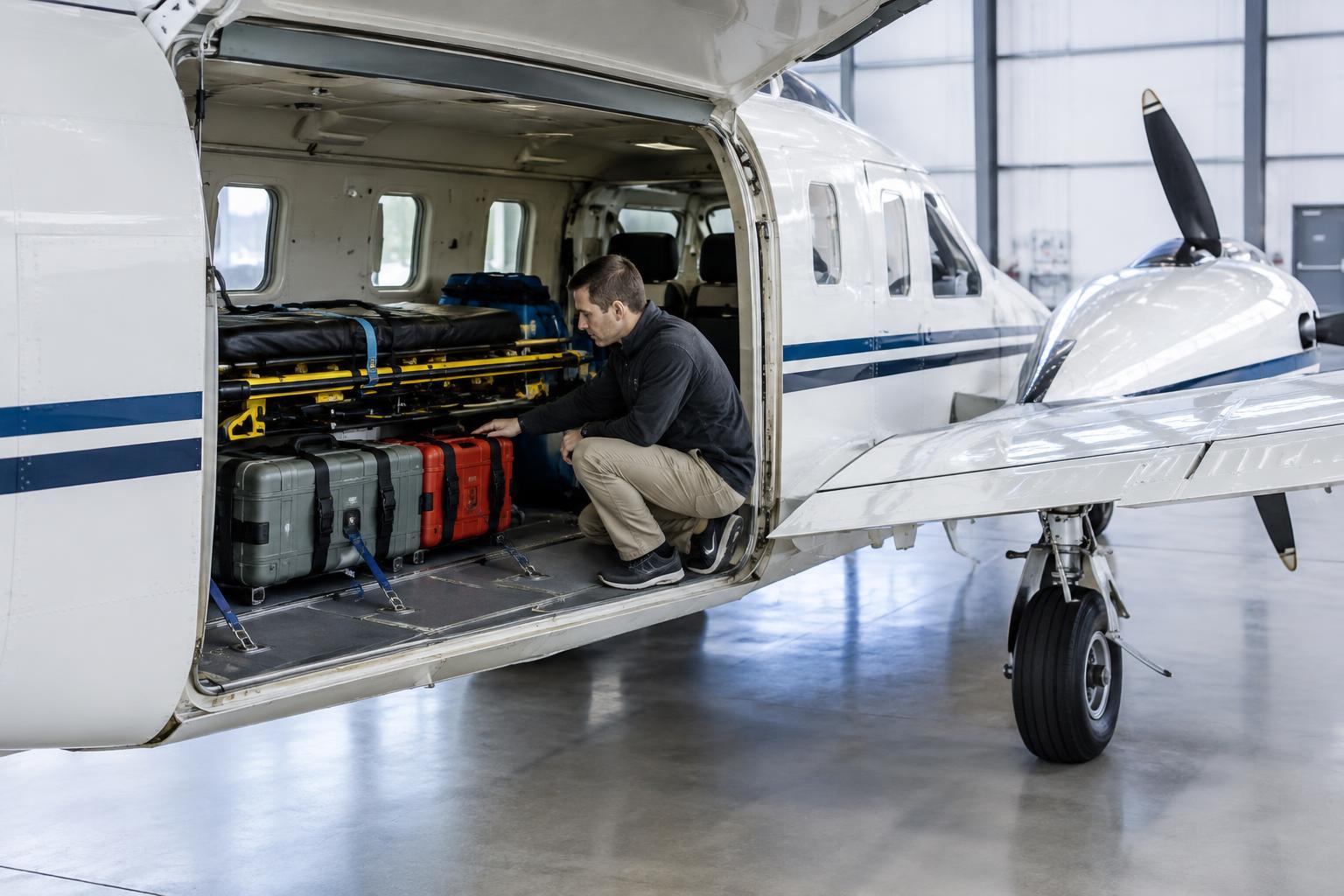
Storage capacity is not just a question of cylinder size. The expected number of users, likely duration of use and method of delivery all affect how much oxygen a system must make available. Added storage also adds weight and may change how loads are distributed. For specialized missions, planners have to consider the complete installation—including cylinders, brackets and delivery equipment—rather than treating oxygen as a small item that can simply be carried aboard.
From storage to the user
A typical stored-oxygen arrangement includes a way to control pressure, a route for the oxygen to travel and a means of delivering it to the user. Regulators reduce or manage pressure for the intended equipment, while tubing or fixed lines connect the supply to outlets or masks. Valves may isolate parts of a system. Gauges or other indicators help crews determine whether the supply is available, although the information shown varies by installation.
Delivery devices are chosen for the job they perform. A flight-deck mask must be accessible to its crew member and suited to use while carrying out cockpit tasks. Passenger equipment needs to be reachable by the people it serves. In an aircraft equipped for patient transport, outlets and connections must fit the cabin layout and the equipment carried there. A conveniently placed outlet is of little value if a seat, stretcher or other fixture blocks access to it.
Integration with the cabin and other systems
An oxygen installation has to coexist with the rest of the aircraft. Lines may pass near panels, wiring, seats and ventilation components, so their routing and protection matter. Equipment should be positioned to limit accidental damage and to make required checks possible. If monitoring or controls use aircraft electrical power, their behavior also needs to be considered alongside the aircraft’s other electrical loads and indications.
Oxygen can intensify combustion, which makes cleanliness, suitable materials and separation from potential ignition sources important design concerns. Secure fittings matter as well: a leak can waste a limited supply and create an unwanted oxygen-rich area. For these reasons, changes to an installation are not simply cabin-layout choices. They must be evaluated against the aircraft’s approved configuration and the requirements that apply to it.
Why usability matters as much as capacity
An integrated system must be understandable to the people who use and maintain it. Crews need to know which supply serves which outlet, how to recognize an unavailable supply and where masks or connections are located. Clear labeling and accessible indicators support those tasks. Maintenance personnel need appropriate access for inspection and servicing without having to work around unnecessary obstructions.
No single arrangement suits every aircraft. A small aircraft with a few occupants presents different space and access challenges from a larger cabin with multiple passenger positions or dedicated transport equipment. Looking at storage, delivery, placement and monitoring as one system makes those trade-offs easier to understand. The result is not merely oxygen carried aboard, but equipment incorporated into how the aircraft is designed and used.