Access begins with the way an aircraft flies
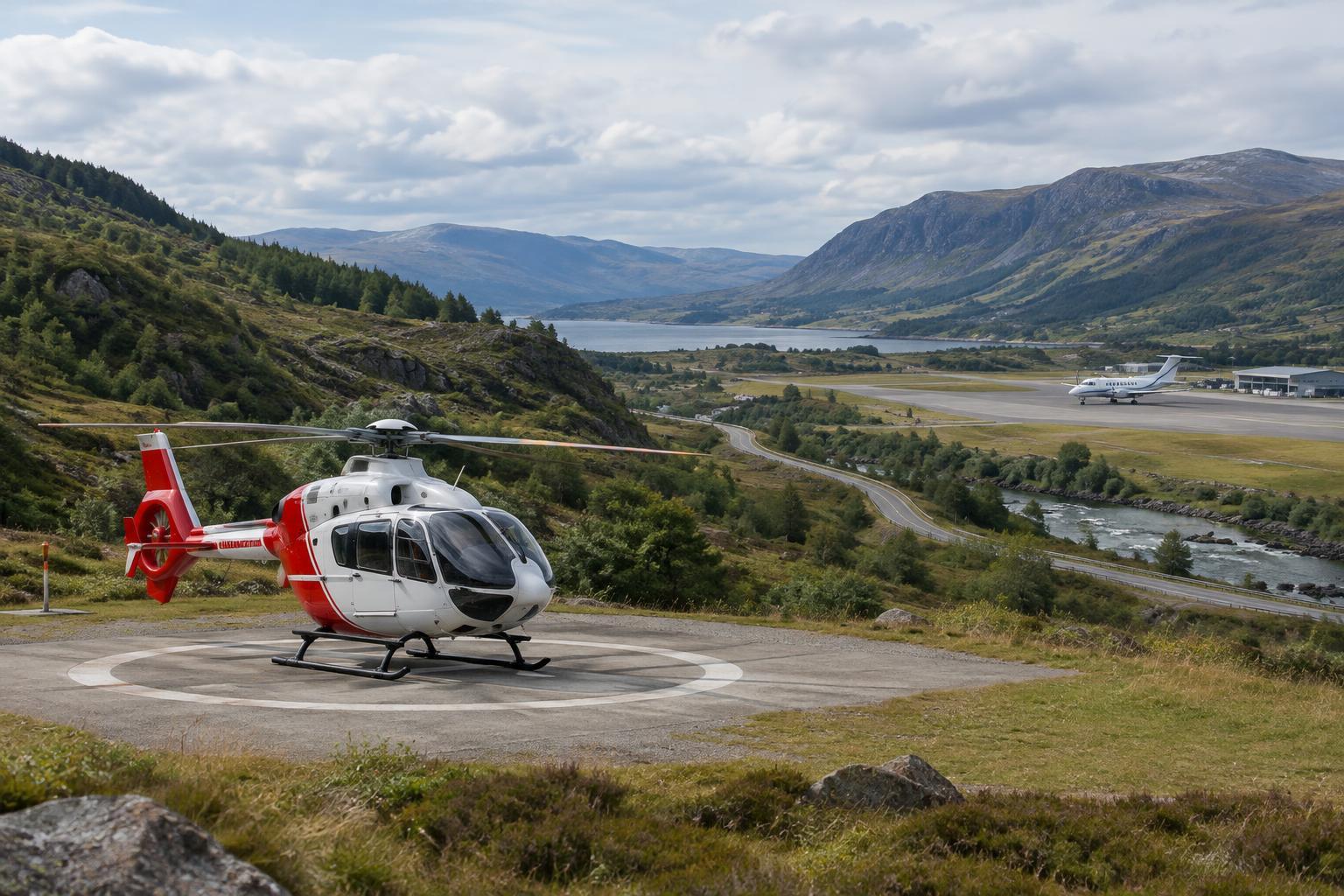
A helicopter’s rotating blades generate lift without requiring a runway. That ability makes helicopters useful when a suitable landing area is available near a remote incident or a facility without runway access. The same aircraft may carry a person from a pickup site to a hospital landing area, reducing the need for an intermediate trip by road. Helicopters cannot land just anywhere, however. Crews must consider obstacles, surface conditions, available space, visibility and the effects of rotor wash before a landing site is usable.
A fixed-wing aircraft gains lift as it moves forward. It therefore needs access to a suitable runway at each end of a flight, but its design can be well suited to covering longer distances. If a patient or rescue team must travel between distant regions, a fixed-wing aircraft may handle the main air leg while ground vehicles complete the journeys to and from airports. Neither design removes the need to plan the whole route: the useful trip is the one that connects people and facilities safely, not simply the one with the shortest time in the air.
Range and speed change the transport plan
Helicopters offer flexibility at the ends of a route, but their range, fuel capacity and cruising speed can limit how practical they are for a long journey. A trip may require a fuel stop or a transfer to another mode of transport. Those steps add time and coordination, even when the helicopter has shortened the journey to its first destination.
Fixed-wing aircraft generally become more attractive as distance grows, particularly when suitable airports are available. Some designs can also carry more people or equipment than a smaller helicopter. Yet the advantage of a faster or longer-range aircraft depends on the complete itinerary. Reaching an airport, loading the aircraft, flying, unloading and completing a ground transfer all take time. Runway length, aircraft performance and conditions at both airports also affect whether a particular aircraft is appropriate.
Weather and terrain matter to both types. A helicopter’s ability to land close to a destination does not guarantee that a flight can proceed in poor visibility or difficult conditions. A fixed-wing aircraft’s access to established airports does not make every runway or route suitable. Aircraft capability is one part of a decision that also depends on the crew, the route and the conditions expected along it.
Cabin design shapes work in flight
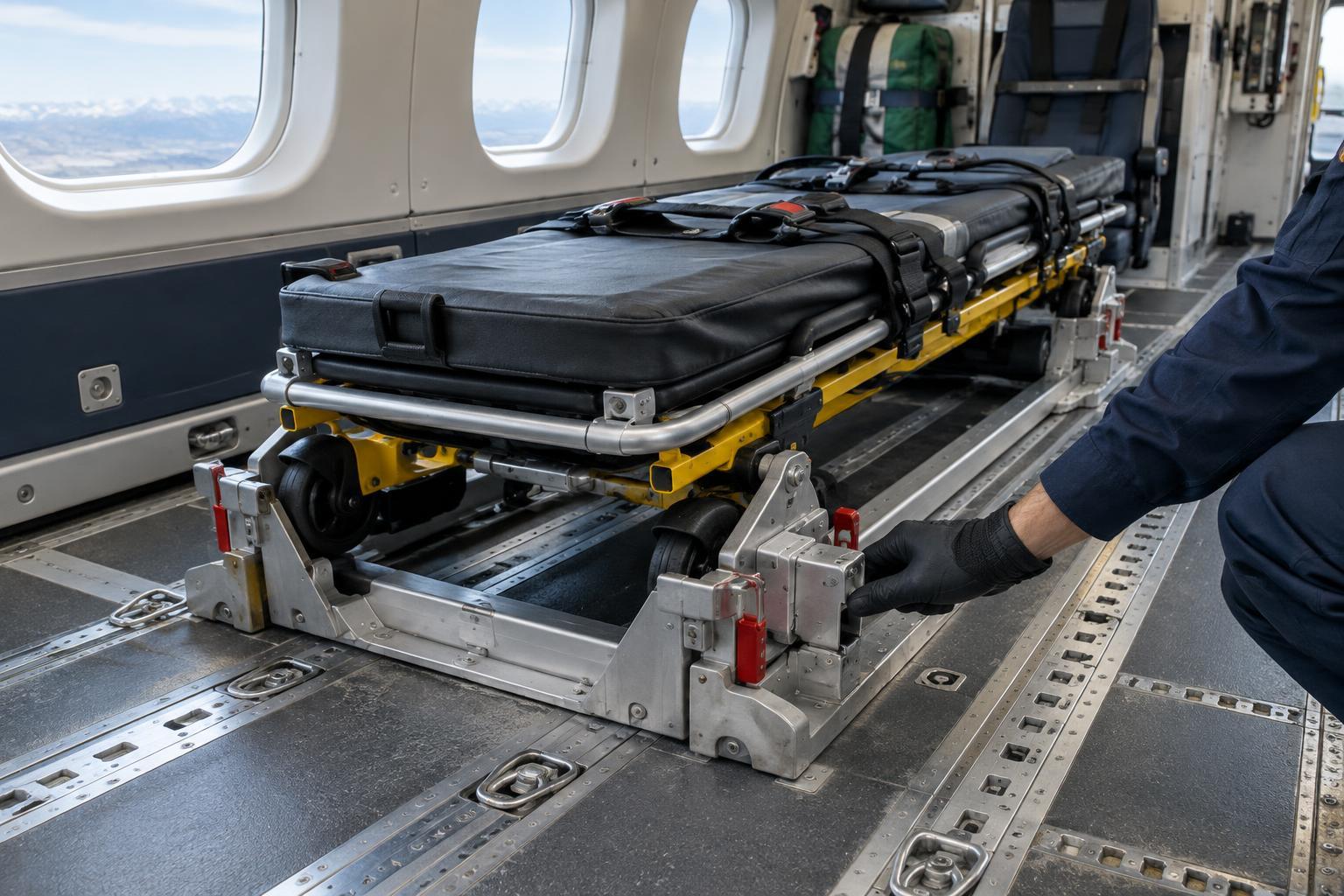
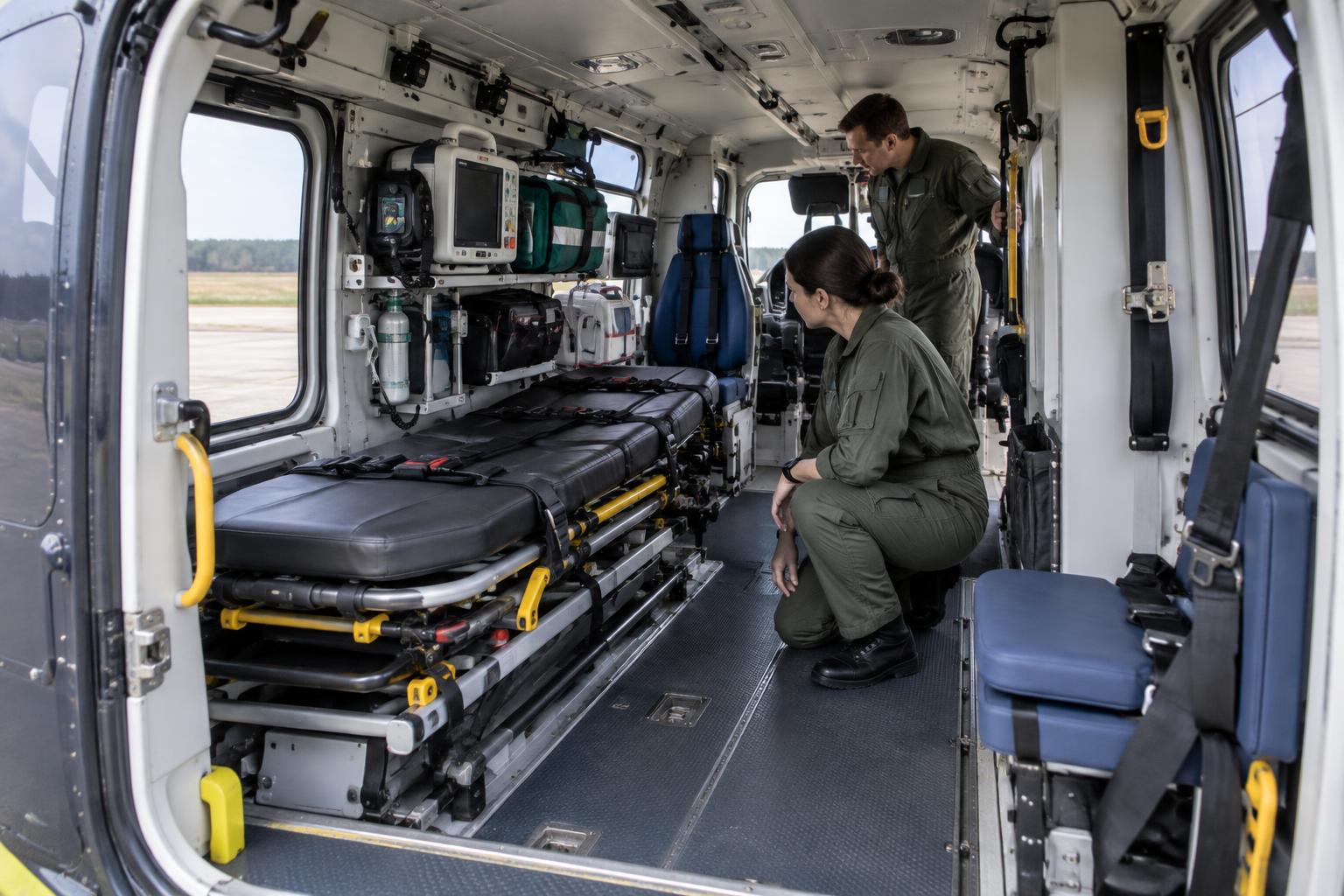
Rescue transport cabins must accommodate people, secured equipment and a path for safe loading and unloading. Doors, cabin height, floor space and the position of seats can affect how easily a stretcher or other large item moves into place. Once aboard, crew members need practical access to the person being transported and to essential supplies. A spacious cabin is helpful only if its layout supports the tasks planned for the flight.
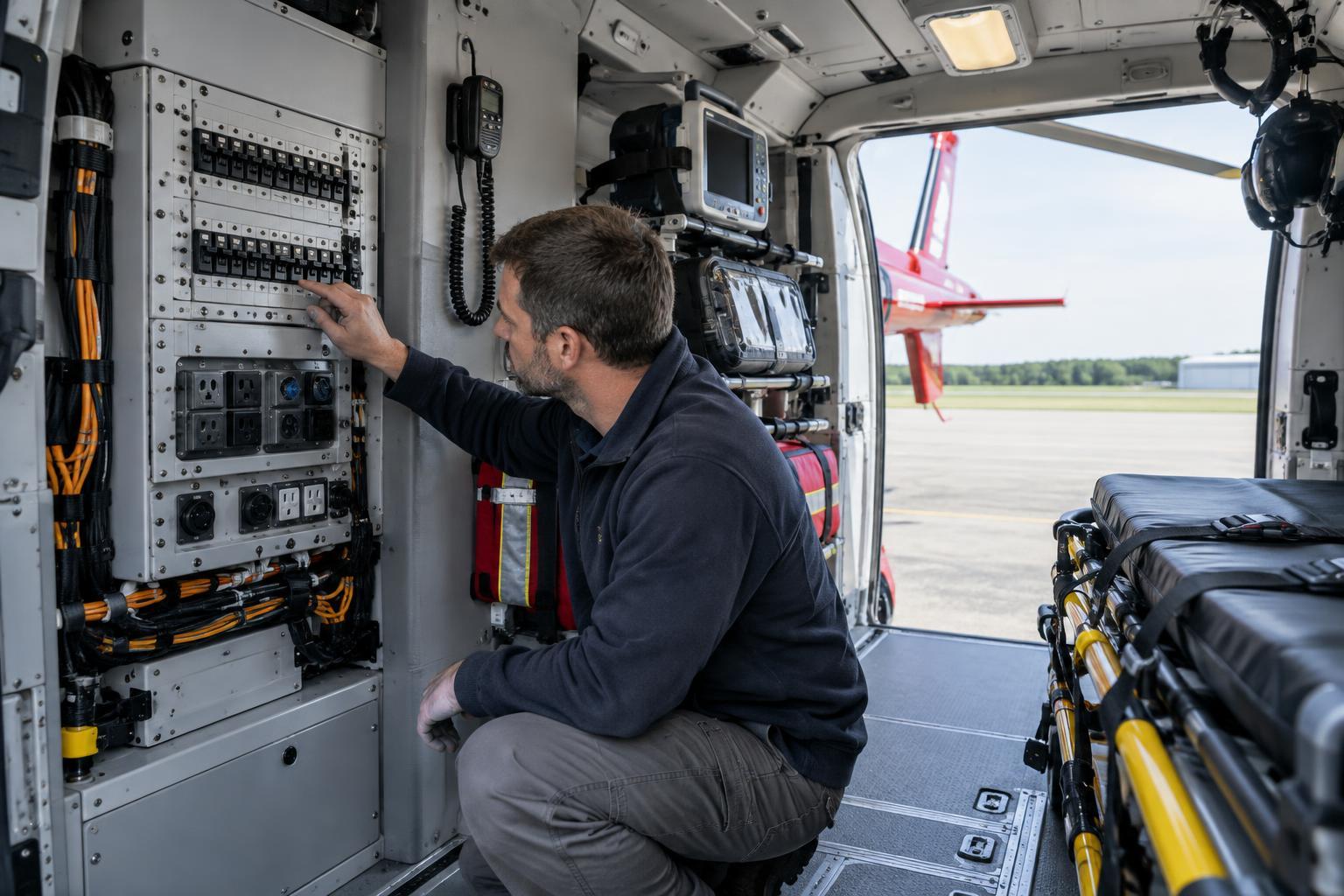
Aircraft equipment cannot simply be placed wherever it fits. Mounts and restraints must keep items secure, and available electrical power must suit the equipment selected for use. Weight and balance also matter: people, fuel, baggage and installed systems all contribute to an aircraft’s loading limits. A helicopter configured for close access may have a compact workspace, while a larger fixed-wing aircraft may offer more room to move. The exact arrangement varies considerably by aircraft and interior design.
Noise and vibration influence communication and equipment placement as well. Headsets, intercoms and clear handoff procedures help crews share information when ordinary conversation is difficult. Cabin design can reduce friction, but it does not replace coordination among pilots, transport personnel and the teams meeting the aircraft.
The best fit is a route, not an aircraft label
Choosing between helicopter and fixed-wing transport is not a contest between two universal solutions. A helicopter may offer valuable access near the start or end of a journey. A fixed-wing aircraft may offer a practical way to cover a longer middle segment. In some journeys, the most suitable plan combines air and ground transport; in others, ground transport alone may avoid unnecessary transfers.
Planning starts with questions that aircraft design makes concrete: Where can the aircraft safely land? How far must it travel, and where can it refuel? Will the cabin accommodate the people and secured equipment required? Who will meet the aircraft, and how will information pass between teams? Looking at the entire chain of movement reveals the central lesson of rescue aviation design: capability comes not from a single feature, but from matching an aircraft’s strengths and limitations to a carefully coordinated journey.