Why a longer route may need a stop
A transport aircraft’s published range is only a starting point for planning. The distance it can cover on a particular trip depends on factors such as its load, winds, routing and operating conditions. A route that looks direct on a map may also require a different path because of weather, airspace or the airports available along the way.
For that reason, crews and flight planners consider the whole journey rather than asking only whether the aircraft can reach the destination. They need a plan that accounts for fuel used during the trip, fuel that must remain available under applicable rules and procedures, and the possibility that conditions will change. Those requirements vary by aircraft, operator and type of operation. A planned stop can make a longer journey workable while leaving room to respond to uncertainty.
Choosing a useful airport
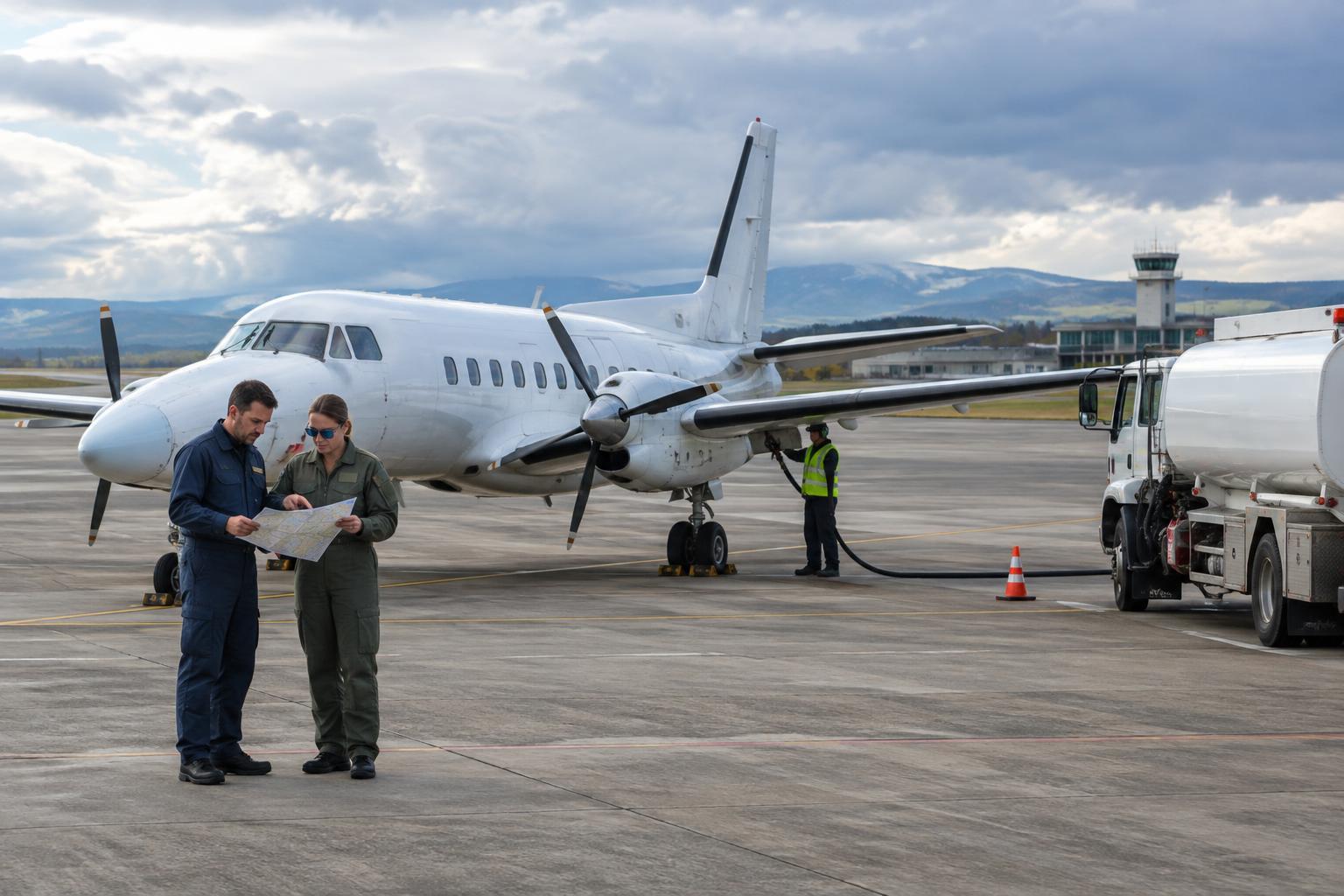
A suitable fuel stop needs more than a fuel pump. Planners consider whether an airport can accommodate the aircraft, whether the needed fuel is expected to be available, and whether the airport and its services will be accessible at the likely arrival time. Weather, runway conditions and ground support matter as well. An airport near the route may be less useful if reaching it adds substantial flying time or if its facilities do not meet the flight’s needs.
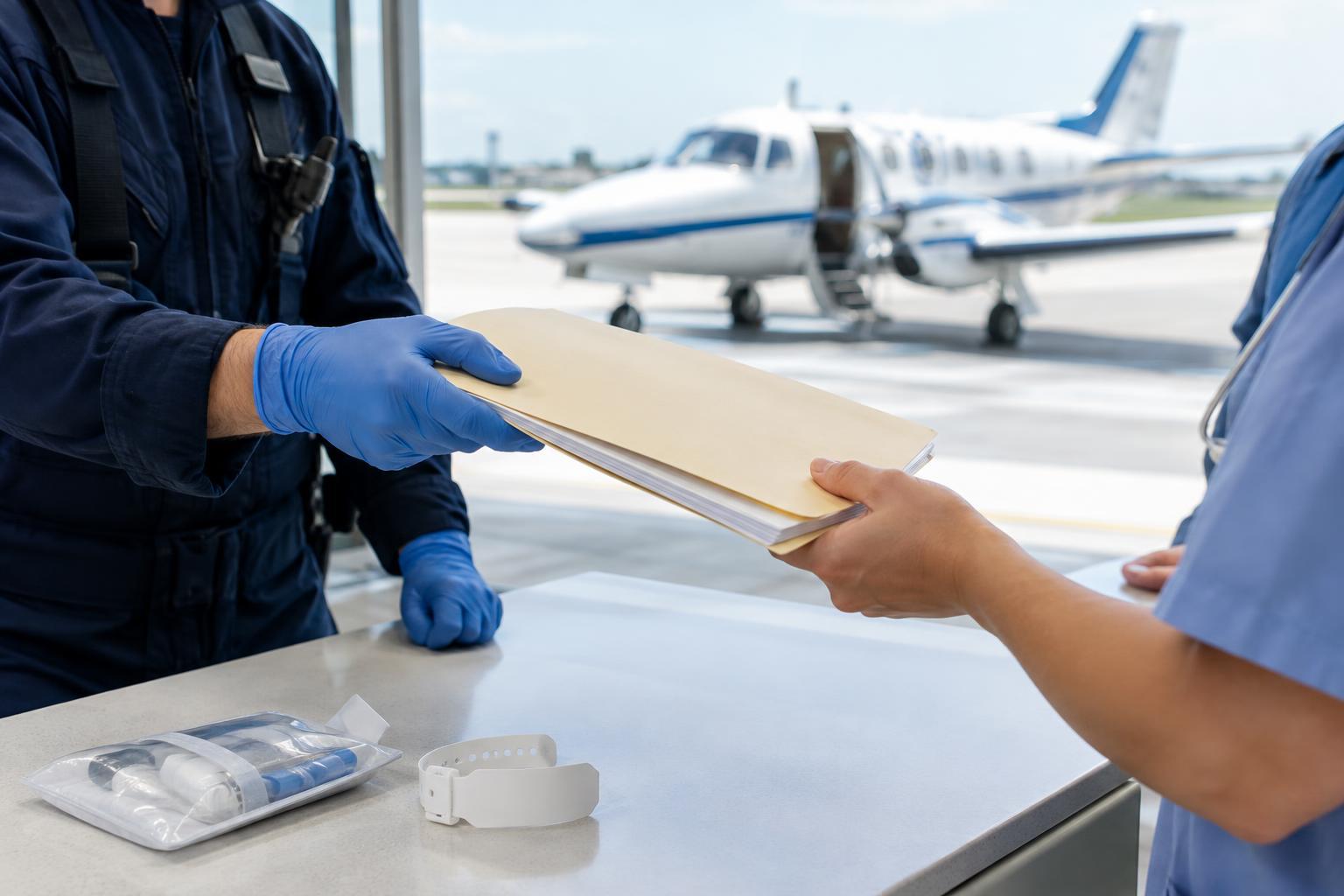
Transport missions can add another layer. Passengers, escorts, cargo or specialized equipment may affect how much time and support the stop requires. In an emergency transport setting, teams may also need to coordinate ground access and preserve continuity between the flying and ground portions of the journey. Those considerations do not replace aviation requirements; they help the team choose among airports that are suitable for the aircraft and flight.
Looking beyond the shortest stop
The quickest refueling location is not always the best choice. Planners weigh the flying time added by a stop against the time expected on the ground. Fuel availability, staffing and the ability to handle an unexpected delay can all affect that comparison. A stop that appears convenient on paper may offer little flexibility if weather deteriorates or ground services become unavailable.
Crews may identify alternatives before departure rather than relying on one airport. The purpose is not to predict every disruption, but to understand what options exist if the original plan no longer makes sense. For example, a change in winds might affect fuel use, while a delay could change when the aircraft reaches a planned stop. Keeping alternatives in view helps the crew make decisions using the conditions they actually encounter.
Coordinating the stop with the wider trip
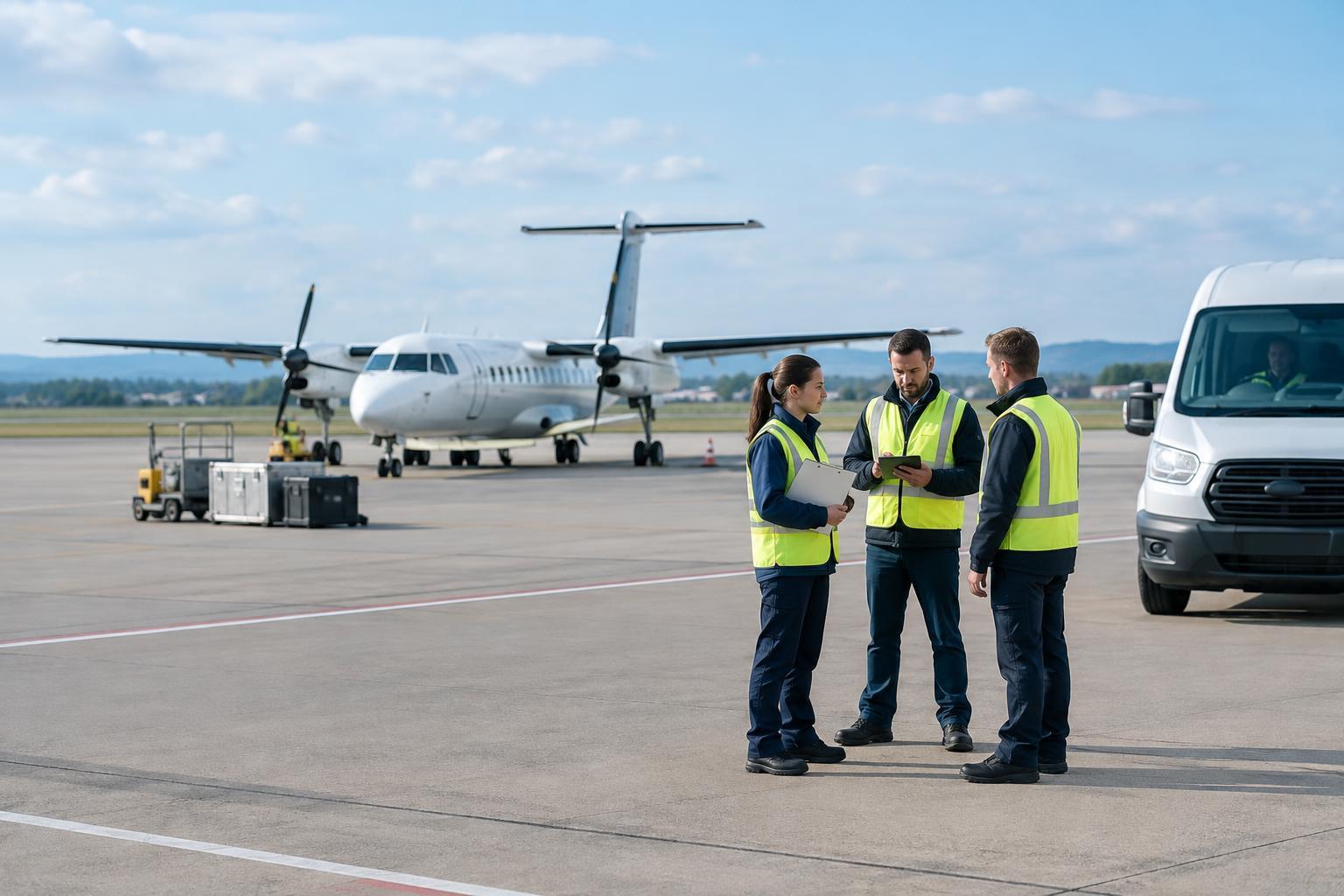
A fuel stop creates a handoff between airborne and ground activity. The flight crew needs a clear picture of the next leg, while ground contacts may need to know the aircraft’s expected arrival, fuel requirements and any support requested. On transport flights involving several organizations, the planned stop can also affect pickup and arrival estimates elsewhere on the route.
Clear communication helps prevent assumptions from becoming problems. A plan should distinguish between services that have been requested and those that have been confirmed. If the stop changes, the revised timing may need to reach people who are not on the aircraft, including those arranging ground transport. The details depend on the mission, but the principle is consistent: a fuel decision can change the schedule for the entire journey.
Keeping the plan adaptable
Planning does not end at departure. Crews monitor the flight as it progresses and compare actual conditions with the assumptions behind the route. Weather, winds, delays and airport availability may all change. If the original stop becomes unsuitable, the crew can assess the available options within the aircraft’s capabilities and the applicable operating procedures.
Good fuel-stop planning is therefore less about finding a single perfect airport than about building a workable route with clear choices. Aircraft performance, required fuel, airport support and transport coordination each answer a different question. Considering them together helps explain why a longer route may include a stop that is not the closest one on the map—and why that stop may change as the trip unfolds.