Teaching a job built around teamwork
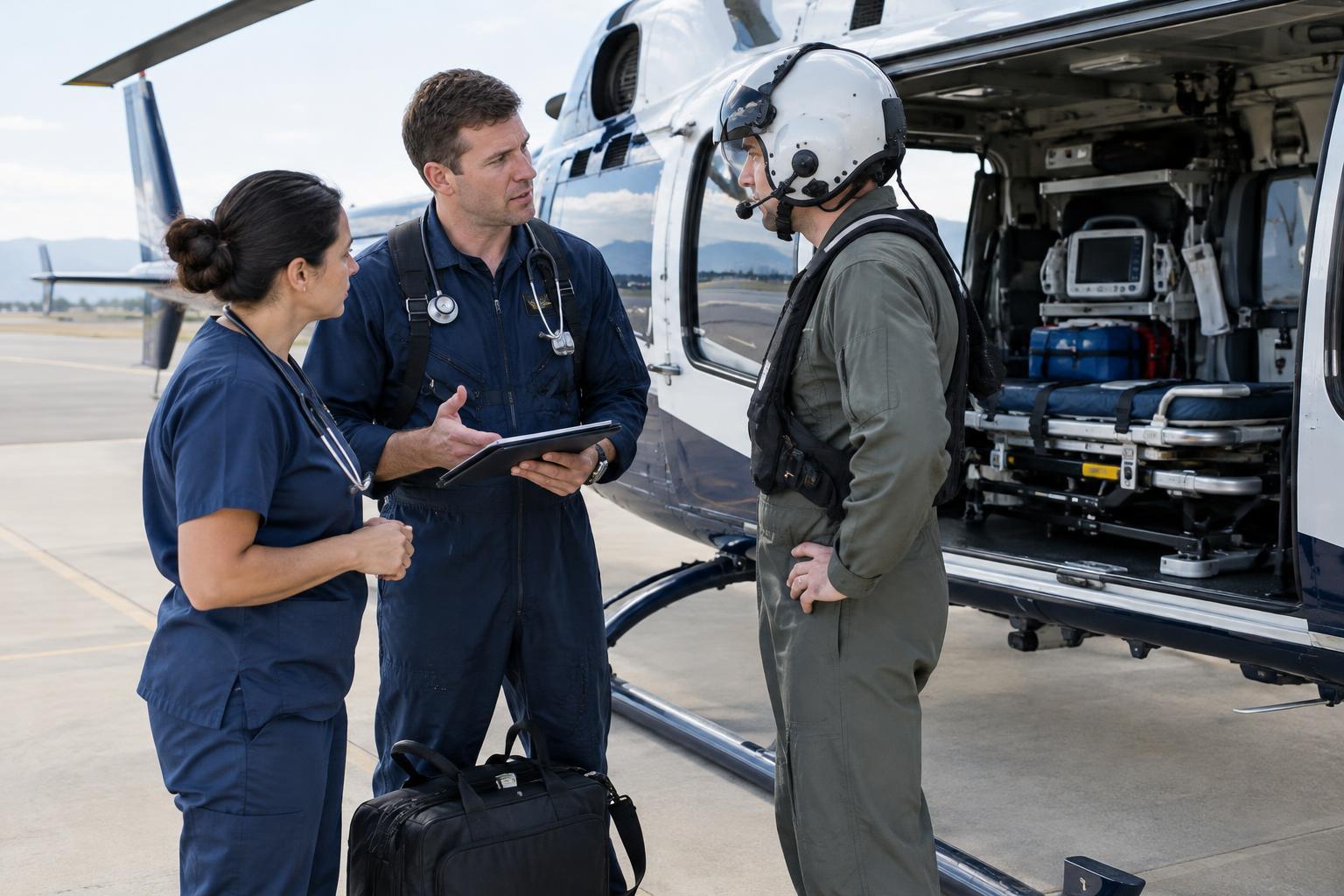
Rescue aviation brings people with different responsibilities into a confined, time-sensitive working environment. Pilots manage the aircraft; other crew members may handle mission equipment, patient care or ground coordination, depending on the operation. A training instructor’s task is not simply to check whether each person knows their own duties. It is also to help the crew work together when information is incomplete, plans change or someone needs to speak up.
Instruction usually starts by making the purpose of an exercise clear. A lesson on communication, for example, might focus on whether a crew member passes along relevant information promptly and confirms that it was understood. A lesson on equipment might distinguish between knowing what a component does and recognizing when to stop and ask for help. Clear goals give trainees something specific to practice and give instructors a fair basis for observation.
Building skills before adding complexity
Instructors can teach a complex task by separating it into manageable parts. A trainee might first learn the names and functions of cabin equipment, then rehearse a routine check, and later apply that knowledge in a scenario with interruptions. The sequence matters: adding pressure too early can make it difficult to tell whether a person needs more basic instruction or more experience managing competing demands.
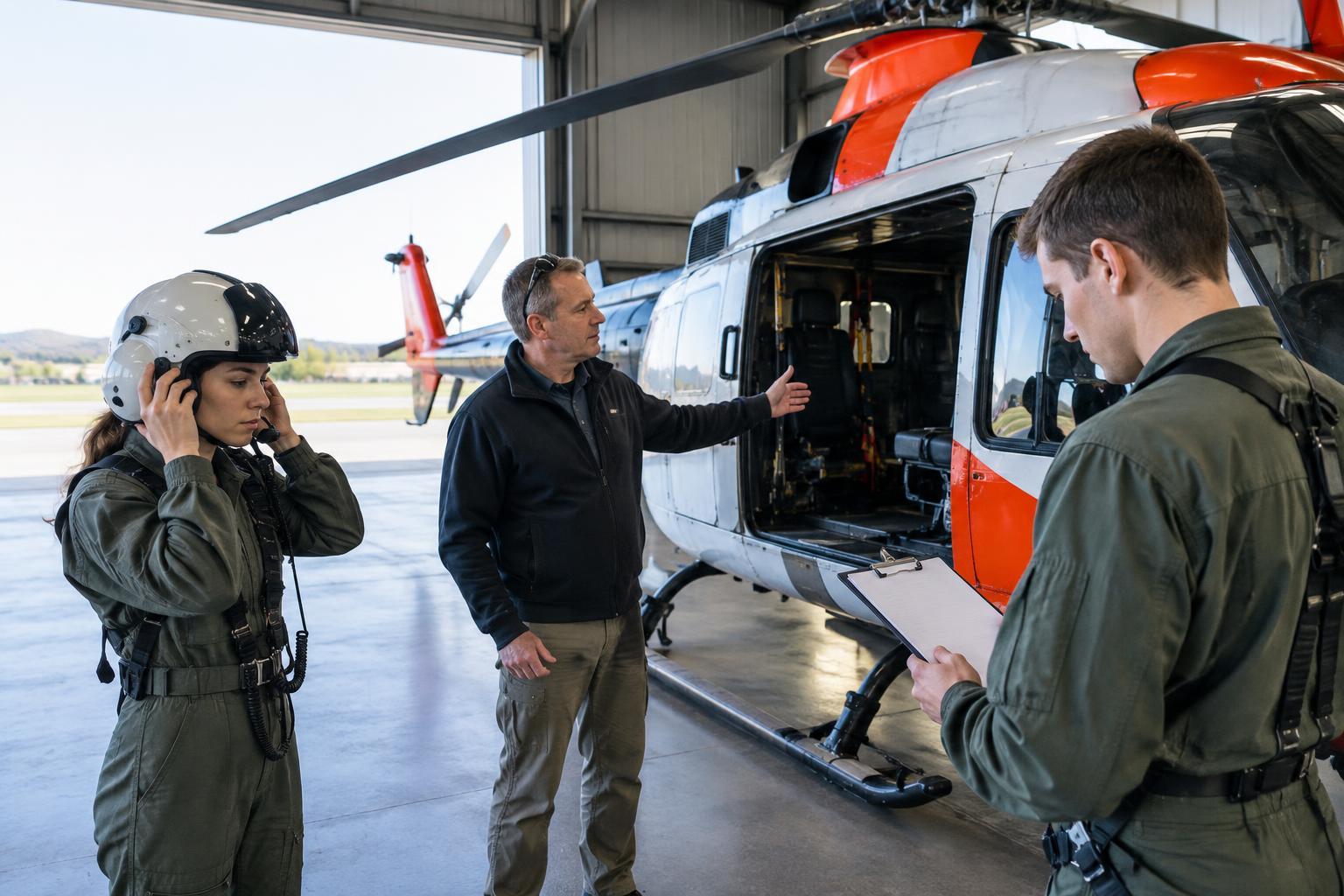
Different teaching settings serve different purposes. A classroom discussion can establish shared terms and explain why a procedure exists. A walk-through at a stationary aircraft can help learners connect those terms to a physical workspace. A simulator or structured scenario can reveal how people communicate and prioritize when several things happen at once. Instructors choose the setting to match the learning goal rather than treating the most dramatic exercise as automatically the most useful.
Effective instruction also makes room for questions. A trainee who understands why a task belongs to a particular role is better placed to recognize a boundary, notice an unusual condition and raise a concern. That understanding is especially valuable in aviation, where a confident guess should not replace an approved procedure or a qualified person’s judgment.
Using scenarios to observe the crew, not just the outcome
A scenario gives instructors a way to observe decisions and interactions that a written test cannot show. It might introduce a change in mission information, a communication misunderstanding or an equipment issue. The instructor can then watch how the crew shares information, assigns responsibilities and adjusts its plan. The goal is not to reward speed for its own sake, but to see whether the crew recognizes what matters and responds within its roles.
A completed task does not always mean the underlying skill is strong. If a crew arrives at a good result despite unclear communication, that uncertainty is worth discussing. Conversely, a trainee may make a sound decision to pause, clarify or decline a task that cannot be completed safely. Instructors look at the reasoning and teamwork behind an outcome, not only the outcome itself.
Realism needs limits. Training should resemble the demands of the work closely enough to be useful without creating unnecessary risk or confusion about who has authority. Instructors can state which details are simulated, define when they will intervene and stop an exercise if its learning value no longer justifies continuing.
Giving feedback that a trainee can use
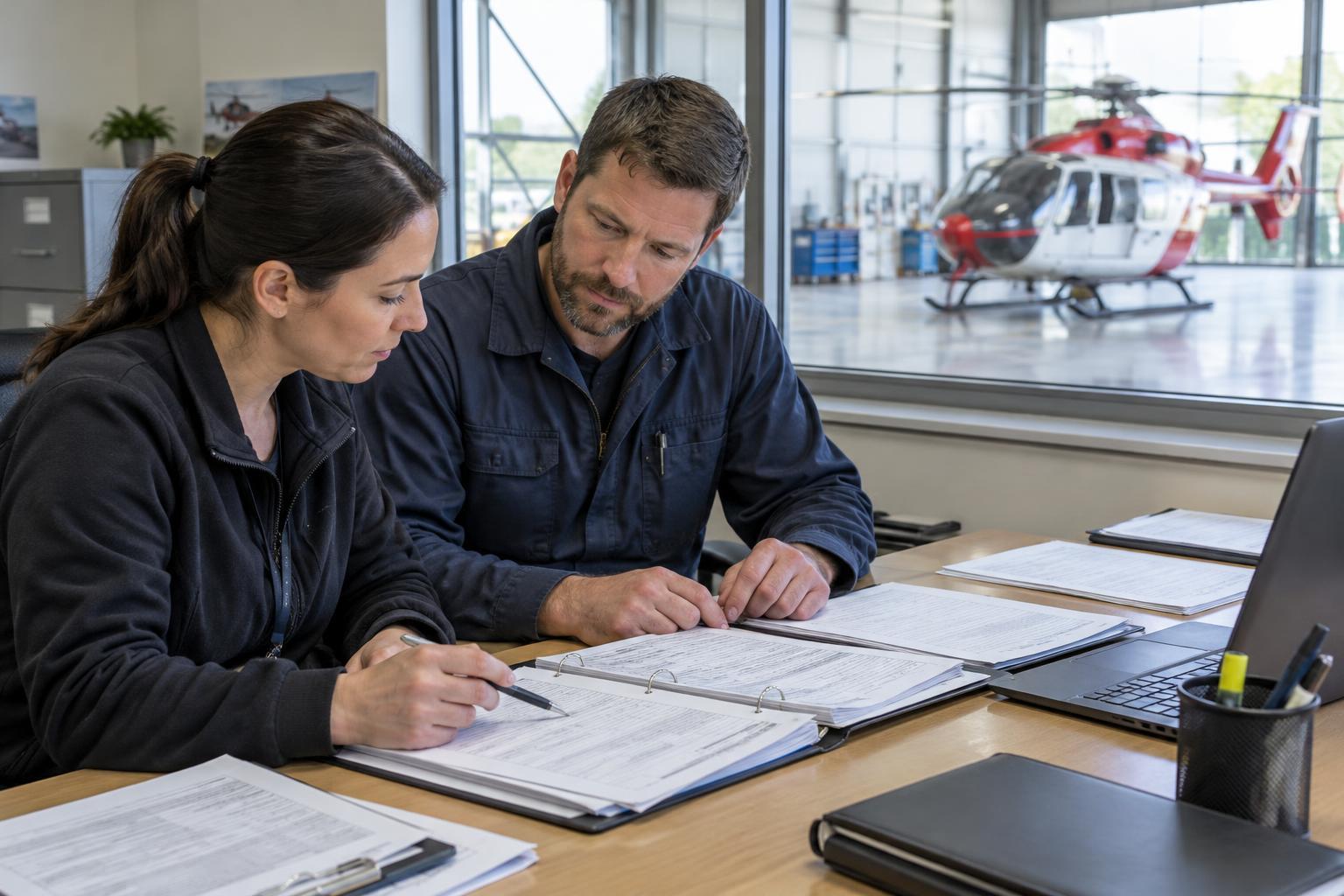
Assessment is most useful when it is tied to observable behavior. Instead of saying that communication was “good” or “poor,” an instructor can identify what was said, what was missed and how that affected the crew’s shared understanding. Specific feedback helps a trainee repeat an effective action or change an ineffective one. It also reduces the chance that an assessment feels like a judgment of personality.
A debrief can begin by asking trainees what they noticed and what they would do differently. The instructor can then compare those reflections with observations from the exercise. This approach may uncover a difference between what someone intended to communicate and what teammates actually understood. It also gives quieter crew members a chance to explain concerns they did not raise during the scenario.
Not every gap needs the same remedy. Missing knowledge may call for review and another demonstration. A coordination problem may call for a fresh scenario in which the crew practices exchanging information. An instructor’s assessment should identify the next useful step, while formal qualification decisions remain subject to the organization’s applicable standards and processes.
Developing the instructor’s judgment
Crew training instructors need more than subject knowledge. They must explain clearly, notice behavior under workload and separate a one-time mistake from a pattern that needs attention. They also need to keep their own experience from becoming the only model for success. Where approved procedures allow more than one reasonable approach, assessment should focus on the required standard and the quality of the crew’s decisions.
For someone considering this career path, the appeal often lies in helping others grow while continuing to learn. Instructors can improve their teaching by reviewing their scenarios, comparing observations with other qualified instructors and asking whether feedback led to better performance in later practice. Rescue aviation training is an ongoing process: its value comes from making skills visible, discussing them honestly and giving crews repeated opportunities to improve.