1. A request establishes the need
An air transport mission usually begins with a request, not with an aircraft taking off. Depending on the situation, the request may come through an emergency response network, a hospital or another authorized coordinating organization. The first task is to understand what movement is being requested: where the person or team is, where they need to go, how time-sensitive the trip may be and what support is expected during transport.
Those details help coordinators decide whether air transport is appropriate and feasible. They may need to clarify the pickup location, the destination’s ability to receive the arrival and any ground travel required at either end. A request does not automatically become a flight. Aircraft availability, crew readiness, weather, landing options and the needs of the person being transported can all affect whether the mission proceeds. The people responsible for clinical decisions and flight decisions have distinct roles; neither can safely be replaced by an assumption that flying will always be faster or better.
2. Planning connects the flight to the wider journey
Once a mission is considered possible, planning turns a destination into a workable route. The aviation crew assesses conditions relevant to the aircraft and proposed flight, while coordinators confirm practical details such as access to the pickup point, communication contacts and arrangements at the destination. The exact process varies with the aircraft, operating environment and type of mission.
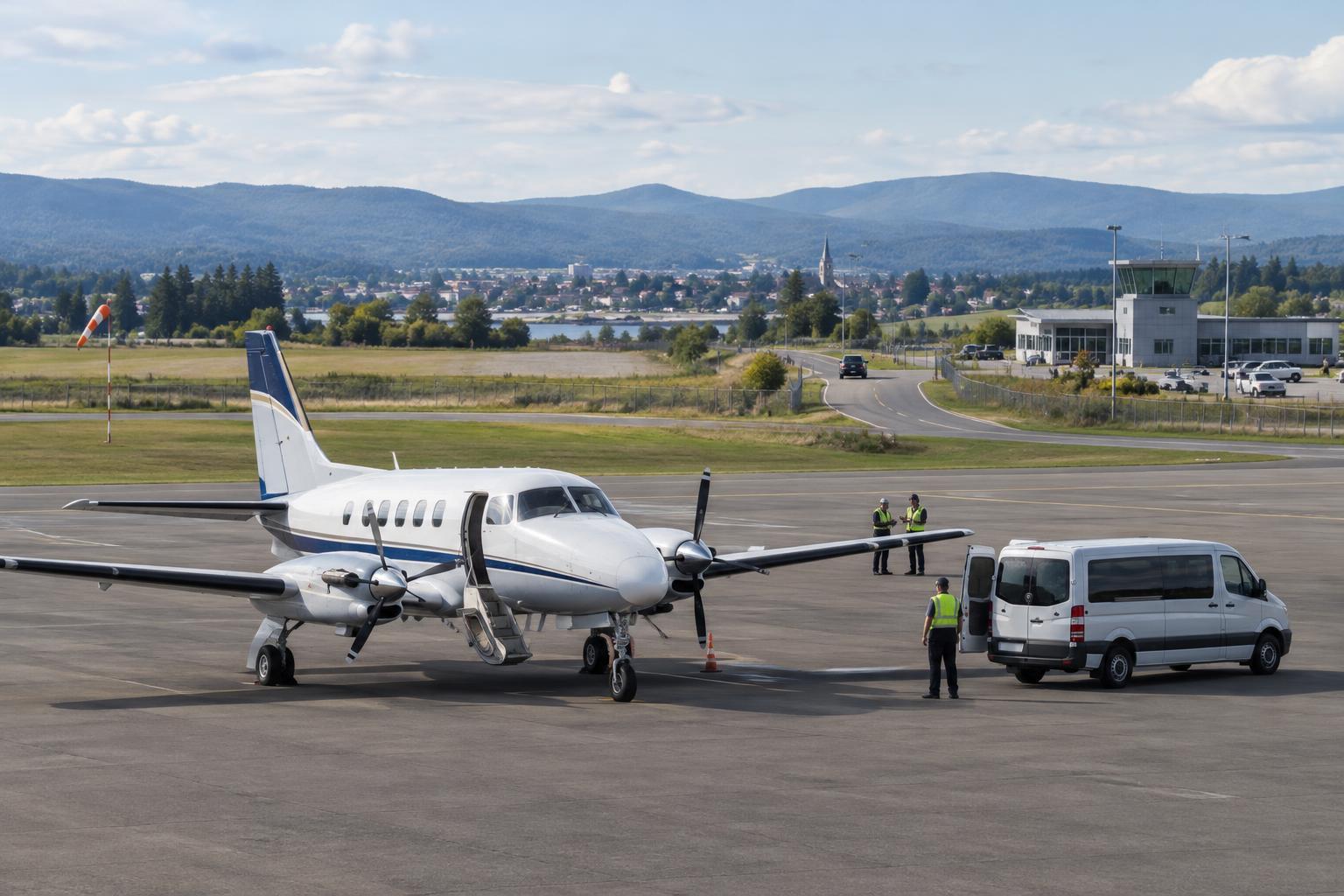
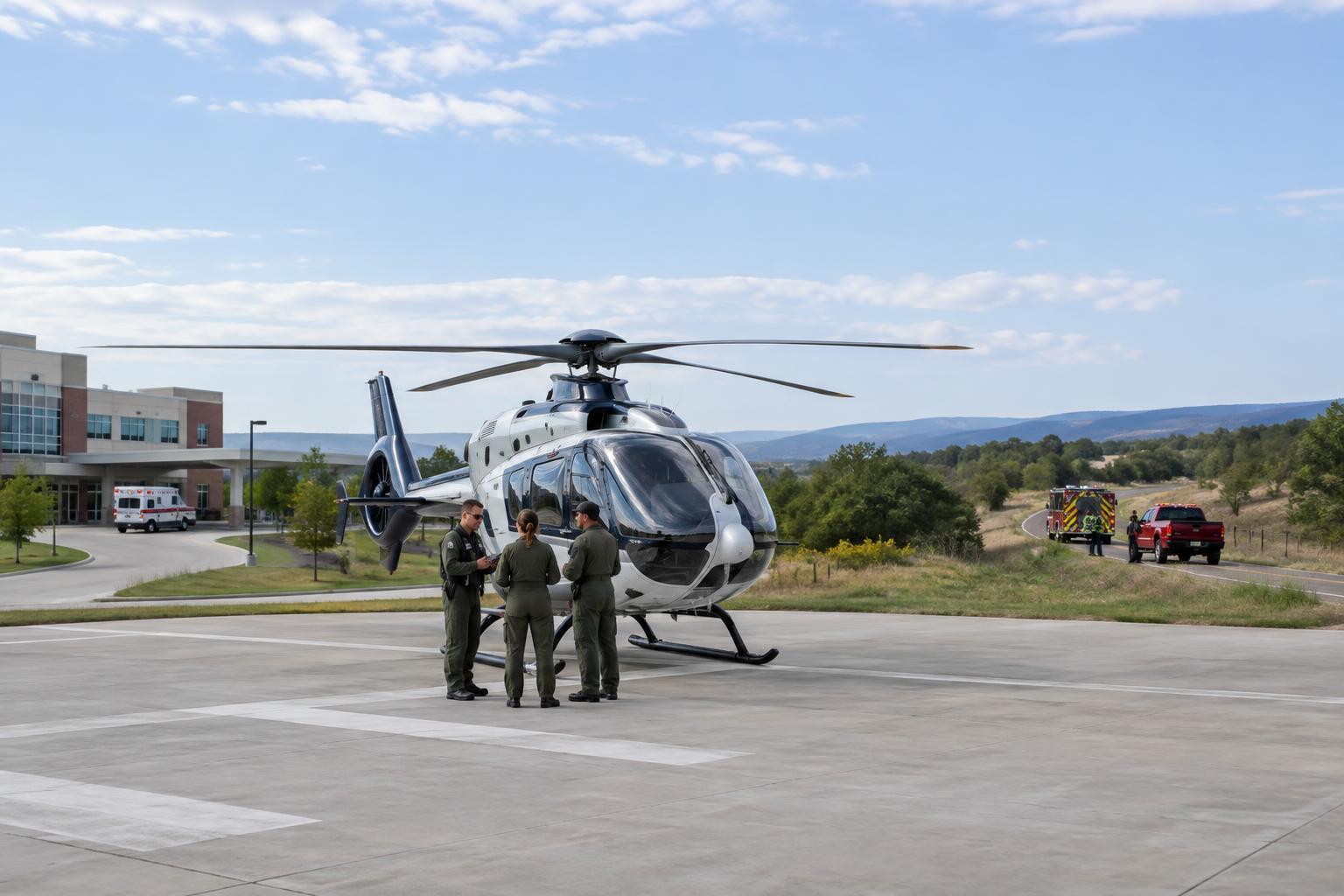
Ground connections are especially easy to overlook. A helicopter may be able to reach a suitable landing area but still require a vehicle to move someone between that area and a building. A fixed-wing aircraft generally uses airports, making transfers between facilities and airports part of the overall timeline. These steps need people, vehicles and clear meeting points. Planning them early reduces the risk of an aircraft arriving before the next part of the journey is ready.
3. Preparation makes the pickup orderly
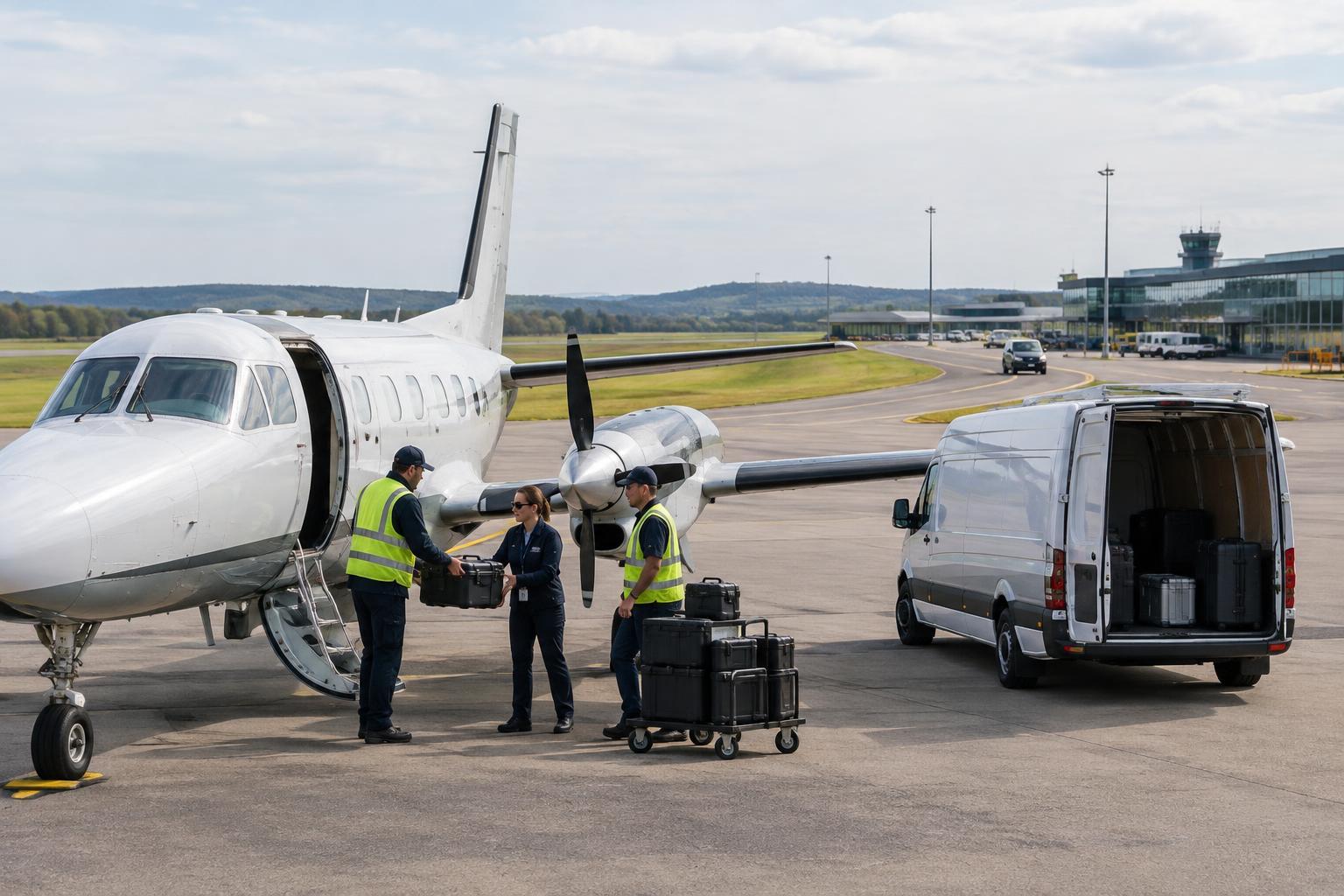
Before departure or pickup, the participating teams prepare for a coordinated handoff. At the origin, personnel identify the person or items to be transported, gather the information needed by the receiving team and confirm who is responsible for each part of the transfer. Equipment and baggage must also be accounted for within the aircraft’s limits. These checks may seem routine, but they help prevent last-minute confusion at a busy scene, facility or airport.
Communication should be specific enough that each group knows where to meet, who to contact and what changes to report. For example, a change in pickup location can affect ground access, timing and flight planning. The flight crew retains responsibility for aviation decisions, including whether conditions remain acceptable for departure. Other teams contribute information from their areas of responsibility. A shared plan works best when everyone understands both their task and the point at which responsibility passes to someone else.
4. The route stays connected to people on the ground
Departure is a major milestone, but the coordination work continues in the air. Crews and coordinators may exchange updates about estimated arrival, destination access or changes that could affect the handoff. The receiving location needs enough notice to prepare, while any ground transport should be positioned for the expected arrival without relying on a time estimate as a guarantee.
Plans can change after launch. Weather, traffic, operational limitations or a change in the destination’s readiness may require a revised route or arrangement. When that happens, timely updates matter more than preserving the original schedule. The aim is to keep the aircraft, ground teams and receiving location working from the same plan. Clear communication also helps avoid a common logistical problem: one team believing a transfer is ready while another is still waiting for essential information or access.
5. Arrival is a handoff, not just a landing
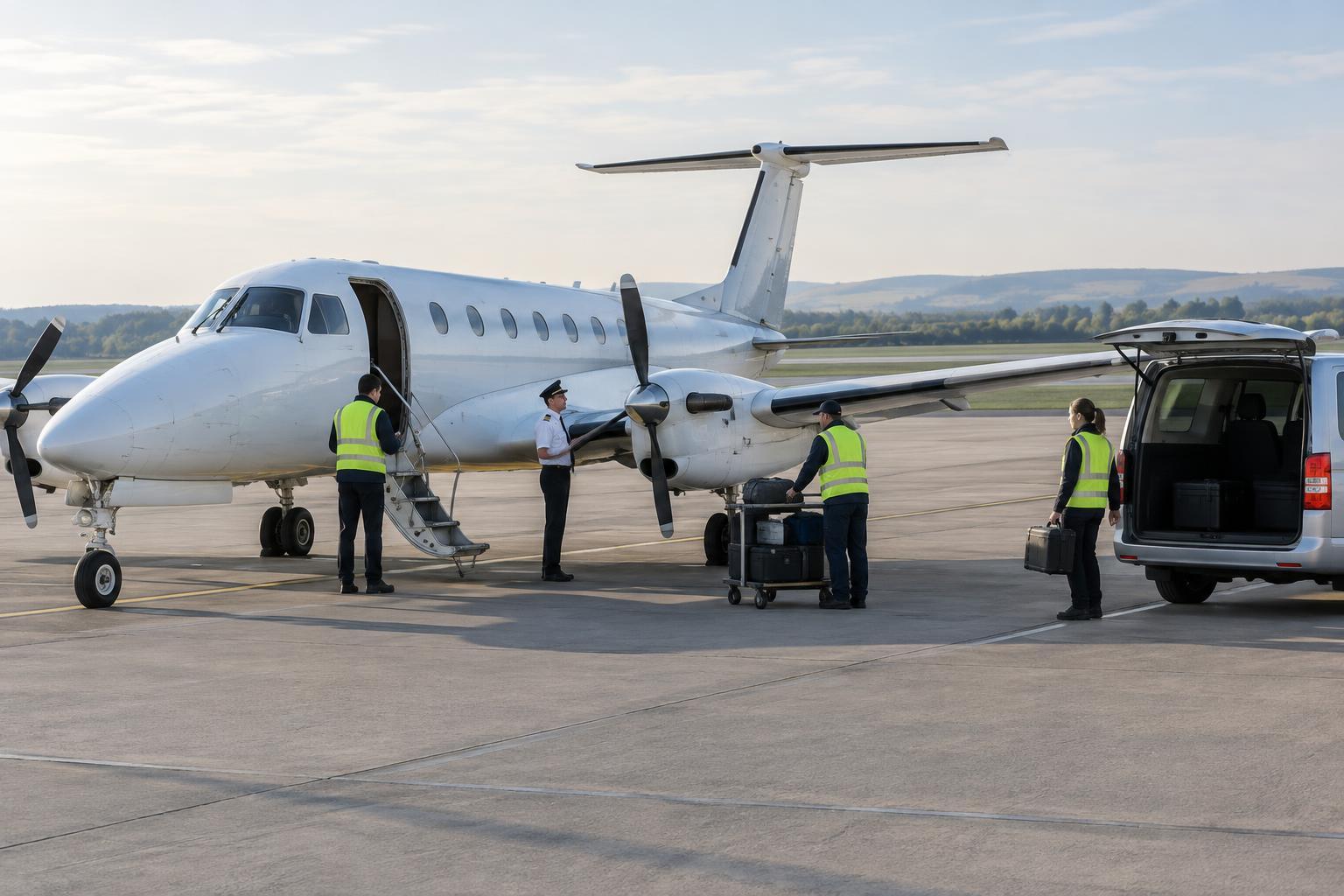
The mission’s arrival stage includes more than touching down. After landing, the crew and ground personnel coordinate a safe transfer from the aircraft to the next vehicle or receiving location. Relevant information passes to the people taking over, and teams confirm that necessary belongings, documents and equipment follow the correct route. The precise handoff depends on whether the trip ends at an airport, a landing area or a destination with direct aircraft access.
For the transporting crew, there may also be post-mission tasks: checking equipment, recording operational details and preparing the aircraft for future availability. Seen end to end, an air transport mission is a chain of decisions and handoffs rather than a single fast flight. The chain works when each participant understands what must be ready before the next stage can begin—and communicates promptly when that changes.