What a flight paramedic does
A flight paramedic is a clinician who helps care for patients during transport by aircraft. The role can involve responding to a scene, transferring a patient between facilities or supporting another type of transport mission. Duties vary by employer, aircraft, crew composition and local rules, so no single job description covers every position.
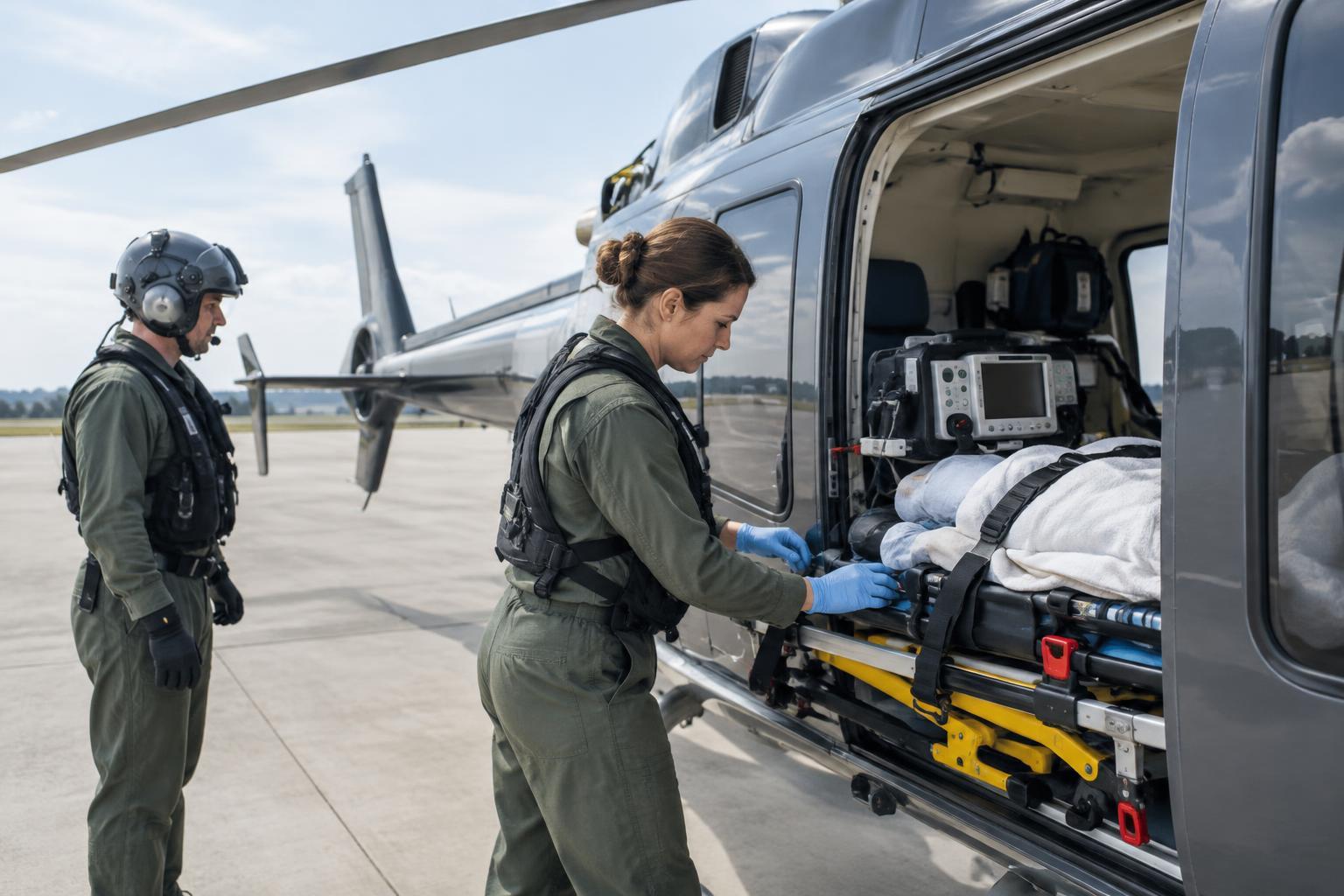
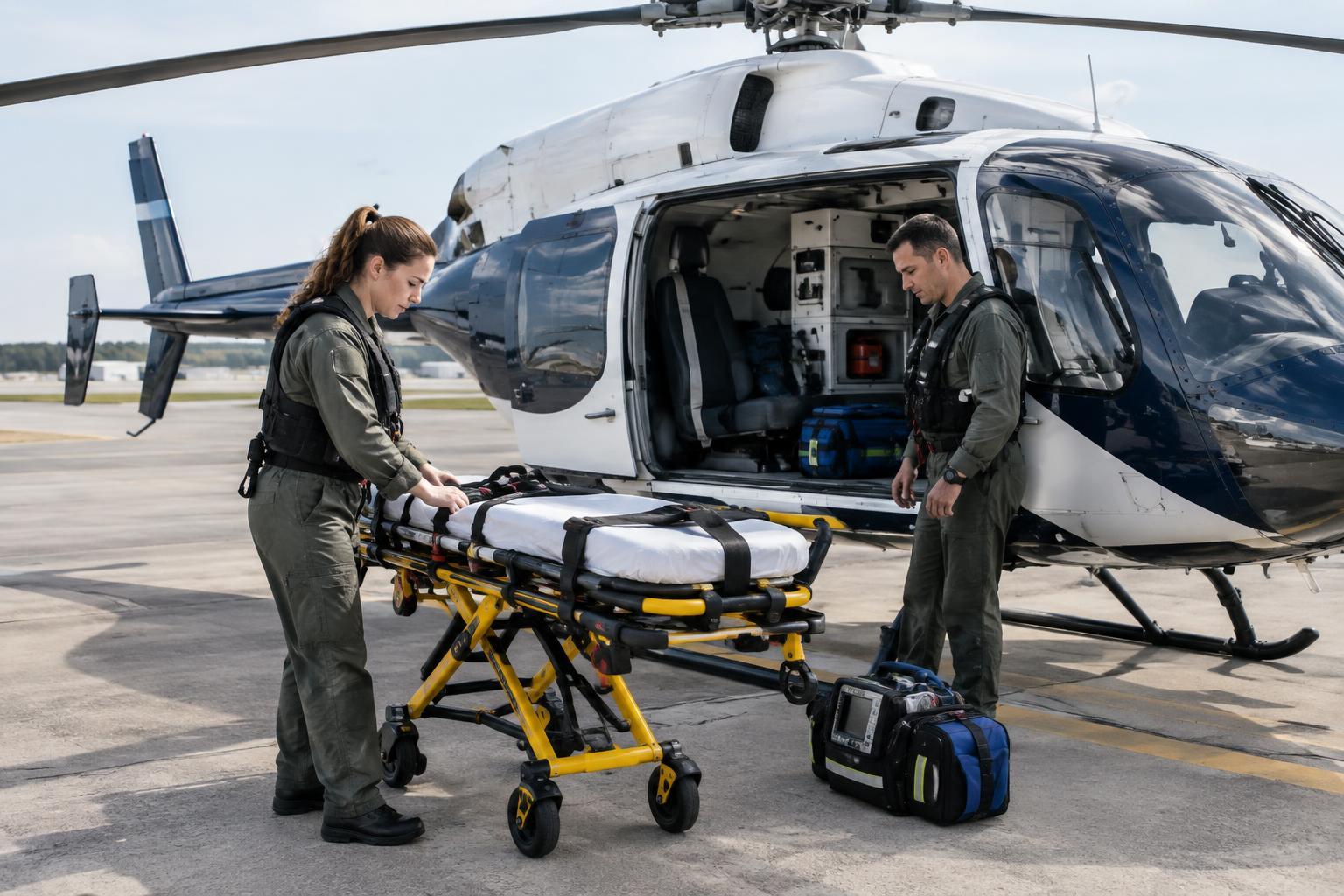
Before a flight, the paramedic may review the patient’s condition, help prepare equipment and work with the crew to plan for care in a confined cabin. During transport, the clinical team monitors the patient, performs permitted interventions and communicates important changes. Afterward, the work continues through patient handoff, documentation, equipment checks and restocking. These tasks make the role more than a set of procedures performed in the air: it is a continuous process of preparation, care and communication.
Building a foundation before applying
The starting point is usually a solid background in ground-based emergency care. Experience with varied patients and situations can help a prospective flight paramedic develop assessment skills, prioritization and confidence when plans change. Applicants may also benefit from exposure to interfacility transfers, where understanding the reason for transport and maintaining continuity of care are central concerns.
Licensure, certifications, experience requirements and hiring standards differ across jurisdictions and programs. Rather than treating one checklist as universal, candidates should review the requirements of employers and licensing authorities in the places where they hope to work. Continuing education can help strengthen knowledge of critical care concepts, transport equipment and the limits of one’s authorized scope of practice. Just as important is the ability to recognize when to ask for help or clarify an order.
Preparing for the role also means practicing clear communication. A concise handoff, an accurate equipment report and a calm explanation of a concern all contribute to safe teamwork. Candidates can look for opportunities in their current roles to improve these habits without needing to be on an aircraft.
How the aircraft shapes the work
An aircraft cabin changes how familiar care tasks are carried out. Space may be limited, noise can make speech difficult and equipment must be secured for flight. Access to a patient may differ from what a clinician is used to in an ambulance or hospital room. These constraints reward careful preparation: the team needs to know what supplies are available, where they are stored and what might be difficult to reach once transport begins.
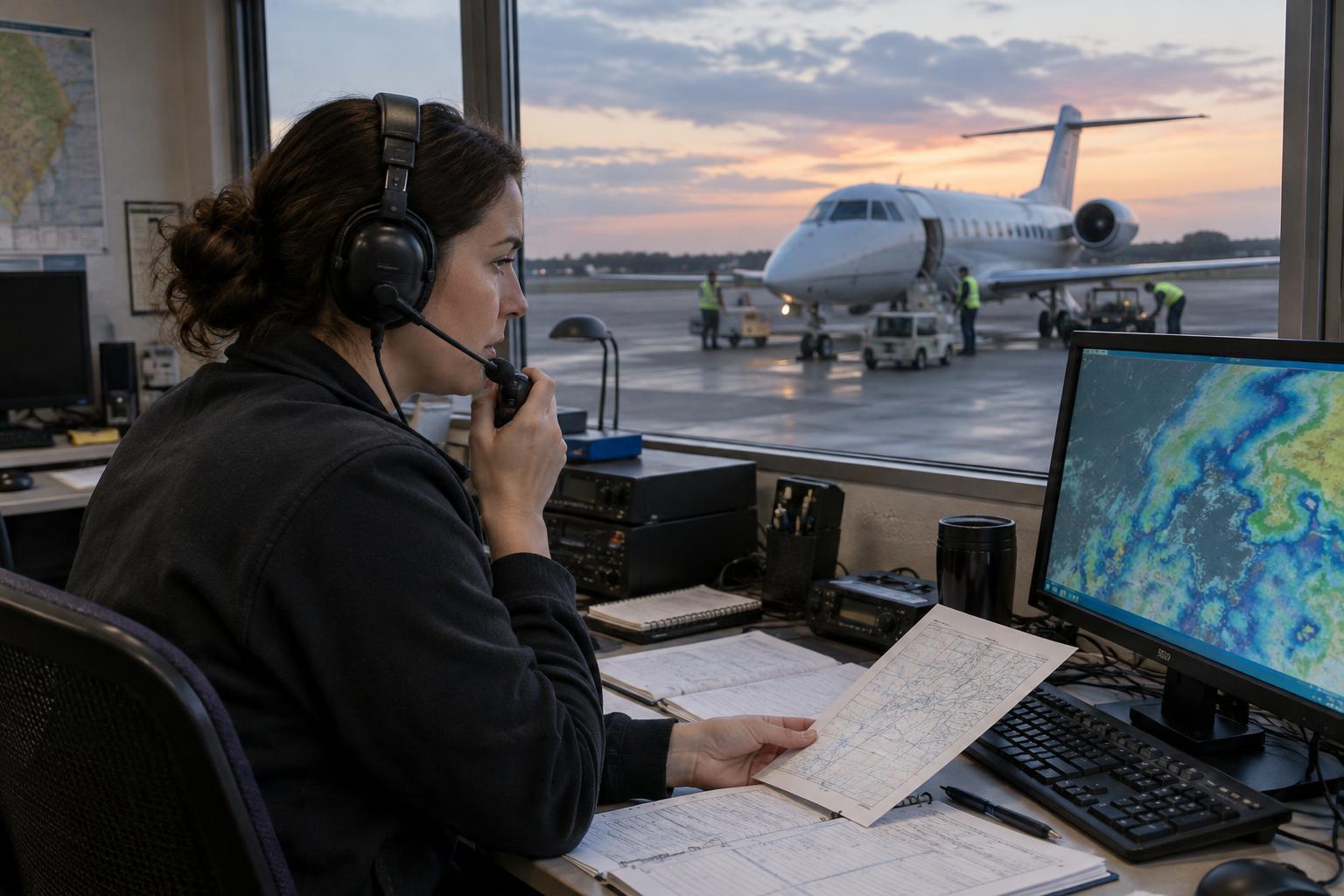
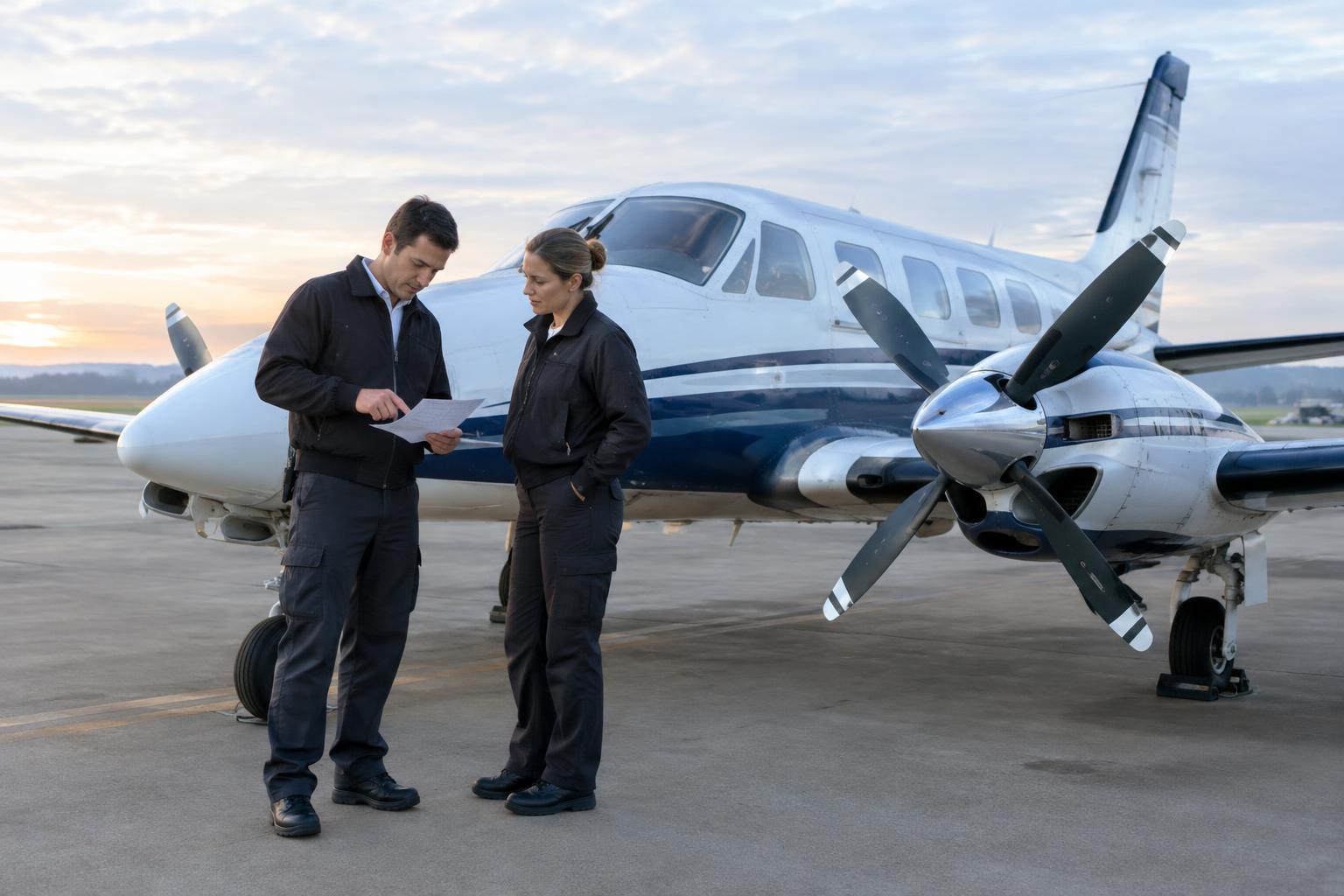
Flight paramedics are part of an aviation operation, but their clinical responsibilities do not make them the pilot. Pilots make aviation decisions within their own responsibilities, while medical crew members contribute information about patient needs and cabin readiness. A strong crew communicates across those roles without blurring them. A patient’s urgency, for example, does not remove the need to respect weather limits, aircraft capabilities or the crew’s safety procedures.
Clinical judgment within a team
The scope of a flight paramedic’s practice depends on applicable rules, training, employer policies and the structure of the medical team. Some crews pair a paramedic with a nurse; other staffing models differ. The specific equipment and interventions available can also vary. For someone exploring the career, it is more useful to ask how a particular program assigns responsibilities than to assume that every flight paramedic performs the same tasks.
Good judgment includes knowing when a change in a patient’s condition needs immediate attention, when information should be repeated to confirm understanding and when a task should be shared. Team members may use briefings and checklists to establish a common picture before departure. During transport, they must balance patient care with awareness of the cabin environment and the next handoff. The aim is not to work independently at all costs, but to make each person’s expertise useful to the team.
Deciding whether the career fits
Prospective applicants can learn a great deal by examining the ordinary demands of a position, not only its most dramatic missions. Questions worth asking include what types of transports a program handles, how new crew members are trained, how competencies are maintained and how clinical and aviation concerns are communicated. It is also reasonable to ask about schedules, travel expectations, physical demands and support after difficult calls.
Flight paramedic work may appeal to people who enjoy complex coordination as well as direct patient care. The preparation is an ongoing process: building clinical experience, learning transport systems, accepting feedback and staying within the boundaries of the role. Understanding those everyday responsibilities gives a clearer picture of the career than the aircraft alone.