What a flight nurse does
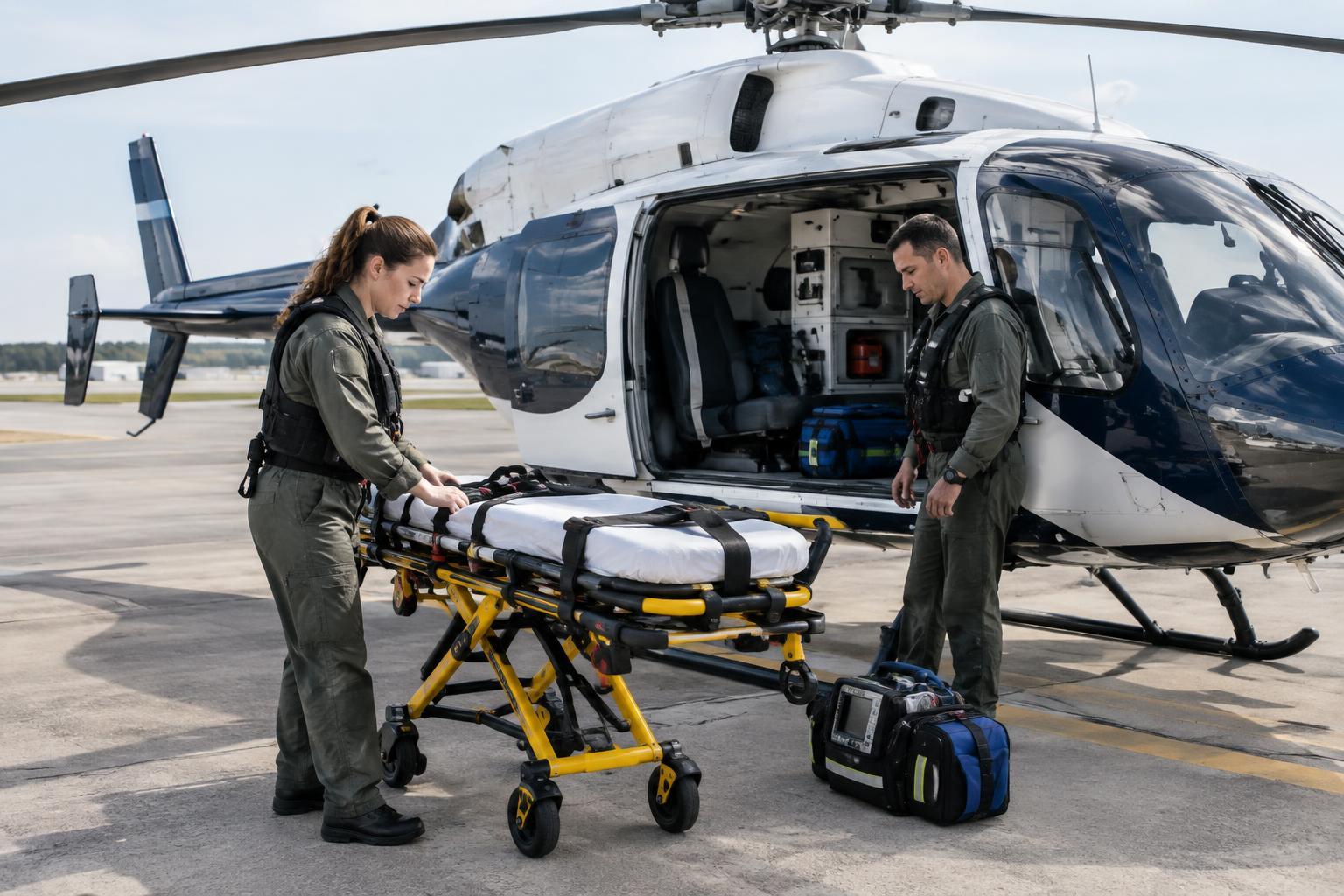
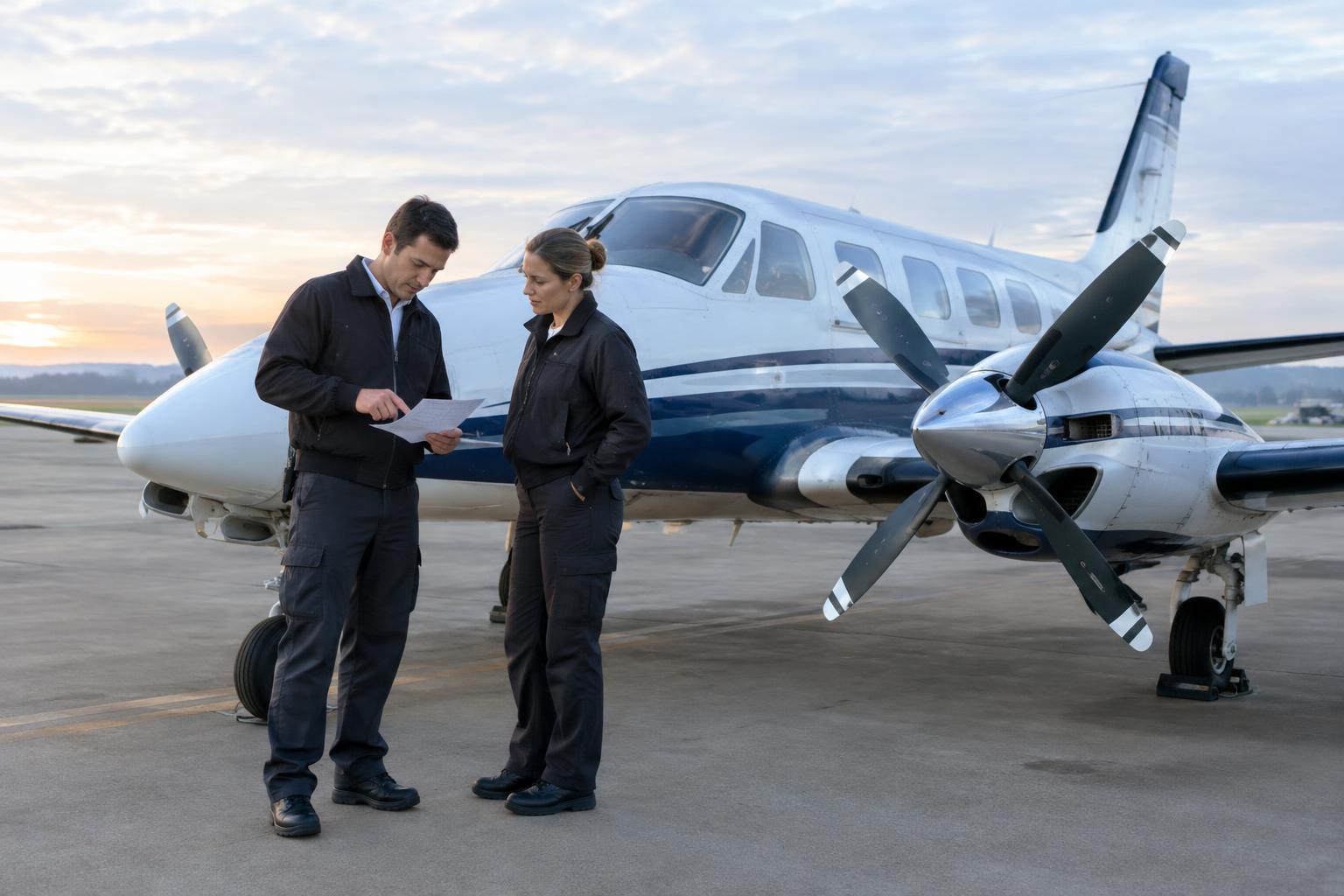
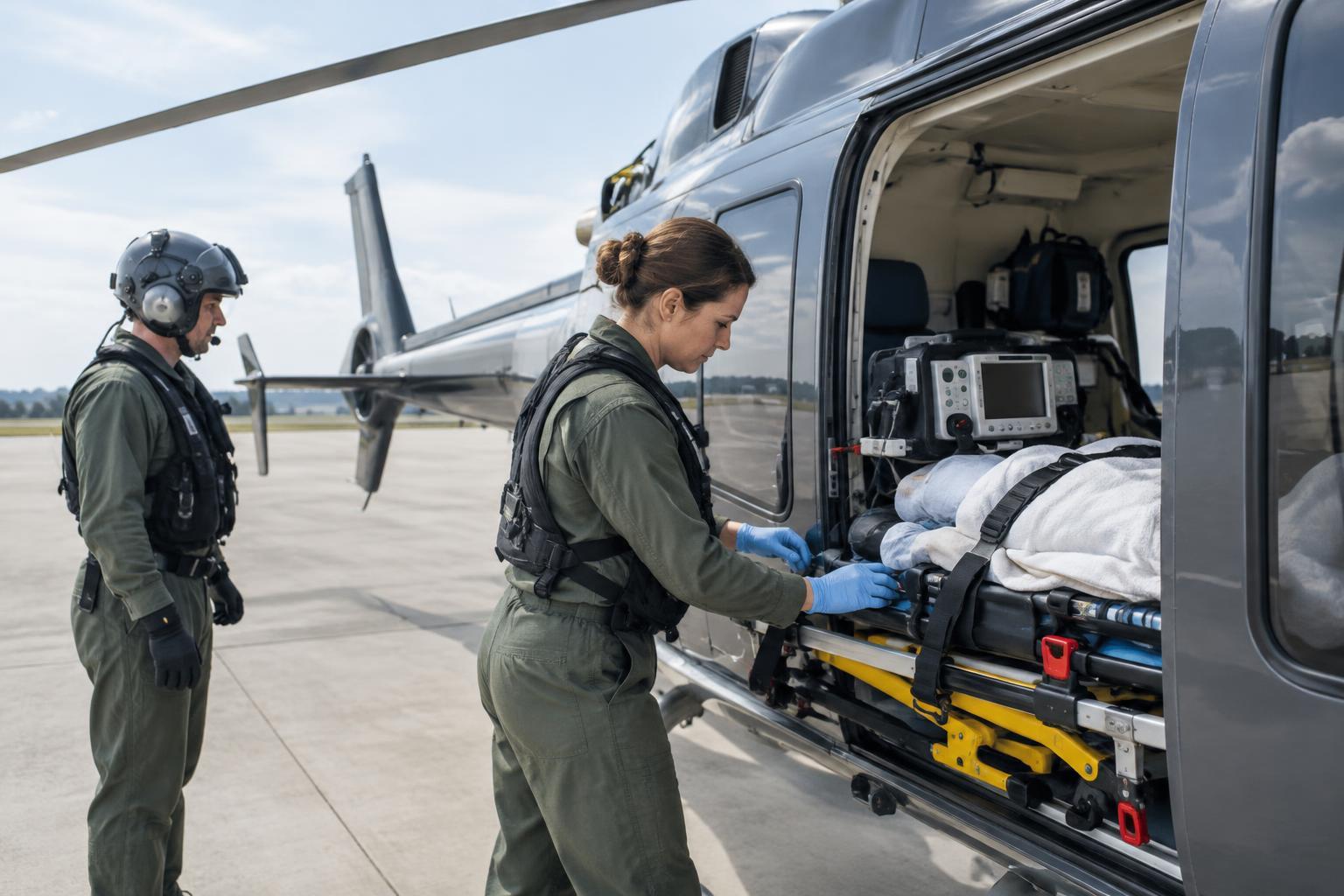
A flight nurse cares for patients during transport by helicopter or fixed-wing aircraft. The role brings clinical care into a setting shaped by limited space, aircraft noise, changing conditions and the need to coordinate with people at both ends of a journey. Flight nurses may work alongside a paramedic, another nurse or other clinicians, depending on the transport program and mission.
Responsibilities begin before the aircraft moves. The crew reviews the available patient information, prepares equipment and discusses a plan for the trip. During transport, the nurse monitors the patient, provides care within their training and the program’s protocols, and communicates changes to the team. After arrival, a clear handoff helps the receiving team understand what happened during the journey. The exact duties vary by employer, aircraft and type of transport.
Why clinical experience matters
Flight nursing is usually a role for nurses who have already developed substantial experience caring for seriously ill or injured patients. Emergency departments and intensive care units are common backgrounds because they offer practice with urgent assessment, close monitoring and rapidly changing situations. Other relevant experience may also be valued, particularly when it matches the patients a transport program serves.
Experience matters for more than technical skill. A transport crew must often make sense of incomplete information, recognize when a patient’s condition is changing and communicate priorities without the full resources of a hospital unit immediately at hand. Strong candidates can explain not only what they did in previous roles, but how they assessed a situation, worked with others and adjusted a plan when circumstances changed. Hiring requirements differ, so prospective applicants should check individual job descriptions rather than assume one clinical pathway fits every program.
Training and preparation for the transport setting
A flight nurse starts with nursing education and licensure, then builds the clinical background expected by a prospective employer. Programs may also ask for particular certifications or provide their own orientation and continuing training. Requirements can differ across locations and between helicopter and fixed-wing operations. Reviewing several job postings can help an interested nurse identify which qualifications are commonly requested in the area where they hope to work.
Transport-specific preparation extends beyond patient care. Crew members learn how to work around an aircraft, secure people and equipment, communicate in a noisy cabin and follow procedures set by the aviation operator. They also need to understand how flight conditions can affect the practical delivery of care. These topics are taught through an employer’s training process and recurrent practice; hospital experience alone does not replace them.
For someone exploring the career, a useful first step is to strengthen assessment, teamwork and communication skills in a demanding clinical role. It is also worth learning how local transport programs are structured and what kinds of patients they typically carry. That research can guide professional development without treating any single certificate or past assignment as a guaranteed route into a flight position.
Working as part of an aviation team
Flight nurses are members of a transport crew, not independent decision-makers about every part of a mission. Pilots are responsible for operating the aircraft, while clinicians focus on patient care within their roles. Dispatchers, referring facilities and receiving teams may all contribute information. Good coordination depends on each person knowing what they are responsible for and speaking up when information changes.
Before transport, crew members may discuss the patient’s needs, available space and equipment, and how they will communicate during flight. Simple, direct updates matter when noise or workload makes conversation difficult. A nurse may need to state a concern clearly, confirm that a message was understood and document important events for the handoff. Respect for aviation procedures is equally important: a clinical need does not remove the obligation to follow the operator’s safety rules.
Is the career a good fit?
The appeal of flight nursing often lies in combining advanced bedside skills with close teamwork and a changing work environment. The same features can make the job demanding. Crews may face irregular schedules, confined workspaces and cases that require sustained attention under pressure. Not every shift involves dramatic intervention; preparation, equipment checks, communication and documentation are also routine parts of the work.
A prospective flight nurse can assess fit by considering both clinical readiness and comfort with the transport environment. Are you able to explain decisions calmly, accept feedback and work within a tightly coordinated crew? Are you interested in learning aviation-related procedures as carefully as clinical ones? Talking with people in transport roles and comparing employer requirements can make the path clearer. The strongest preparation is a solid clinical foundation paired with a willingness to keep learning.