What the role involves
A fixed-wing medical transport pilot flies an airplane used to move a patient between locations. Unlike a helicopter, a fixed-wing aircraft generally needs suitable airports at both ends of a trip. Ground transport may connect those airports with the sending and receiving facilities. The pilot’s primary responsibility is the safe operation of the aircraft, while medical professionals manage the patient’s care.
The job combines familiar aviation duties with the demands of a transport mission. A flight may involve changing weather, unfamiliar airports, tight coordination with ground teams and a cabin arranged for medical equipment. A patient’s need to travel can make a trip feel urgent, but it does not remove the need for sound decisions about weather, fuel, aircraft condition and crew readiness. Pilots must be able to explain a delay or a decision not to fly clearly and professionally.
Qualifications and experience
Requirements depend on the country, regulator, aircraft and operator. A pilot typically needs the licenses or certificates appropriate to the type of commercial flying involved, along with an instrument qualification for operations that require it. A multi-engine qualification may be necessary if the aircraft has more than one engine. Operators may also require a specified level of flight experience, a current aviation medical certificate and training for a particular aircraft type.
Meeting minimum credentials is only part of being prepared for the work. Experience with instrument procedures, cross-country planning and varied weather can help a pilot handle the routes these missions may require. Training and evaluation continue after hiring: pilots may practice normal and abnormal procedures, review operating policies and complete recurring checks. Anyone exploring the career should compare the requirements of specific employers and aviation authorities rather than assume there is one universal path into medical transport flying.
A working day before takeoff
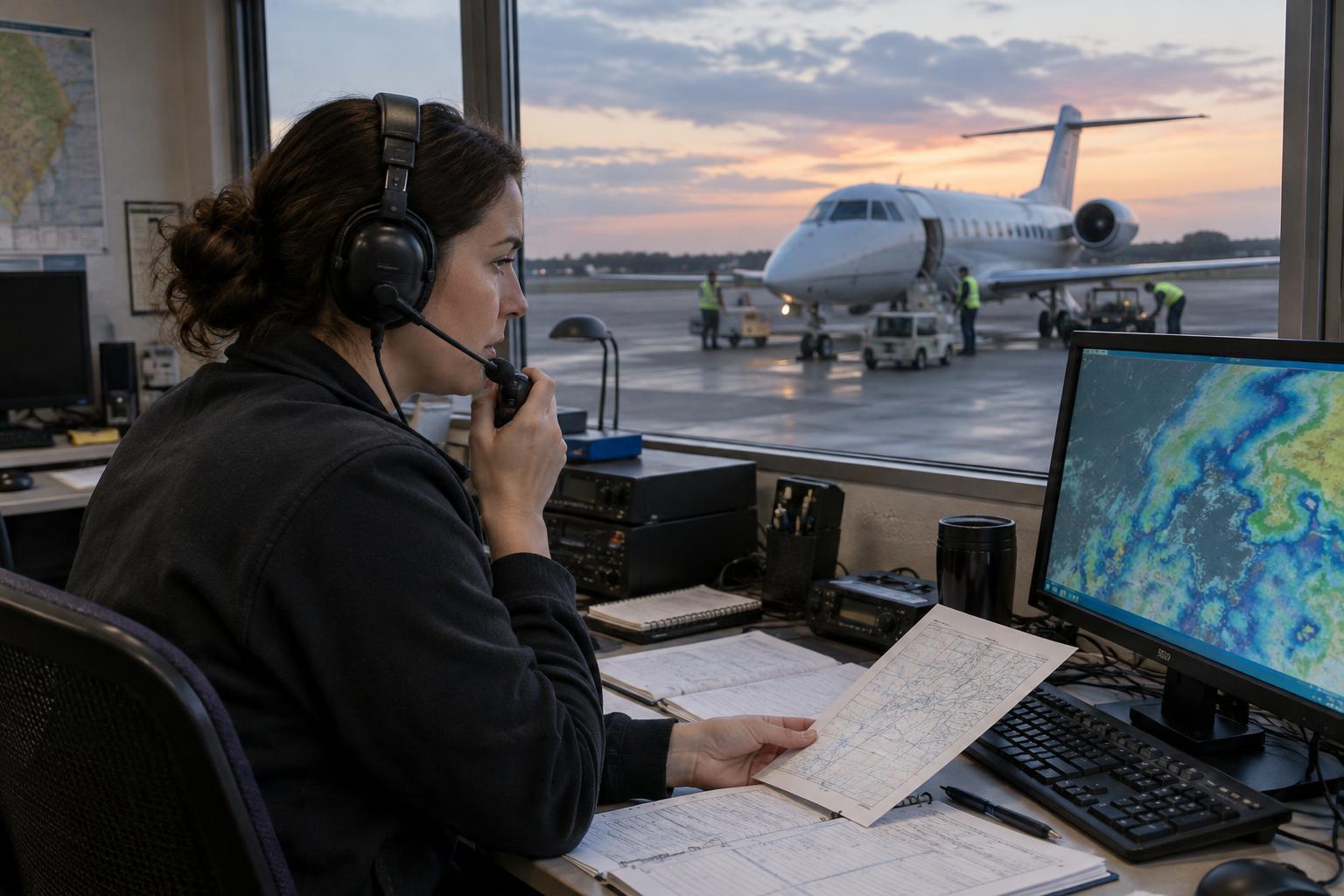
A pilot’s day may begin with a proposed trip rather than a fixed passenger schedule. Before accepting a flight, the pilot reviews the route, forecast conditions, airport information, aircraft performance and fuel needs. They also consider whether the aircraft is available and whether the crew can complete the mission within applicable duty and rest limits. Dispatchers or operations staff may help assemble information, but the pilot must understand the plan and their own responsibilities for the flight.
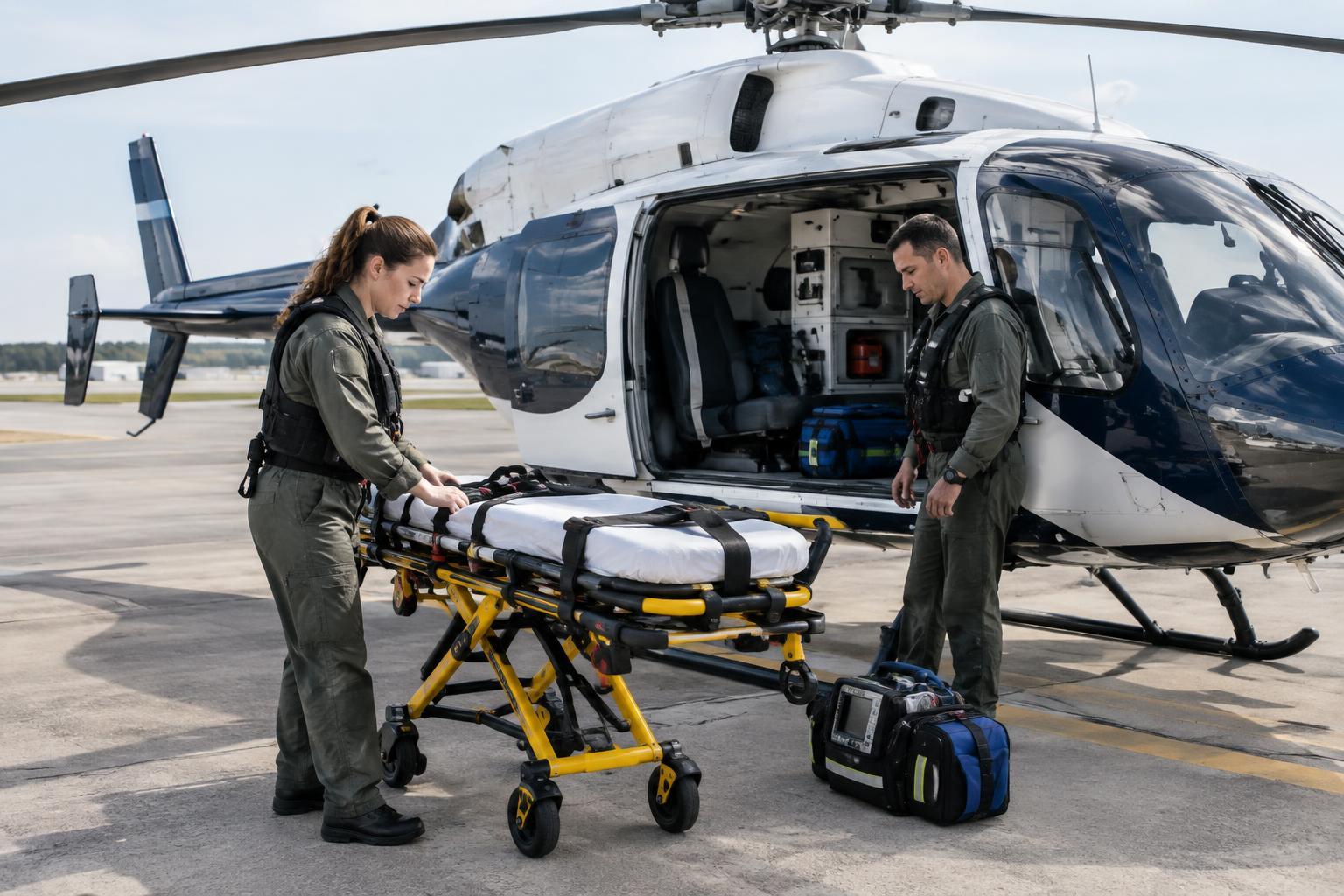
Medical details matter to the pilot chiefly where they affect the aircraft and the plan. The crew may need to confirm how many people will travel, how equipment will be secured and whether the combined load fits weight-and-balance limits. Oxygen supplies and electrical equipment may call for coordination under the operator’s procedures. A pilot need not make clinical decisions to recognize that an equipment change, added passenger or different destination could require a fresh operational assessment.
Coordination during the mission
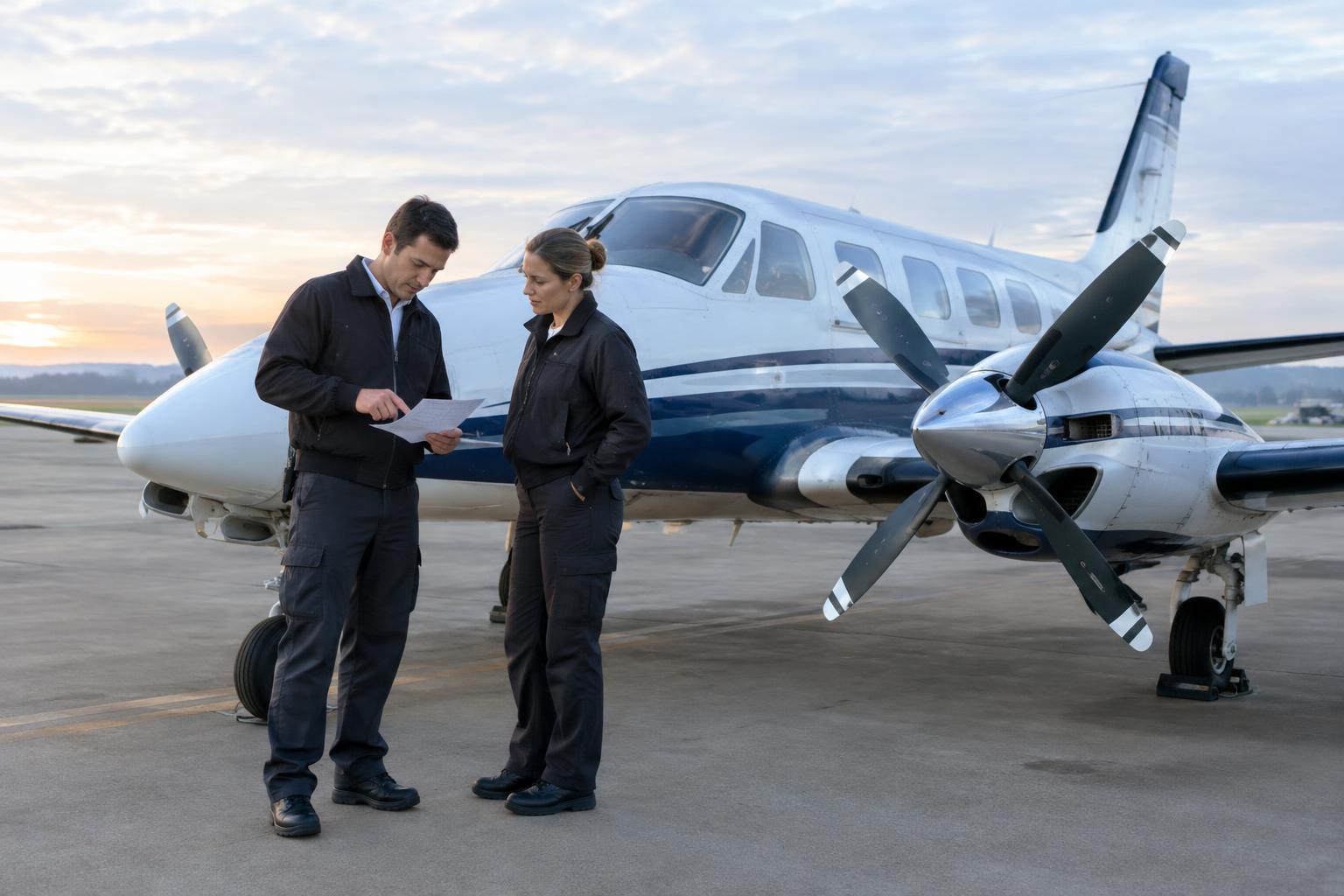
Clear communication connects the flight deck with the medical crew, dispatchers and people arranging ground transfers. Before departure, the team can review the planned route, approximate flight time, expected conditions and any practical limits on access to the patient during takeoff or landing. Medical crew members can raise concerns that might affect timing or cabin arrangements, while pilots can explain operational constraints without trying to direct care.
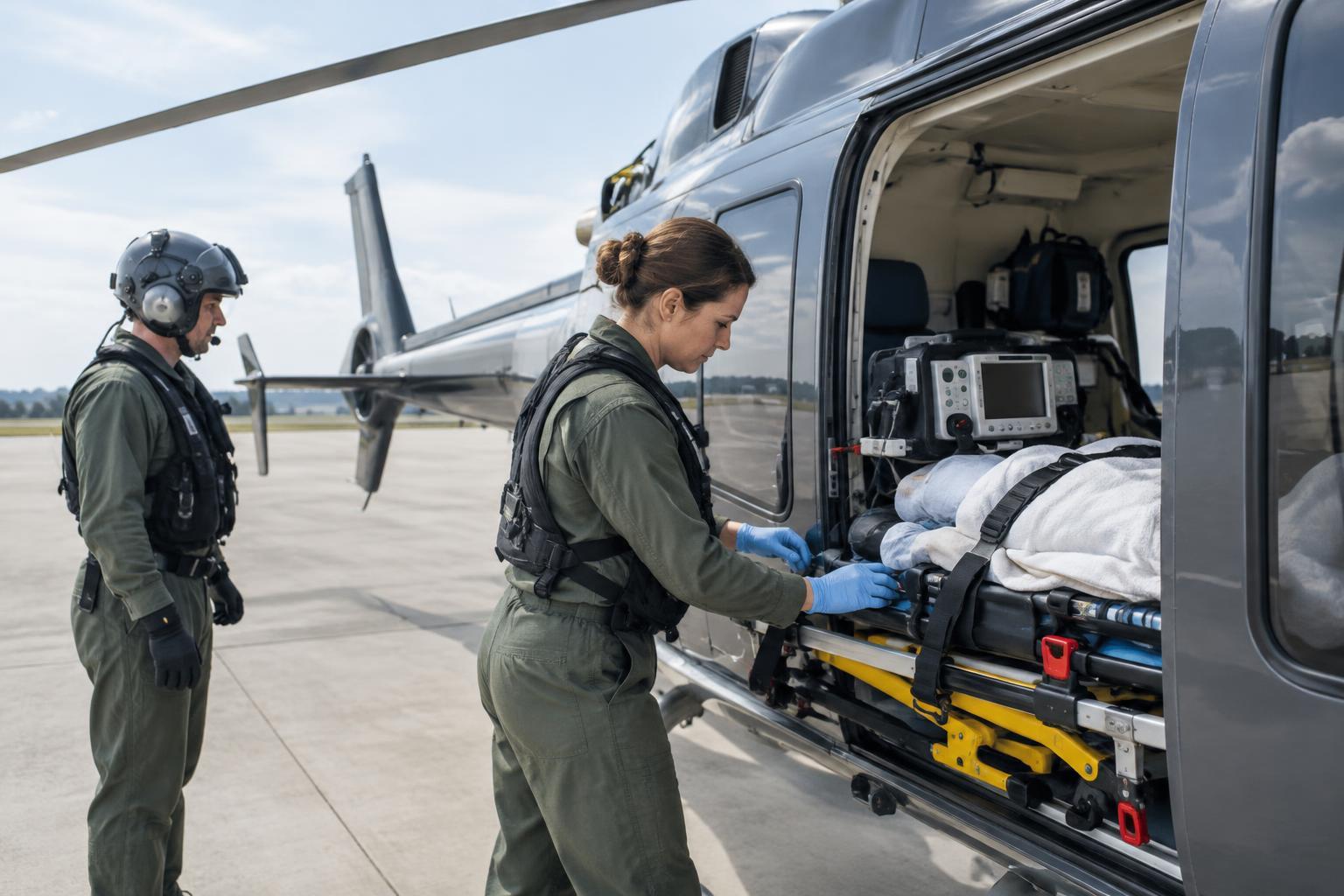
Once airborne, pilots monitor the aircraft, weather and progress toward the destination. If conditions change, a diversion or delay may become the safer choice. In a two-pilot aircraft, duties are shared according to established procedures; in a single-pilot aircraft, managing workload is especially important. After landing, coordination continues as the patient and equipment move to ground transport. The handoff is a logistical step, not the end of the pilot’s responsibility for securing and documenting the flight.
Is this career a good fit?
Fixed-wing medical transport can appeal to pilots who enjoy purposeful trips and careful teamwork. It also asks for patience with uncertainty. A planned departure may change because of weather, maintenance, airport conditions or a change in the transport request. Some operators fly long distances or keep crews available outside typical office hours, so schedules and time away from home can vary considerably.
A useful way to explore the field is to learn about different aircraft and operating models, then speak with operators about their actual hiring standards, training and schedules. Building strong flying fundamentals remains more valuable than focusing only on the medical setting. The defining skill is not simply getting an airplane to its destination; it is making disciplined aviation decisions while coordinating respectfully with the people responsible for the patient’s journey.