Start with the full journey, not just the flight
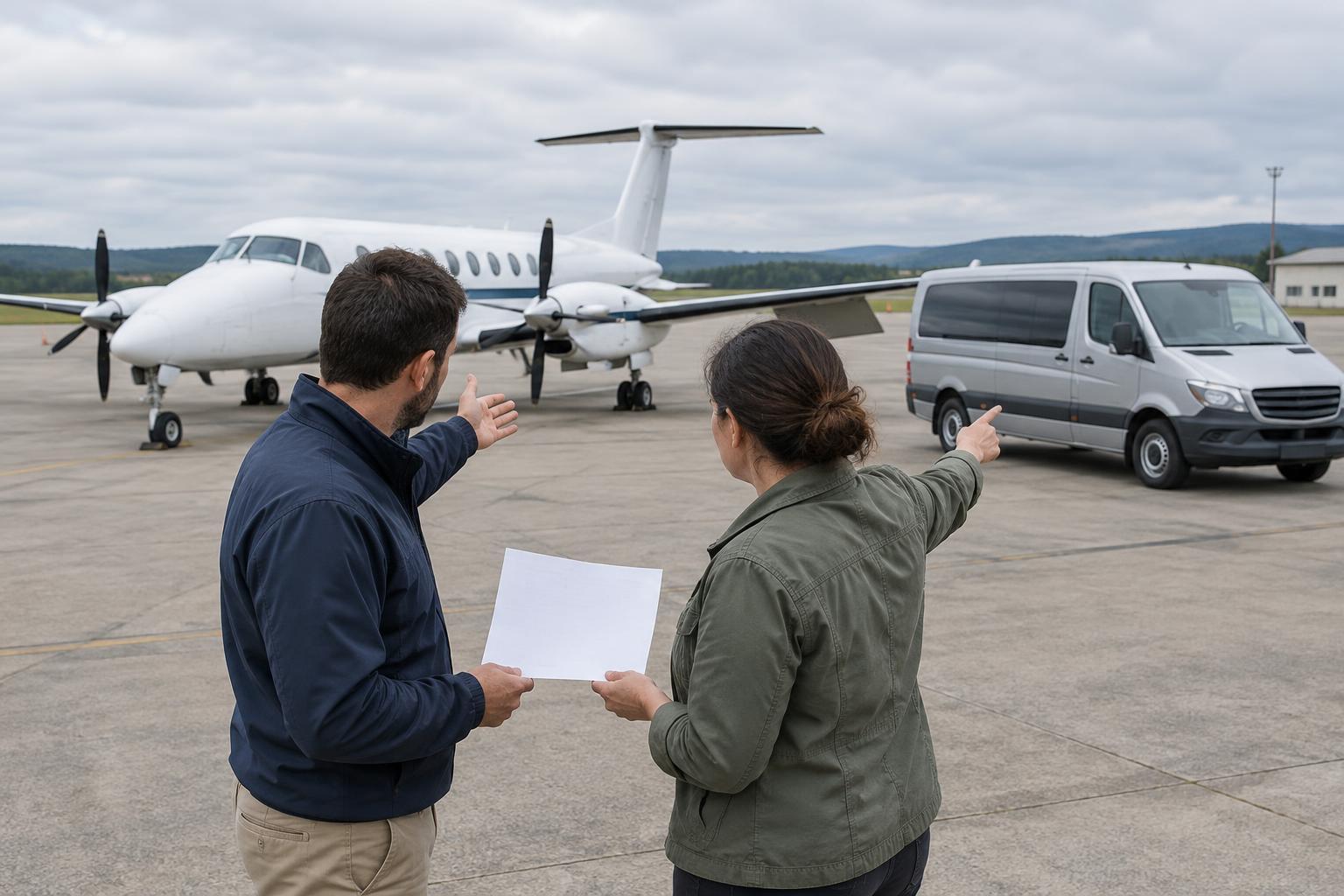
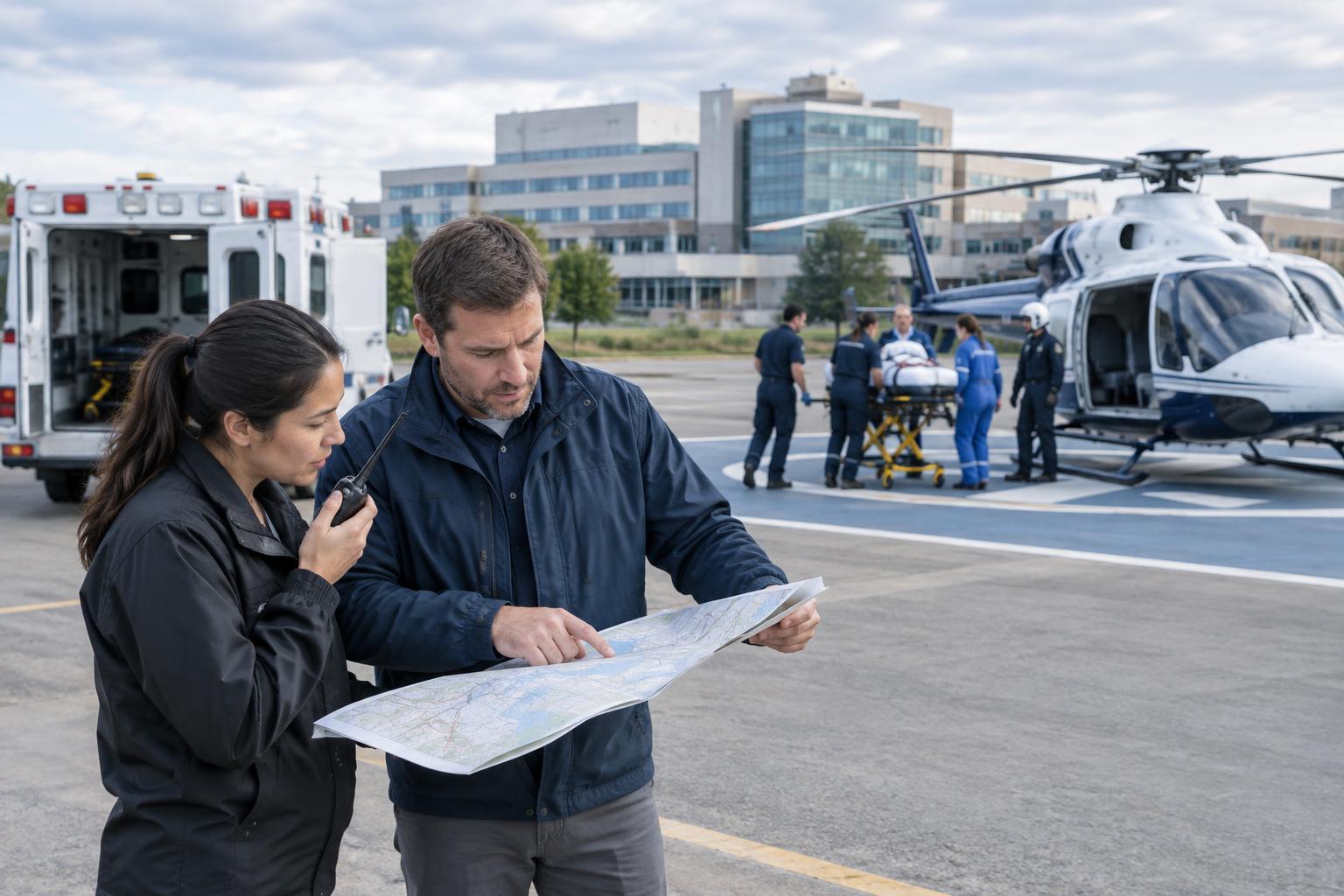
In long-distance patient transport, a route is more than a line between two airports. It may include travel from the departure facility to an airfield, preparation for the flight, the airborne leg or legs, and travel from the arrival airfield to the receiving facility. A route that looks short on a map can still involve considerable time on the ground.
For clarity, a one-leg route here means a flight from the departure airport to the destination airport without an intermediate landing. A connecting route includes a planned stop where an aircraft, crew or transport arrangement may change. That distinction matters because every stop adds tasks, even when the aircraft itself continues onward. Comparing routes therefore means considering the whole handoff chain, not simply counting flight hours.
What a one-leg route can simplify
A one-leg flight avoids an intermediate landing and departure. It may also reduce the number of times equipment must be secured, checked or moved. Fewer transitions can make it easier for coordinators to maintain a shared picture of the journey and for the receiving team to anticipate an arrival time. These advantages are especially relevant when a connection would involve changing aircraft or arranging a second ground vehicle.
A one-leg route is not automatically the fastest or most dependable option. The required distance may exceed a suitable aircraft’s practical range once fuel reserves and operating conditions are considered. The nearest airports to the two facilities may not support the same aircraft or may have different operating constraints. Reaching a more distant airport for a nonstop flight can also add enough ground travel to offset time saved in the air.
Why a connection may be planned
A planned stop can make a long journey feasible by allowing fuel, crew or aircraft arrangements that a one-leg flight cannot provide. It may offer access to an airport better suited to the next portion of the trip. In some cases, dividing the journey also gives coordinators more options if conditions along one part of the route change.
Connections introduce their own dependencies. A late arrival on the first leg can affect the availability of the next aircraft, crew, airport service or ground vehicle. If the stop includes a transfer between aircraft, teams need a clear plan for moving the patient and accompanying equipment. Even a fuel stop without a transfer requires time on the ground and a renewed departure sequence. A useful connection is one whose practical benefits outweigh those added steps.
The variables behind a route decision
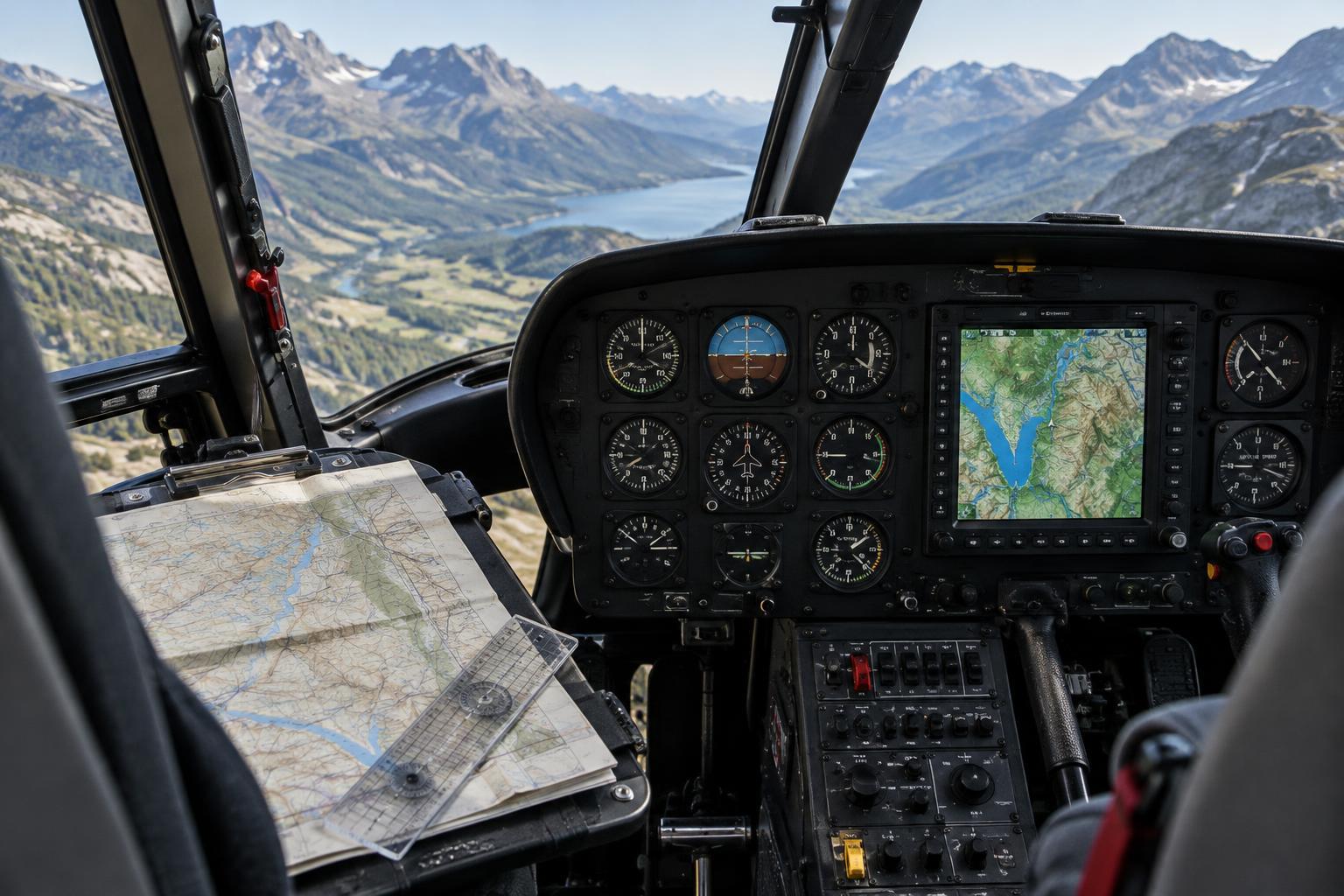
Aircraft capability is only one variable. Coordinators also need to account for usable airports, likely ground-travel times, expected weather, operational limits and the availability of crews and vehicles. The shortest airborne path may not be the most workable path if it depends on a difficult transfer or a narrow connection window. A longer path with straightforward ground access may be more predictable.
Patient-related needs affect logistics too, but they are not resolved by geography alone. The transport team must understand what space, power, equipment and staffing the journey requires, and whether those arrangements can remain consistent across each leg. The sending and receiving facilities also need workable pickup and arrival plans. These are planning considerations rather than a universal rule favoring either route type.
Plan the transitions and the fallback
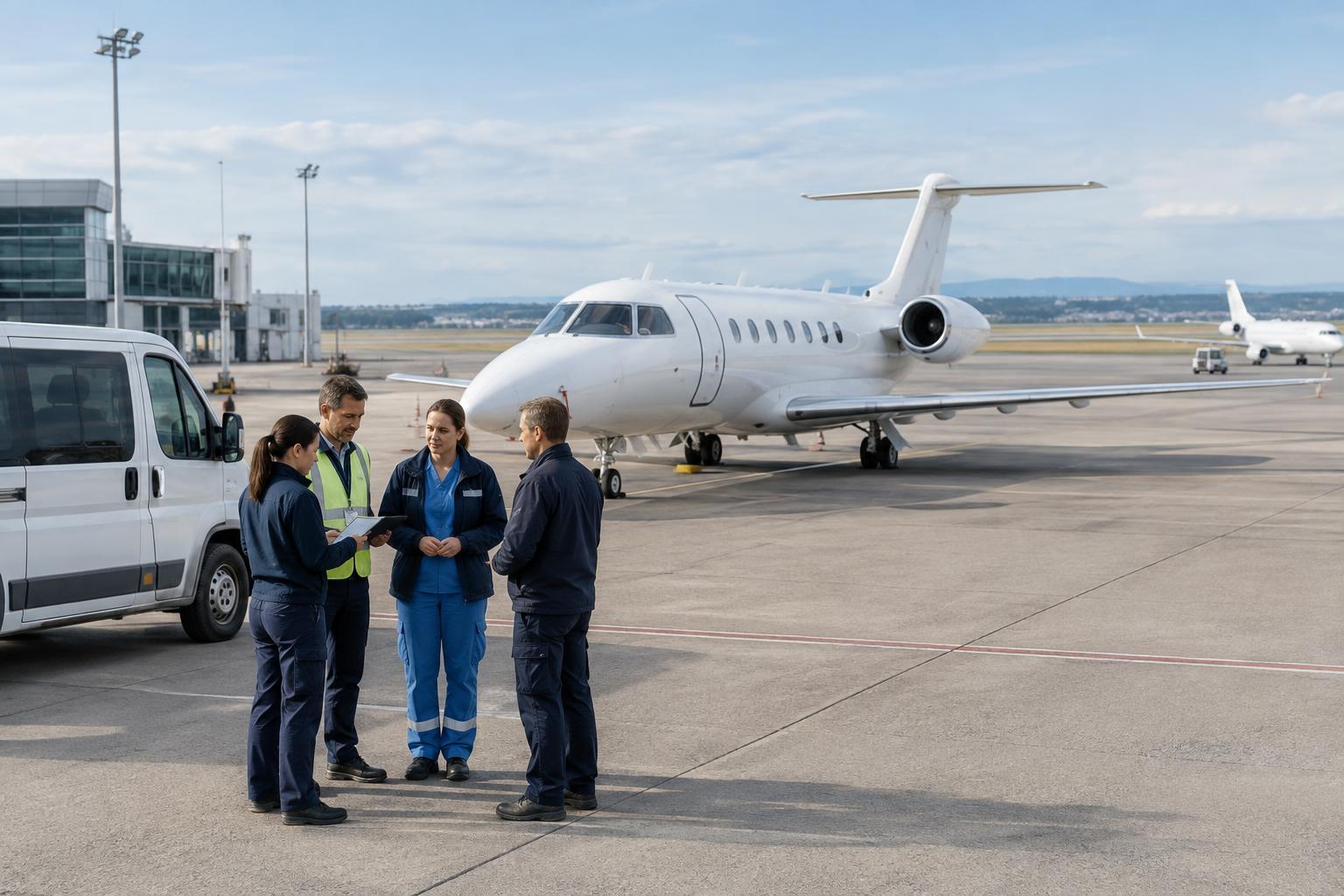
Clear communication helps prevent a route plan from becoming a collection of separate reservations. Participants should know who is responsible for each segment, where the handoffs occur, what equipment is traveling with the patient and how an updated arrival estimate will be shared. At a connection, confirming the next crew and vehicle before arrival can make the transfer easier to coordinate, though it cannot eliminate disruption.
A robust plan also considers what happens if a leg is delayed or a stop becomes unavailable. The answer may be to wait, use another airport or revise a later segment, depending on the circumstances and available resources. The practical comparison is therefore not simply “direct versus connecting.” It is whether the complete route can be carried out with manageable transitions, realistic timing and a clear way to respond when plans change.