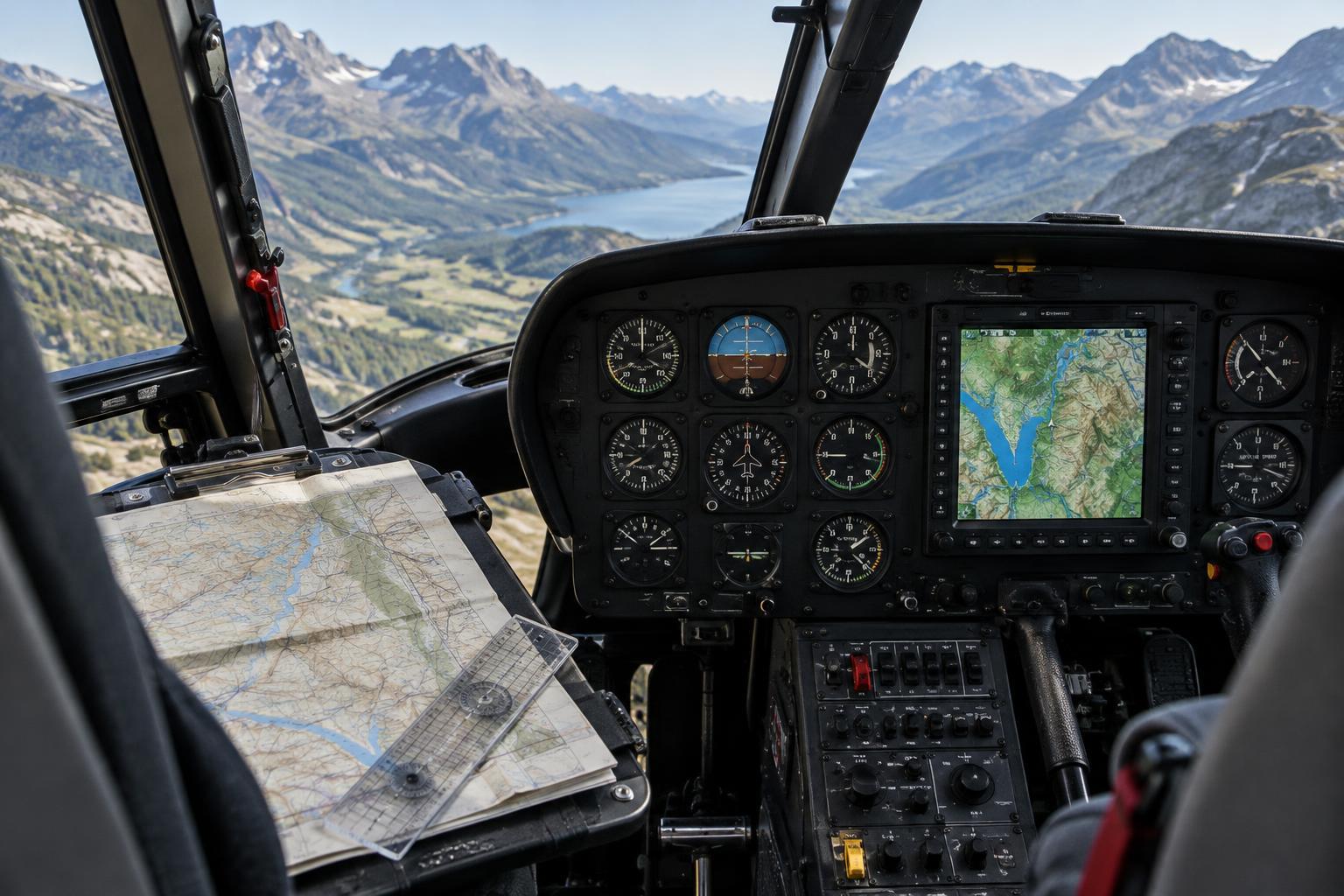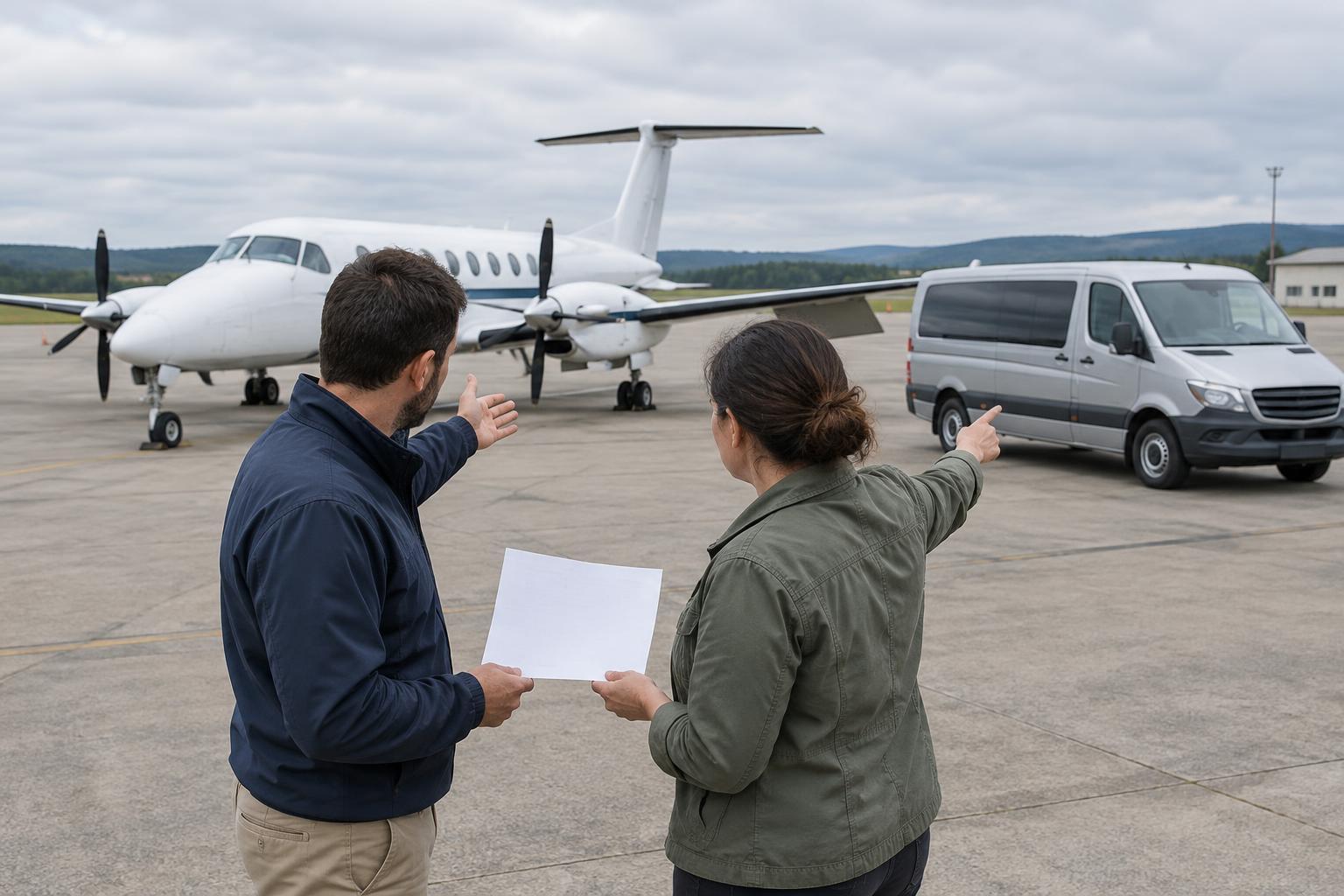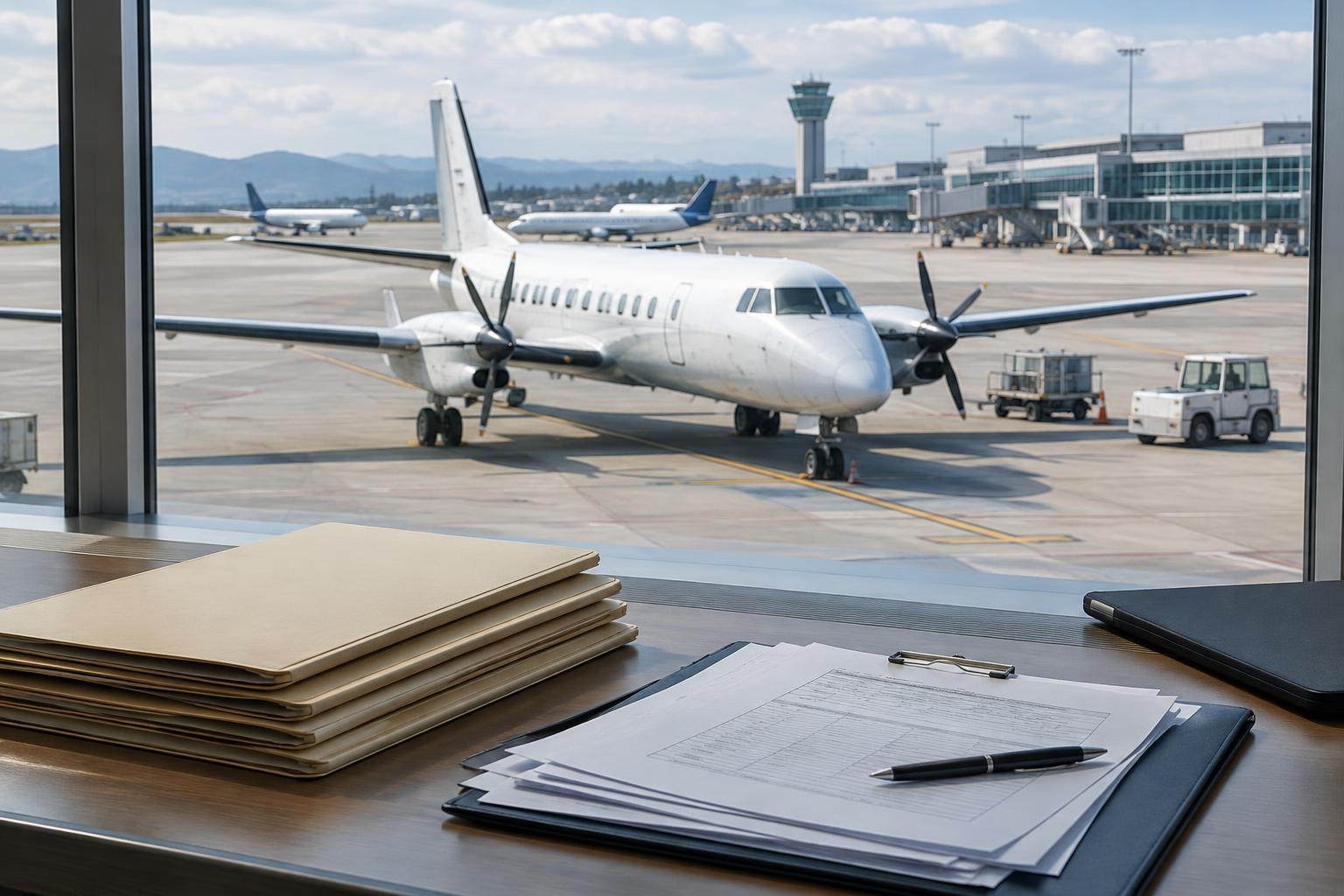
A border crossing begins before departure
An international flight can involve several different authorities and processes. A country may set conditions for flying through its airspace, landing at an airport, admitting people and bringing goods across its border. Approval for one purpose does not necessarily satisfy the others. That distinction matters when a flight is time-sensitive: a workable route on a map is not yet a complete plan for entering and leaving each country.
The applicable requirements depend on the countries involved, the aircraft, the nature of the flight and whether it lands or only passes through. Planners generally work backward from the intended arrival, identifying where the aircraft can land, where border formalities can take place and what information must be submitted in advance. They also consider alternate airports, since a diversion may create a different border-crossing situation from the one originally planned.
Permits, airspace and airport access
Overflight permission concerns passage through a country’s airspace; landing permission concerns a stop within its territory. Whether either requires a separate permit varies by jurisdiction and type of operation. These permissions are distinct from an air traffic clearance, which governs a flight’s movement within the air traffic system. A flight may also need arrangements with the destination airport for its arrival time, parking, fuel or ground handling.
Route planning therefore involves more than choosing the shortest path. A proposed itinerary should account for the permissions and airport services needed at every planned stop. If timing or routing changes, an earlier approval may no longer match the flight being operated. Keeping the route, stated purpose, aircraft details and expected schedule consistent across requests helps teams notice discrepancies before departure.
Customs and immigration serve different purposes
Customs processes concern goods and equipment entering or leaving a country. Immigration processes concern the admission or transit of people. A crew carrying passengers and specialized equipment may need to address both, even when the stop is brief. An airport’s ability to receive an aircraft does not by itself establish that the necessary border services will be available at the planned time.
For a transport involving a patient, documentation may need to identify who is traveling and what equipment is aboard, while protecting sensitive personal information. Medical devices, medications, batteries and other supplies can raise questions about carriage or import requirements; the answer depends on the item and the jurisdictions involved. An urgent purpose should not be assumed to create an automatic exemption from ordinary border procedures.
Build a clear documentation picture
International transport may call for records relating to the aircraft, its crew, the people aboard and the goods carried. Examples include aircraft registration and airworthiness documents, crew credentials, travel documents, passenger details and an inventory of relevant cargo or equipment. The precise set, format and submission method vary, so a useful planning question is not simply “Do we have the documents?” but “Are these the documents required for this route and operation?”
Accuracy across records is as important as having them available. Names, aircraft identifiers, departure and arrival points, and descriptions of carried items should agree wherever they appear. Teams can maintain a shared checklist that records what has been requested, what has been received and who is responsible for resolving a mismatch. Sensitive records should be accessible to those who need them without being circulated more widely than necessary.
Coordinate changes and prepare for delays
Border planning connects flight crews, dispatch or coordination staff, airport contacts and, when appropriate, the organizations arranging the transport. A clear handoff identifies which permissions are confirmed, which remain pending and what conditions apply. It also distinguishes an estimated approval from an issued one. That shared picture helps prevent an aircraft from departing on the assumption that another team has completed a required step.
Weather, aircraft availability or a change in destination can alter the crossing plan. A practical contingency discussion considers which alternates have suitable services, who will update the relevant authorities and how passengers or equipment would be handled after a diversion. International air transport works best when border requirements are treated as part of the route itself—not as paperwork to revisit only after the aircraft is ready to fly.