What does an avionics technician do?
Avionics technicians maintain the electronic systems used aboard aircraft. Depending on the aircraft, those systems may include radios, navigation equipment, cockpit displays, sensors, antennas and the wiring that connects them. Their work helps ensure that equipment functions as intended and that crews can rely on the information available to them. A technician may work for an aircraft operator, a maintenance organization, a manufacturer or a specialist repair shop.
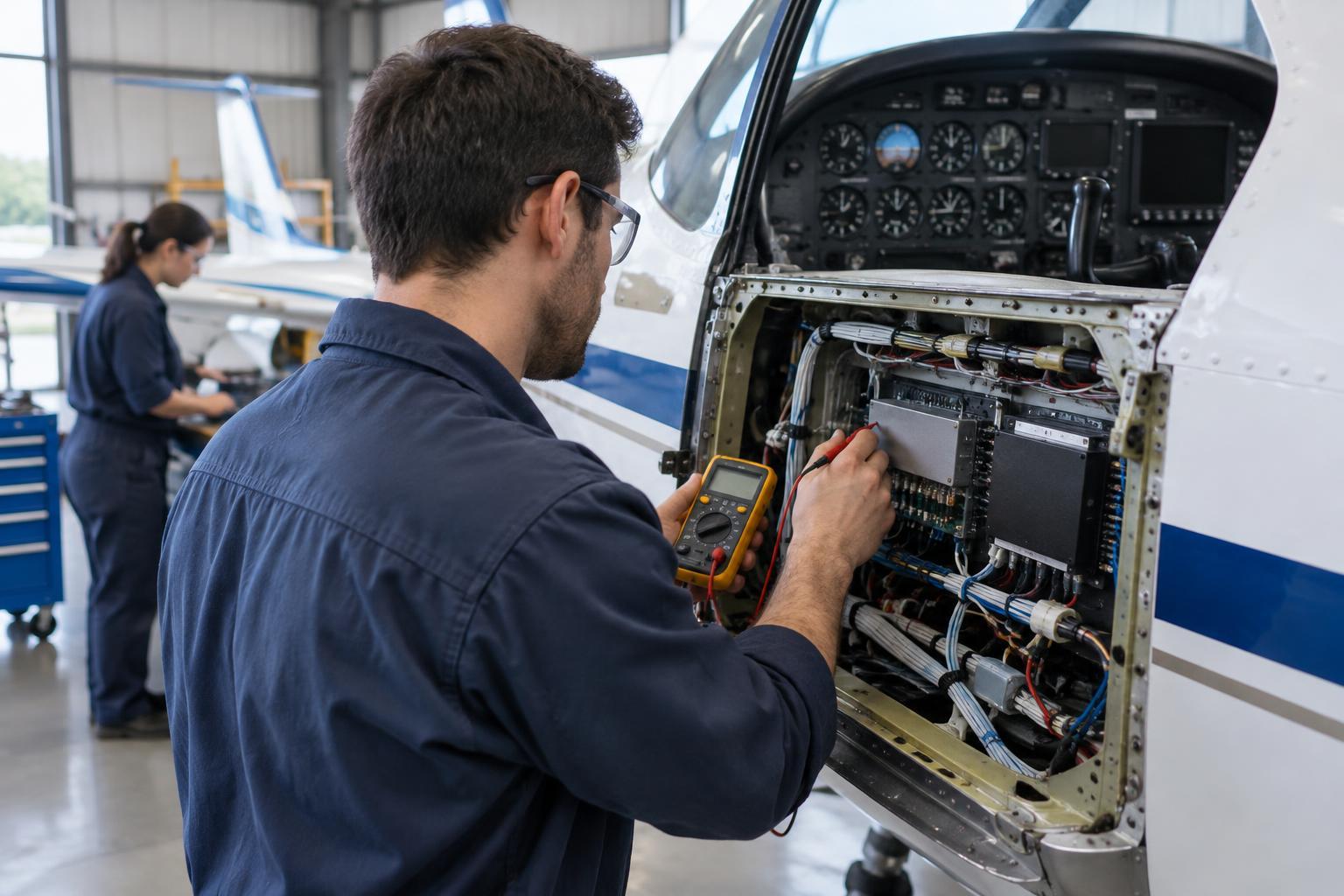
The job is broader than replacing a faulty screen or radio. A reported problem can originate in a connector, a power supply, an antenna, software configuration or another connected component. Technicians use approved technical information and test equipment to narrow down the cause before making a repair or replacement. They then check the result and record the work so others can understand what was found and what was done.
The systems behind a connected cockpit
Aircraft electronics often work as a network of related systems. A navigation display, for example, may depend on sensors, a receiver, electrical power and connections between components. If its information looks wrong, the display itself may not be the source of the fault. Understanding these relationships is a central part of avionics work, particularly as aircraft equipment becomes more integrated.
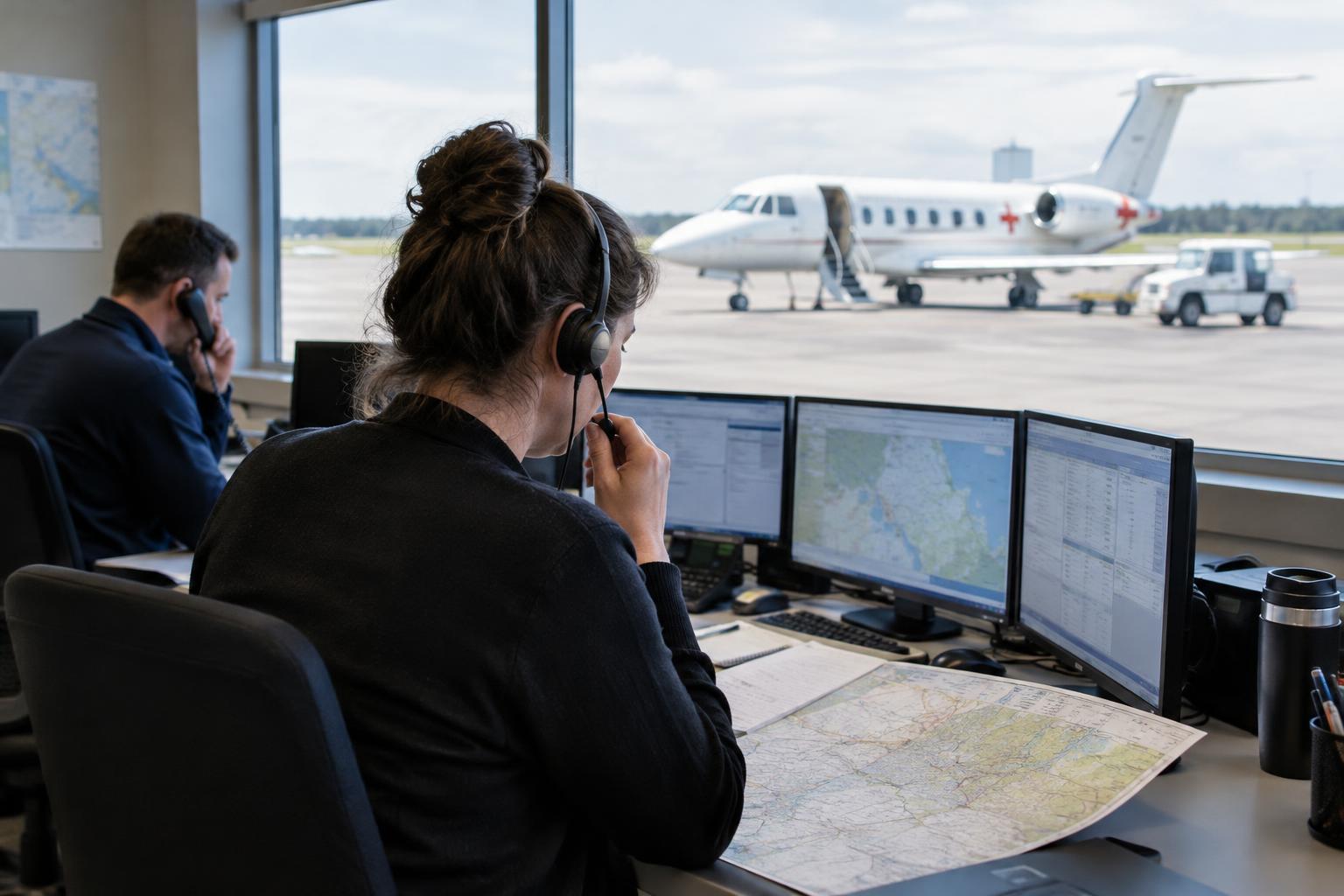
The details vary widely between aircraft. A small training airplane may have a comparatively simple panel, while a larger transport aircraft may have multiple displays and extensive electronic monitoring. Aircraft used for emergency transport may also carry mission-related communications or other specialized equipment. That equipment can add coordination requirements, but maintenance responsibilities and procedures depend on the aircraft and its operator. Technicians need to know the specific installation they are working on rather than assume that similar-looking aircraft are identical.
How troubleshooting and documentation fit together
Troubleshooting starts with a clear description of the problem: what the crew observed, when it happened and whether it can be repeated. A technician may review maintenance records, inspect visible components, check connections and perform tests specified for that aircraft. Intermittent faults can be especially challenging because a system may appear to work normally during an initial check. Careful observations and a methodical process help avoid unnecessary parts changes.
Documentation is part of the technical task, not an afterthought. Maintenance records allow the next person to see the reported fault, the checks performed and the outcome. Technicians also need to recognize the limits of their authority: an inspection, repair or return-to-service decision must follow the applicable rules and the organization’s procedures. When a problem remains unresolved, accurately recording that fact is more useful than treating a temporary absence of symptoms as proof of a repair.
Skills and routes into the field
Useful foundations include electrical principles, digital systems, wiring practices and the ability to read diagrams and technical manuals. Equally important are patience, attention to detail and a willingness to test an assumption. Much of the work involves following a signal or power path step by step, sometimes in confined spaces or around equipment that must be protected from accidental damage.
People enter avionics work through routes such as aviation maintenance programs, electronics training, apprenticeships or related technical experience. The qualifications needed for particular tasks vary by location, employer and type of work. Someone exploring the career can compare local training options with job descriptions, ask how supervised experience is provided and look for opportunities to learn on the kinds of aircraft that interest them. Comfort with ongoing learning matters because equipment and approved procedures differ across fleets and can change over time.
Working with the wider aviation team
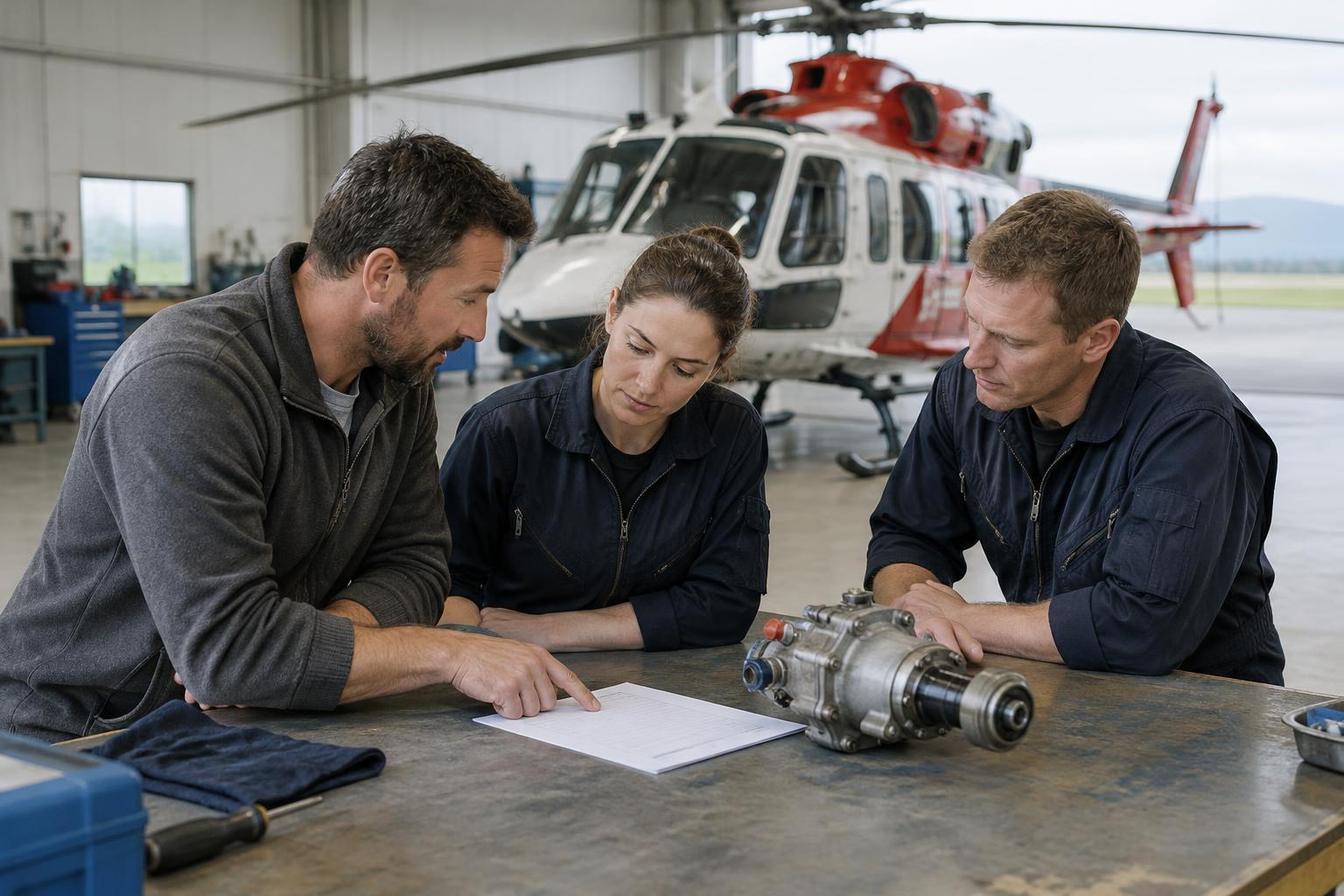
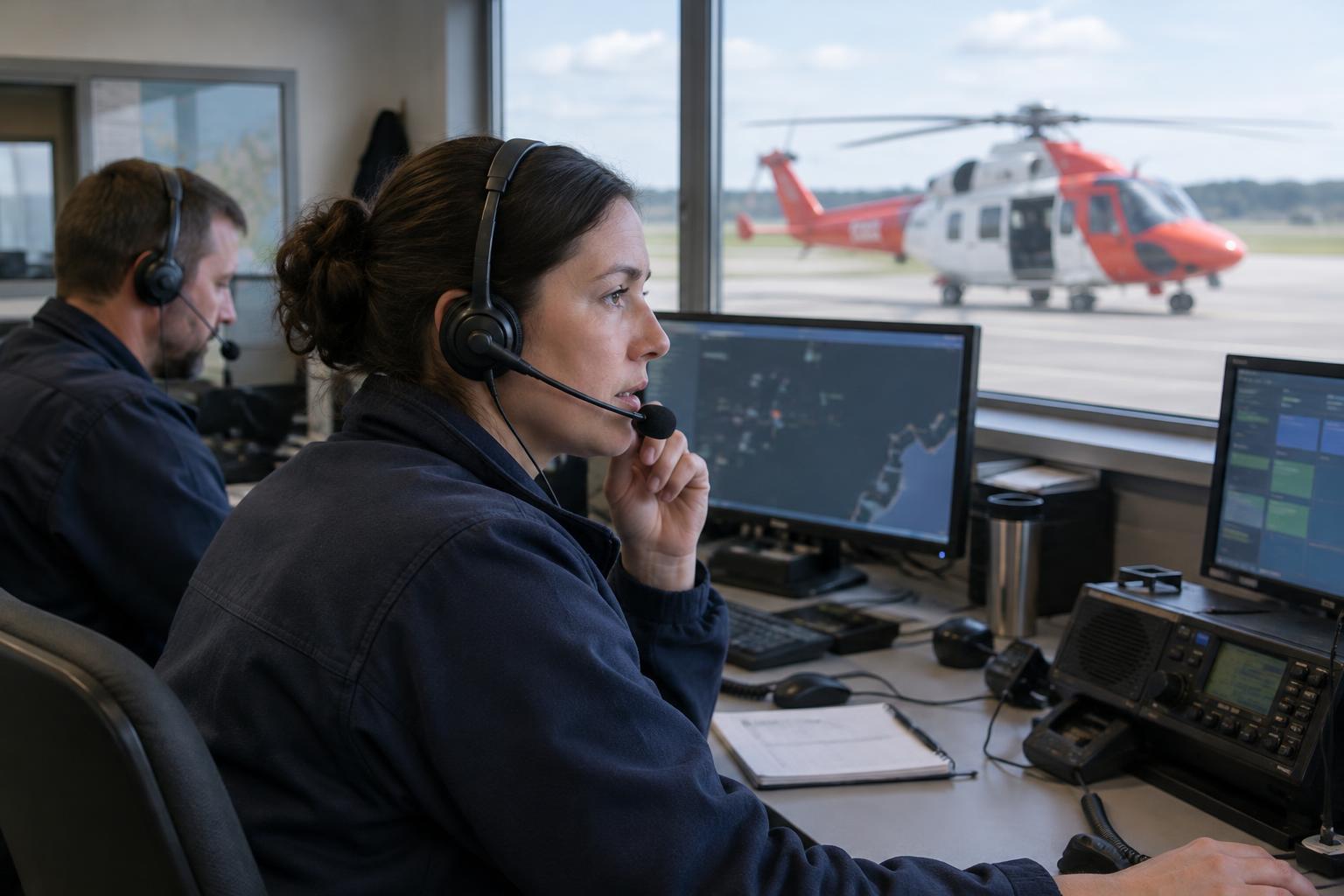
Avionics technicians rarely work in isolation. Pilots describe how a fault appeared in flight; other maintenance specialists may investigate an electrical, mechanical or installation issue; and planners coordinate access to the aircraft. Clear communication helps everyone distinguish what is known from what is suspected. For an aircraft with a demanding transport schedule, that clarity can support sound maintenance decisions without turning schedule pressure into a substitute for a proper check.
The career can suit someone who enjoys both hands-on work and careful reasoning. Its purpose is not simply to make equipment switch on, but to establish that a reported issue has been addressed according to the information and procedures that apply. For prospective technicians, learning how systems interact, how faults are documented and how teams share responsibility offers a realistic starting point for understanding the profession.